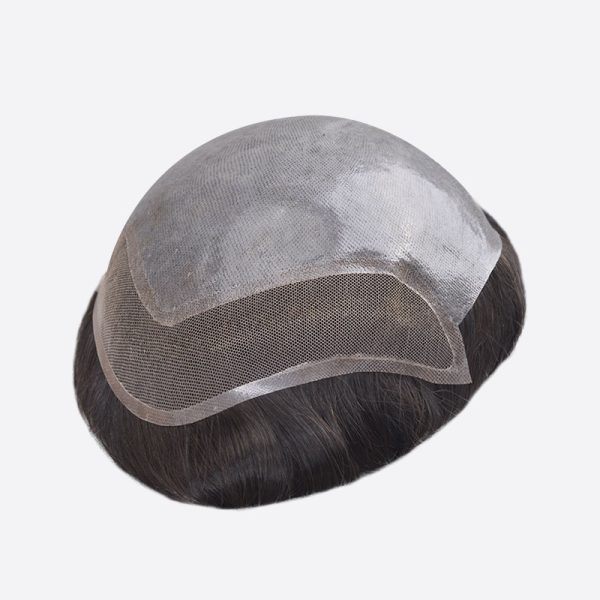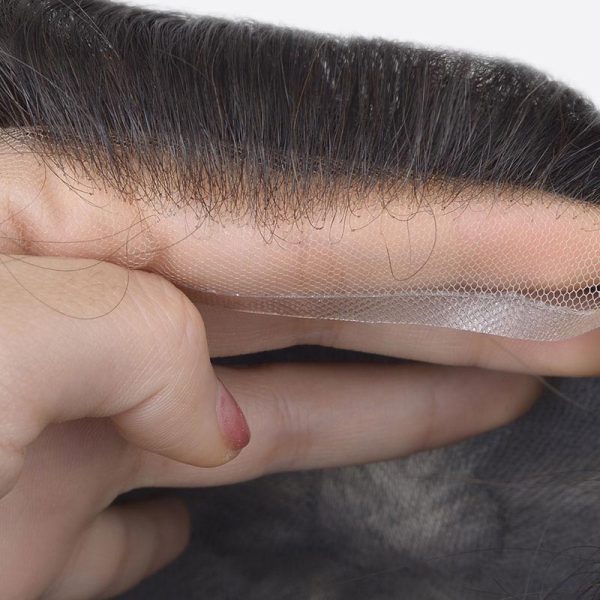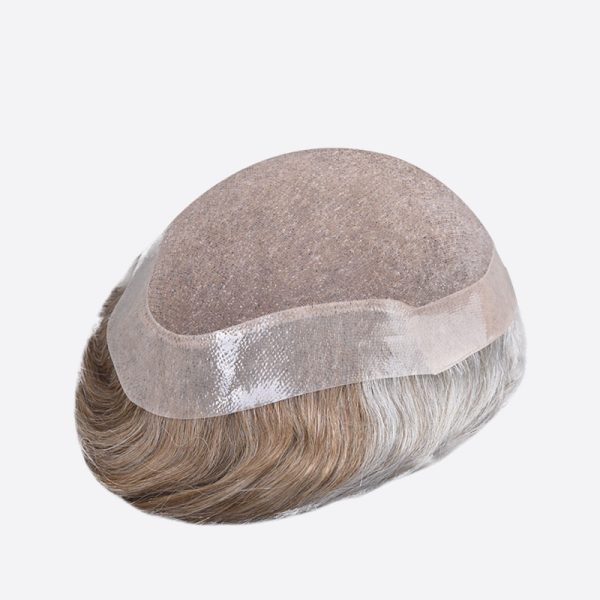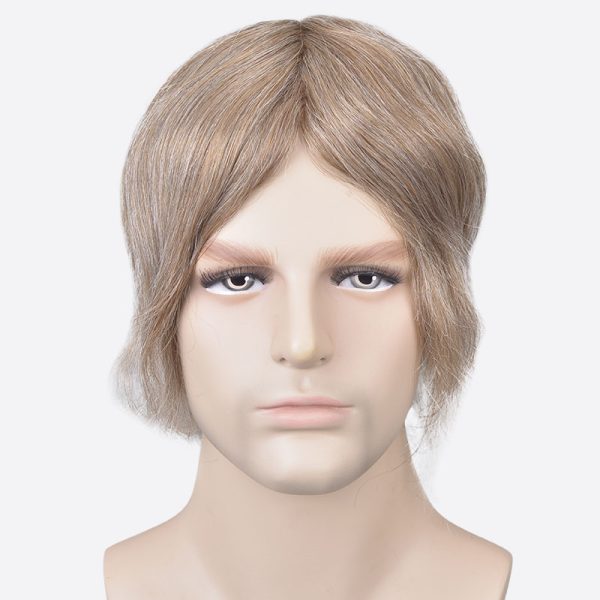















Many hair system wearers notice the same frustrating change: the hair looks soft, smooth, and natural when the system comes out of the box or when they leave the salon, but after washing, it can sometimes feel drier, rougher, or more prone to tangling.
This does not necessarily mean the system was defective or that you are using the wrong conditioner. In this article, we’ll look at why hair system hair becomes dry or tangled after washing, which common washing habits make the problem worse, and what you can do to keep it softer, smoother, and easier to manage.
Short Answer: Why Does Hair System Hair Become Dry or Tangled After Washing?
Hair system hair no longer receives natural scalp oils, meaning it lacks the built-in lubrication of growing hair. During a wash, water and shampoo remove some of the oils and buildup from the hair surface, leaving the fibers more vulnerable to friction. Because the hair is already less lubricated, rubbing, twisting, or handling it too roughly can make it easier for the strands to catch and tangle. As a result, the hair can dry feeling rough, stiff, and hard to manage.
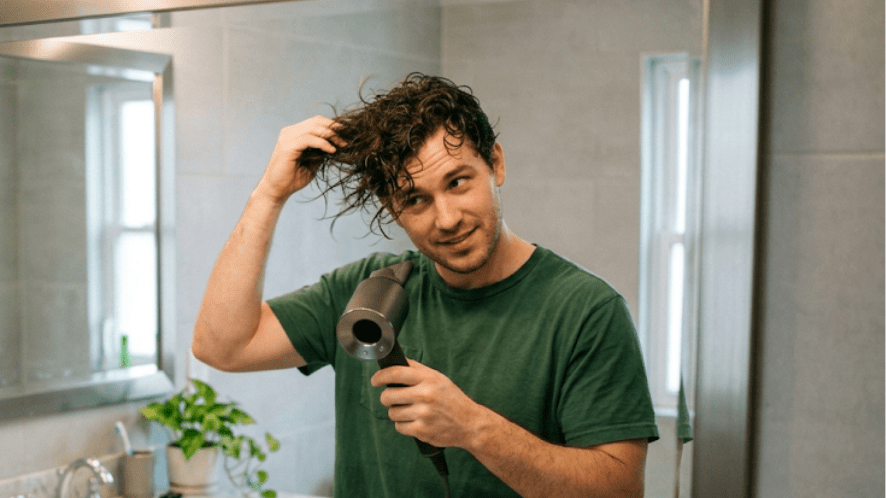
The good news is that washing technique makes a real difference. It is not simply about finding one particular shampoo; how the hair is washed, conditioned, dried, and handled over time all affects how it feels and looks. A proper and gentler washing routine can help reduce friction, keep the hair feeling smoother, and slow down dryness and tangling.
The Science Behind: Why Hair Becomes Rough, Dry, and Tangled
Natural growing hair benefits from the scalp’s natural oils, which help keep the hair surface lubricated. The hair fiber itself also has a natural lipid layer, including 18-MEA (18-methyleicosanoic acid), that helps keep the surface smooth and reduces friction between individual fibers.
Hair in a replacement system no longer receives natural scalp oils. Once the hair is no longer connected to a scalp, its condition depends much more on the quality of the hair itself and how it is washed, dried, and handled. Without that natural lubrication, the strands can be more sensitive to friction during washing.
When wet hair is rubbed, twisted, or brushed aggressively, friction between neighboring strands increases. On hair with a rougher or more damaged surface, individual strands are more likely to catch against one another, making small tangles develop into larger knots.
Common Mistakes That Trigger Hair Tangling
Some everyday washing habits can increase friction between the hair fibers, making the hair more likely to become dry, rough, or tangled.
#1. Washing the System Upside Down
One common mistake is bending over a sink or showering with your head upside down to wash the system. This may feel natural if you are used to washing your own hair that way, but it changes the direction in which the water runs through the hair.
When washing a system that way, a strong stream can push the wet hair away from its natural direction. The strands can move, cross, and rub against each other, especially around the base where the hair is secured.
If you wash the system off-scalp, avoid holding the base directly under a strong faucet stream.
#2. The Solvent and Dish Soap Trap
During a refit, many wearers and hair professionals use a citrus-based adhesive remover such as C-22 to help break down adhesive residue. That part is totally fine. The problem starts when some wearers then use dish soap or a strong degreaser to remove the oily film left behind.
Dish soap is made to cut through grease. It can do a good job of removing the residue, but it can also be too harsh for the hair. And if some adhesive residue gets onto the hair, it can also make the strands sticky and harder to separate during washing.
#3. Circular Basin Scrubbing
In commercials, actors lather up with vigorous, circular hand motions. Try that with a men’s hair system in a basin, and you will create an instant bird’s nest.
The problem is the constant change in direction. Swirling the system around in a bowl makes wet hair fibers move across and around each other, increasing friction and making them more likely to cross, twist, and knot.
#4. Excessive Heat and High-pH Cleansers
Hot water can put unnecessary stress on the hair and the base, especially during washing. A cleanser that is too alkaline can also make the hair surface feel rougher and increase friction between the strands. Hair and scalp are naturally mildly acidic, so a mild, pH-balanced cleanser is generally a gentler choice for routine washing.
#5. Hard Water Mineral Buildup
If you live in an area with hard water, minerals like calcium and magnesium can build up on the hair over time. This buildup can make the hair feel rough, stiff, and less smooth, which increases friction between the strands and makes tangling more likely.
Washing Mistakes and What to Do Instead
| Washing mistake | What to do instead |
| Washing the system upside down | Use a gentle flow of water and keep the hair flowing in its natural direction as much as possible. |
| Using dish soap on the hair | Keep dish soap on the base only if needed. Use a suitable hair-system cleanser for the hair and base. |
| Circular basin scrubbing | Let the system soak and gently squeeze the hair downward, keeping it moving in the same direction as much as possible. |
| Rubbing with a towel | Cover the hair with a towel and gently press to remove excess water. |
| Excessive heat / high-pH cleansers | Use lukewarm water and a pH-balanced shampoo designed for hair. |
| Hard water mineral buildup | Use a chelating shampoo occasionally if hard-water buildup is a concern. |
Proper Hair System Washing SOP: Simple Steps to Prevent Tangling
Once you know what causes dryness and tangling, the washing routine is actually quite simple:
-
Detangle first. Use a wide-tooth comb and work gently from the ends upward.
-
Wash gently. Use cool or lukewarm water and a mild shampoo. Let the system soak and gently squeeze the hair rather than scrubbing or swirling it.
-
Condition the hair. Apply conditioner mainly to the mid-lengths and ends, keeping it away from the roots and knots as much as possible. Rinse thoroughly.
-
Remove excess water. Cover the hair with a towel and gently press out the water. Do not rub, twist, or scrub.
-
Air dry when possible. Keep heat low if you need to blow-dry, and avoid holding hot air in one spot.
The details can vary depending on the base and the adhesive you use. For a more complete maintenance routine, see our men’s hair system maintenance guide.
Emergency Rescue: What to Do When a Hair System Is Already Matted
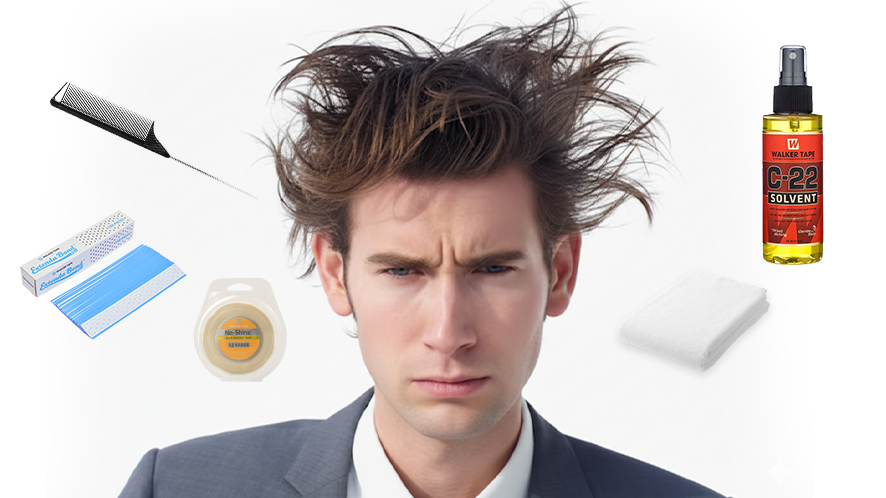
If a hair system is already matted, don’t force a brush through it. A few simple tricks can make a big difference:
-
When the tangle is still manageable, work from the tips upward with a wide-tooth comb. Hold the hair firmly at the roots with one hand as you comb with the other to reduce pulling on the hair and base.
-
If the hair is too tangled to comb through, soak the tangled section in lukewarm water with conditioner. Try to avoid soaking the whole system, as too much conditioner may make knots and V-loops more likely to loosen. Then, using the same approach as the first method, work through the tangle from the tips upward with a wide-tooth comb.
-
For stubborn knots, carefully separate the smallest section you can with the pointed end of a rat-tail comb, working from the ends upward. Avoid digging the tool into the base or pulling against the knots.
If it takes force to loosen the knot, stop. You may do more harm than good.
Beyond Washing: What Else Causes Systems to Dry Out?
Sometimes you can wash a system the right way and still find that the hair gets drier and harder to manage over time, because everyday wear plays a part too:
-
Cotton pillowcases can create friction while you sleep, leaving the hair more tangled in the morning.
-
Frequent blow-drying or hot tools can gradually dry out the hair and make it more brittle.
-
Too much sun exposure can dry the hair and gradually fade or change its color.
-
Heavy styling products can leave residue on the hair, making it feel stiff and harder to clean.
-
Sweat and sea water can make the hair around the base more prone to tangling and matting.
-
Hair quality can make a difference over time. High-quality hair generally holds up better.
-
As a system gets older, the hair naturally becomes drier and harder to manage.
Final Thoughts
Dry, tangled hair is rarely caused by one thing. Hair quality, washing habits, heat, friction, and everyday wear all add up over time. Good hair and proper care go hand in hand, and choosing the right hair quality at the sourcing stage can make maintenance much easier down the road.
With 20+ years of men’s hair system manufacturing experience, Bono Hair uses quality Indian human hair and European hair and follows strict quality control throughout production. If you’re looking for a men’s hair system supplier for your business, let’s talk about your product and sourcing needs.