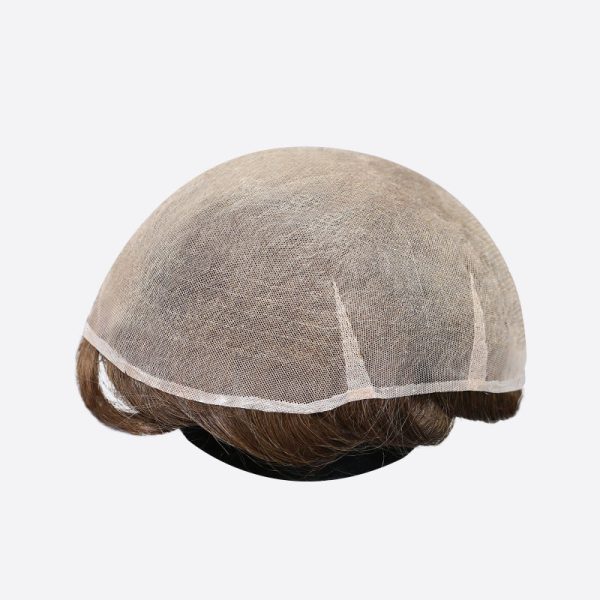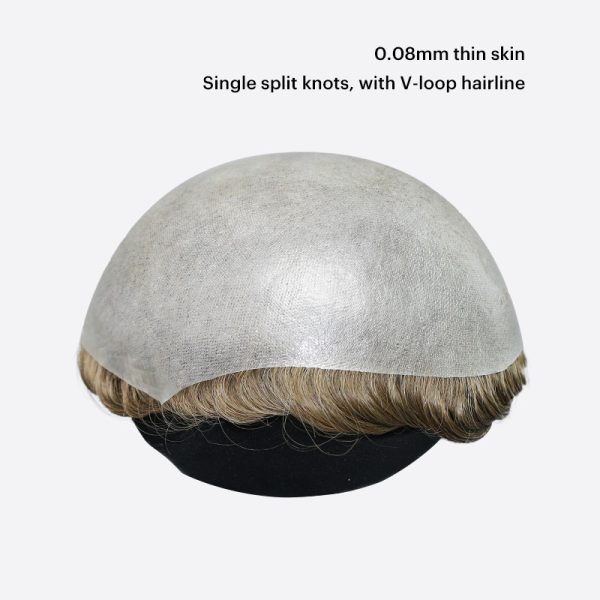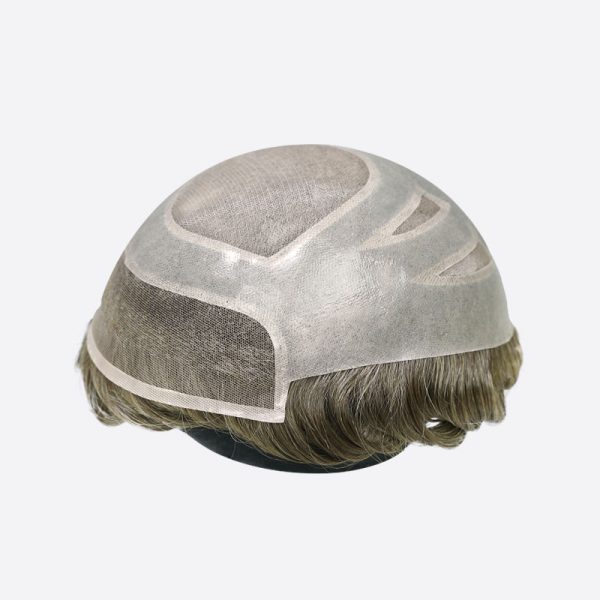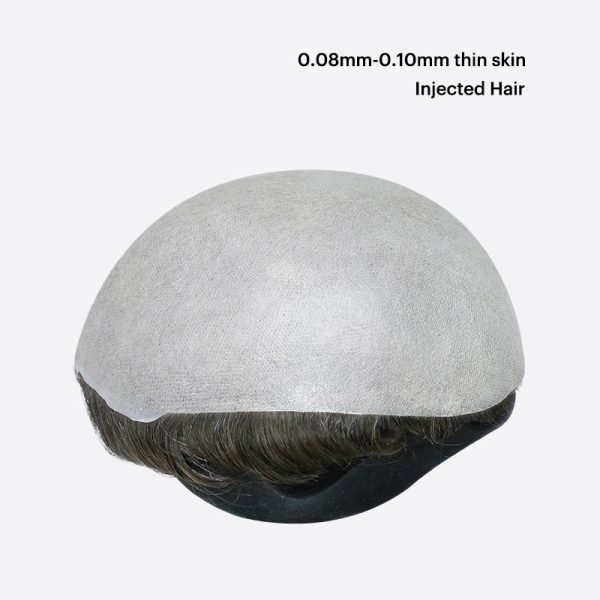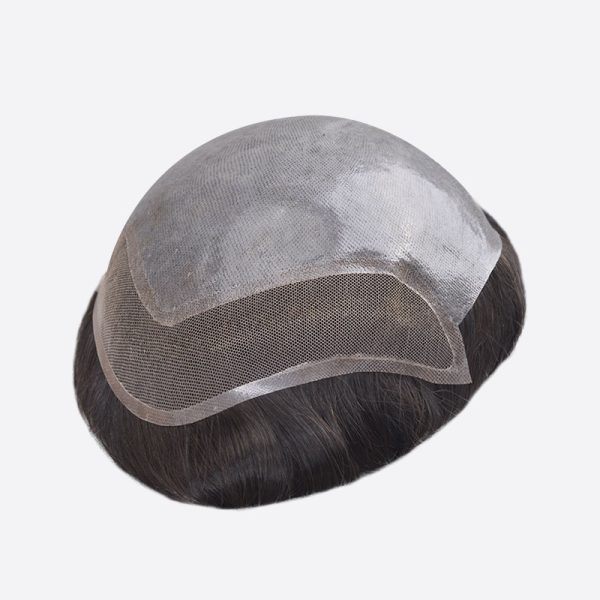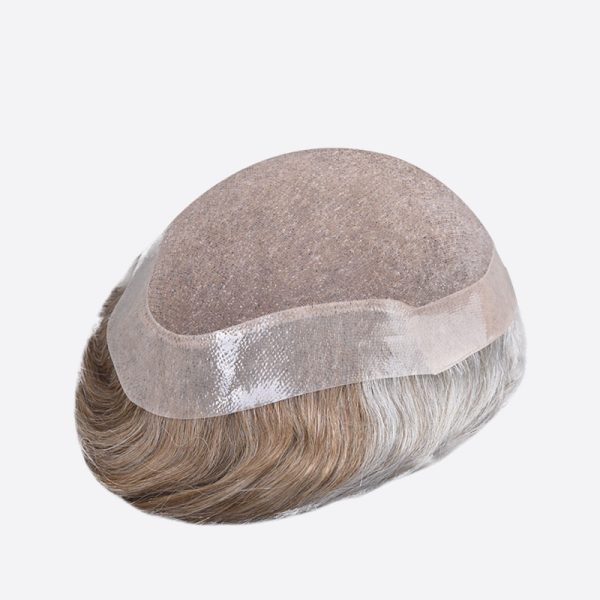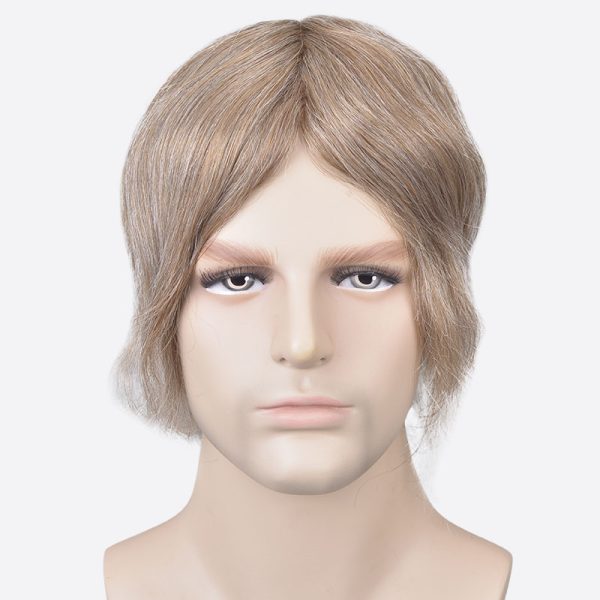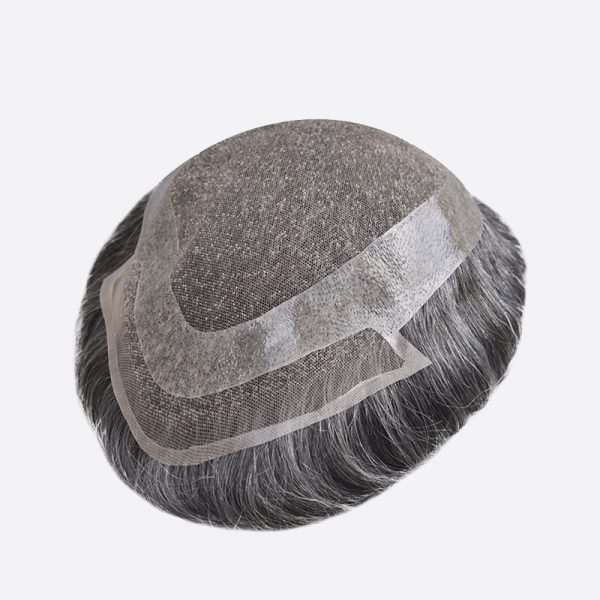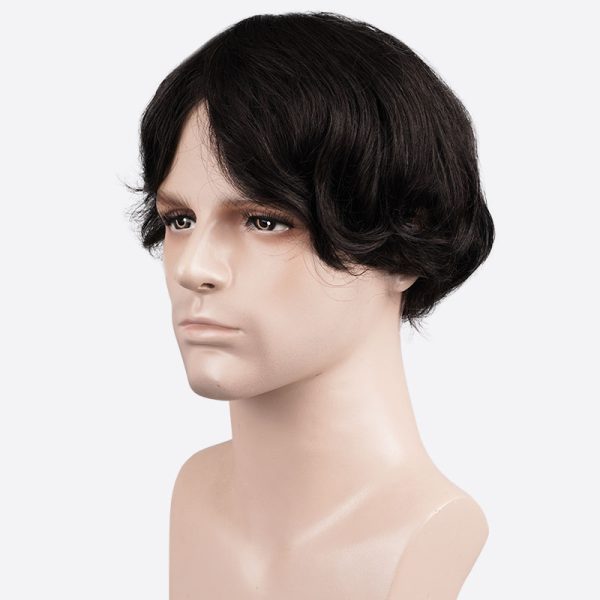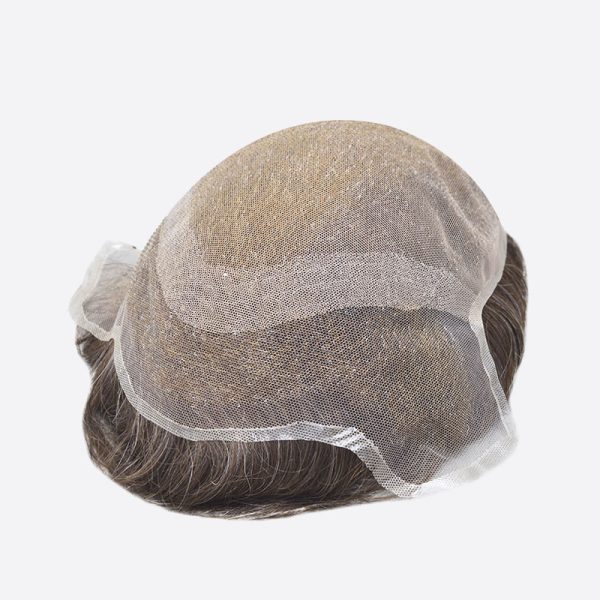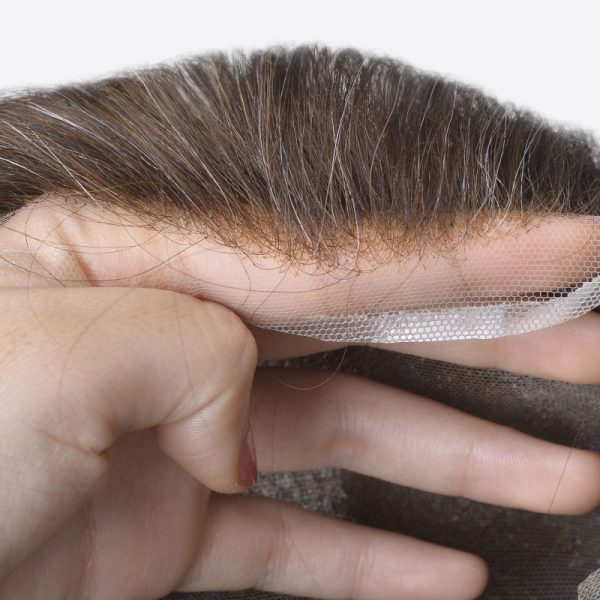













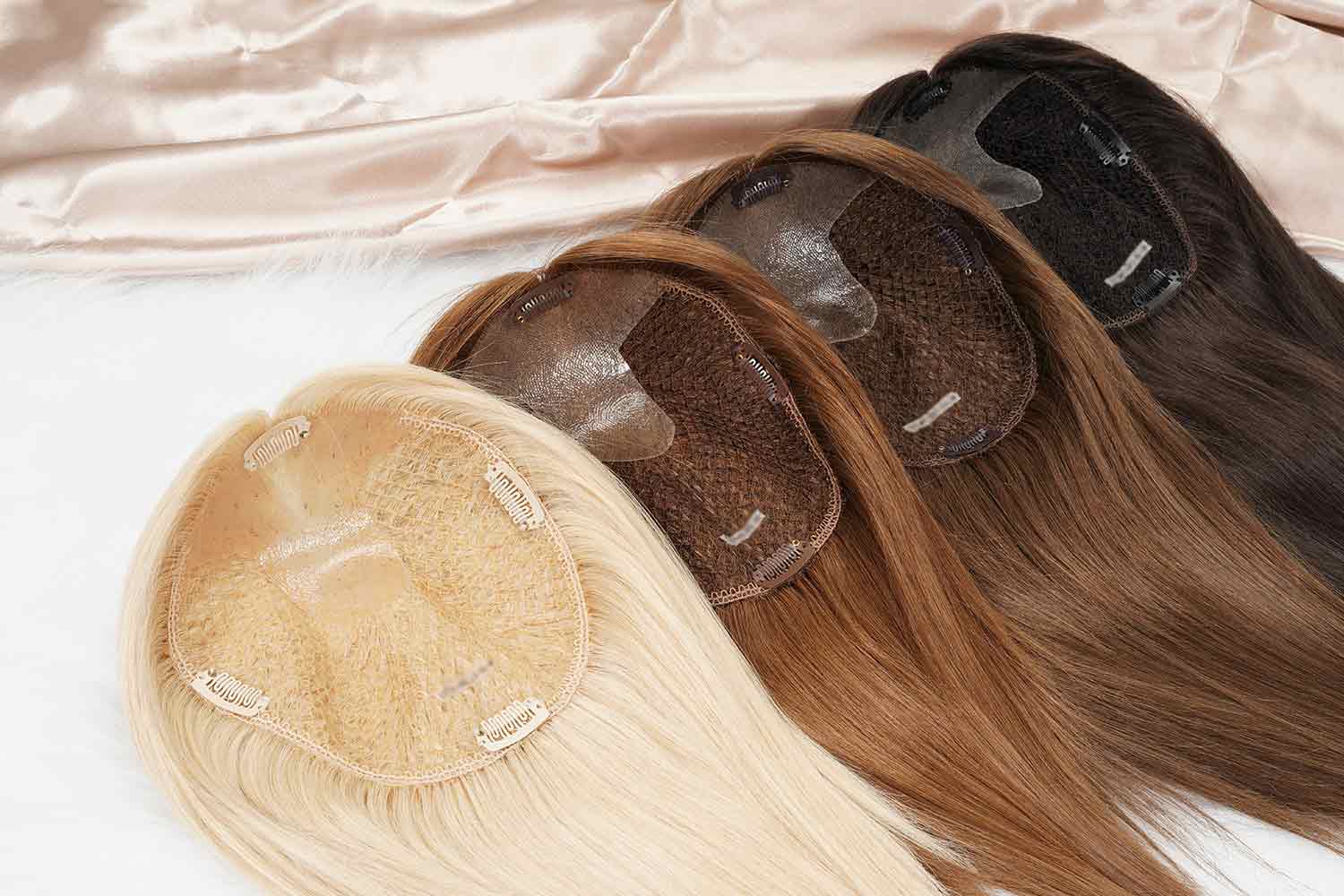


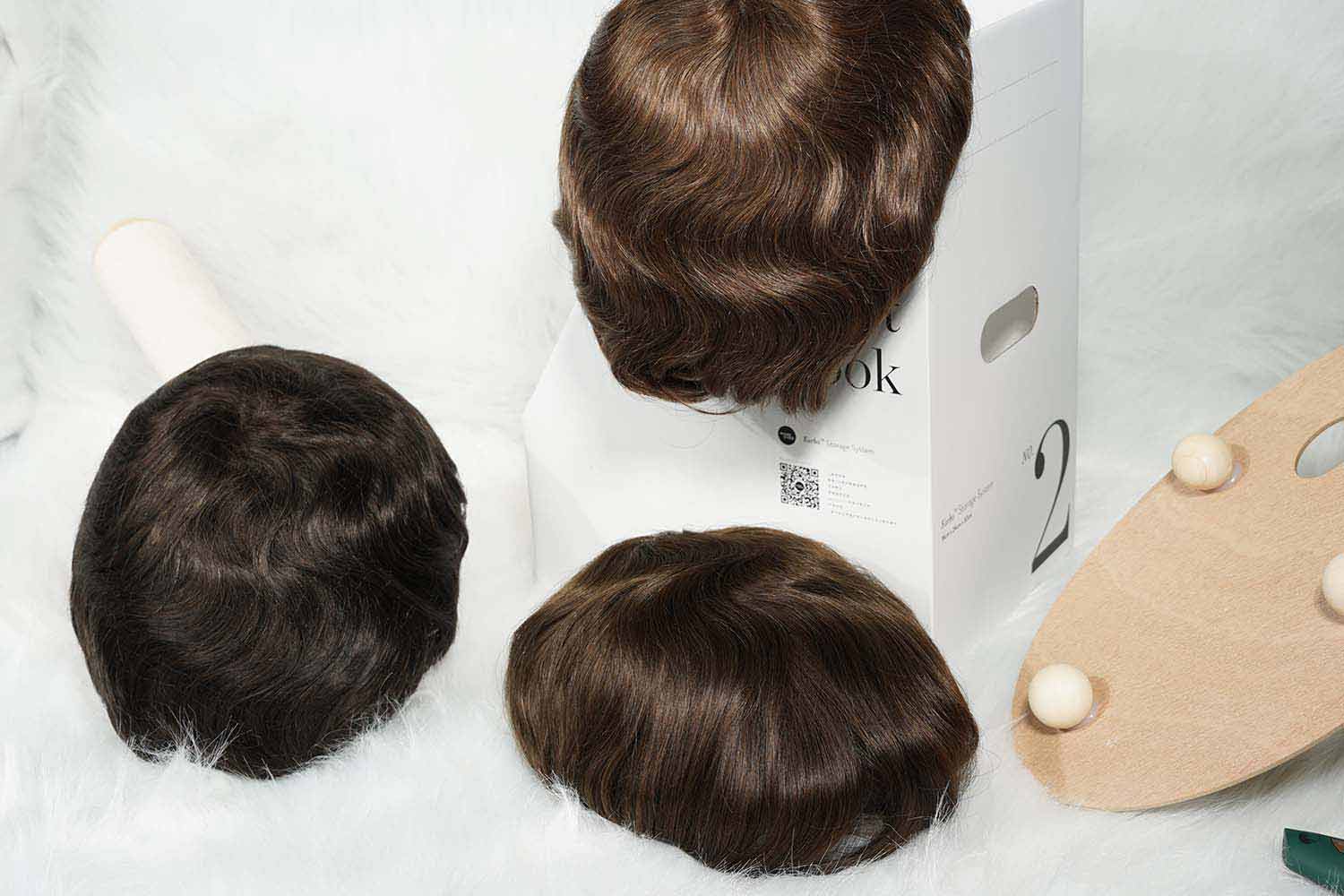




Your sample has arrived.
The hair looks good, the base matches the specifications, and the supplier delivered it when they said they would.
Is that enough to place a larger order?
Not necessarily.
A good sample can show that a supplier is capable of making the system you need. But it doesn’t tell you whether they can maintain the same quality across future orders, handle problems when they happen, or keep up as your business grows.
That’s why supplier evaluation shouldn’t end when the sample arrives.
Where this article fits in the supplier sourcing process:
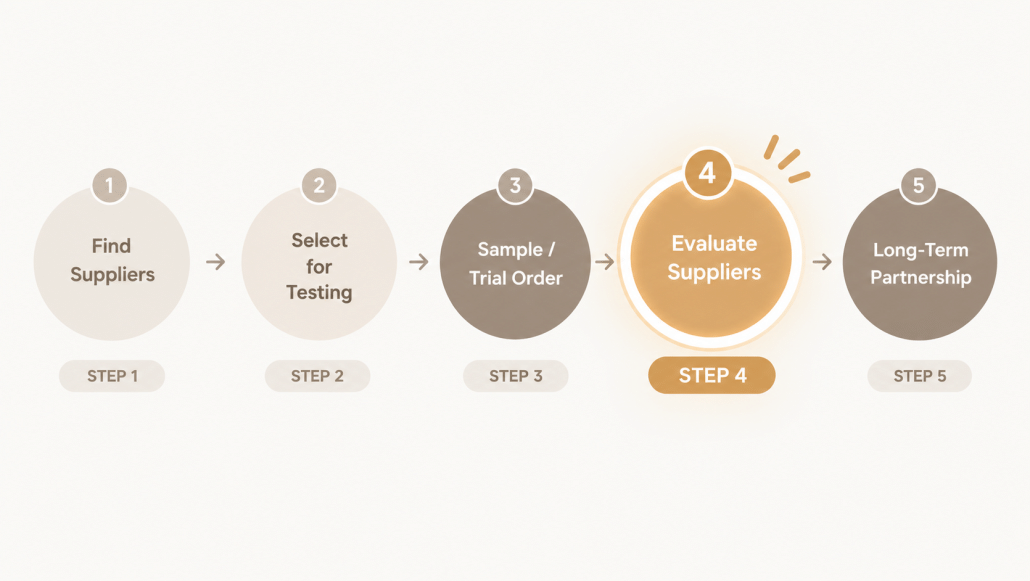
This article focuses on the EVALUATE stage: using your actual experience with a supplier to decide whether the relationship is worth continuing and developing over time.
If you’re still comparing suppliers and haven’t placed a test order yet, start with our guides on choosing a wholesale men’s hair system supplier to test.
Key Takeaways
A practical path for evaluating a wholesale men’s hair system supplier:
Check what you ordered → Inspect the product → Test it in use → Get client feedback → Track delivery → Check consistency → Test problem-solving → Calculate the real cost → Assess future fit → Review the evidence.
Step 1. Start With What You Actually Ordered
Did they make what I ordered?
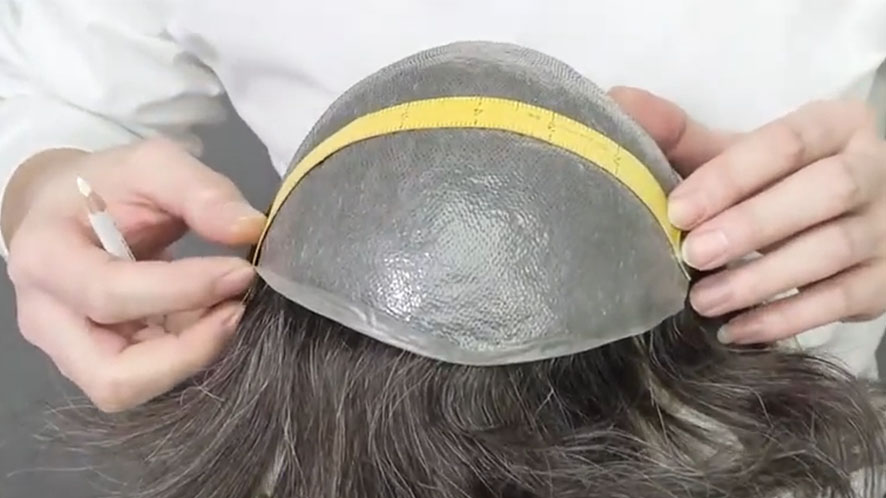
Compare the finished product with the specifications you and your supplier agreed on before production.
Depending on the system, check things such as:
-
Base design
-
Base size and material
-
Hair color and gray percentage
-
Hair density
-
Ventilation, especially around the hairline
-
Hair length and curl
-
Hair direction
-
Front contour
-
Other customization requirements
For example, if you ordered a 100% density system and the actual density is noticeably lower, that’s a supplier performance issue.
If you ordered 90% density and simply decide after receiving it that you prefer a fuller look, that’s different.
This first check tells you whether the supplier can turn an agreed specification into an actual product.
Step 2. Evaluate the Actual Hair System
Is the product good?

Once you’ve confirmed that the supplier delivered what you ordered, look more closely at the product itself.
Check the Hair
Look at the hair beyond its first impression.
Pay attention to:
-
Texture and feel: Does the hair feel reasonably soft and natural for the hair type you ordered?
-
Shedding: A small amount of shedding can happen during normal handling, but noticeable or excessive shedding is worth investigating.
-
Tangling: Check whether the hair tangles excessively or becomes difficult to manage with normal care.
Check the Base
Depending on the construction, check:
-
Skin base Is the PU base made to the requested thickness without noticeably weak or uneven areas?
-
Edge finishing and contours: Are the edges smooth, even, and cleanly finished?
-
PU integration: On hybrid bases, is the connection between the PU and lace or mono clean and secure?
Check Density, Ventilation, and Color
For density, check whether the density is even across the system. If you requested different densities for specific areas, check whether the density changes are correctly applied.
For ventilation, look for obvious gaps, crowded areas, loose knots, or noticeably uneven hair placement.
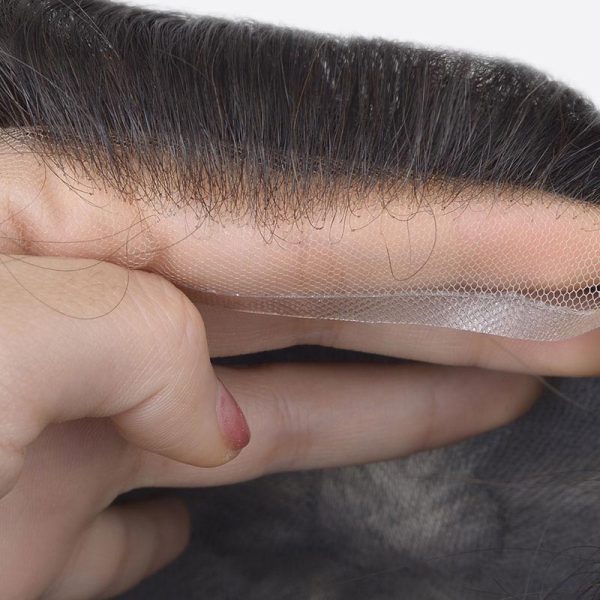
Pay extra attention to the front hairline. High-quality systems feature single hair, single knots on hairline (V-loop on skin), a natural non-straight contour, and—for lace bases—cleanly bleached knots without dark spots or root damage.
For color, compare the actual hair with the color and gray percentage you ordered. Two systems with the same stated gray percentage can still look different if the gray hair is distributed differently.
If you’re unsure how to choose the right gray hair color, see our guide on how to choose the right gray hair color for a men’s hair system.
The goal is to determine whether the product meets the standard you need.
Step 3. Test the Product in Real Use
Does it perform in real use?

A sample inspection tells you a lot, but actual use can reveal problems you won’t notice during a basic check.
If possible, evaluate the system at two important points: during installation and when the client returns for a refit.
During installation, pay attention to how the system behaves while you are working with it.
-
Does the hair shed more than expected during cutting, styling, or installation?
-
Does the hair break easily when brushing or styling?
-
Does the base handle normal installation without unusual stretching, tearing, or other problems?
-
Does the adhesive bond properly and stay secure during installation?
A few loose hairs or minor breakage can happen during normal handling. What matters is whether you see an unusual amount or a pattern that you would not normally expect.
The refit gives you a chance to see how the system has held up after actual wear.
First, check the condition of the system before cleaning. Look for excessive shedding, tangling, dryness, color changes, base damage, or other problems that have developed during use.
Then clean and condition the hair as you normally would during a refit. After washing and conditioning, check how the hair feels and behaves. Does it return to a reasonable texture, or does it remain unusually dry, rough, tangled, or difficult to style?
This is particularly important when evaluating durability. A supplier may provide an expected lifespan, but what matters to your business is whether your clients actually get a similar lifespan under normal use.
Step 4. Ask What Your Clients Think
Do my clients accept it?

For a B2B buyer, your own opinion is only part of the evaluation.
Your clients are the people actually wearing the systems, so their feedback can reveal problems that aren’t obvious when you inspect a new unit.
Ask:
-
Do they like the overall appearance?
-
Is the system comfortable during actual wear?
-
Are they satisfied with the hairline and density?
-
Do they report shedding or tangling?
-
Does the system hold up as expected?
-
Are complaints becoming a pattern?
-
Are clients willing to order the same system again?
For a salon or hair replacement professional, this feedback may come directly from the chair during maintenance appointments.
For an online seller, returns, reviews, repeat purchases, and client service requests can provide similar information.
Your clients’ experience is part of your supplier evaluation.
Step 5. Compare Promised Lead Times With Actual Delivery
Can they deliver when promised?

Keep track of:
-
Promised production time
-
Actual production time
-
Dispatch date
-
Shipping time
-
Final delivery date
-
Delays
One late order doesn’t automatically tell you much. Production problems, material shortages, and shipping disruptions can happen.
What matters more is whether delays become a pattern and how the supplier communicates when they happen.
If a supplier tells you about a delay in advance, explains the situation, and gives you a realistic new delivery date, that’s very different from finding out only after you ask why your order hasn’t shipped.
Over time, you’re looking for predictability.
If you can’t reasonably estimate when your orders will arrive, planning inventory and serving your own clients becomes much harder.
Step 6. Watch for Consistency Across Multiple Orders
Can they repeat the same standard?
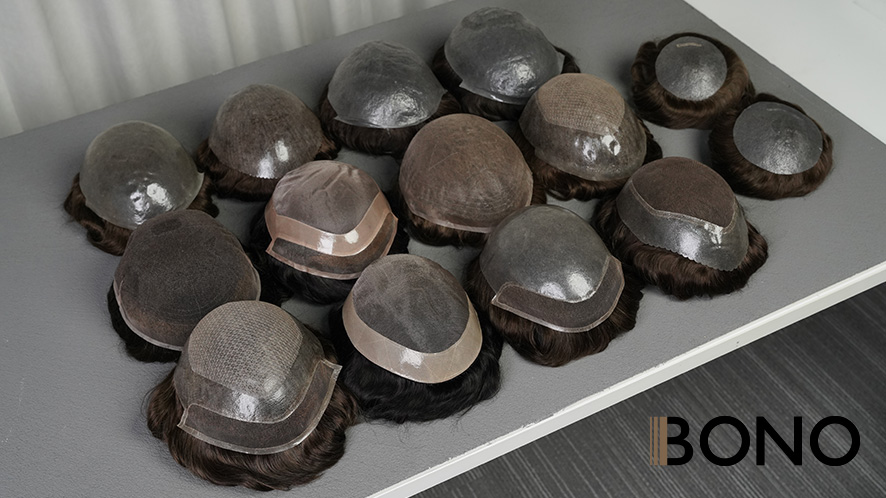
This is where supplier evaluation becomes much more meaningful.
One sample tells you:
Can this supplier make the product I need?
Several orders tell you:
Can they keep making it to the same standard?
Compare what happens across:
Sample → First Order → Repeat Orders
For hair systems, pay particular attention to whether specifications, density, color, base construction, and overall workmanship remain consistent from one order to the next.
Keep a simple record of each order. You don’t need a complicated procurement system. Just record what was promised, what you actually received, and any problems that occurred.
After several orders, you’ll have real evidence instead of relying on your memory.
Step 7. Evaluate Communication and Problem-Solving
What happens when something goes wrong?

No supplier is likely to have a completely problem-free record forever.
The more useful question is:
What happens when something goes wrong?
Suppose an order arrives with the wrong specification, or a client reports a problem after using the system. Look at whether the supplier:
-
Responds quickly
-
Understands what went wrong
-
Takes responsibility when appropriate
-
Offers a practical solution
-
Provides useful support
-
Follows through
-
Prevents the same problem from happening repeatedly
You may need support with:
-
Product specifications
-
Maintenance questions
-
Client complaints
-
Remakes or replacements
-
Future orders
Good after-sales support is not just about having someone to contact. It’s about whether you can actually get useful help when you need it.
A supplier may have excellent products, but if every problem takes days to resolve or you can’t get a clear answer, that will eventually affect your own clients.
Over several orders, you’ll start to see a pattern: when problems occur, does the supplier help you resolve them, or do the same issues keep coming back?
Step 8. Look at the Real Cost of Working With the Supplier
What does this supplier actually cost my business?
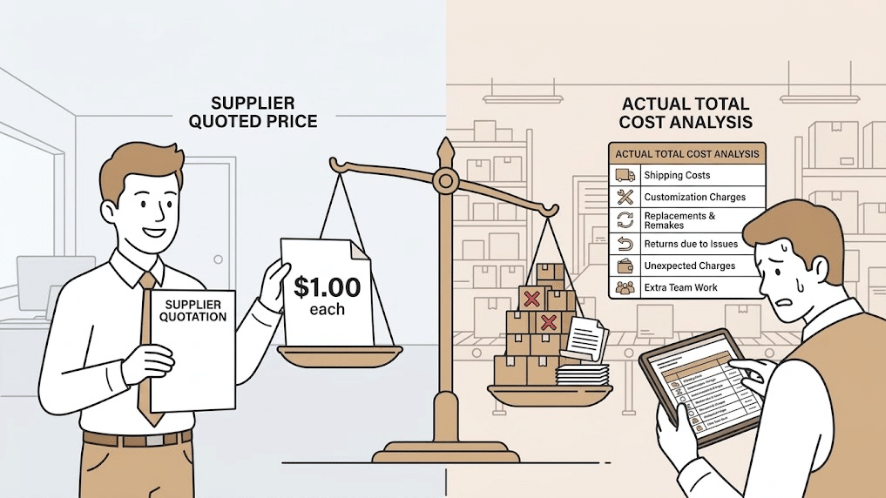
After several orders, you can also compare the supplier’s quoted price with your actual cost of working with them.
Consider more than the unit price:
-
Shipping costs
-
Customization charges
-
Replacements or remakes
-
Returns caused by product issues
-
Unexpected charges
This doesn’t mean the supplier with the lowest total cost is automatically the right choice.
The point is to understand what the supplier actually costs your business once you include the problems and extra work that may not appear on the original quotation.
For example, a lower unit price may not be as meaningful if frequent quality issues lead to remakes, replacements, client complaints, or extra work for your team.
Look at the cost of the relationship, not just the number on the quotation.
Step 9. Can the Supplier Support Your Business as It Grows?
Can they still work for my business as my needs change?
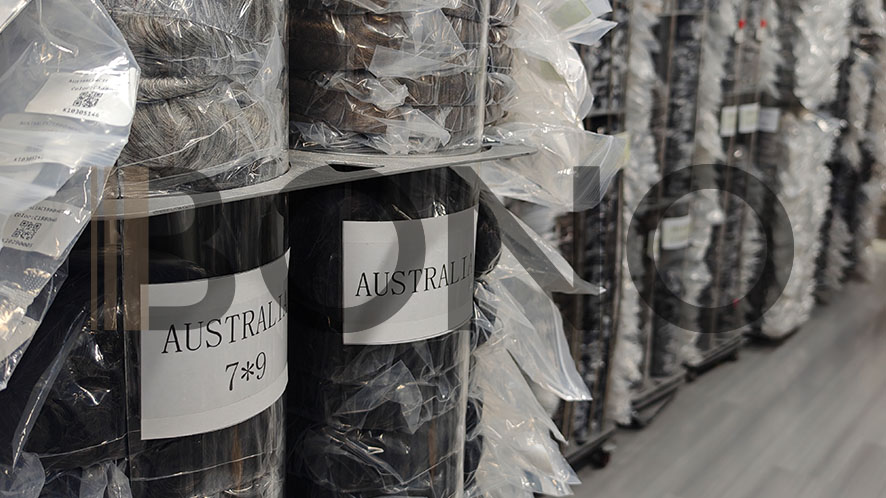
A supplier may work well for a small test order and struggle once your order volume increases.
By this point, you have actual experience to work with.
Find out:
-
Can they handle larger orders without a noticeable drop in quality?
-
Can they keep supplying your popular specifications?
-
Can they handle more customization as your requirements become more specific?
-
Can they replenish stock at a reasonable pace?
-
Can they manage more SKUs if your product range expands?
For example, a supplier may handle a 10-piece order very well but struggle to maintain the same accuracy when you start ordering 100 pieces.
If you’re looking for a long-term relationship, the question is:
Can they continue to work well for my business as my requirements change?
Step 10. Review the Supplier as a Whole
Review the evidence
After several orders, step back and review the supplier based on what actually matters to your business.
A simple evaluation table can help you compare what was promised with what actually happened:
| What to check | What to record | |
| Specification | Was the system made to the agreed specifications? | Deviations or recurring errors |
| Product quality | Hair, base, ventilation, density, and workmanship | Defects or quality concerns |
| Real-world use | Installation, wear, washing, and refit | Performance issues |
| Delivery | Promised vs. actual production and delivery time | Delays and lead-time patterns |
| Consistency | Quality and accuracy across repeat orders | Recurring differences |
| Communication | Response time and clarity | Communication problems |
| Problem-solving | How issues are handled | Resolution time and outcome |
| After-sales | Support after delivery | Unresolved issues |
| Actual cost | Product, shipping, remake, and other costs | Unexpected charges |
| Capacity | Ability to handle larger or more complex orders | Changes in quality or lead time |
Don’t give every category the same importance.
A salon may care most about product specification accuracy, customization, and client satisfaction. A distributor may put more weight on consistency, capacity, pricing, and delivery.
The purpose of the table isn‘t to produce a perfect score. It’s to make patterns easier to see across multiple orders.
What the Evidence May Tell You
You don’t need a complicated scoring system to decide what to do next.
- Keep testing if the initial product meets your requirements but you don’t yet have enough repeat-order experience to judge consistency.
- Build the relationship further when product quality and specifications remain consistent across orders, delivery is predictable, problems are handled effectively, and the supplier continues to fit your business needs.
- Reconsider the supplier when the same quality or specification problems keep recurring, delivery remains unpredictable, or problems are repeatedly left unresolved.
The key is to look at the pattern over time, rather than making a decision based on one good sample or one bad order.
One More Consideration: Keep a Backup Supplier
Even after you’ve found a supplier you trust, depending entirely on one source can create supply risk.
That’s why it can make sense to keep a qualified backup supplier.
They don’t need to receive the same order volume as your primary supplier. The important thing is to know who you can turn to if your normal supply is disrupted.
Final Takeaway
Evaluating a wholesale men’s hair system supplier is about more than checking whether the first sample looks good.
Start by checking whether the supplier delivered what you actually ordered. Then evaluate the product in real use, listen to your clients, and compare promised delivery times with what actually happened.
As you place more orders, pay attention to consistency. More importantly, watch what happens when something goes wrong.
A sample can tell you what a supplier can make.
Real orders tell you what they can repeat.
And your experience over time tells you whether they can keep supporting your business.
That’s the evidence you need before turning a supplier you’ve tested into a supplier you rely on.