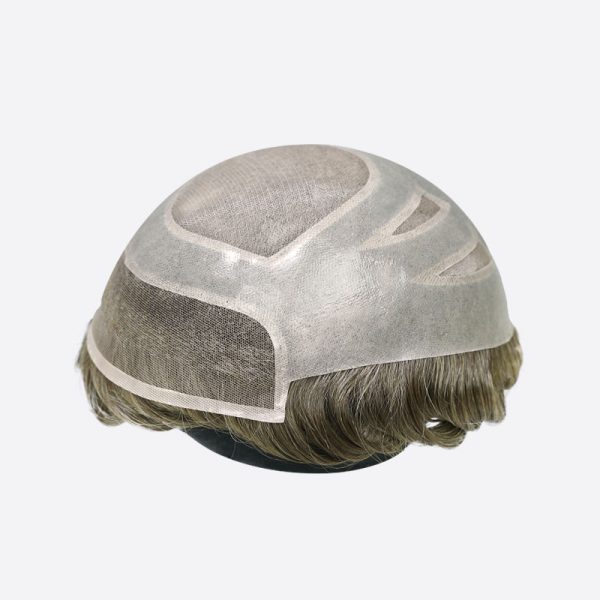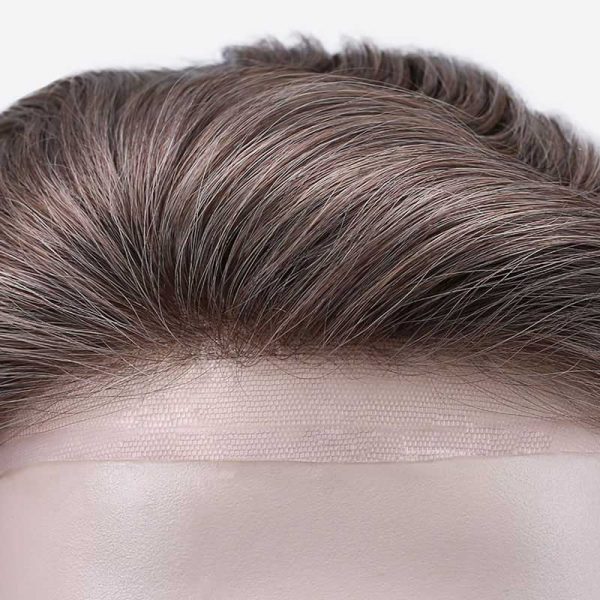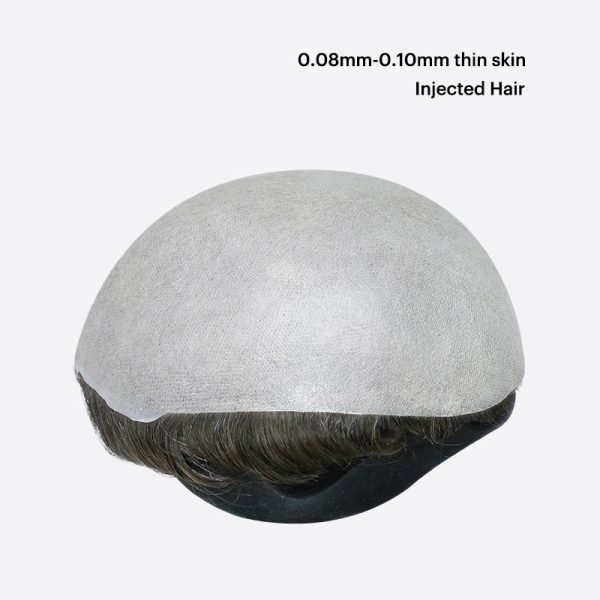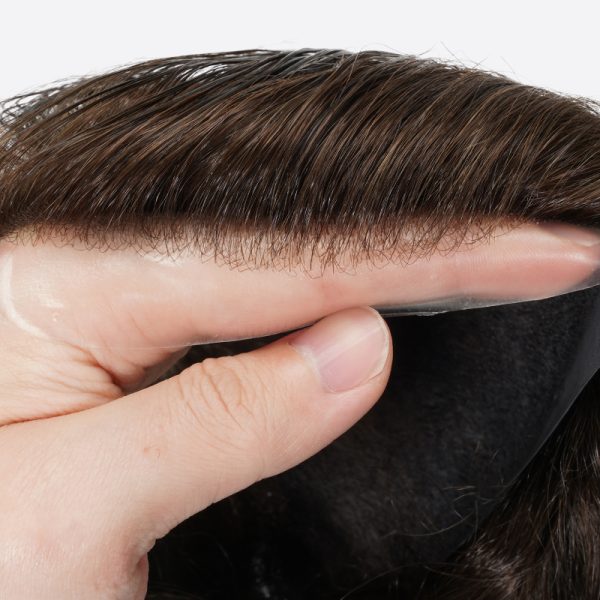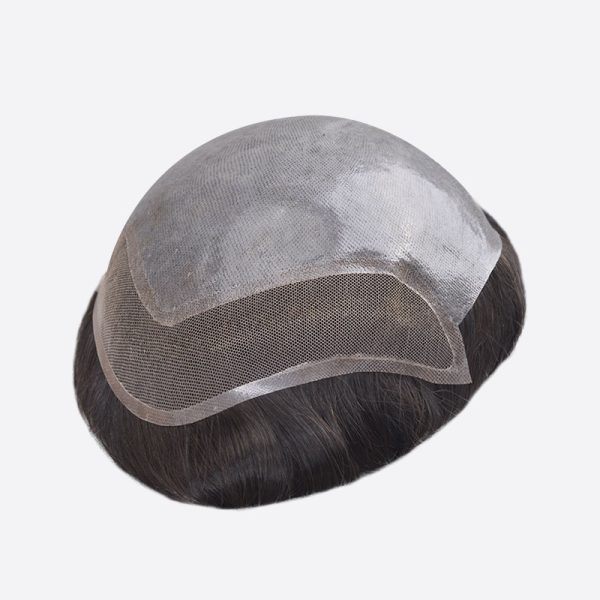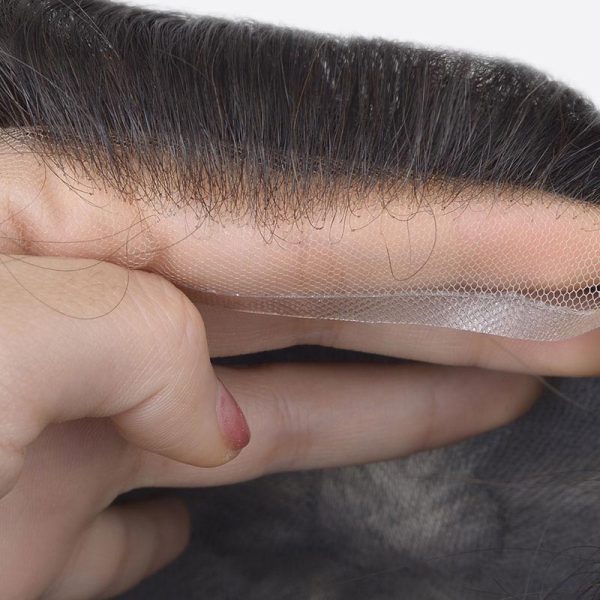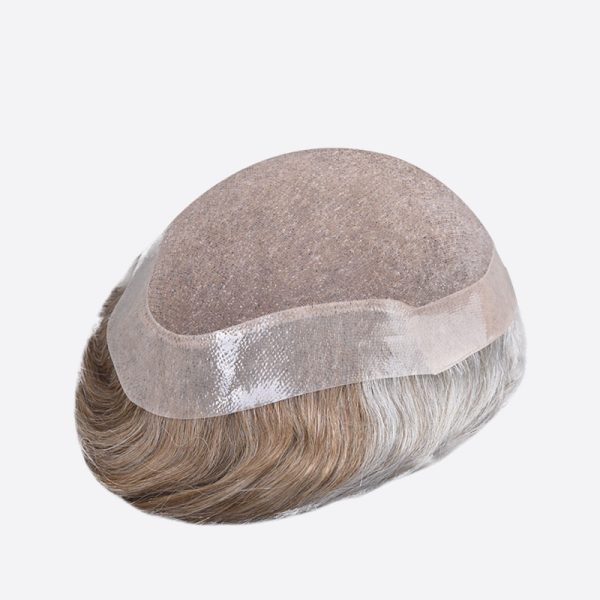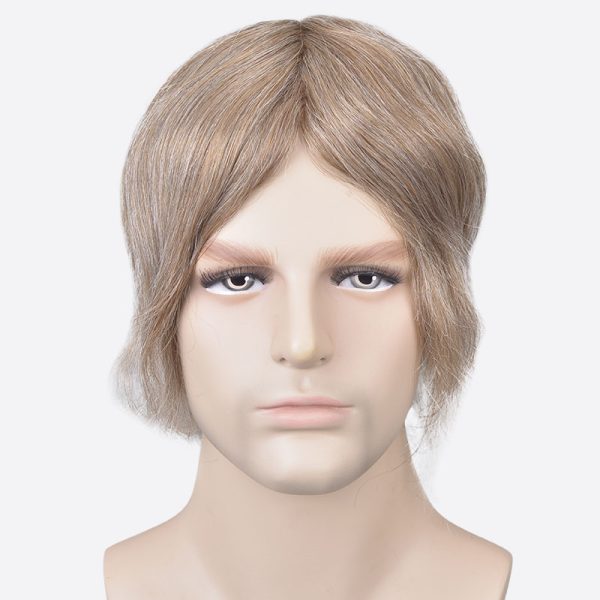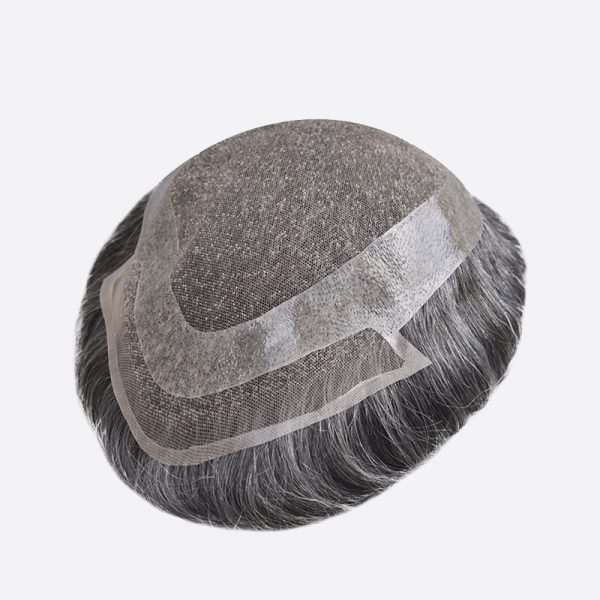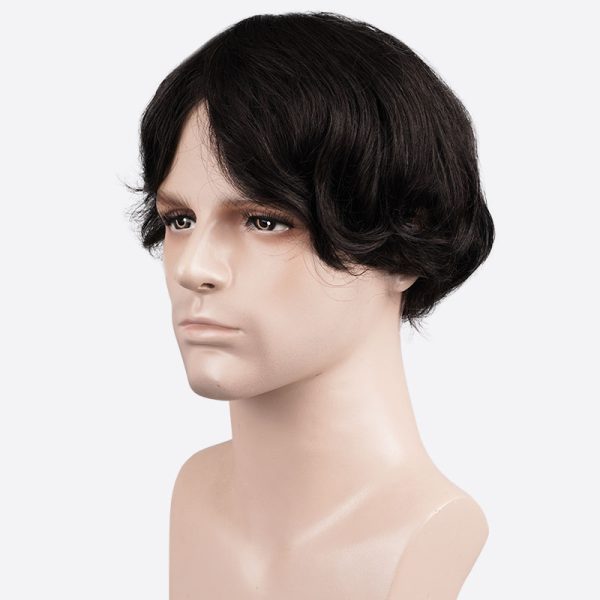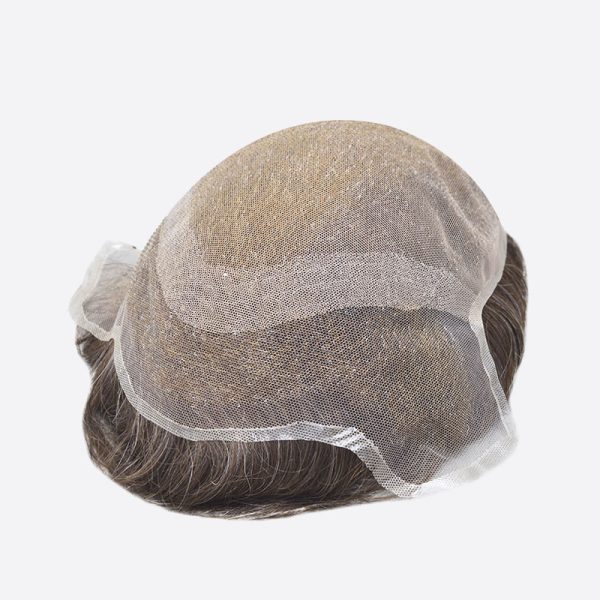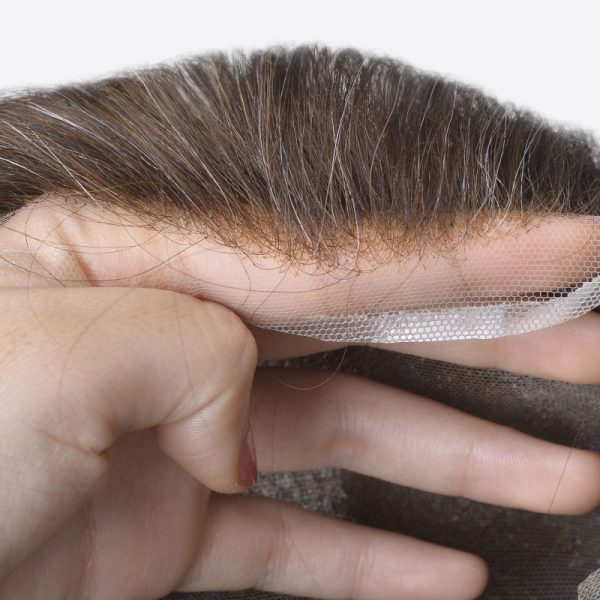













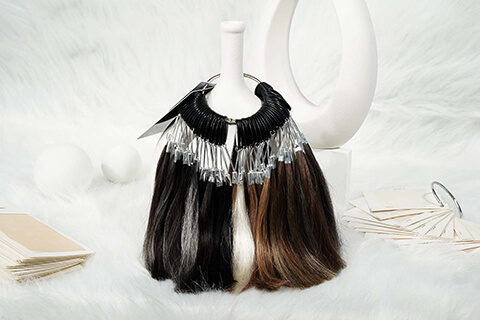


Gray percentage is usually the first thing professionals consider when ordering a gray hair system. A lower percentage creates a subtle blend, while a higher percentage creates a more visible salt-and-pepper appearance.
But choosing the right gray percentage is not only about selecting a number.
A 20% gray hair system can look natural on one client and completely different on another. The final result depends on the client’s base color, remaining hair around the sides and back, and how the gray is distributed throughout the system.
For salons and hair replacement professionals, the goal is not simply to choose a gray percentage. It is to select a blend that matches the client’s current appearance and remains practical for future reorders.
Key Takeaways
-
Gray percentage is a starting point, not a fixed rule.
-
Age can help estimate a suitable range, but the client’s bio hair pattern should guide the final choice.
-
Gray distribution matters as much as the percentage. The same amount of gray can look different depending on where the gray strands are placed.
-
For closer matching, zonal gray customization can create a more natural blend.
-
Clear communication with the manufacturer is essential for custom gray blending. Providing details about gray percentage, gray hair type, and distribution can lead to a more accurate result.
What Do Different Gray Hair Percentages Look Like in a Men’s Hair System?
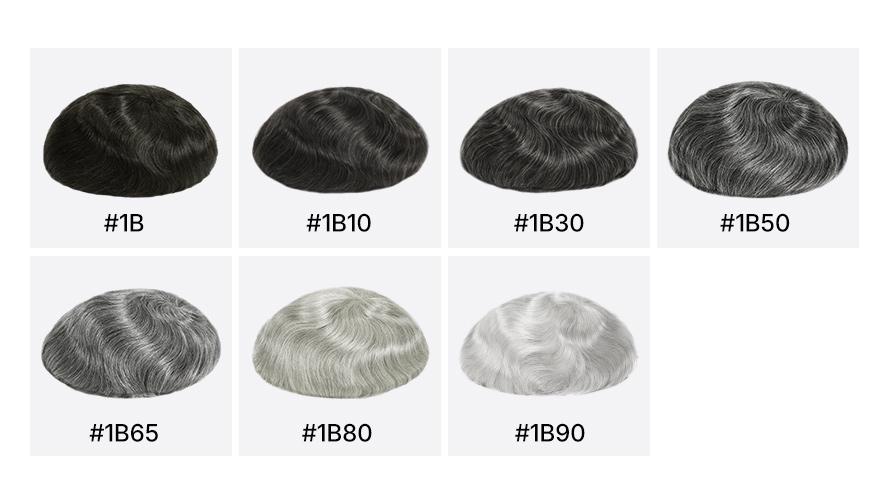
A perfect color match is not just about choosing a gray percentage. A client’s natural gray hair is rarely distributed evenly — the temples, sides, and top may all show different levels of gray.
Understanding how each gray percentage looks in a men’s hair system is the first step to creating a natural blend.
-
A Touch of Gray (5–20% Gray)
Visual Effect
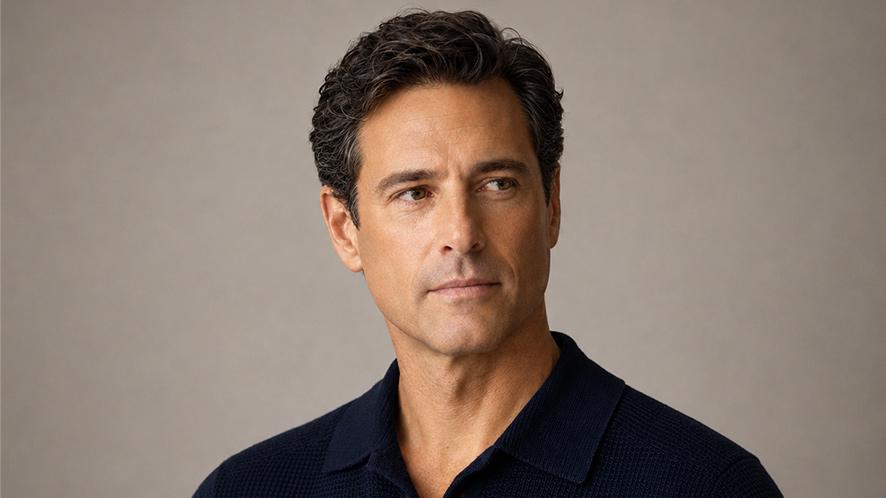
A 5–20% gray hair system creates a very light transition. It keeps the original hair color as the main focus, with only a small amount of gray strands blended throughout.
The result is subtle and natural. The gray is usually not very noticeale from a distance, but it adds slight color variation that helps avoid an overly solid or artificial-looking appearance.
This range works well when the goal is to maintain a mostly natural hair color while adding a small amount of gray for a more realistic look.
Best Match
This range is suitable for clients who have just started developing gray strands in their natural hair.
For salons and hair replacement professionals, it is a good option when the client’s sides and temples are still mostly dark but have a few visible gray hairs that need to be blended.
-
Salt-and-Pepper with More Pepper (30–40% Gray)

Visual Effect
At 30–40% gray, gray strands become clearly visible, but darker strands still dominate the overall appearance.
This creates a natural salt-and-pepper effect with a stronger dark base. The contrast between gray and darker strands adds texture and depth while keeping the hairstyle from looking heavily gray.
Best Match
This is one of the most common choices for clients whose natural hair has visible gray but still maintains a darker overall tone.
For hair replacement professionals, it is often suitable when matching clients with gray appearing around the temples, sides, or scattered throughout the natural hair.
-
Salt-and-Pepper with More Salt (50–65% Gray)

Visual Effect
When gray reaches 50–65%, the balance between gray and darker strands becomes much more noticeable.
Compared with a lighter salt-and-pepper blend, this range creates a stronger gray presence while still keeping enough darker strands to maintain natural depth and dimension. The overall appearance is more mature and distinguished, but it still looks like a natural blend rather than a fully gray hairstyle.
Best Match
This range is a good match for clients whose natural hair already contains a significant amount of gray. It is also suitable for clients who prefer a more mature salt-and-pepper appearance while still wanting some darker tones remaining in the hairstyle.
-
Mostly Gray (80% Gray)
Visual Effect
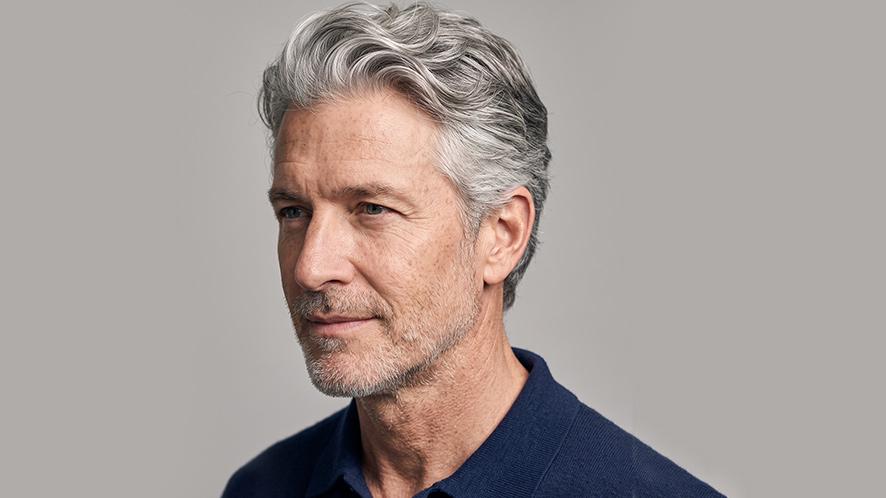
At 80% gray, gray and silver strands become the dominant part of the hair system, while a small amount of darker strands remains to create contrast and depth.
Compared with 50–65% gray, this range has a softer contrast and a more gray-dominant appearance.
Best Match
This option is suitable for clients whose natural hair is already mostly gray but still has some darker strands remaining.
For salons, the key consideration is whether the hair system can blend naturally with the client’s existing bio hair, especially the sides and back.
-
Predominantly Gray / White (90–100% Gray)

Visual Effect
At 90–100% gray, the hair system appears almost completely silver or white, with very little darker pigment remaining.
Since there are fewer darker strands to create contrast, factors such as hair density, texture, and base design become more important for achieving a natural result.
Best Match
This range is designed for clients whose natural hair has become almost completely white or silver.
Quick Guide: How Different Gray Percentages Look in a Hair System
| Tier | Gray Percentage | How It Looks |
| A Touch of Gray | 5–20% | Mostly the original hair color with a subtle amount of gray blended in |
| Salt-and-Pepper with More Pepper | 30–40% | Darker strands dominate with a visible salt-and-pepper blend |
| Salt-and-Pepper with More Salt | 50–65% | Gray strands become more prominent while darker strands maintain natural depth |
| Mostly Gray | 80% | Gray and silver strands dominate, with some darker strands remaining |
| Predominantly Gray / White | 90–100% | Almost entirely sliver or white |
Can Age Help Determine the Right Gray Percentage?
Age can provide a practical starting reference, but it should never be treated as a fixed formula.
The ranges below are ONLY general guidelines.
| Client age range | Common starting reference | Consultation notes |
| 30s | Around 5–20% gray | Usually focuses on subtle gray blending. Gray often appears first around the temples or sides. |
| 40s | Around 10–30% gray | A natural blend is often more important than simply adding more gray. Check the client’s sides and temple areas carefully. |
| 50s | Around 30–50% gray | Salt-and-pepper blends become more common, but the actual gray percentage can vary significantly between clients. |
| 60s and above | Around 50–80%+ gray | Many clients may need a more gray-dominant look, but the remaining natural hair should still be the final reference. |
Clients of the same age can have very different levels of gray hair, so the final choice should always be based on their existing bio hair.
Why Gray Percentage Alone Does Not Always Create a Natural Result
A gray percentage tells you how much gray is in the system, but not where the gray appears.
This difference matters.
Natural gray rarely develops as an even percentage across the entire head. It often appears differently between the temples, crown, and back.
Use the 3-Zone Method for More Accurate Gray Blending
An overall gray percentage may be enough for standard orders, but when a client needs a more accurate match to his existing hair pattern, the gray distribution becomes an important customization factor.
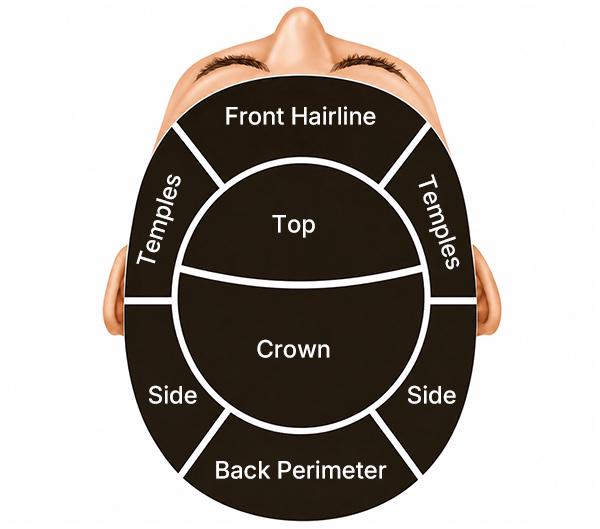
For custom gray blending, it helps to divide the system into three main zones:
-
Temples and Front Hairline: Often one of the first visible areas where gray appears.
-
Side and Back Perimeter: Important areas for blending because they connect directly with remaining natural hair.
-
Crown and Top: May have a different level of gray compared with the front area.
Zone 1. Temples and Front Hairline
Although the front hairline and temple areas are usually covered by the system, they still influence the overall color impression.
As the most visible parts of the hair system and usually the first area people notice, the gray percentage in these areas should match your client’s natural hair color pattern, helping the whole system look more natural.
Zone 2. Side and Back Perimeter
The side and back perimeter are important connection areas because they blend directly with the client’s existing hair.

Matching these areas carefully can improve the overall transition from the hair system to the natural hair, especially when the client keeps visible hair around the sides and back.
Tip for Gray in Stock Hair Systems:
If your client chooses a stock hair system, prioritize matching the gray percentage around the sides and back. Since these areas connect directly with the client’s natural hair, a poor match here can quickly give away the hair system.
Zone 3. Crown and Top
The crown and top area usually covers the largest visible part of the hair system and has a strong influence on the overall color impression. Depending on the client’s natural pattern, this area may require a different gray percentage from the front.
Human Gray vs. Synthetic Gray: Which Should You Choose?
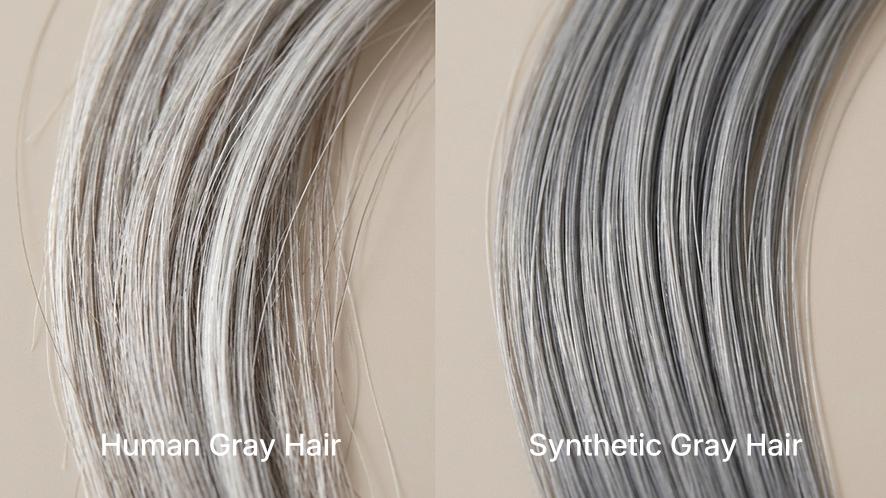
The gray strand material also affects how the system performs over time.
Neither option is automatically better. The right choice depends on the client’s maintenance habits and long-term plan.
Human Gray
Pros
Provides the most natural gray appearance, with better blending, movement, and texture compared with synthetic gray.
Cons
-
Can turn yellow over time due to oxidation and sun exposure, especially with long-term wear or poor maintenance.
-
If the whole system is colored, the human gray will also be affected.
Synthetic Gray
Pros
-
Keeps its gray color more stable over time.
-
If the whole system is colored, the synthetic gray stays unchanged, helping maintain the original gray percentage.
Cons
-
After washing and long-term wear, synthetic gray fibers can become drier and frizzier more easily than human hair.
-
They are generally more difficult to style than human hair.
How to Choose
Choose human gray when the priority is the most natural look and the client wants the gray to blend closely with their bio hair.
Choose synthetic gray when color stability is more important, especially for clients who may need future coloring while keeping a consistent gray percentage.
How to Order a Gray Hair System From a Manufacturer
When placing a custom order, clear communication is the key to getting the result you want. Make sure to provide complete details so the manufacturer can understand your target.
A clearer order request about gray blending should include:
-
Gray hair type (human or synthetic)
-
Main hair color
-
Overall gray percentage
-
Gray distribution by area
For example:
- Gray hair type: Human gray
- Main hair color: #1B
- Overall target: around 30% gray
- Gray distribution:
- Front hairline & temples: 40% gray
- Crown & top: 30% gray
- Side & back perimeter: 20% gray
- Soft transition between zones
This gives the production team a clearer direction and helps create a more natural match with the client’s existing hair.
For custom orders, sending hair samples is highly recommended. If possible, collect samples from different areas, such as the sides, back, and crown, because natural gray distribution is not always the same across the entire head.
For repeat customers, keeping the approved formula, photos, and previous order details can make future replacements much more consistent.
Final Thoughts
Getting the right gray match in a hair system starts with understanding what different percentages look like, but the best results come from looking beyond the number.
Use gray percentage as a starting point, then refine the choice based on the client’s existing hair, expected look, maintenance habits, and future styling needs.
For standard orders, an overall gray percentage may be enough. For clients who need a closer match, adjusting gray distribution by zone can help create a more natural blend.
Clear communication between the salon and hair system manufacturer is what turns a simple percentage into a more accurate and consistent hair system color match.
Frequently Asked Questions
How do you determine the right gray percentage for a hair system?
Start by comparing the wearer’s bio hair, especially the temples, sides, and nape. Age and current gray level can be used as references, but the final choice should follow the client’s natural hair pattern.
Is 30% gray too much for a hair system?
Not necessarily. A 30% gray system can look very natural for clients who already have visible gray in their bio hair. The final result depends on the gray distribution and how well it matches the client’s natural hair pattern.
Can a hair system have different gray percentages in different areas?
Yes. For custom orders, manufacturers can adjust gray distribution between areas such as the temples, sides, crown, and back to better match a client’s natural gray pattern.