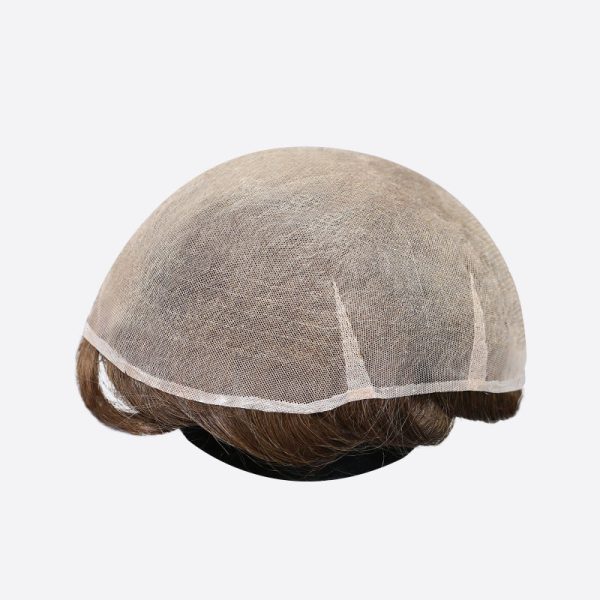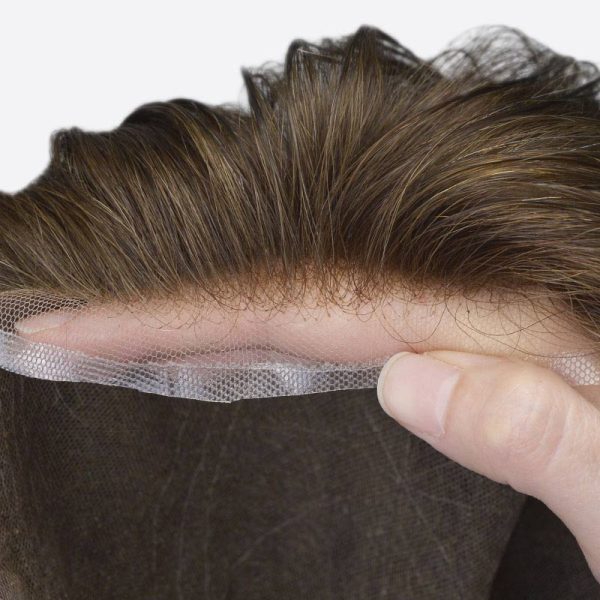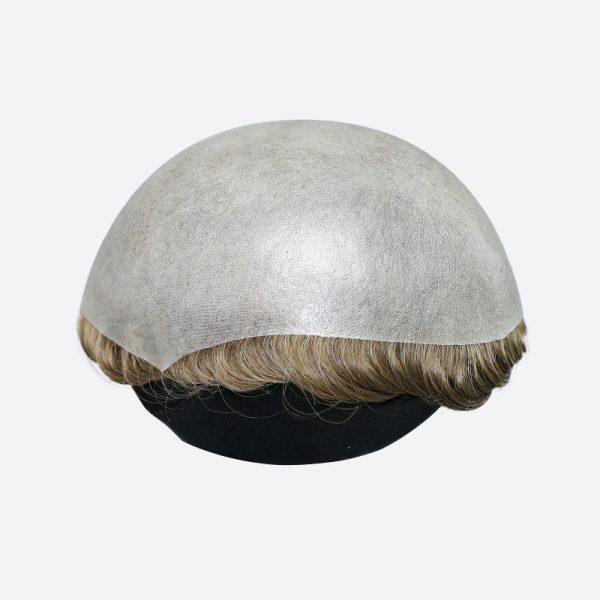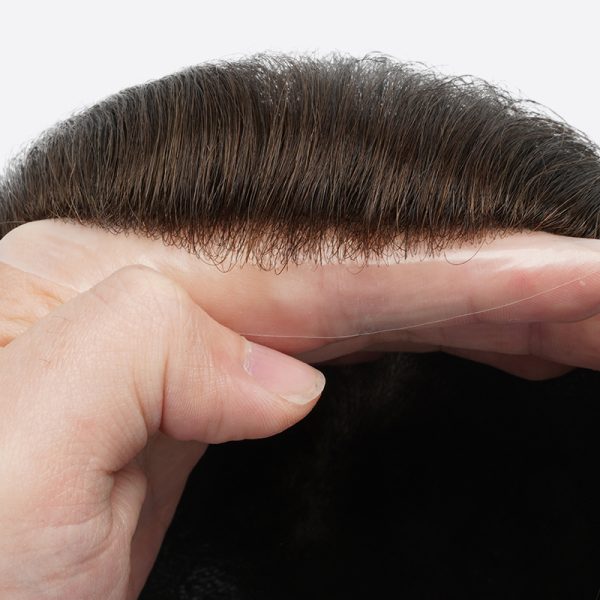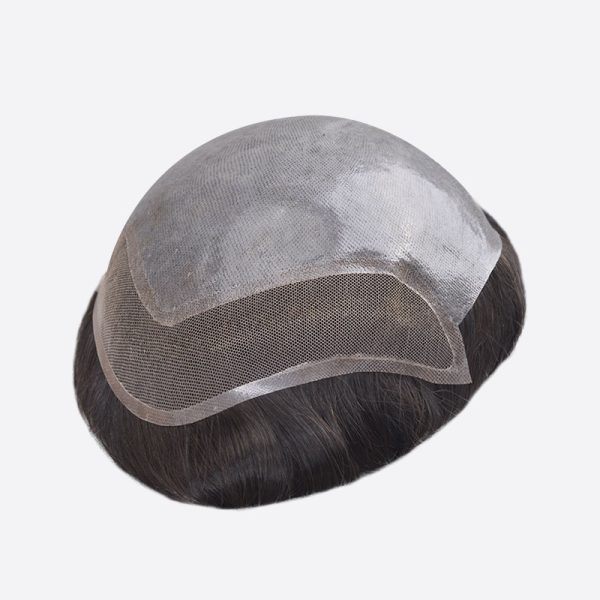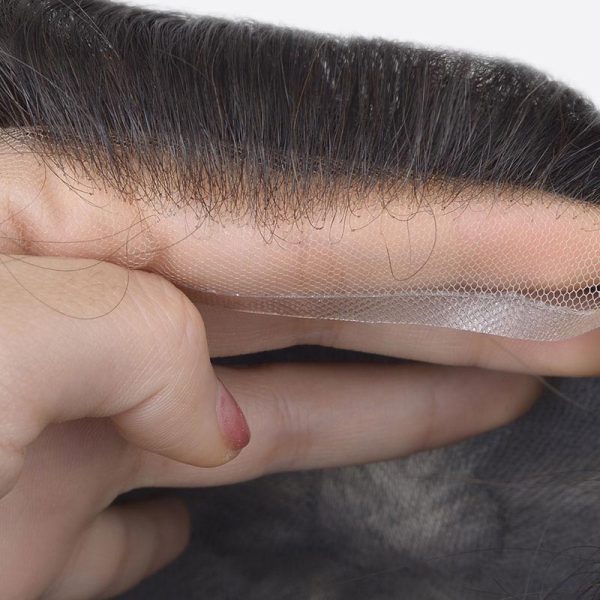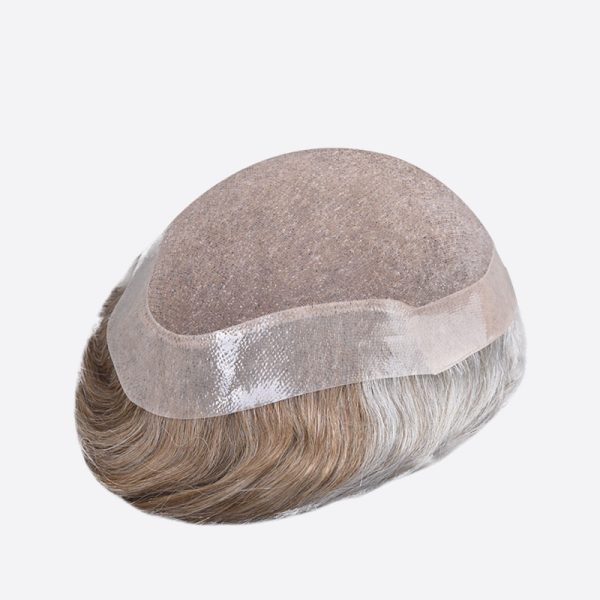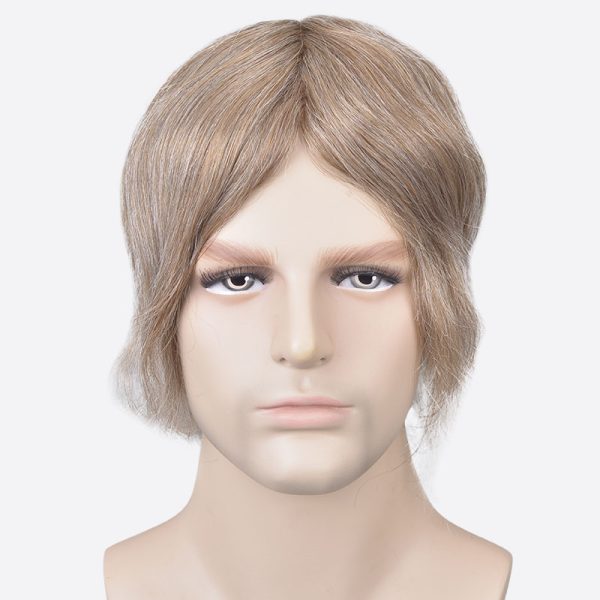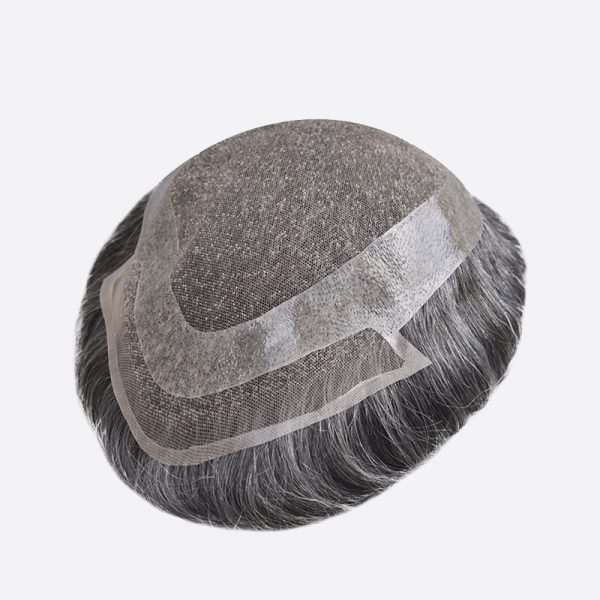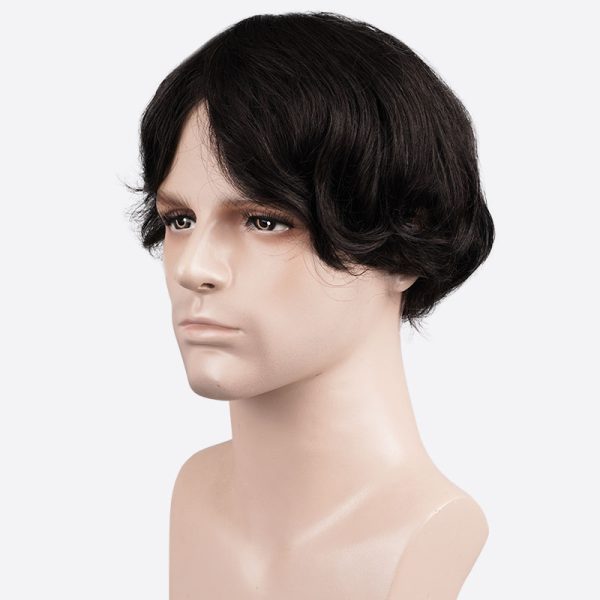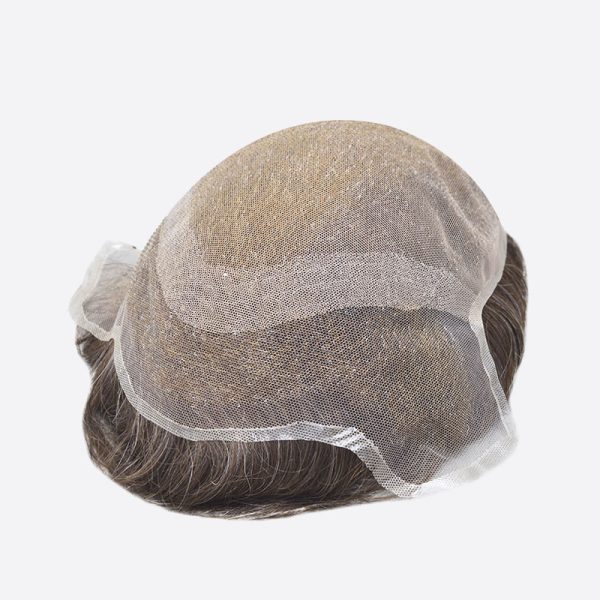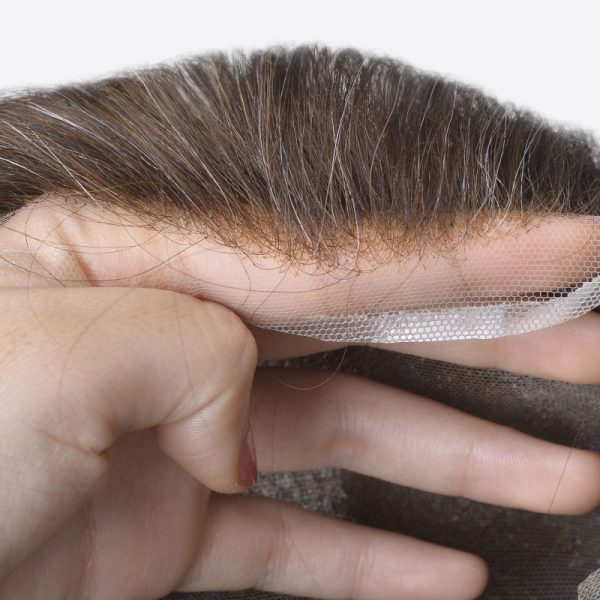















Starting a hair system business doesn’t mean you need piles of stock or a complicated inventory setup anymore. Smart inventory management today means carrying small or no inventory at all.
Make the sale first.
Then, have the hair system made or shipped from your manufacturing partner as the order comes in. This keeps your upfront costs super low and your cash flow totally stable. It’s just a very practical route for brand-new hair system stylists and distributors.
So, how can you start a hair system business without holding inventory? Let’s find out.
Key Takeaways
- You can start a hair system business without holding large amounts of inventory.
- Three practical models: factory stock fulfillment, custom-made systems, and hybrid inventory.
- The right model helps reduce upfront costs, avoid dead stock, and protect cash flow.
- A reliable manufacturing partner is essential for quality, fulfillment, and business growth.
The Reality Check: Why Traditional Stocking is a Barrier
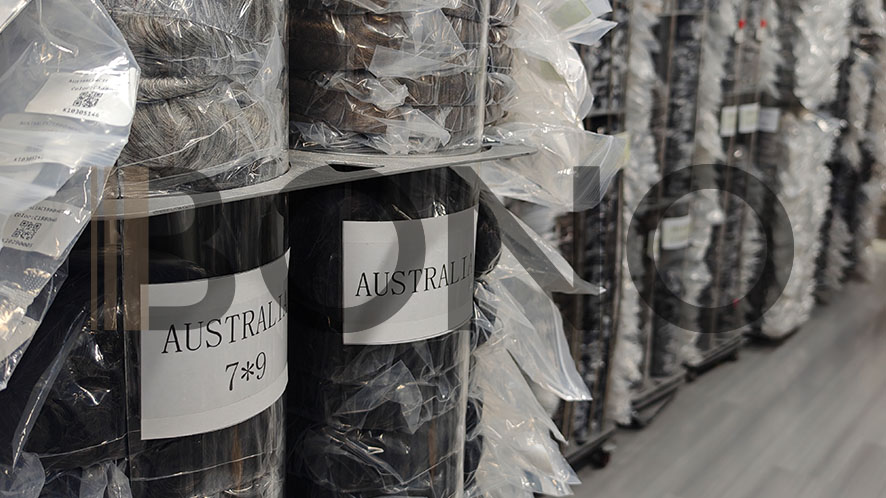
Traditional stocking looks safe on paper. But that initial investment usually ties up your cash way before you sell a unit or book a single install.
Risk No.1: High Upfront Costs
Starting with inventory means you’re buying sizes, colors, and bases before you know what your clients actually need. For new hair replacement businesses, this gap can quickly drain cash flow and creates serious finacial pressure from overhead costs long before your revenue stabilizes.
Risk No.2: Dead Stock
Hair replacement systems are not one-size-fits-all products. If certain bases, colors, or specifications don’t match your clients’ needs, those units can sit unused for months and become tied-up capital. Changing trends and shifting customer preferences can make leftover inventory even harder to sell.
So, in terms of traditional stock mode, the real issue isn’t demand. It’s having to pay for inventory long before the sales come in. That’s exactly why more hair replacement professionals are turning to inventory-free business models.
How the Inventory-Free Hair System Business Model Works
Going inventory-free doesn’t mean you never work with physical hair systems. It means changing when and how you invest in stocks. Instead of buying products upfront and hoping they sell, you match your inventory strategy with actual customer needs.
For most new hair replacement businesses, there are three practical approaches: using factory stock when needed, ordering custom-made systems based on comfirmed orders, or keeping a small amount of carefully selected inventory based on market demand and sales potential.
Path 1: Factory Stock Fulfillment Model (Leveraging Supplier Inventory)
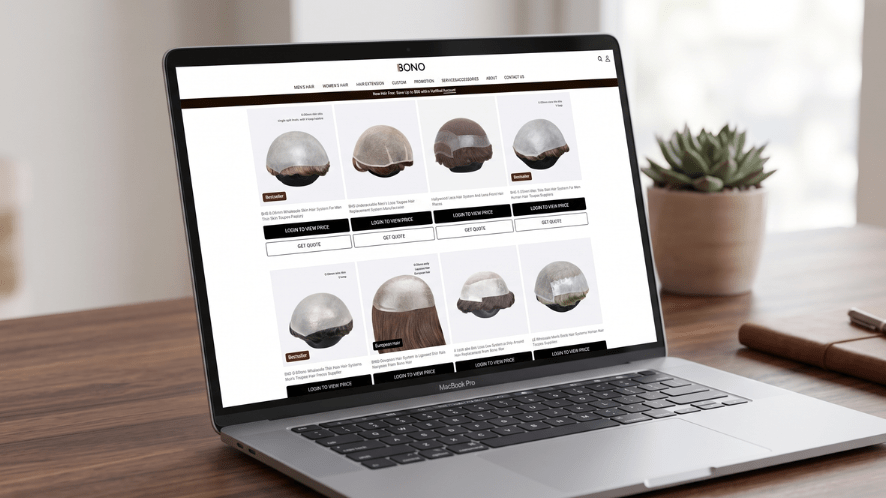
Stock-to-order completely changes the timing game. You are not holding any units. Instead, you just tap into a manufacturer’s live stock and fulfill everything in real time.
The exact workflow depends on how you sell. A salon-based business and an online hair system store may use the same model, but the fulfillment process looks slightly different.
For Salons: Order After Client Consultation
If you’re a salon owner or a hair replacement pro, the process is simple:
-
A client says yes;
-
You place the order;
-
And the factory ships it out.
So the whole process starts with a client consultation. After confirming the client’s base type, hair color, density, and other specifications, you place the order with the supplier.
The factory then prepares the unit and ships it to you.
This allows you to offer more options for your clients without investing in dozens of different hair systems upfront.
For Online Stores: Automated Fulfillment Through Dropshipping API Integration
For online hair system businesses, this model can go even further.
-
Customer place an order on your website——and that’s all works done on your side.
-
Your supplier will receive the order automatically through an API integration, then handles fulfillment and shipping.
Let’s look at a real-world example.
Let’s say you are a US-based online hair system seller, working with Bono Hair as your supplier and manufacturer.
After installing Bono Hair’s Dropshipping API, your online store is connected directly to our inventory system. Available products are automatically synchronized, so your customers can see real-time stock availability before placing an order.
Once an order is placed, it is automatically transferred to our fulfillment team for processing and shipping. Tracking information is then synchronized back to your store, allowing customers to follow their shipment without any manual updates.
If needed, our team will also assist with returns.
With the API handling inventory synchronization, order transfer, fulfillment, shipping, and returns, you can spend less time on managing inventory and logistics and more time growing your business.
Path 2: Custom Template Model (Made-to-Order With Zero Inventory)
The Custom Template Model takes zero-inventory one step further. Instead of stocking ready-made units, you create hair systems based on confirmed customer needs.
Because every unit is made for a specific client, there’s no need to invest in inventory upfront or worry about unsold stock. The key is building a reliable process from template collection to final delivery.
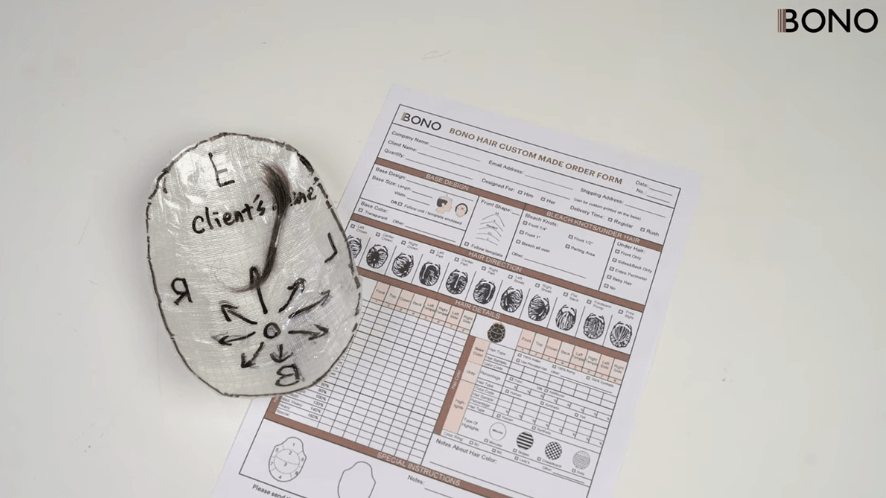
From Template to Production
The process starts with a client consultation.
Once you’ve confirmed the client’s template, measurements, base type, hair color, density, and other specifications, you send the order to your hair system manufacturing partner.
From there, the factory produces the hair system according to your instructions.
Pro Tip: Accurate templates and clear communication matter more than you might think. Every unit is made specifically for one client, and small mistakes at this stage can lead to remakes, delays, and unnecessary costs. If you’re not familiar with custom hair systems or the process, feel free to explore our custom process guide.
Why This Model Works
One of the biggest advantages of this model is that every order is backed by real customer demand. You’re producing for an existing client instead of hoping someone will eventually buy a unit sitting on your shelf.
That means less money tied up in inventory, fewer slow-moving products, and healthier cash flow.
Path 3: Hybrid Inventory Model (Small Stock, Smarter Decisions)
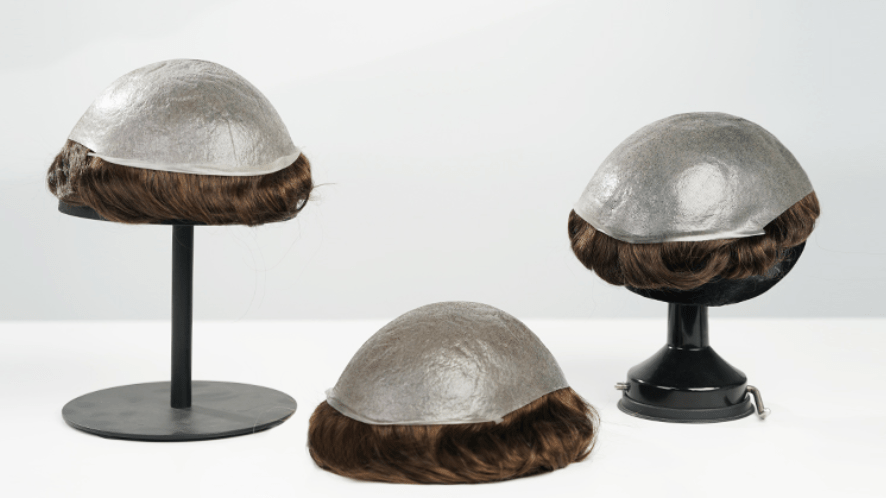
Not every business needs to choose between holding a large inventory and having no inventory at all. A hybrid model gives you the best of both worlds: keeping a small amount of carefully selected stock while relying on on-demand production for the rest.
The goal is not to avoid inventory completely. It’s to only invest in products with a higher chance of selling.
What to Keep in Stock
The key to this model is simple: don’t keep more inventory—keep smarter inventory.
The right products depend on your business model and customer demand, so it’s
important to use market research, sales data, or customer feedback before deciding which SKUs to stock.
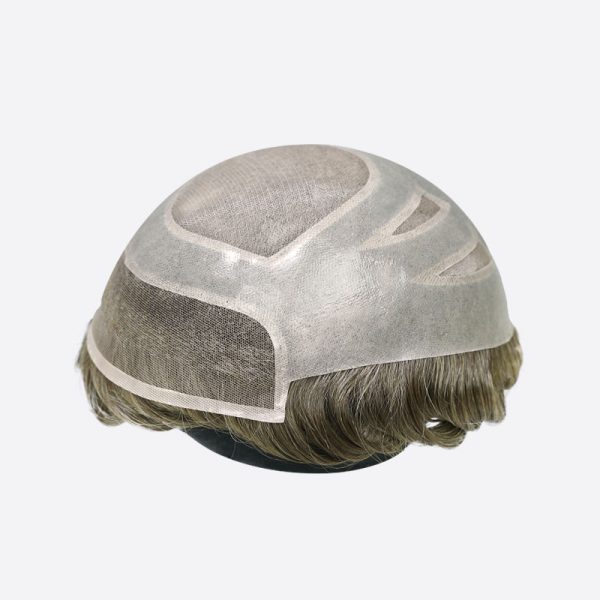
For many hair businesses, this may include popular hair system models like Hollywood, commonly requested base types such as full French lace bases, frequently sold colors, or units already supported by confirmed customer interest.
Some sellers also use pre-orders to test demand before committing to larger quantities. This helps improve fulfillment speed without taking on the risk of overstocking.
With this approach, you are able to provide faster service for common requests while still using custom ordering for unique client needs. The result is a more flexible model that balances speed, customization, and cash flow.
Which Inventory Model Is Right for Your Business?
There’s no one-size-fits-all answer. The best inventory strategy depends on your budget, your business model, local market envrionment, and how you plan to serve your customers.
-
Choose the Factory Stock Fulfillment Model if you’re just starting out or want to offer a wide range of ready-made hair systems without investing in inventory. It’s a practical option for both salons and online stores that work with a reliable manufacturing partner.
-
Choose the Custom Template Model if your business focuses on personalized hair replacement solutions. While production takes longer, every unit is made for a confirmed customer, reducing inventory risk and allowing you to offer a truly customized service.
-
Choose the Hybrid Inventory Model if you’ve already identified your best-selling products or want to shorten delivery times for common requests. By keeping a small amount of high-demand inventory and ordering everything else on demand, you can balance speed, cash flow, and inventory risk.
Many businesses don’t stick to the same model forever. It’s common to start with Stock-to-Order or Custom Template, then gradually add a small amount of inventory as you learn what your customers buy most often.
The goal isn’t to eliminate inventory completely. It’s to invest in inventory only when the demand is there.
Choosing the Right Hair System Manufacturing Partner
When you don’t hold inventory, your hair system manufacturing partner becomes a key part of your business.
Besides product quality and consistency, look for a partner that offers stable lead times, responsive communication, and flexible fulfillment options. Depending on your business model, services like dropshipping, private labeling, sustom making, or API integration can make day-to-day operations much easier.
Don’t just ask what a factory can do—ask how they support businesses like yours. A reliable manufacturing partner should help you grow with confidence, not create more work behind the scenes.
Frequently Asked Questions about Starting a Hair Business
1. How to start a hair business with no money in 2026?
Collect the cash first. Start with a low-inventory model by using client deposits to fund custom orders or work with a supplier that offers stock fulfillment. This helps you avoid large upfront costs and unsold inventory.
2. What is the average lifespan of a non-surgical hair replacement unit for men?
Most non-surgical hair replacement units last around 2–6 months with proper maintenance, depending on the base material, hair quality, and how often they are worn. Proper care and storage can help extend their lifespan.
3. How do I handle returns or defects in an inventory-free model?
Working with a reliable manufacturing partner that supports dropshipping solutions, like Bono Hair’s Dropshipping API. Let the manufacturer handle the returns.