














If you’ve sourced lace hair systems before, you’ve probably been asked one question more than once: Do you want bleached knots or unbleached knots?
At first glance, the answer seems obvious. Bleached knots look less visible, so they must be better.
Not always.
Knot bleaching is a trade-off between visibility and durability.
Different hair colors, lace materials, grey hair proportion, and even clients’ scalp sensitivity will completely change what makes sense.
In this guide, we’ll compare bleached and unbleached knots from a manufacturer’s perspective, explain where each option works best, and share a few production details buyers often don’t hear about.
Key Takeaways
-
Bleached knots create a more natural-looking hairline, but they require more careful processing and quality control.
-
Unbleached knots provide better durability and consistency, but the hairline can be less natural.
-
The right choice depends on desired hair color, client expectations and wearing habits.
What Are Bleached Knots?
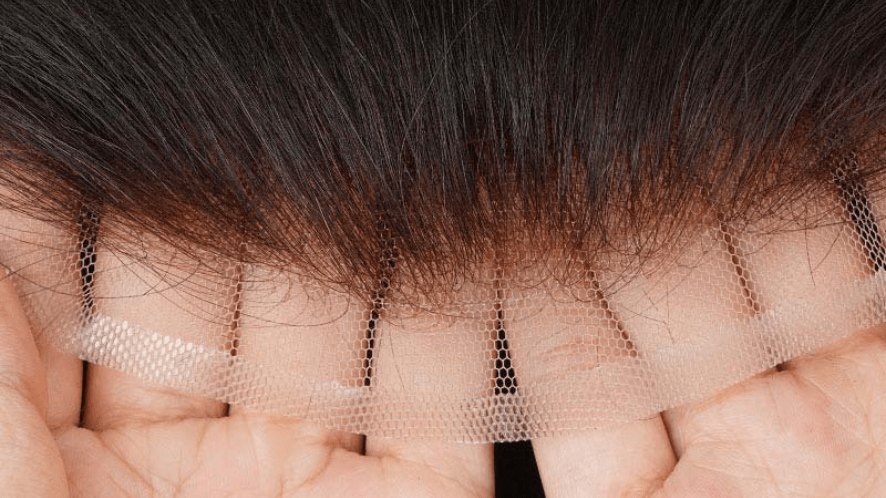
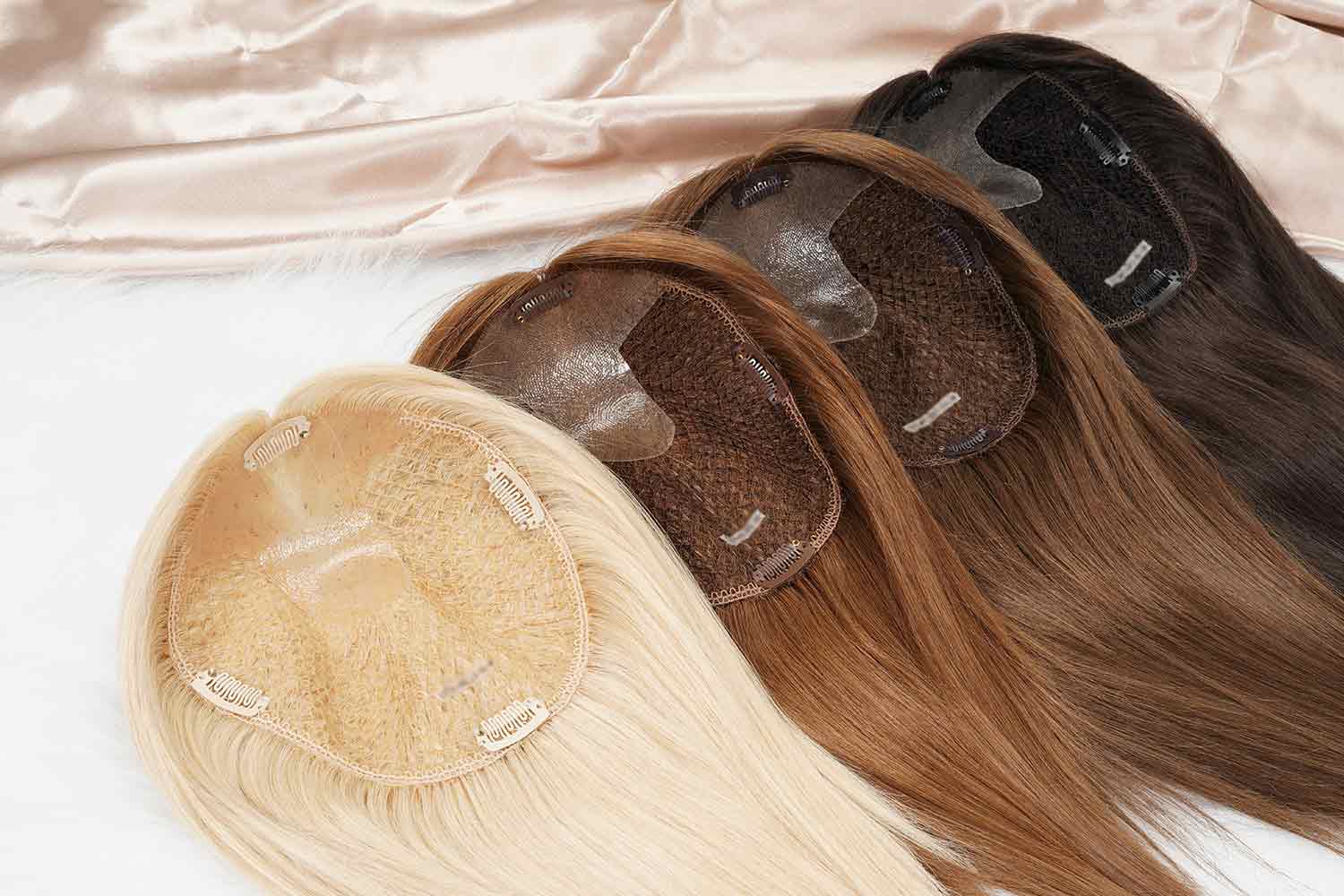
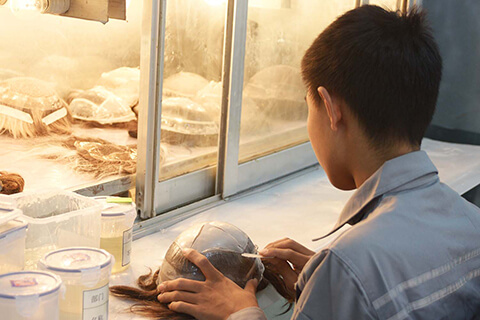
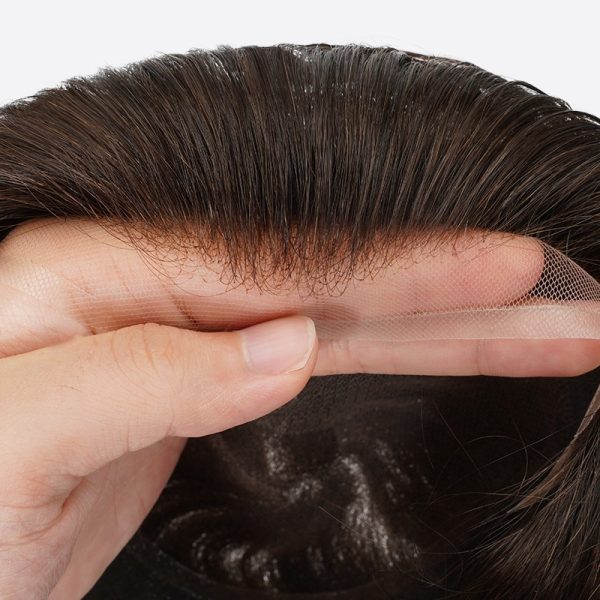
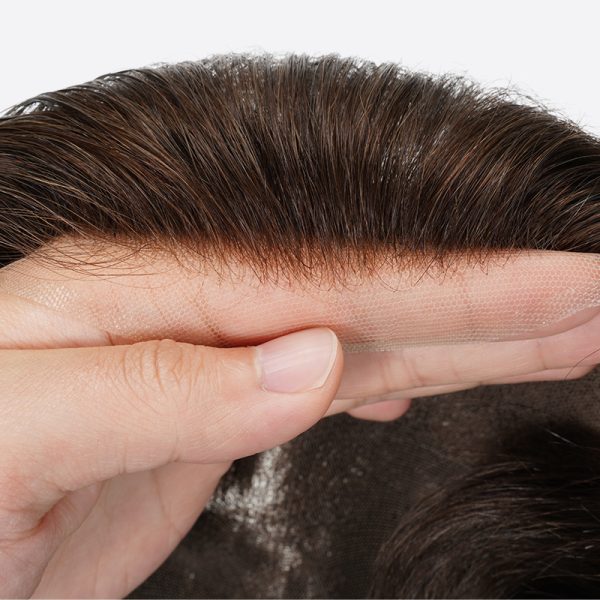
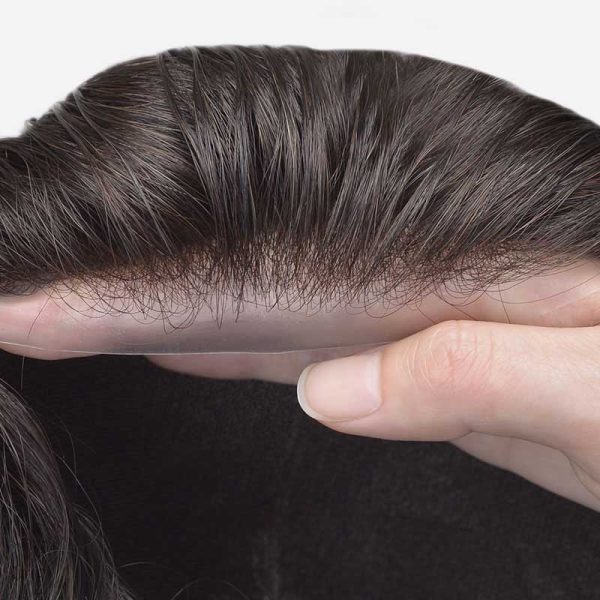
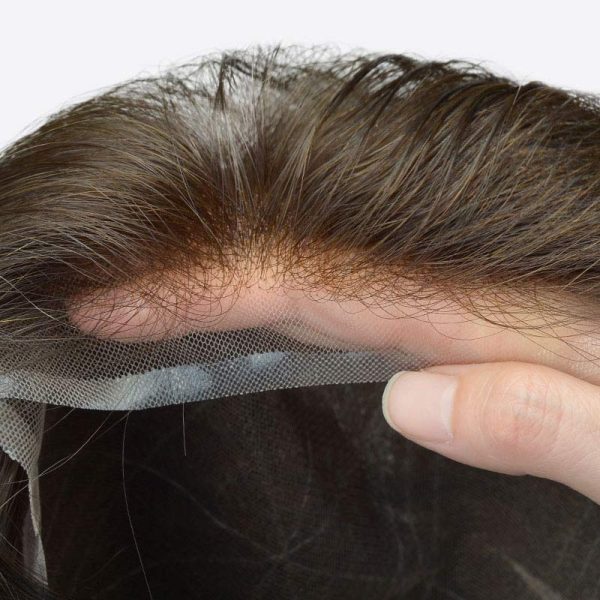
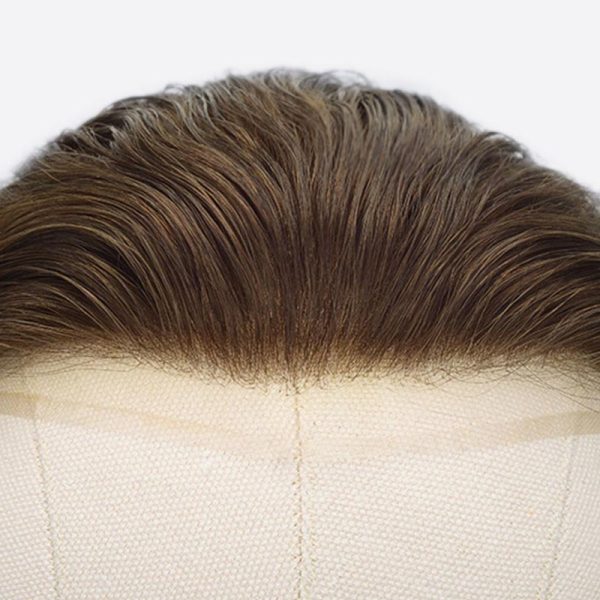
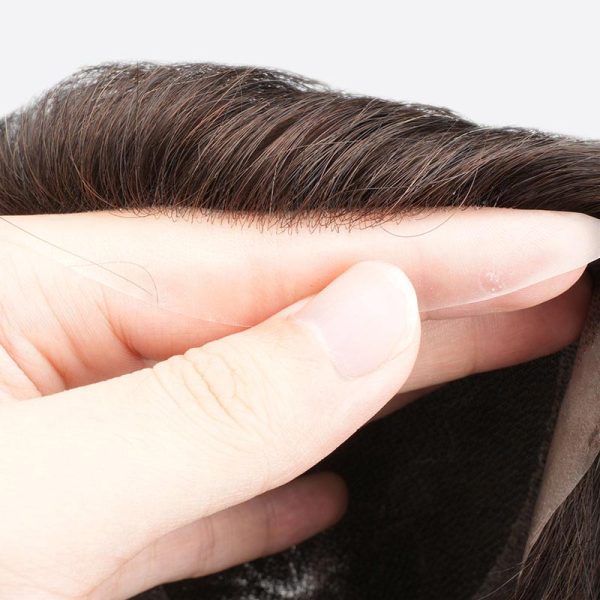
Bleached knots are created by applying controlled lightening to the knot area after ventilation.
The goal is not to change hair color, but to reduce the contrast between knot and lace so the hair appears to be growing directly from the scalp.
In production, bleaching is usually applied selectively:
-
Mainly front hairline zones
-
Tailored to the lace base’s structural strength
-
Adjusted based on hair color level
However, bleaching is never a uniform process. Even within one batch, absorption varies depending on the hair itself, knot types, knot tightness, hair density, and manual brushing techniques.
This is why knot bleaching is always paired with additional QC steps.
What Are Unbleached Knots?
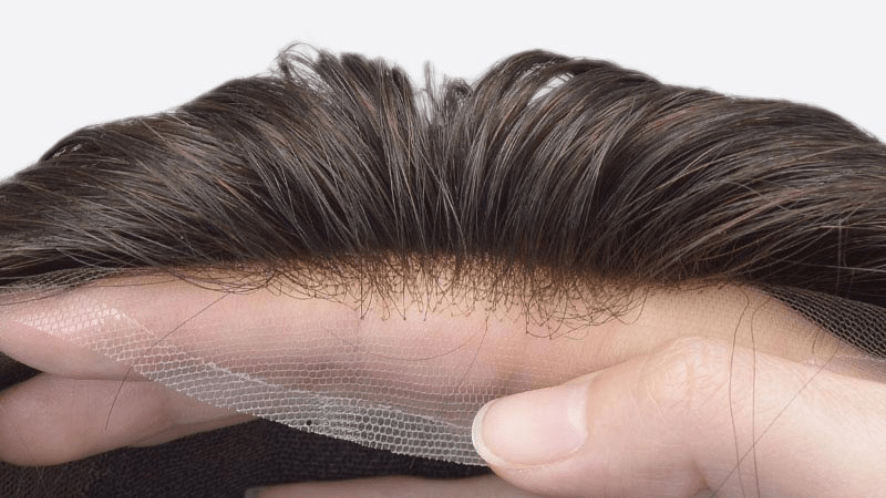
Unbleached knots, as the name suggests, remain in their natural state after ventilation.
They are often misunderstood as a “lower-grade option”, but in manufacturing reality, they are frequently the more stable production choice.
Because the knot is not chemically processed, the hair system will have:
-
Preserved lace integrity
-
Stronger hair roots
-
Higher batch consistency
-
Higher production yield
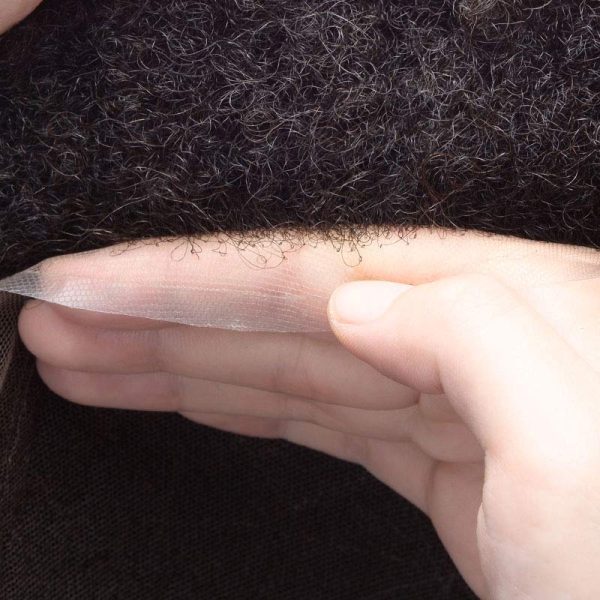
For dark hair colors (such as #1B) especially, unbleached knots are often the default recommendation because even after bleaching, knot visibility cannot be fully eliminated without affecting durability. If a client still wants a lighter knot appearance, other processing options can be considered, which we will explain later.
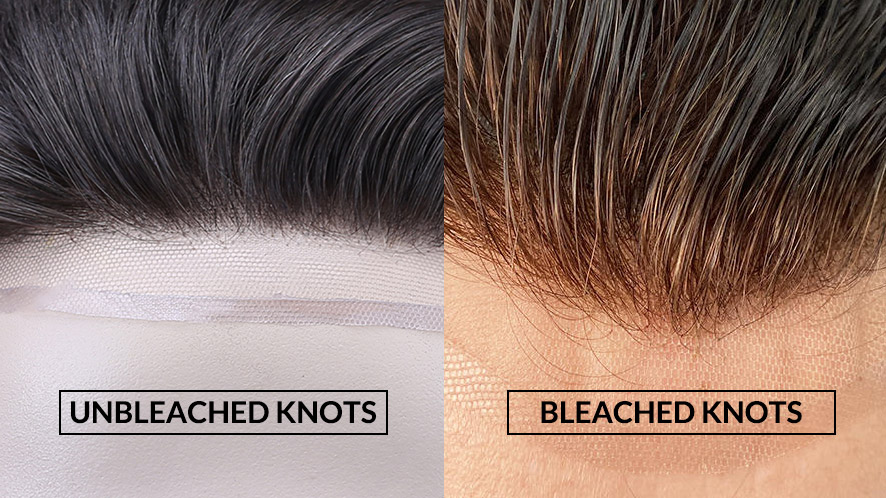
Bleached Knots vs. Unbleached Knots: Side-by-Side Comparison
| Bleached Knots | Unbleached Knots | |
| Natural Appearance | Knots are lightened to make the lace look more like a natural scalp. This helps create a less visible hairline and part. | Knots keep their original color, so they may be more visible, especially under bright light or on lighter lace colors. |
| Knot Strength & Durability | The bleaching process can slightly weaken the knots, which may increase the chance of shedding or breakage over time. | Knots keep their original strength, providing better durability and longer-lasting performance. |
| Maintenance | Requires more gentle brushing and careful handling to protect the bleached knots. | Easier to maintain and more suitable for regular daily use. |
| Hair Color Suitability | Best suited for medium to light hair colors, as dark knots are harder to bleach without damage. | Suitable for all hair colors without limitations. |
| Best For | Ideal for clients who prioritize a more natural scalp appearance. | Ideal for clients who value durability and long-term use. |
|
Key Trade-off |
A more natural look with slightly reduced knot strength. | Stronger and more durable knots with slightly more visible appearance. |
Key points:
-
Bleached knots deliver the most natural-looking hairline but require more precise manufacturing and quality control.
-
Unbleached knots offer greater durability, making them a practical choice for clients who prioritize long-term wear and hair system lifespan.
When Should You Avoid Bleaching Knots in Hair Systems?
Bleaching knots is not suitable for every hair color. From production experience:
-
#1 / #1A / #1B hair (dark hair)
Usually not recommended for bleaching. Dark pigments are difficult to lift, and over-processing can affect hair quality and knot strength. For these colors, post-coloring can be considered when a bleached-knot effect is required.
-
Level 7 and above hair (blond hair)
Usually does not require bleaching. The lighter hair color already creates lower contrast with the lace, so unbleached knots can provide an acceptable natural appearance.
-
30%+ grey hair systems (grey hair)
Generally avoid knot bleaching. Grey hair is more sensitive to chemical processing and has a higher risk of discoloration and breakage.
In practice, knot bleaching is not a standard option for every hair system. The right choice depends on hair color, hair condition, and the final appearance goal.
Alternatives to Bleached Knots: Post-Coloring
For dark hair colors like #1, #1A, and #1B, direct knot bleaching may not be suitable.
In these cases, post-coloring can be considered to achieve the desired bleached-knot effect and final hair color while keeping better control over hair quality.
However, post-coloring is not suitable for every hair system. For example:
-
Very tight curls (curl diameter under 2.2 cm
Post-coloring may affect the curl pattern, making the curl looser and reducing elasticity. The knots may also become loose over time.
The coloring process may stain the skin base material.
-
High grey hair percentage
Grey hair can absorb color differently, which may affect the natural grey appearance.
This knotting method is not suitable for post-coloring, as the chemical process may increase the risk of knot loosening.
How to Choose Between Bleached and Unbleached Knots for Your Clients
| Client Needs | Recommended Option |
| Wants the most invisible hairline and scalp-like appearance, and is less concerned about lifespan or cost | Full Bleached Knots |
| Wants to wear hair back with an exposed hairline, but also needs better durability | Bleached Hairline |
| Usually wears bangs and wants to maximize system lifespan | Unbleached Knots |
| Has very dark hair colors (#1, #1A, #1B) or very light hair colors (Level 7+) | Unbleached Knots |
| Has dark hair but still wants a more natural hairline effect | Post-Coloring / Post-Processing |
Manufacturing Considerations Buyers Often Miss
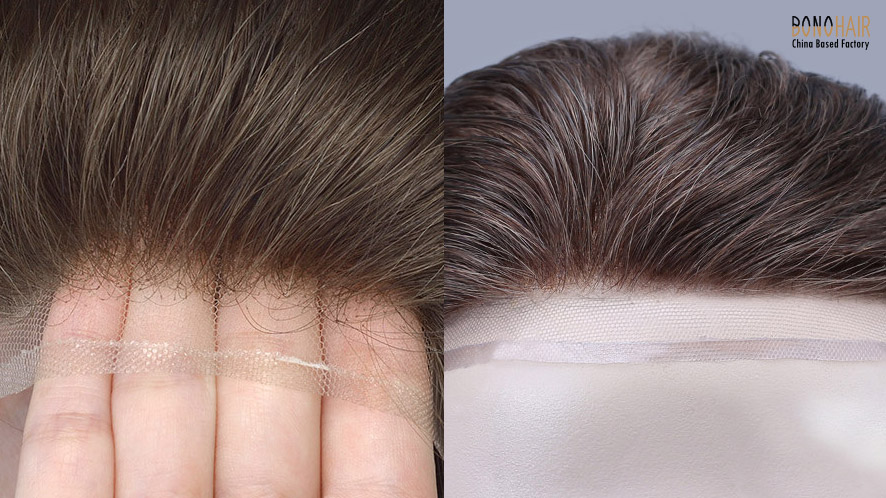
Bleached knots are not only a visual choice. They also affect production control and final durability.
-
Different hair reacts differently to bleaching
Not every knot absorbs bleach at the same speed. This makes it harder to achieve exactly the same result across every unit.
-
Too much bleaching can weaken the knots
Over-processing may reduce knot strength, which can lead to easier shedding over time.
-
Lace type affects bleaching results
Different lace materials handle chemical processing differently. For example, Swiss lace is more delicate and requires more careful control during bleaching.
-
Dark hair has a limit
For very dark hair colors, stronger bleaching does not always create a better appearance. It may damage the hair without providing a noticeable improvement.
-
Bleached knot systems require stricter QC
Because bleaching adds more processing steps, factories need to check knot strength, color consistency, and overall appearance more carefully.
This is why many factories treat bleaching as a controlled variable, not a default option.
Quality Control for Bleached Knots
Bleached knot systems require additional QCsteps:
-
Checking color uniformity across lace surface
-
Inspecting the lace base for any chemical damage or residue
-
Testing knot integrity after processing
-
Ensuring front hairline consistency
-
Identifying over-bleached weak points
-
Comparing batch-level color stability
The goal is not just natural look improvement, but also maintaining structural reliability under daily wear conditions.
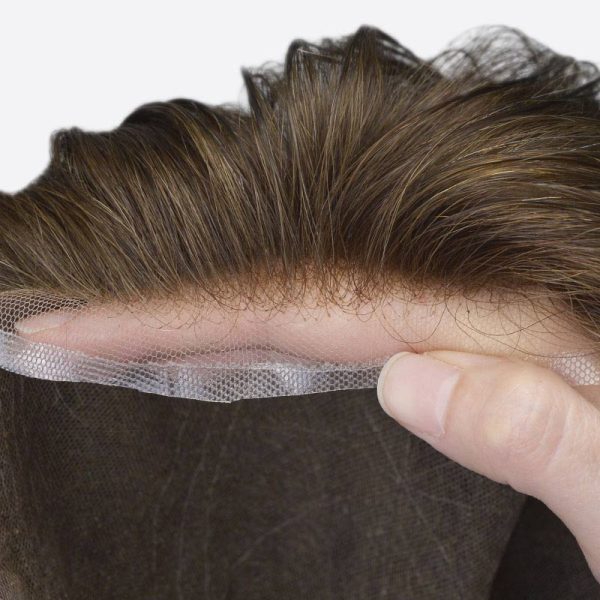
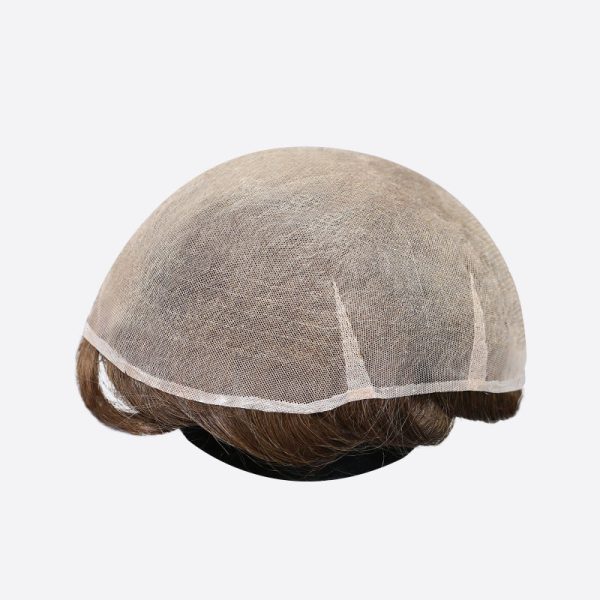
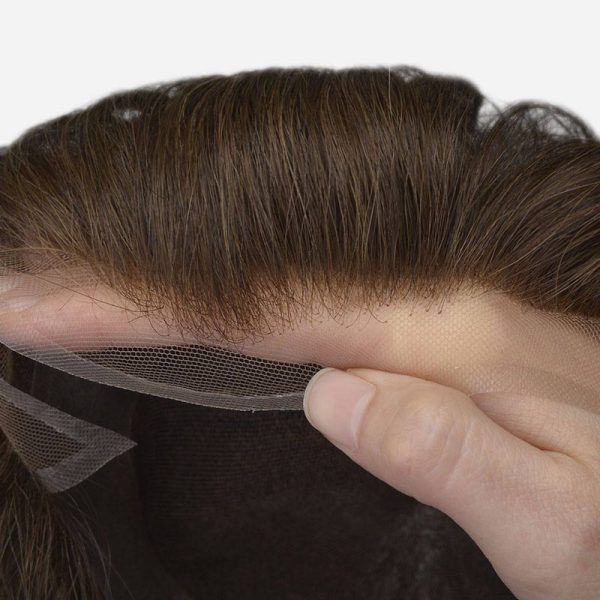
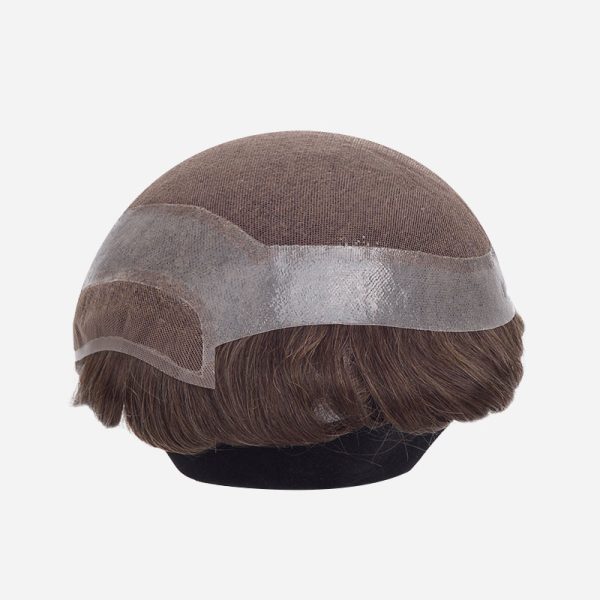
Classic Men’s Hair System Collection with Bleached Knots from Bono Hair
$30 OFF Every $399
$30 OFF Every $399
$30 OFF Every $399
Lace Hair Systems
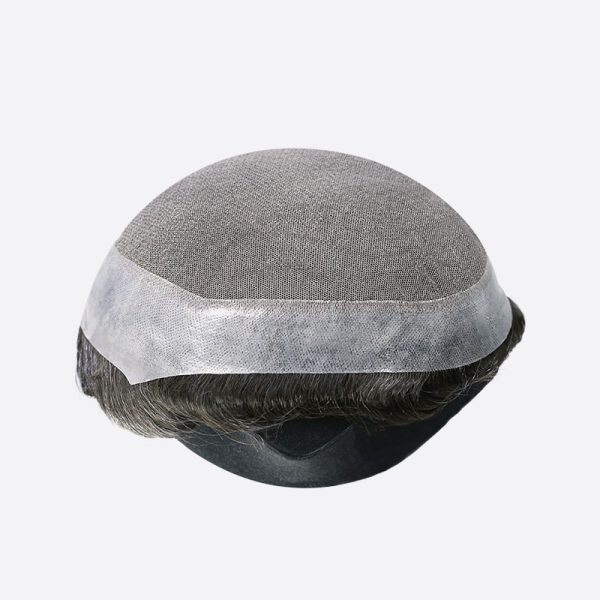
HOLLYWOOD-S PU Perimeter Toupee Lace Front Hair Pieces
$30 OFF Every $399
Lace Hair Systems
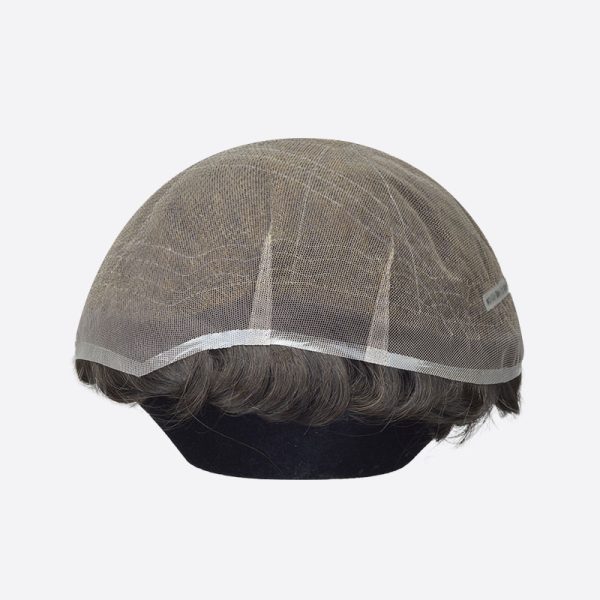
BH2F Full Lace Human Hair Toupee Is Stock Men’s Hair From Bono Hair
$30 OFF Every $399
$30 OFF Every $399
Lace Hair Systems
BH2R Full Lace Human Hair System Is Remy Hair System From Bono Hair
$30 OFF Every $399
$30 OFF Every $399
Final Note for Buyers
Bleached and unbleached knots are not competing products. They are two different production strategies.
One optimizes visual realism.
The other optimizes stability and manufacturing efficiency.
In wholesale men’s hair systems or custom orders, the best choice is usually not about appearance alone—but about matching the knot strategy with your hair color mix and customer expectations.
Frequently Asked Questions
Are bleached knots worth it?
They are worth it when hairline visibility is critical. For dark or durability-focused systems, the benefit is limited.
Do bleached knots shed more?
They can if over-processed. Proper controlled bleaching has minimal impact on shedding.
Can my client bleach the knots themselves?
It is technically possible, but the result can be inconsistent. In production, results are controlled by strict processes and experienced technicians.
Why can’t all hair systems use bleached knots?
Because knot bleaching involves chemical processing, the result depends on hair color, lace type, and hair condition. For some systems, the visual improvement is limited while the risk to hair quality increases.


This article clearly explains the differences between bleached and unbleached knots, helping readers understand how each option affects the appearance, durability, and maintenance of lace wigs. The balanced comparison and practical guidance make it a valuable resource for choosing the right wig based on individual styling needs and preferences.