















Trendy men’s haircuts in 2026 point to one major shift. Natural movement easily beats out rigid perfection.
If you look at what’s been showing up lately—on TikTok, Reddit, or just in the chair—you’ll notice a few styles keep coming back. Layered cuts, longer tops, shorter, low-maintenance looks… they’re all getting attention in different ways.
For salons and barbers, it’s all about shaping rather than sculpting. This officially sets the “Vibe Check” for the year ahead.
Key Takeaways
-
More clients are leaning toward styles with natural movement and texture.
-
Younger clients tend to go for more layered, expressive cuts, while shorter styles are coming back for how simple they are to manage.
- Longer hair on top is still the go-to—it’s flexible, easy to adjust, and works for most people.
-
Fade-based styles are still a steady part of everyday salon work.
-
Not every trend works for everyone—hairline and density often matter more than the style itself.
What’s Driving Men’s Hair Trends in 2026
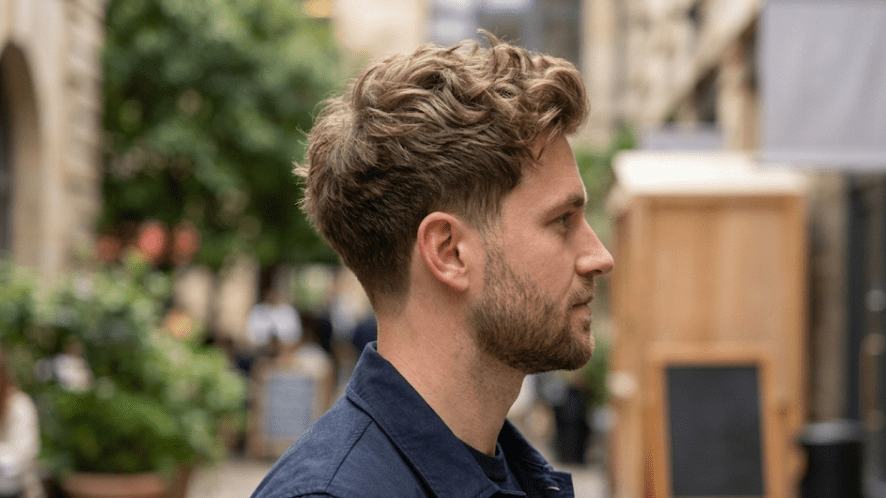
Men’s hair trends in 2026 aren’t really about fixed styles anymore. Clients want that lived-in look right away. Natural movement and matte finish are taking over stiff cuts, pushed strongly by 90s nostalgia.
A lot of clients now want something that feels easy and looks natural. You’ll see more layering, more scissor work, and more customized finishing over the use of a uniform clipper. It’s not about making everything look “clean” anymore; it’s about keeping some texture and movement.
In the meantime, Longer hair on top has basically become the default. Not dramatically long, but enough to give flexibility. For salons, that means more room for styling, product use, and small add-ons.
At the end of the day, it comes down to customization. Standard cuts don’t really land the same way anymore. Clients are paying more attention to how a style fits their hair texture, face shape, and even their lifestyle, which will make consultation skills start to matter just as much as the cut itself.
Trend 1 Layered & Rebellious Styles Are Still Going Strong
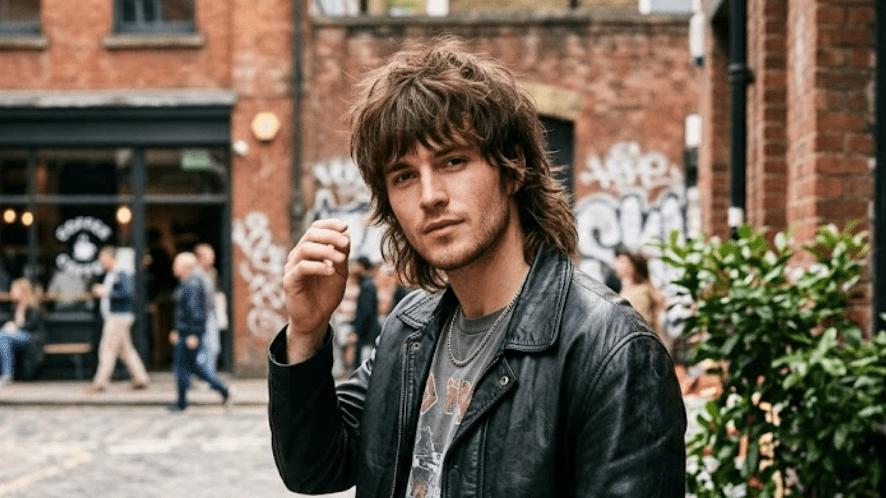
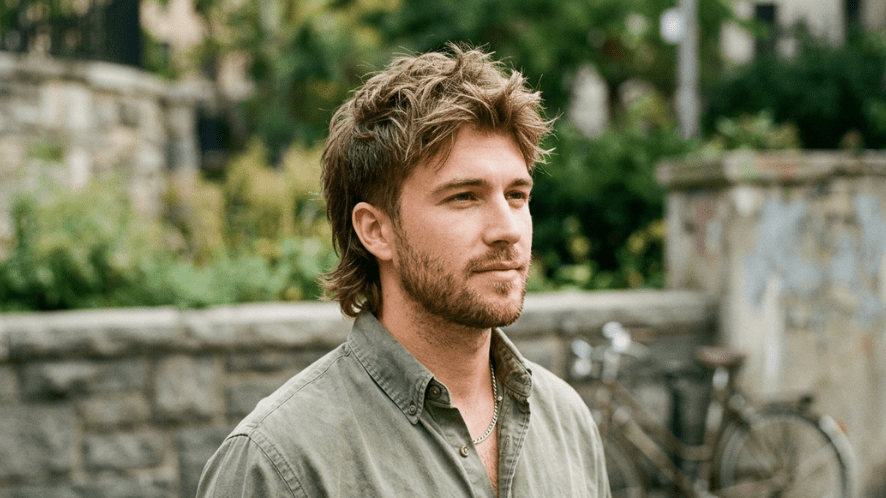
Styles like the wolf cut and modern mullet haven’t slowed down. If anything, they’ve become more refined.
A lot of Gen Z prefer these cuts because they don’t look overly styled. They feel expressive without trying too hard. The uneven layers create texture naturally, especially on thick or slightly wavy hair.
Wolf cut
The wolf cut works because it avoids looking too polished. The layers create movement, and the shape feels slightly undone in a controlled way. It’s especially common among younger men who want something expressive without going full extreme.
Modern mullet
The modern mullet is less about shock value now and more about contrast. Shorter sides with longer back sections create a clear shape, but the transition is softer than older versions.
For salons & stylists:
-
The technical complexity of these cuts supports higher service pricing.
-
For maintenance and reshaping, they promote return visits.
-
For social media marketing, they provide powerful visual content.
A professional consultation is essential before cutting, because these styles work best on thick or wavy hair. Both styles rely heavily on texture. Straight, flat hair doesn’t carry them as well unless styled daily.
Trend 2 Clean Sides + Longer Top Becomes the New Default
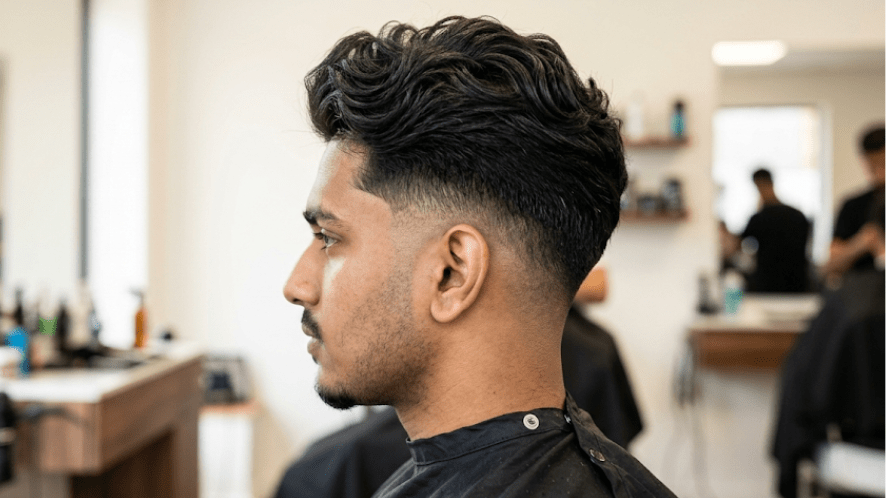
Among the most popular haircuts for men in 2026, this category remains one of the most reliable and widely requested options. Clean sides with a longer top have quietly become the baseline because it works for almost everyone. It’s easy to adjust, easy to wear, and doesn’t lock the client into one specific look.
The length on top isn’t extreme. Just enough to give some flexibility—whether that’s a soft side part, a bit of texture, or pushing it back for a cleaner finish.
That flexibility is exactly why it’s become the default.
Classic long top with fade
Still the safest option across age groups. Clean, adaptable, and easy to maintain.
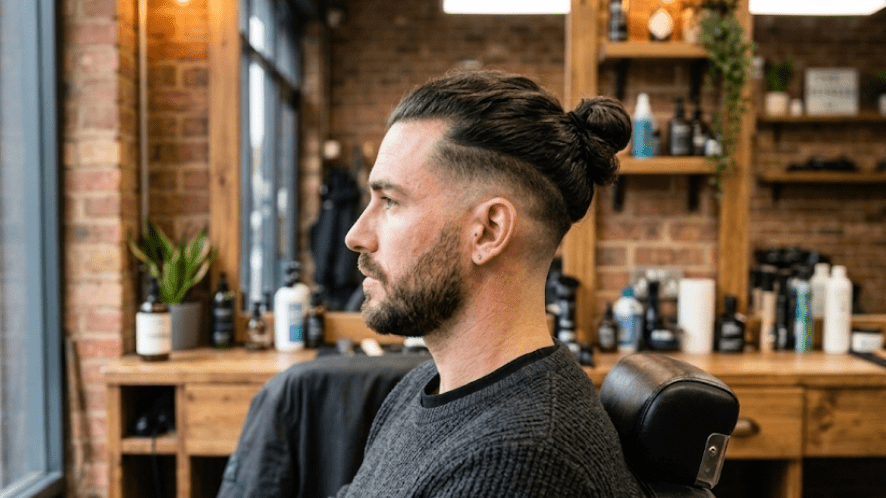
Man bun fade
More niche, but useful for clients transitioning from longer hair without going fully short.
Flow / medium-length top
Works well for clients who want movement without committing to layered or rebellious styles.

From a salon perspective, this category tends to stay busy.
It fits into regular maintenance cycles, doesn’t require heavy correction work, and gives room for small adjustments each visit. Most clients don’t come in asking for something completely new—they just want this, slightly refined.
That’s part of why it holds up so well.
It’s not a statement haircut. It’s a repeatable one.
Wanted to explore more different variations in low taper fade styles? Read out our complete blog about Discover 40 Trendiest Low Taper Fade Haircuts!
Trend 3. Ultra Short Cuts Are Making a Comeback
While trend-driven styles get attention, ultra-short cuts are quietly fueling volume in 2026 men’s haircuts.
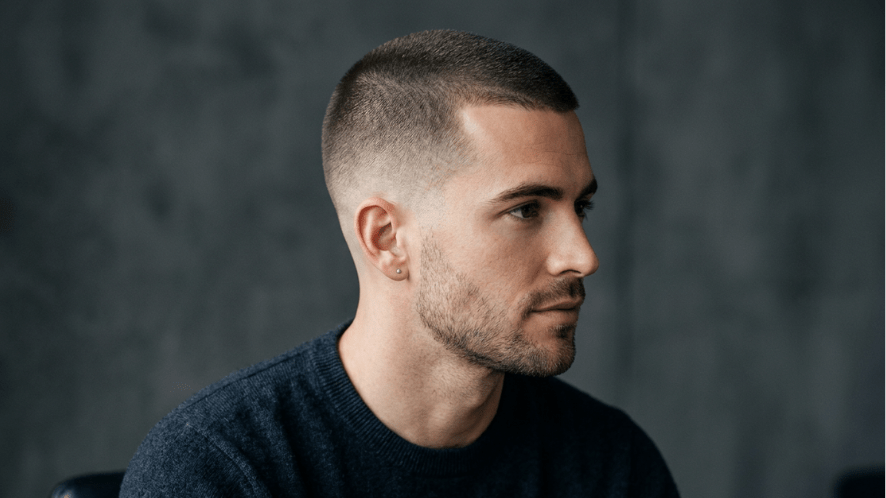
Buzz cut
Buzz cuts are coming back for a simple reason—they’re easy. No styling, low maintenance, and predictable results. For many clients, especially those who don’t want to spend time on their hair every morning, that’s enough.
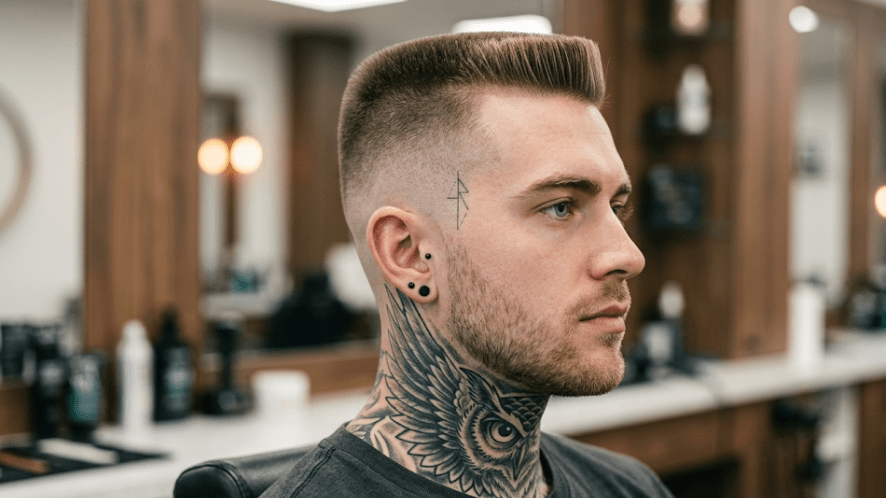
Flat top cut
Flat tops are also reappearing, but in a more wearable way. The shape is still structured, but less rigid than before, making it easier to adapt to different face shapes and lifestyles.
For salons:
-
Faster service times increase daily client capacity
-
Ideal for walk-ins and quick appointments
Another thing worth noting—these styles often come up during conversations about thinning hair.
Some clients choose to go shorter to make density less of a concern. That usually opens the door to a more practical discussion about what will actually work for them, instead of chasing styles that don’t fit their hair condition.
The Real Problem: Not Every Trend Works for Everyone
Guiding clients toward appropriate, realistic styles rather than just following trends is one of the biggest opportunities for salons and stylists in 2026.
For a Receding Hairline
A lot of clients look for receding hairline styles, especially when trying to follow current trends. The problem is, not every trending cut works well with a changing hairline.
In most cases, styles that fully expose the front, such as slicked-back styles, tend to highlight the issue rather than soften it.
A more practical approach is to work with the hairline, not trying to go against it:
-
Fringe or forward-styled cuts can help reduce contrast
-
Textured styles break up the outline and make it look more natural
-
Light layering can soften the transition around the front
For Thin or Low-Density Hair
Within modern men’s grooming, more clients are starting to care less about specific styles and more about how their hair actually looks in terms of density. So some clients now prefer natural density and fullness over trend-driven hairstyles.
The common issues they encounter include:
-
High-contrast cuts can make the scalp more visible
-
Over-layering can take away what little density the client has
A more balanced approach usually works better:
-
Keep texturizing controlled rather than aggressive
-
Focus on proportion instead of chasing shape
-
Use lightweight products that add volume without flattening the hair
For many clients, hair density is more important than the actual haircut. That shift is subtle, but it matters. It changes how clients make decisions and how stylists guide them.
Looking for Alternatives to Hair Transplants?
Hair transplants are still one of the most well-known solutions for hair loss, especially when speaking of a receding hairline, but they’re not the only option people are considering.
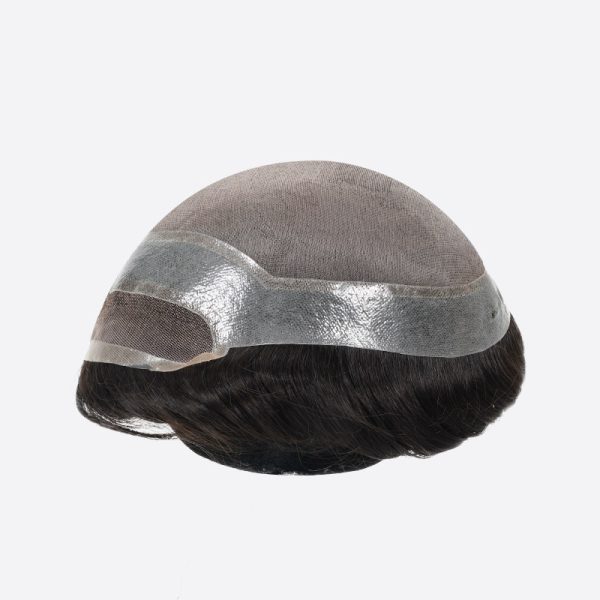
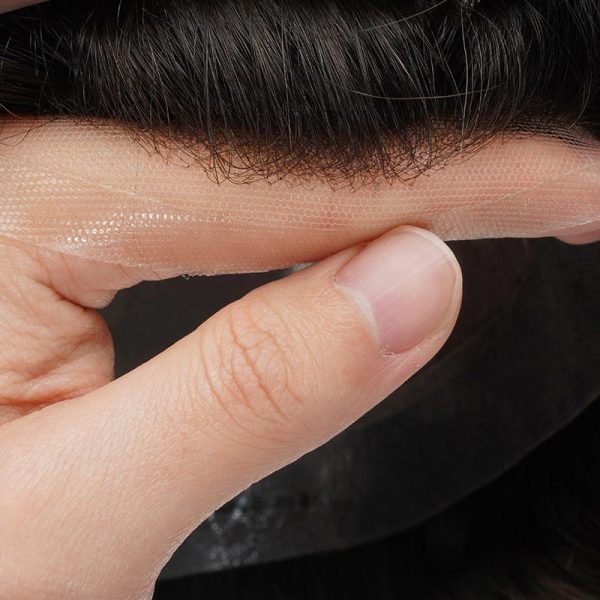
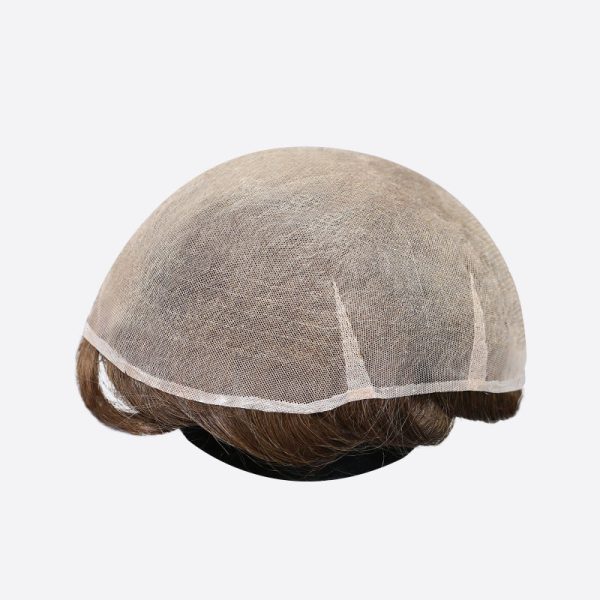
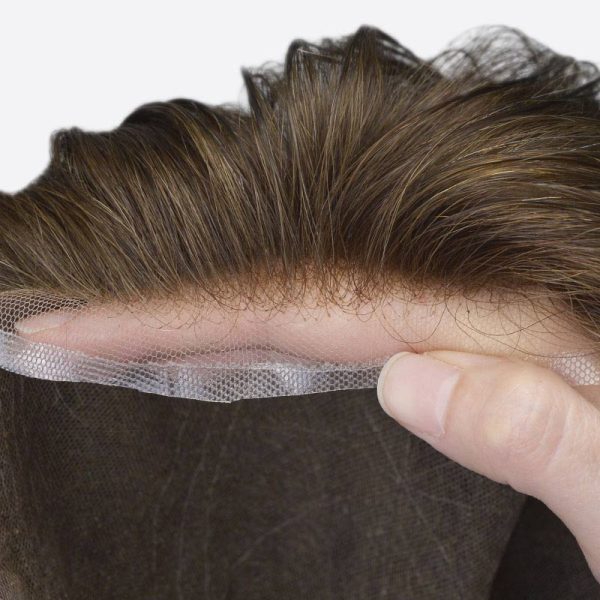
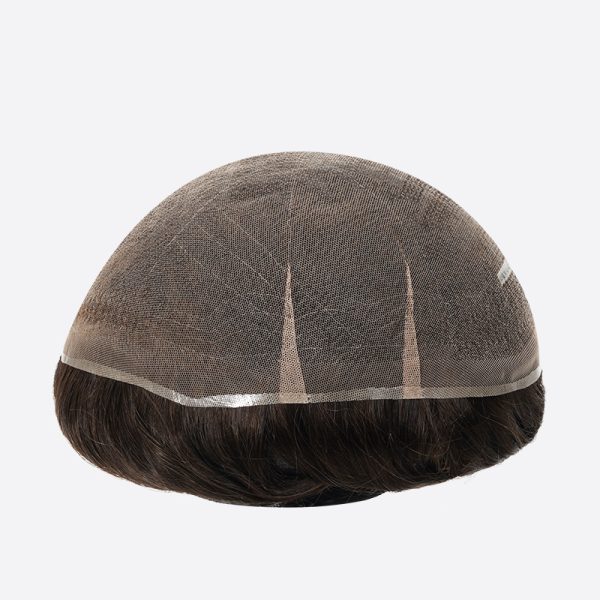
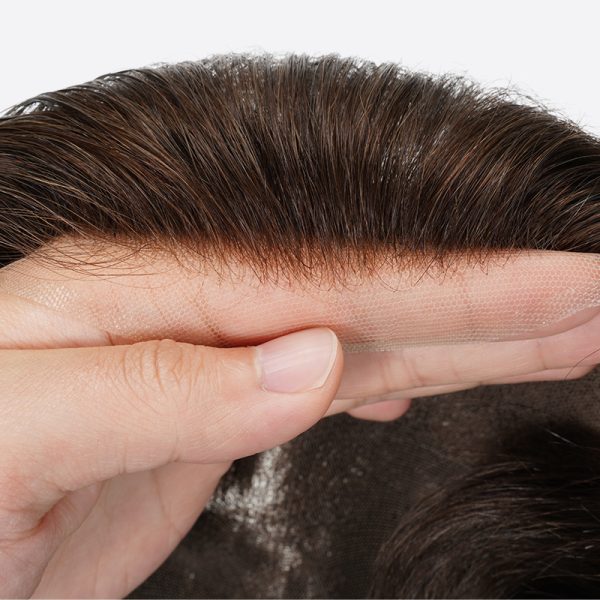
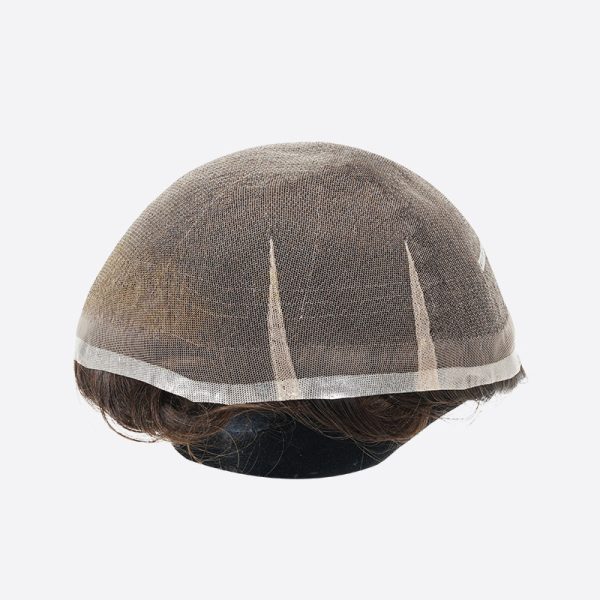
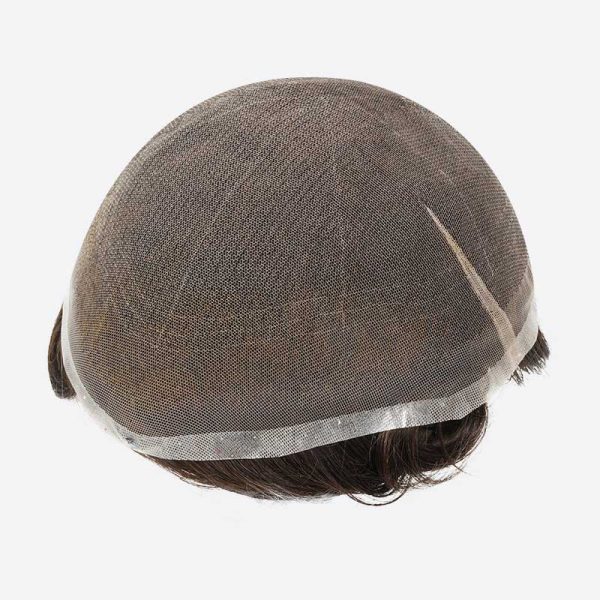
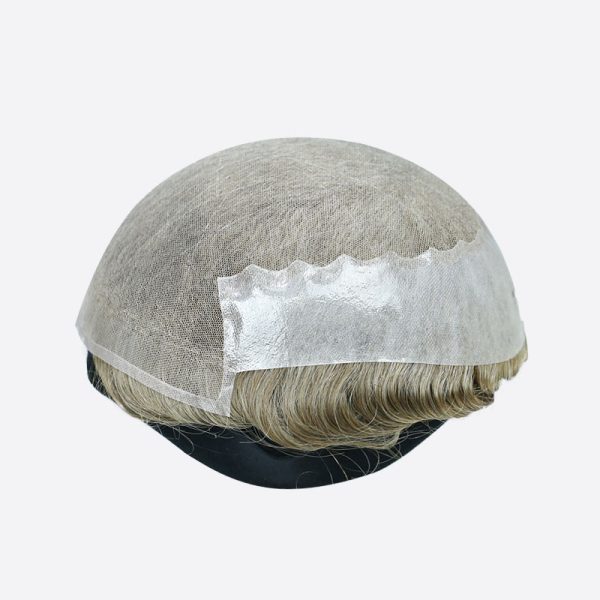
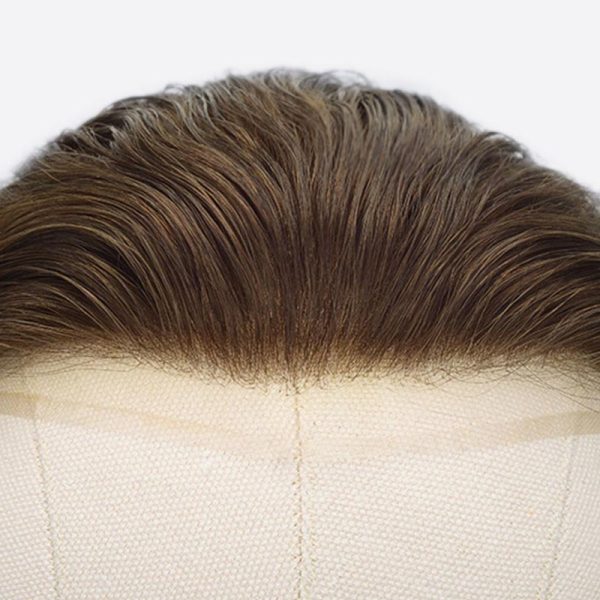
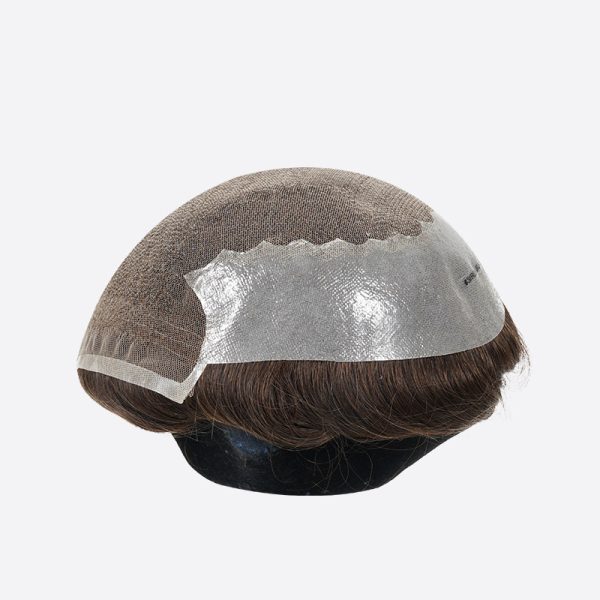
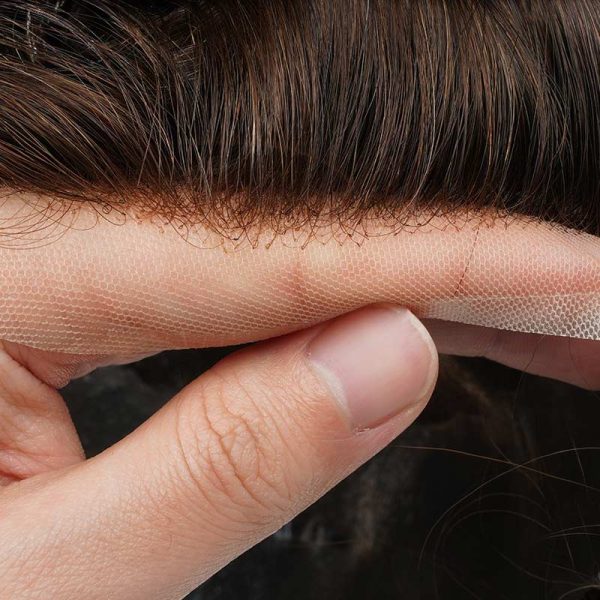
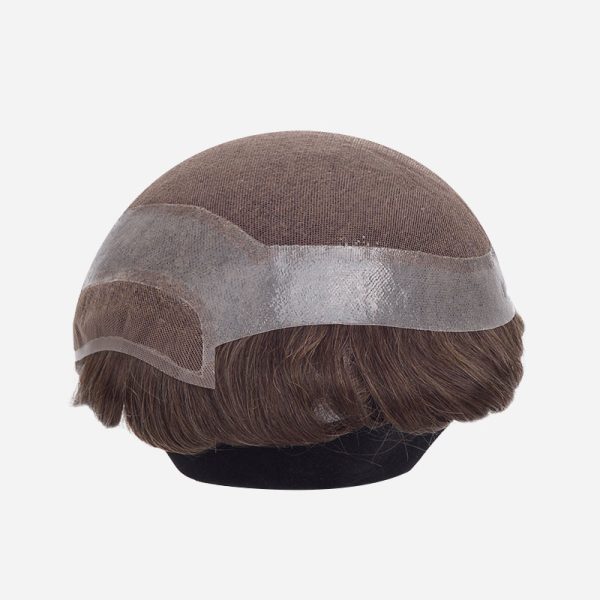
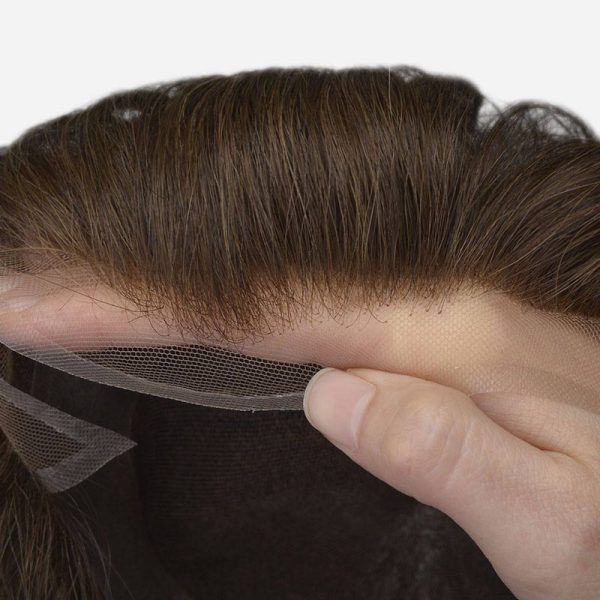
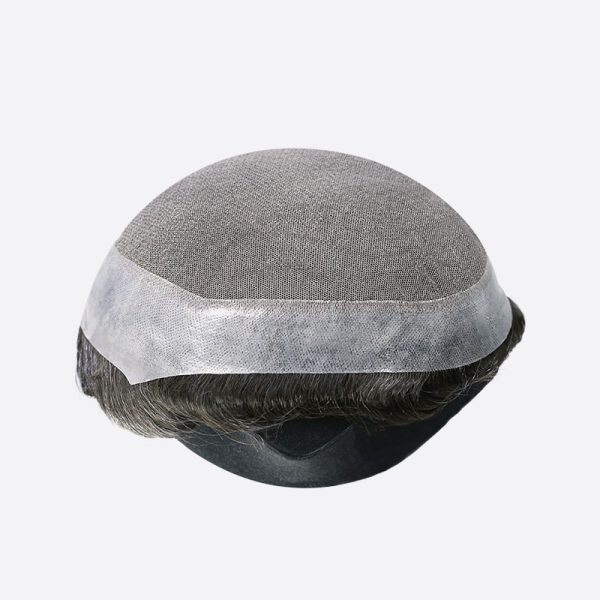
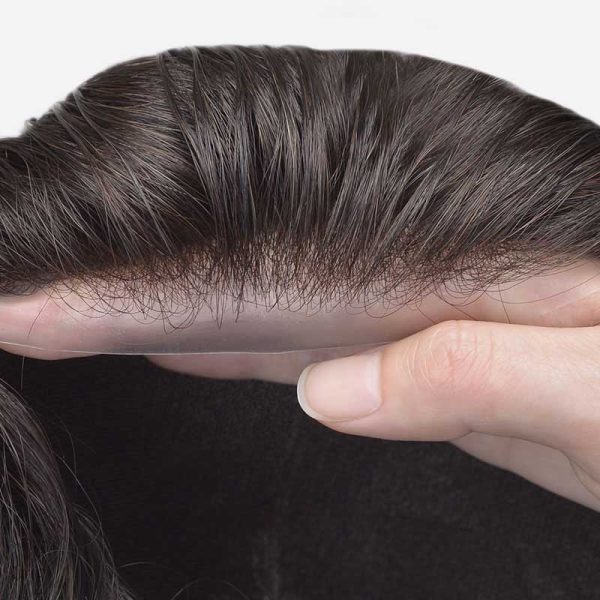
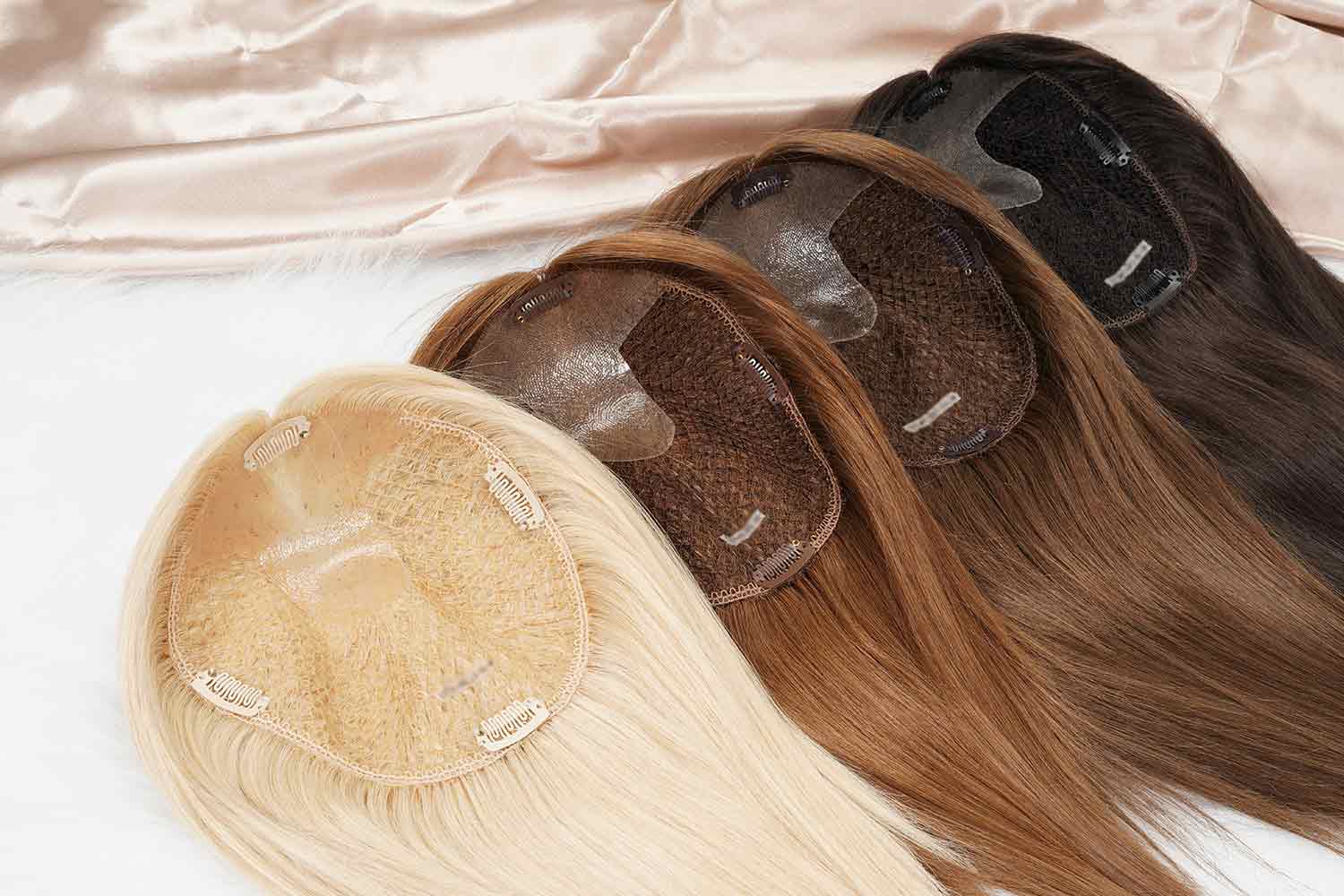
More attention has shifted toward non-surgical approaches, especially among clients who are worried about the surgery results and prefer something safer, more immediate and flexible. Within this space, men’s hair systems have become one of the most common directions people explore.

For many clients, it feels like a practical option when they’re looking for results that are adjustable, natural-looking, and don’t require a medical procedure. And this is also a new opportunity for salons and stylists to add new services to their menu and expand the way they approach consultations.
If you want to explore this topic further, you can read more here: The 2026 Turning Point: Adding Hair System Services for Men to Your Salon
Final Thoughts
Men’s hair trends in 2026 aren’t really moving in one single direction. If anything, they’re becoming more flexible.
Layered cuts, fades with longer tops, short cuts, behind these main hairstyle trends is a more basic shift—people are paying more attention to how they present themselves and maintain their overall image.
Sometimes, what people are really looking for is a certain “vibe”. Haircut is an immediate visual signal of style and personality, often before any conversation even happens. In that sense, it’s less about chasing a trend and more about expressing identity in a simple, low-pressure way.
From a salon and stylist perspective, these shifts are also noticeable in daily work. Consultation has become more important than ever, especially when clients are unsure about what actually suits their hair texture and density. Small adjustments in approach often make a bigger difference than the haircut itself.