














Starting a private label hair extension brand sounds simple at first—find a supplier, add your logo, and start selling.
But in reality, most people who try to start a hair extension business run into the same issues: inconsistent quality, unclear product specs, and suppliers who can’t scale.
The difference between a short-term hustle and a real brand usually comes down to one thing:
How well you set up your products and your hair extension supplier from the beginning.
In this guide, we’ll walk through a simple, practical way to build your own brand step by step.
Key Takeaways
-
Private label gives you control—but your supplier determines how far you can scale.
-
Don’t try to sell to everyone. Pick a clear niche first, then build your product line around it.
-
Ask specific, technical questions when choosing a supplier. Vague questions get useless answers.
-
Start simple: a few proven products, limited lengths, basic colors. Expand later.
-
Customization is gradual. Test what sells before investing in deeper product development.
-
Branding doesn’t need to be complex—clean, consistent packaging already builds perceived value.
-
Always test before scaling. Check shedding, color consistency, and construction details in real use.
-
Most failures come from rushing: too many products, cheap suppliers, or skipping quality checks.
Understand What a Private Label Hair Extension Business Is
Private label hair extensions means you sell products under your own brand, while a manufacturer handles production.
You control:
-
branding
-
pricing
-
customer experience
-
and maybe product design, depending on your choice
The supplier handles:
-
sourcing hair
-
processing
-
manufacturing
-
packaging according to your requirement
This is why many salon owners and online sellers choose this model—it’s faster than building everything from scratch.
White Label vs. Private Label
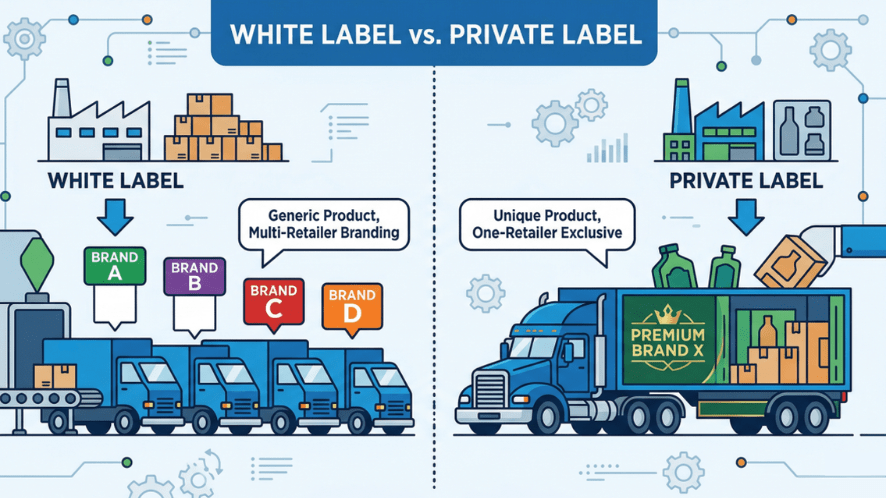
White label and private label are often mixed up, but they work very differently in practice.
White label products are pre-made, standardized items that are produced in bulk and sold to multiple brands, with only basic customization like logo or packaging changes. It’s a faster way to enter the market, but the product itself stays the same across different sellers.
Private label, however, goes a step further. It allows you to work with the manufacturer to adjust product specifications such as base design, materials, density, or construction details, so the product better fits your brand positioning.
In short, white label is about speed and convenience, while private label is about control, consistency, and building a more distinct brand identity over time.
Pro tips: If your goal is product differentiation, even if you start with white label, you should eventually consider shifting toward private label development to build a more defensible brand position in the market.
Step 1. Define Your Niche and Target Market
Before you stock up on inventory, you need to choose exactly who you’re selling to. You can’t sell to everyone. A profitable private label hair extension business focuses on the specific buyer. Are your customers after budget-friendly quick styles, or high-end luxury installs? This starts with your product lineup.
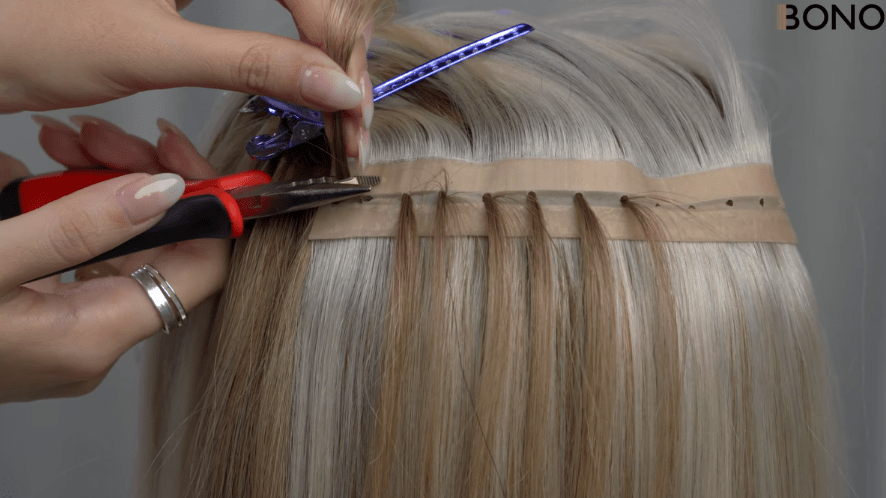
Picking Your Product Segment
First choice: human hair or synthetic. Big difference in feel, price, and lifespan.
Heat-friendly synthetic hair works well for buyers who want fast, affordable changes. These units offer different styling options, but they’re less durable. They usually last just 3 to 4 months, even with proper care.
On the higher end, virgin human hair comes with a premium price. It’s made from a single donor without prior dyeing or bleaching, and this top-tier human hair can last well over a year. If you plan to private label luxury wefts, this is your starting point.
Matching the Hair to the Buyer
Your product line determines your audience. College students switching colors every several weekends want affordable synthetic options. Salon regulars paying for custom installs expect high-grade hair extensions.
Get specific about how they spend and what their daily routines look like. A strong brand identity speaks directly to one group’s exact needs.
Once you lock in your target market, finding the right factory gets much easier. Your niche will decide the type of supplier you need to partner with.
Step 2. Choose the Right Private Label Hair Supplier
Your private label hair supplier is the foundation of your brand. This step helps you filter suppliers before placing any samples.
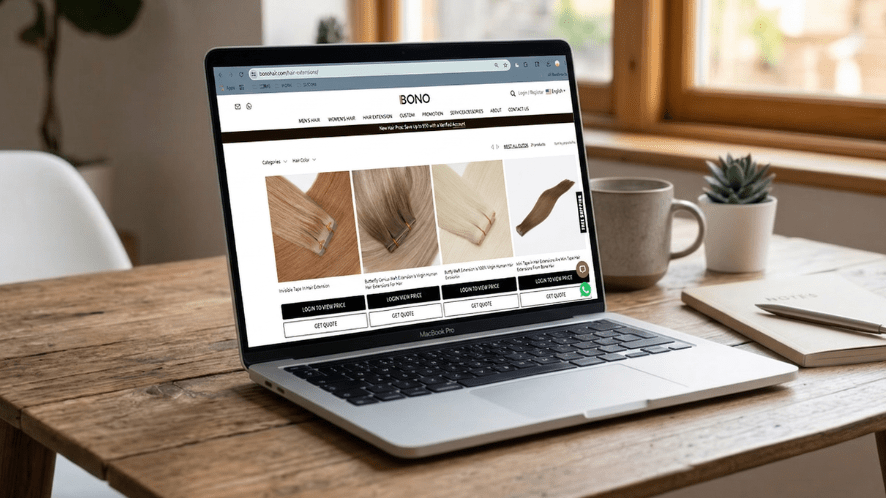
Most beginners struggle here because they ask vague questions. Asking “Are your extensions good?” will always get you a standard “Yes.” You need to ask clear, technical questions that quickly filter out middlemen and low-quality suppliers.
When reaching out to an overseas private label hair supplier, find out:
-
Do they control their own production? Do they have raw, unedited photos of their production?
-
Can they keep quality consistent across batches?
-
Can they support customization?
-
What are the exact minimum order quantities (MOQs)?
-
Do they offer high-quality product photos and videos for your online shop?
If you’re not sure how to evaluate this, read our guide on how to choose a reliable hair extension manufacturer.
A strong first conversation sets the tone for the entire relationship. Don’t rush into placing an order. Think a few steps ahead—like in chess. Take the time to ask the right questions upfront, clarify your requirements, and understand how the supplier operates.
Step 3. Customize Your Products
Once you’ve selected a private label hair supplier, the next step is product customization. This is where your private label hair extensions start to take shape. As we mentioned before, you don’t need to create everything from scratch. A more practical approach is to start with proven, popular products and test how they perform in your market.
Keep your lineup simple at the beginning. In most cases, a small, focused range is easier to manage and control.
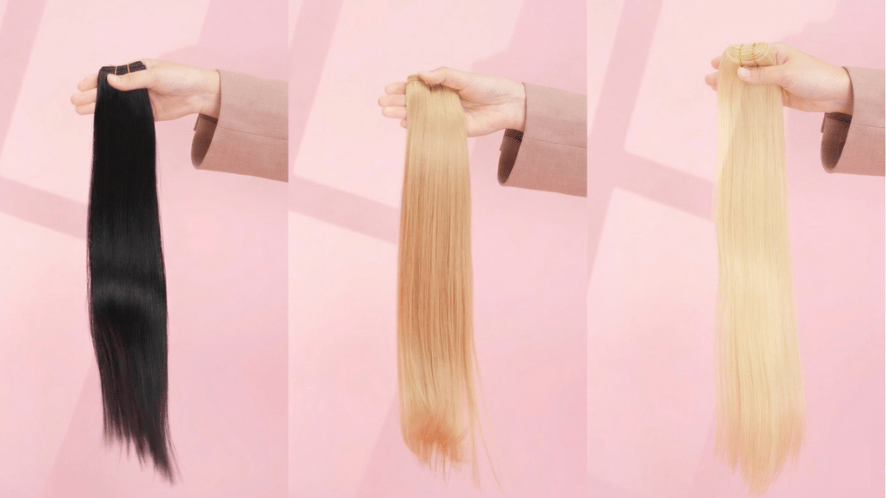
Start with:
-
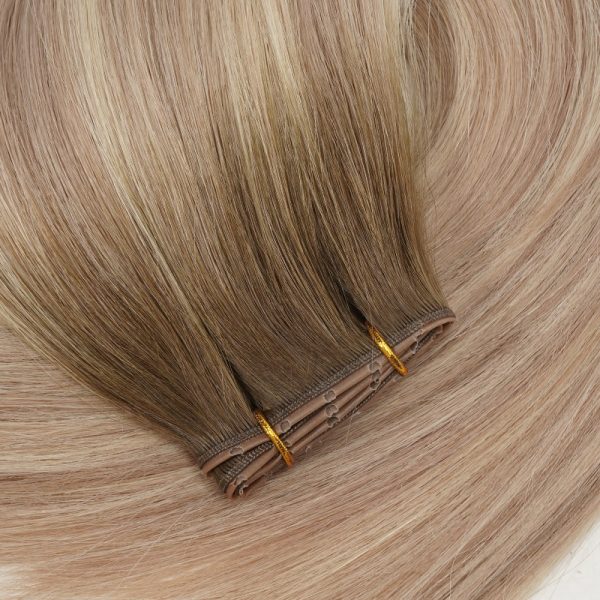
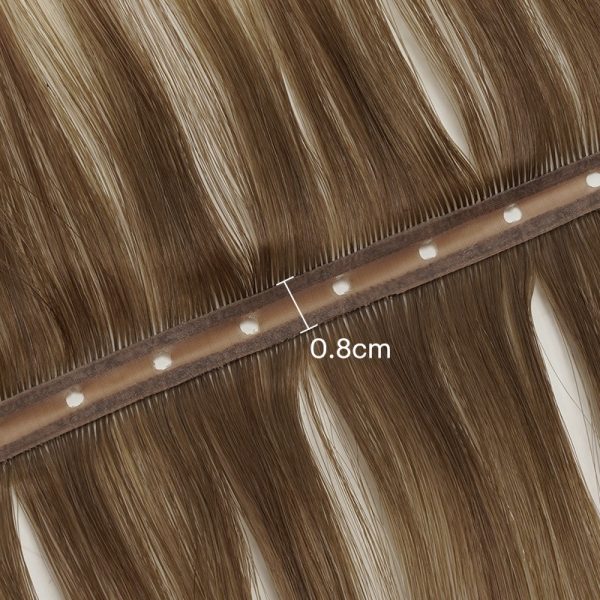
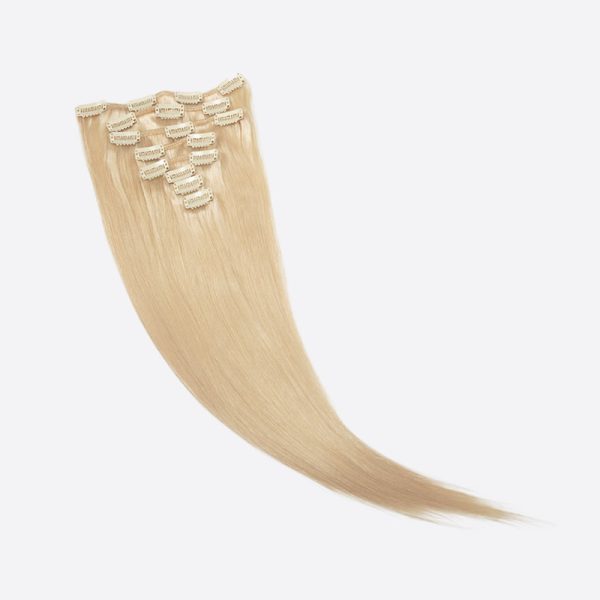
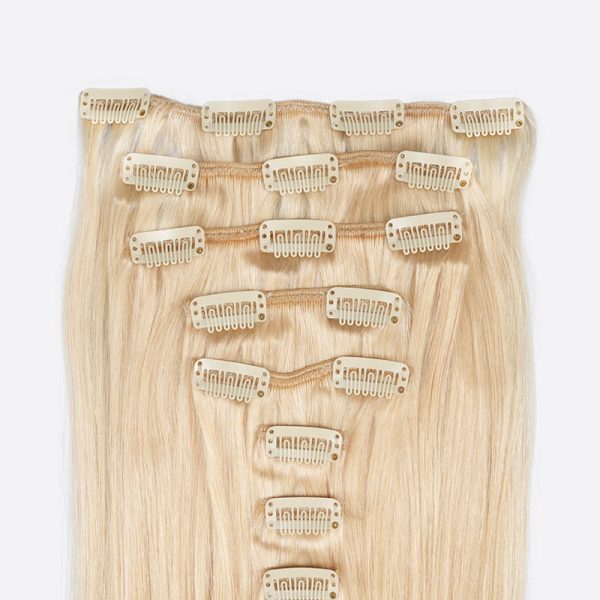
2–3 core products according to your business model, such as Clip-ins for retail, Tape-ins and wefts for salons
-
a few popular lengths such as 18”, 20”, and 22”
-
basic color options based on your target clients
Once you’ve been selling for a while and have a better understanding of your customers, you can gradually move into customization. This is where you begin shaping your own product line.
Customization usually includes:
-
hair type
-
length and density
-
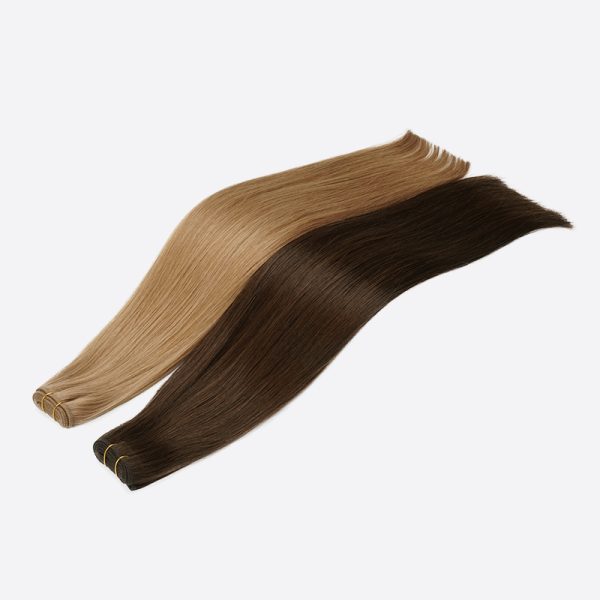
color (single, mixed, Balayage or highlighted tones)
A focused product line makes it easier to control quality, gather feedback, and prepare for branding and packaging in the next stage.
Step 4. Branding and Packaging
This is where your private label hair extensions brand becomes visible.
Visuals spark emotion. A sharp logo and a defined color palette shape your brand identity right away.
Most suppliers can support:
-
logo labels
-
custom packaging
-
branded tags
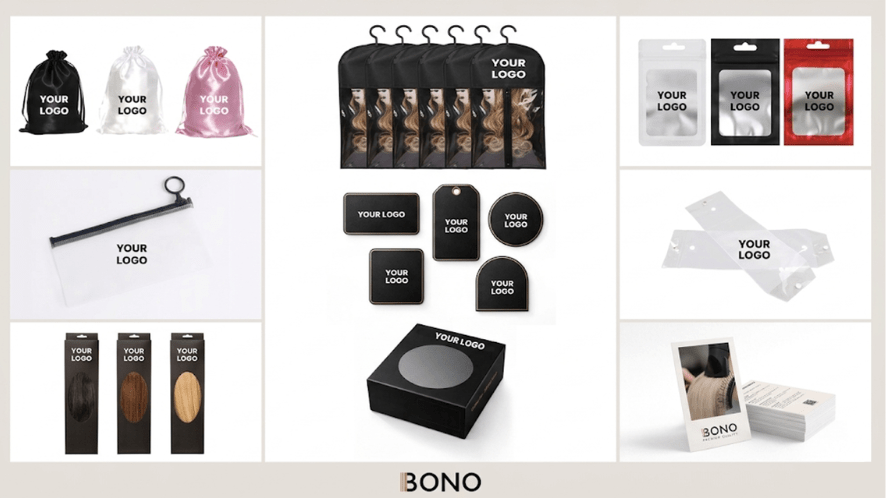
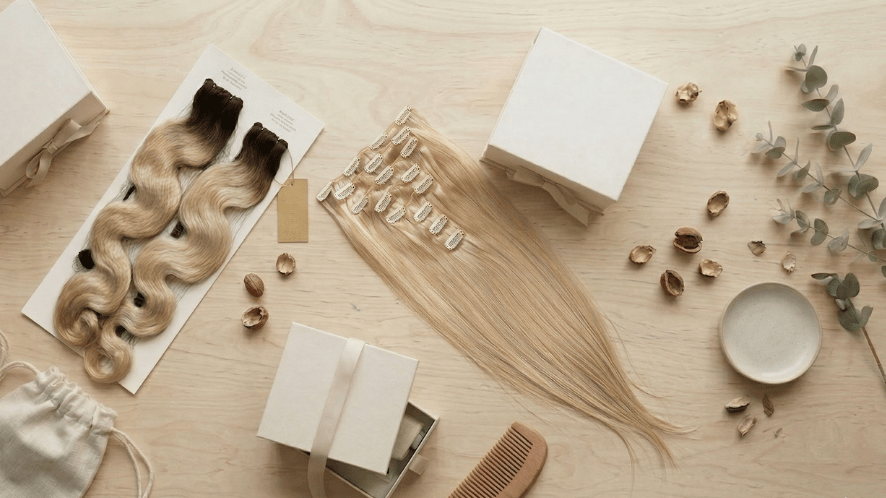
You don’t need anything complicated at the start. Keep the design simple. Cluttered visuals just confuse people. Choose one or two core brand colors and a clean, easy-to-read font. This simple setup grabs attention and signals premium quality without saying a word.
The Power of Custom Labels and Packaging
Bare bundles feel unfinished. Custom labels confirm authenticity and support your pricing. Private label lets you put your authority directly on every single weft.
Invest in rigid boxes or branded satin bags. Quality packaging protects against transit damage and creates a memorable unboxing experience for your customers.
Step 5. Test with Small Orders Before You Scale
Many people focus too much on MOQ, but the real question is:
How much should you order before you fully trust a supplier?
A more practical approach is to start small and test everything in real conditions.
Start with:
-
a sample order
-
a small batch
-
controlled testing before scaling
Don’t just check the product visually—use it like your customers would.
Quality Check: What Actually Matters Most
Testing is where you validate whether your private label hair extension supplier can actually deliver consistent quality.
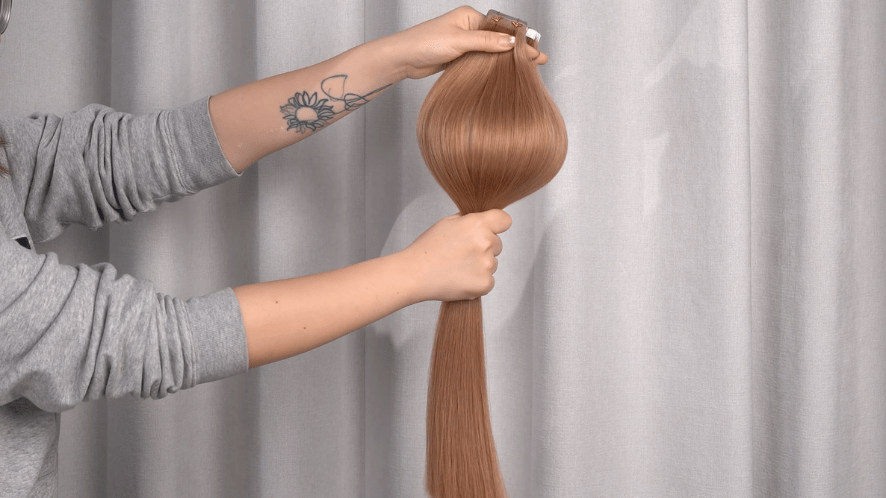
Tier One (critical quality gates)
These are the core quality gates. If any of these fail, the supplier is not ready for scaling.
-
Shedding and strength
-
Gently run your fingers through the hair multiple times and check if strands come loose easily
-
Test the weft or bonding area—does it feel secure?
Excess shedding often points to weak construction or poor processing.
-
Color consistency
-
Compare bundles side by side under natural light
-
Check if tones are uniform across the batch
-
Look for visible color differences or patchiness
Inconsistent color is one of the most common causes of returns.
-
Product construction and finish (often overlooked)
-
Check for any glue residue, overflow, or sticky areas
-
Look closely at bonding points—are there cracks, whitening, or uneven shapes?
-
For tape-ins or bonded types, is the adhesive clean and evenly applied?
-
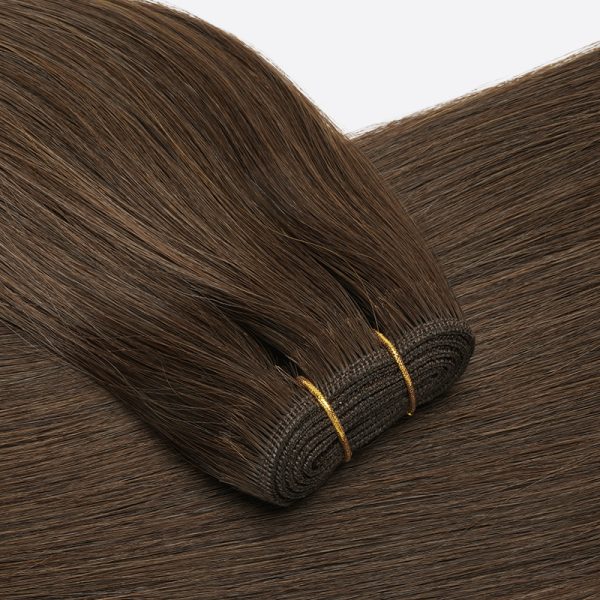
For wefts, is the stitching tight, straight, and consistent?
These issues don’t always show up in photos, but they directly affect durability and professional use.
Tier Two (customer experience factors)
These won’t immediately break the product, but they strongly affect satisfaction and repeat purchase.
-
Hair ends and overall finish
-
Are the ends even and clean, or thin and uneven?
-
Do you see short hairs sticking out (poor sorting)?
-
Does the bundle look consistent from top to bottom?
Uneven ends and mixed lengths will affect how full the hair looks when installed.
-
Hair texture after use
-
Does the hair stay smooth after washing?
-
Does it tangle after repeated combing?
-
Does it feel dry or rough after a few uses?
If tangling shows up early, it usually means raw hair material or processing issues.
Tier Three (professional Validation Tests)
-
Real usage test
-
Wash, dry, and style the hair at least once, check if the texture changes
-
Observe how it reacts to heat tools
Some issues only show up after the first wash, not on arrival.
If issues show up, it’s much easier to fix or switch suppliers. Once you scale, the cost of mistakes becomes much higher.
Common Mistakes When Starting a Hair Extension Brand
When people try to start a private label hair extension brand, these mistakes come up often:
-
Launching too many products too early
-
Choosing suppliers based only on price
-
Skipping proper testing
-
Ignoring long-term consistency
Most of these don’t fail immediately—but they limit growth later.
Bono Hair — An Ideal Long-Term Partner for Private Label Success
If you’re looking for a wholesale hair extension supplier that supports long-term hair extension brand building, working with an experienced manufacturer can make a big difference. Bono Hair has over 20 years of experience in hair production, supported by an in-house factory and a team of skilled technicians.
-
We offer a full range of hair extension products and support custom development, so you can build your own product line based on your market needs.
-
Our production follows standardized processes with strict quality control at each step to ensure consistency across orders.
-
With a low MOQ starting from just 1 piece, it’s also easier to test and refine products before scaling.
If you prefer to evaluate suppliers in person, factory visits are always welcome!
FAQs About Starting a Private Label Hair Extension Brand
How do I start my own private label with a hair extension manufacturer
Start by defining your target market, then choose a reliable wholesale hair extension supplier, customize a small product range, design your brand and package, and test everything before scaling.
Can I start a private label brand from home?
Yes, many brands start this way, especially in the early stage.
You don’t need a salon setup if you are only selling. What matters more is:
-
a simple but functional e-commerce store
-
reliable product supply from your manufacturer
-
clear product presentation (photos, videos, specs)
Most suppliers can provide product visuals, but it’s still better to review and standardize them before using in marketing.
Depending on your location, licensing requirements usually apply to service providers (like salon work), not online product sales—but it’s always worth checking local regulations.
How much inventory should I buy for my first order?
Keep it small and controlled.
Start with 2–3 core products that already have proven demand. The goal of your first order is not scale—it’s validation.
Before increasing volume, make sure:
-
samples match bulk production quality
-
no consistent defects appear in production
-
customer feedback is stable
-
packaging and branding hold up in real delivery conditions
Once these are confirmed, then it makes sense to scale up inventory gradually instead of committing too early.