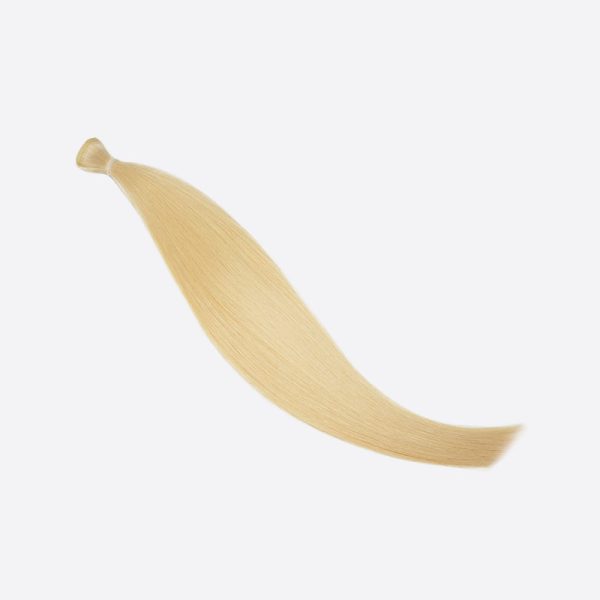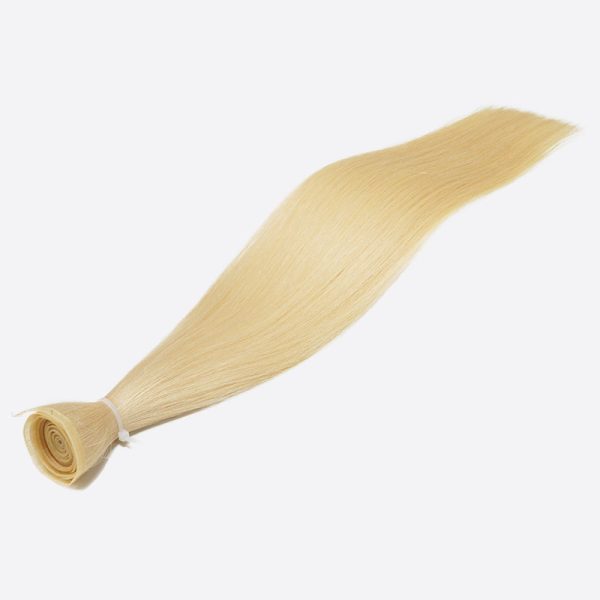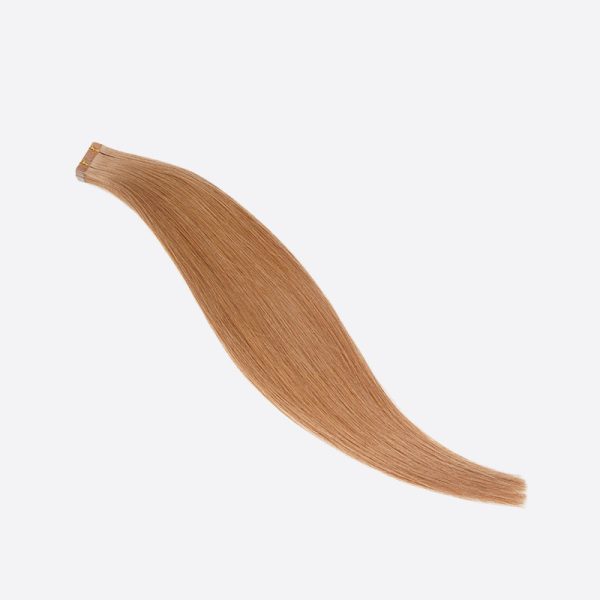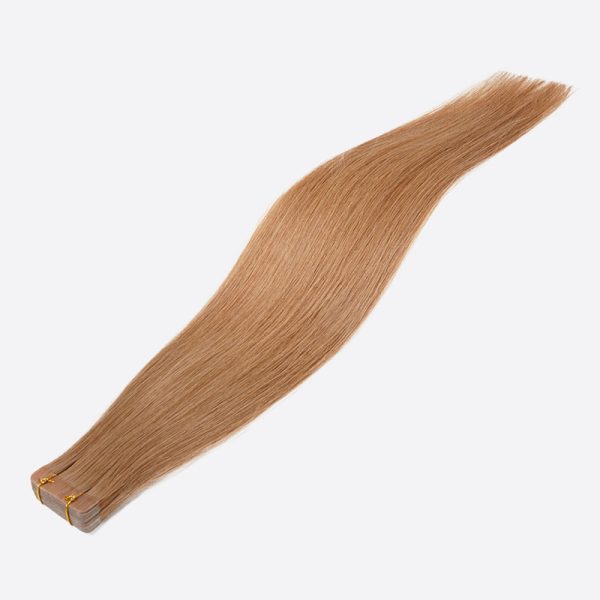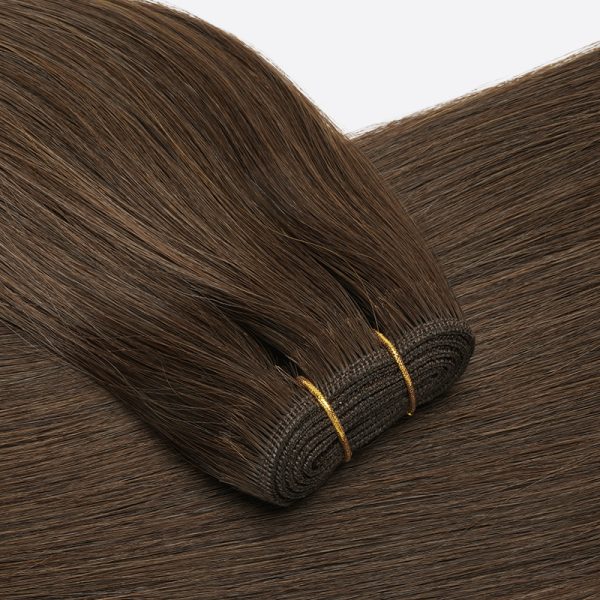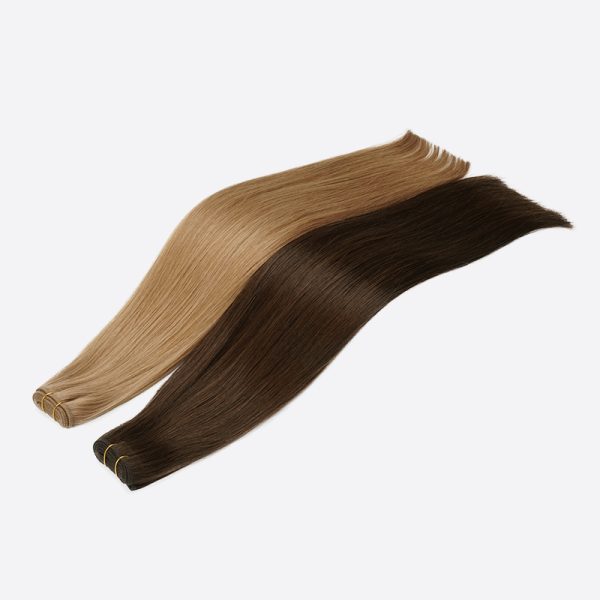











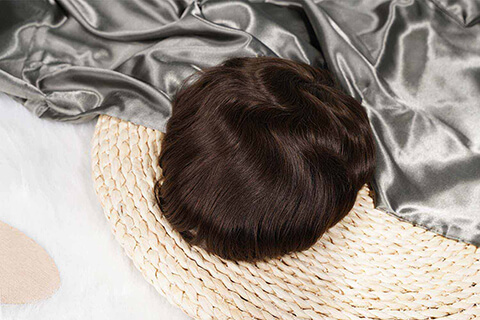





Choosing the right hair extension manufacturer isn’t just about price—it’s more about quality, consistency, and supply capacity.
A lot of buyers start by comparing quotes from different hair extension suppliers, but quickly realize something feels off. Samples look good, but bulk orders don’t match. Colors vary. Hair starts tangling after a few washes.
That usually comes down to one thing: how the manufacturer actually handles the hair behind the scenes.
In this guide, we’ll walk through how to choose a reliable hair extension supplier—from raw material control to final quality checks and services. Let’s break down what really matters before placing an order.
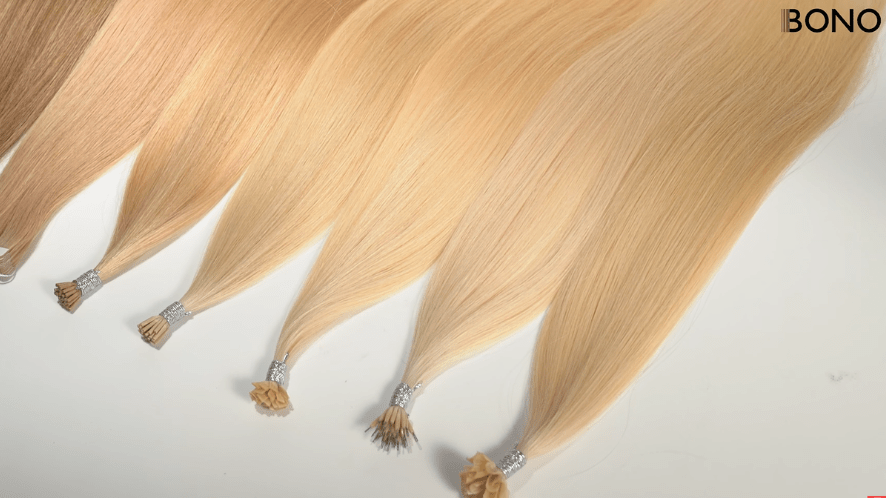
Key Takeaways
-
Focus on the long-term stability and consistency when choosing a hair extension manufacturer or supplier.
-
Most quality issues don’t come from samples, but from batch-to-batch production differences.
-
A reliable supplier should have clear control over the full process, from production to delivery.
-
Product quality and service capability are both very important when evaluating a hair manufacturer.
-
Knowing how hair is processed helps you avoid common sourcing mistakes and reduce business risk.
-
Direct factories with structured production systems usually offer more control and flexibility than middlemen.
-
The right supplier is not just a vendor, but a long-term partner for your business growth.
Where Are Hair Extension Manufacturers Located?
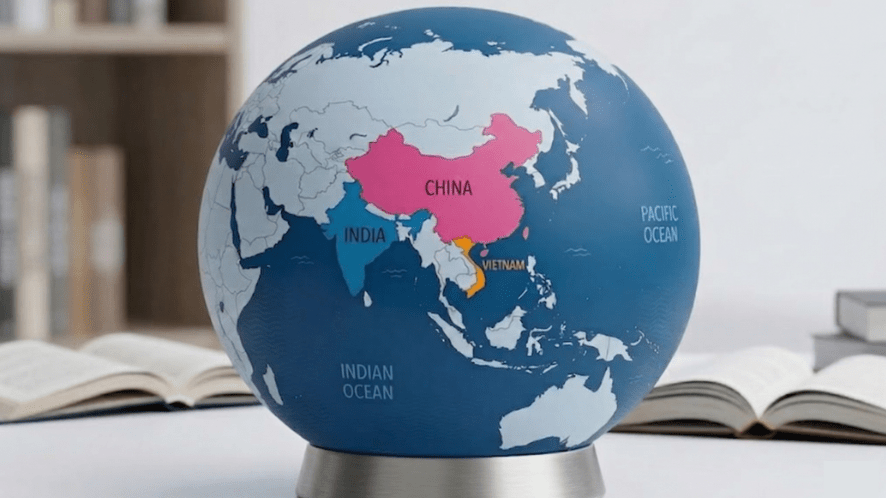
Most hair extension manufacturers are located in China, Vietnam, and India. These regions have strong supply chains and access to raw hair.
But here’s the part many buyers miss: Two hair suppliers in the same country can deliver completely different quality.
Why?
Because what really matters is not where the raw hair comes from, but:
-
how they sort and process raw hair
-
how they turn raw hair into hair extensions
-
and how they control consistency across batches
In a word, location gives you access, and the process determines quality.
Types of Hair Extension Suppliers: Identifying the Direct Manufacturer
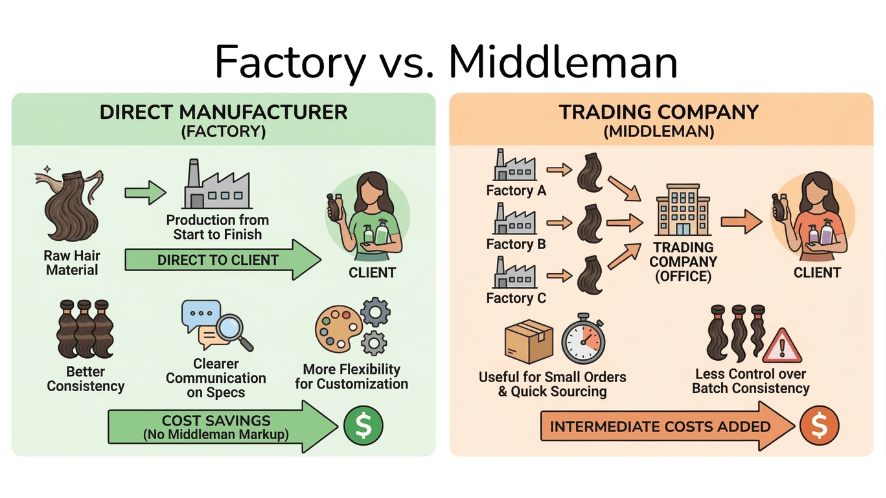
Before you decide who to work with, it helps to understand the different types of hair extension suppliers.
-
Direct Manufacturers (Factories)
A hair extension factory controls production from start to finish. That usually means:
-
better consistency
-
clearer communication on specs
-
more flexibility for customization
This is often the best option if you’re planning long-term sourcing or building a brand.
-
Trading Companies (Middleman)
Trading companies don’t produce hair themselves. They source from multiple factories. This can be useful for:
-
small orders
-
quick sourcing
But the trade-off is: less control over batch consistency
-
Private Label Suppliers
Some suppliers focus on private label services. They can help with:
-
packaging
-
branding
-
product standardization
But it’s still important to ask: Do they actually control production (factories), or are they outsourcing (middleman)?
How Hair Extensions Are Actually Made
As we mentioned before, hair extension quality isn’t just about the raw hair—it’s about how it’s processed.
In general, the production process includes:
-
raw hair collection & sorting
-
chemical processing (cleaning, dyeing & stabilization)
-
product forming (extension manufacturing)
-
quality inspection
-
packaging & labelling
Each step affects how the hair behaves in real use—especially when it comes to tangling, smoothness, and lifespan. By knowing how hair extensions are actually made, you will know exactly what to look for in a reliable manufacturer.
If you want a deeper breakdown of each step, check out our full guide on how hair extensions are made.
What Should You Look for in a Hair Extension Manufacturer?
Basically, you’re looking for two things: product quality & consistency + service & supply capability.
Product Quality & Consistency (Can They Deliver Stable Results?)
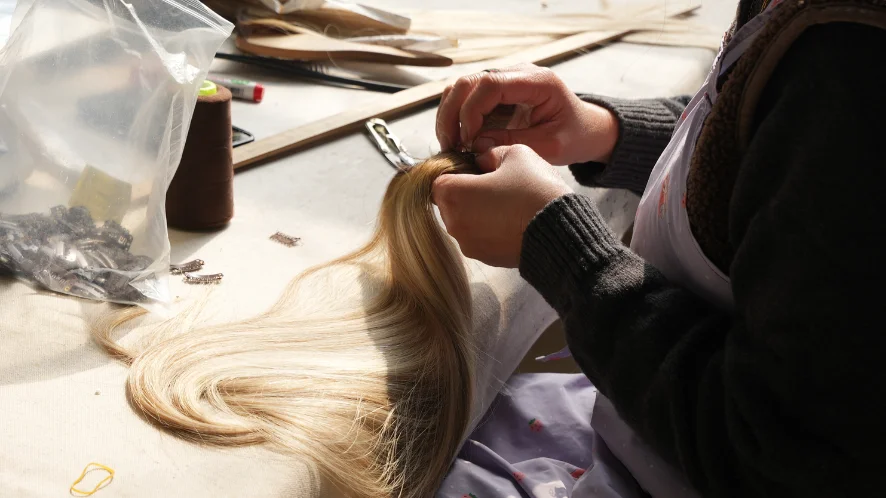
If you’re trying to choose a hair extension manufacturer, don’t just look at the final product. Look at how they get there. An in-person visit is always the best move. But if you can’t make the trip, look for their online videos, photos, and blogs.
Here is a pro tip: a real manufacturer loves to show you how they work. If they can’t provide any photos or videos of their production lines, there’s a good chance they aren’t the real deal.
-
Raw Hair Inspection Standards
Good manufacturers are very careful about hair sorting. They typically:
-
check shine and color consistency under proper lighting
-
remove tangled or mixed-direction hair
-
wash and test how the hair behaves
This step has a huge impact on the following processing and final hair extension quality.
-
Cuticle Alignment Control
One of the biggest reasons hair extensions tangle is cuticle misalignment. Unlike general hairpieces, hair extensions usually require the highest quality hair to make sure the cuticles remain intact and perfectly aligned in one direction from root to tip. That’s why high-end hair extensions are often made from 100% human virgin hair.
During processing, the hair should be:
-
gently aligned
-
kept in the same direction
-
handled without flipping
If this step is rushed or skipped, tangling becomes almost unavoidable.
-
Chemical Processing Control (Bleaching & Dyeing)
Not all hair reacts the same way to chemical processing. A reliable hair extension manufacturer will:
-
adjust formulation and processing time based on color goals
-
monitor hair condition during treatment to protect its structural integrity
-
avoid over-processing
Especially when producing lighter colors, control is critical to maintain the hair’s elasticity and lifespan.
-
Color Consistency Across Batches
Professional hair extension suppliers don’t rely on visual judgment alone.
They have skilled and experienced technicians to:
-
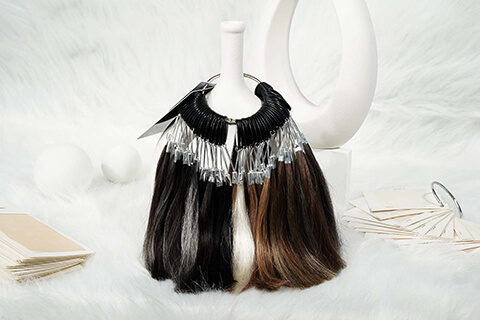
compare against standard color references or custom color requirements
-
control batch variation
-
adjust blending for multi-tone colors
This is essential if you’re a salon or you’re supplying repeat customers.
-
Product Forming & Workmanship Control
After the hair is processed, it is turned into different extension types such as tape-ins, wefts, clip-ins, or keratin tips. At this stage, craftsmanship consistency becomes critical.
Manufacturers typically:
-
ensure attachment points (tape, glue, stitching) are clean and firmly secured
-
check weft edges, bonding points, and stitching lines for uniformity
-
make sure no loose threads, misaligned strands, or uneven density appear
This step directly determines how stable and durable the extensions will be in real salon use.
-
Post-Treatment & Conditioning
After processing, proper finishing makes a big difference. Typical steps include:
-
multiple washes to remove residue
-
conditioning treatments to restore softness
-
controlled drying to protect color
-
moisture replenishment to restore the hair’s natural elasticity and shine
Lighter colors, for example, often require lower drying temperatures to avoid damage.
-
Final Quality Inspection
This is the last quality check before the products leave the factory. A reliable hair supplier should have strict and structured quality checks before shipping.
This usually includes:
-
smoothness testing (combing multiple times to ensure no tangling or resistance)
-
checking for shedding, flyaways, and overall hair cleanliness
-
checking color ratio for mixed styles (like Piano or Balayage)
-
verifying attachment quality and structural consistency (tape, weft, or bonding points)
Service & Supply Capability (Can They Support Your Business Long-Term?)

Good products matter—but long-term cooperation depends just as much on how a supplier works with you day to day.
A reliable hair extension manufacturer should be able to support your business beyond just delivering the product. When evaluating a supplier, it helps to look at:
-
smooth Communication: clear and responsive communication when discussing specs, orders, and changes
-
consistent quality: the ability to handle repeat orders without quality shifts between batches
-
scale with you: flexible MOQs and options for product customization as your business grows
-
private labeling & branding: support for private label or branding if you plan to build your own line
-
transparent lead times: stable lead times and reliable delivery schedules
-
marketing assets: openness to providing high-quality product pictures and videos for branding order, not just a one-time deal
These factors may seem secondary at first, but they often make the biggest difference once you start placing regular orders.
Common Types of Hair Extensions You Can Source
Most hair extension suppliers offer a range of product types depending on your needs:
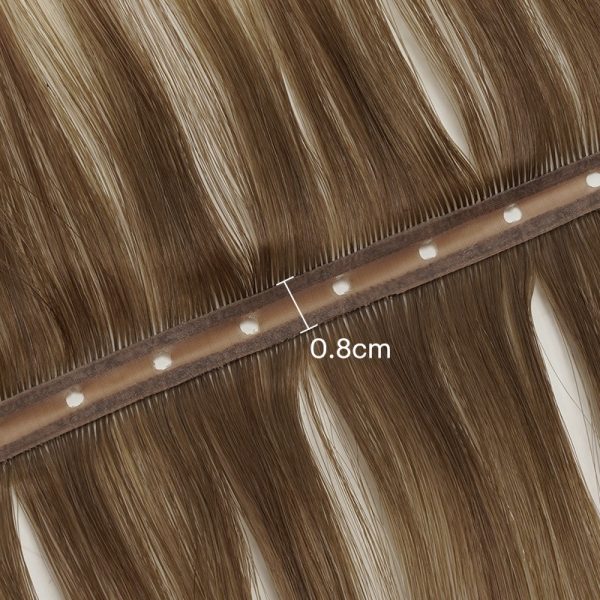
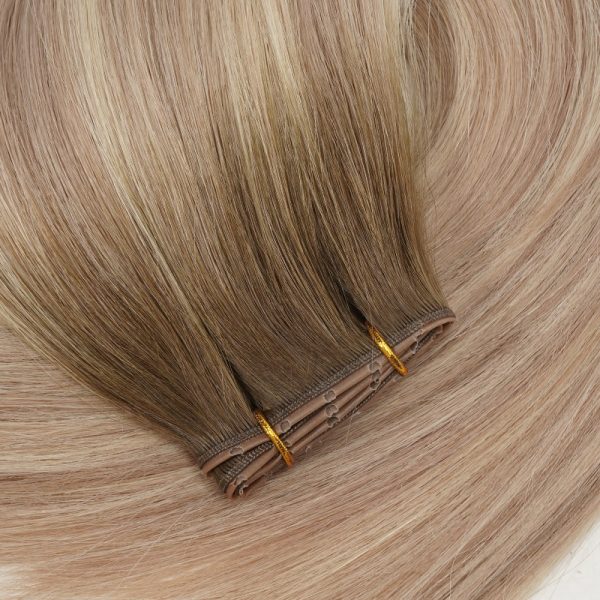
1. Wefts (such as Machine weft, Hand-tied weft, Genius weft)
2. Keratin Tips (such as Flat Tip, V-Tip, U-tip)
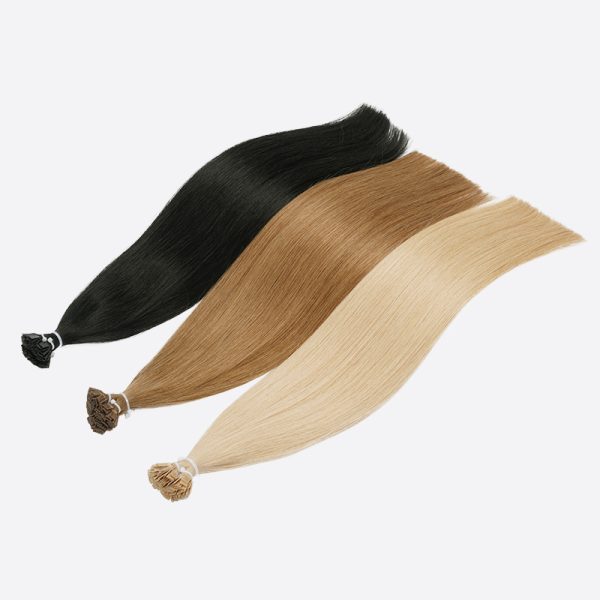
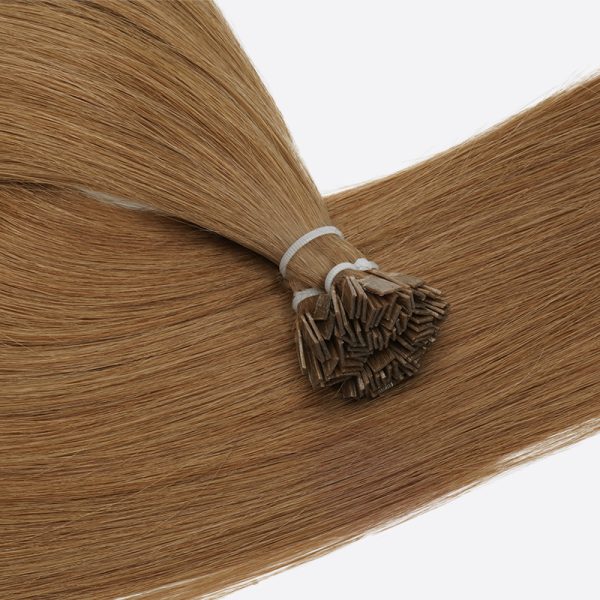
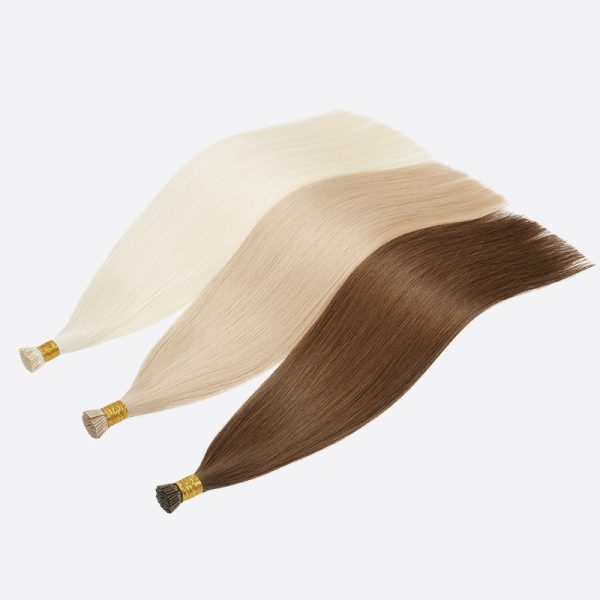
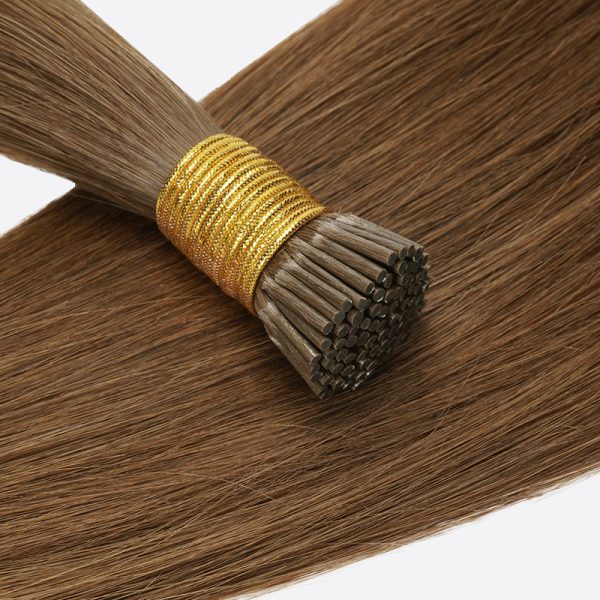
3. Micro Rings (such as I-Tip, Y-Tip)
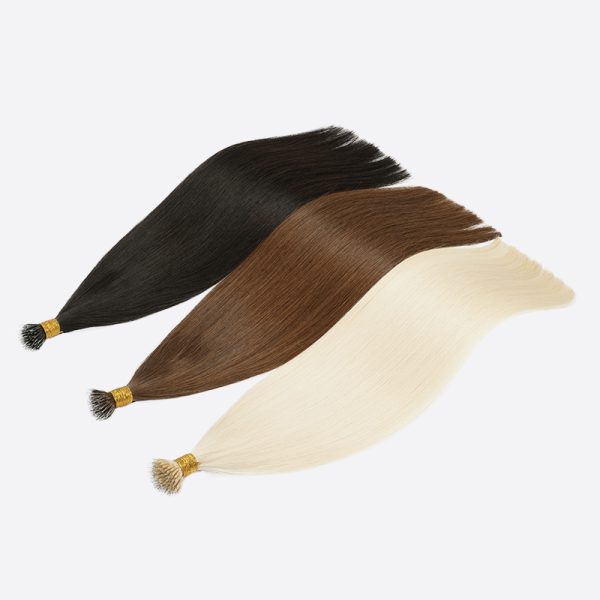
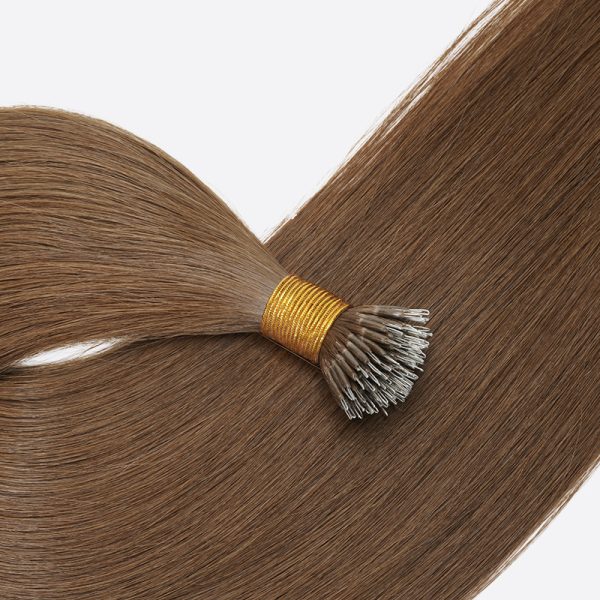
4. Nano Rings (such as Metal Nano Tip, Flex Tip Nano)
5. Tape-ins (such as Mini Tip-in, Invisible Tip-in)
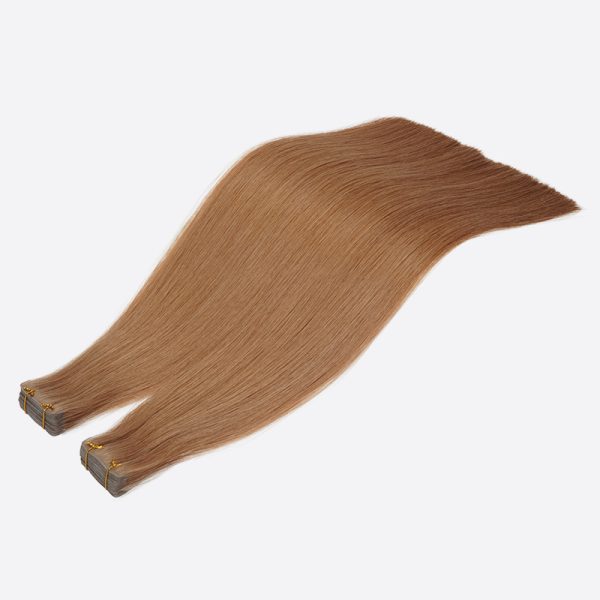
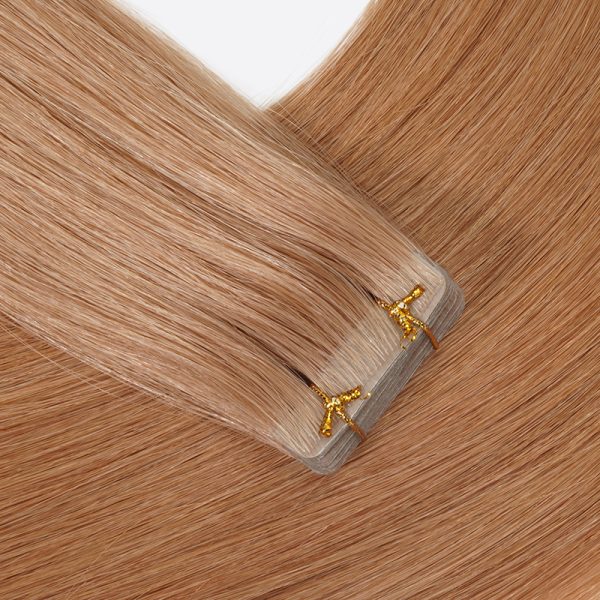
HAIR EXTENSIONS
Invisible Tape In Hair Extension
6. Clip-ins
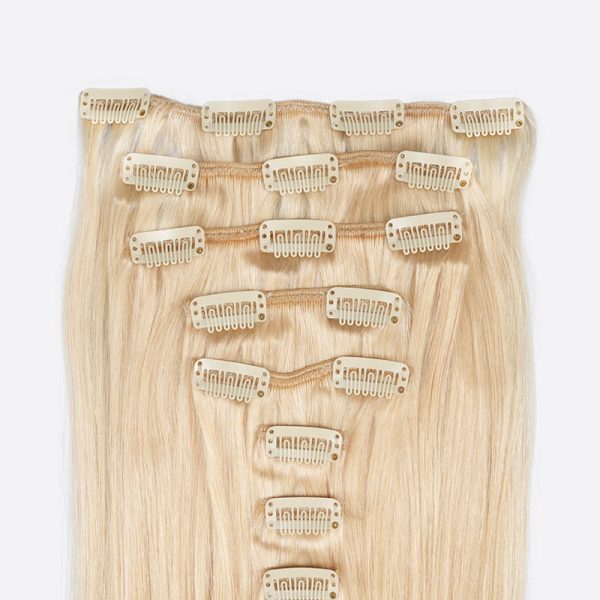
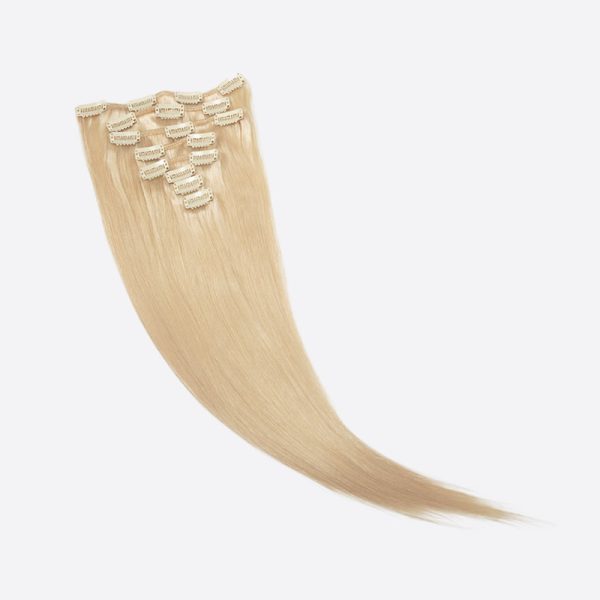
Clip in Hair Extension
Clip In Hair Extensions Are Blonde Clip In Hair Extensions From Bono Hair
7. Halos
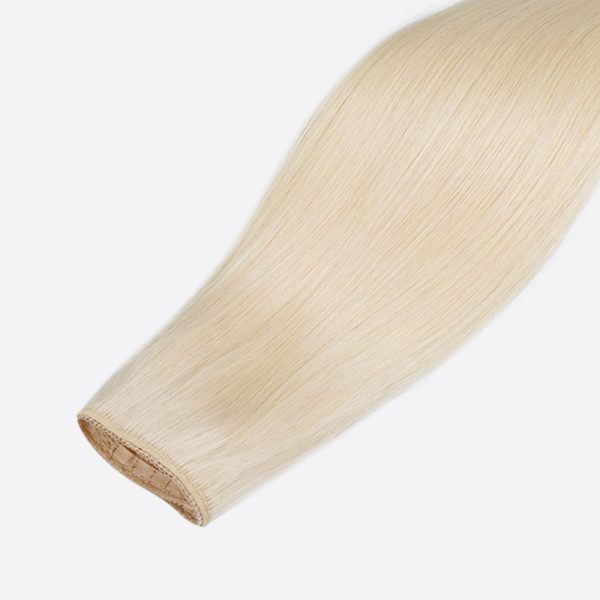
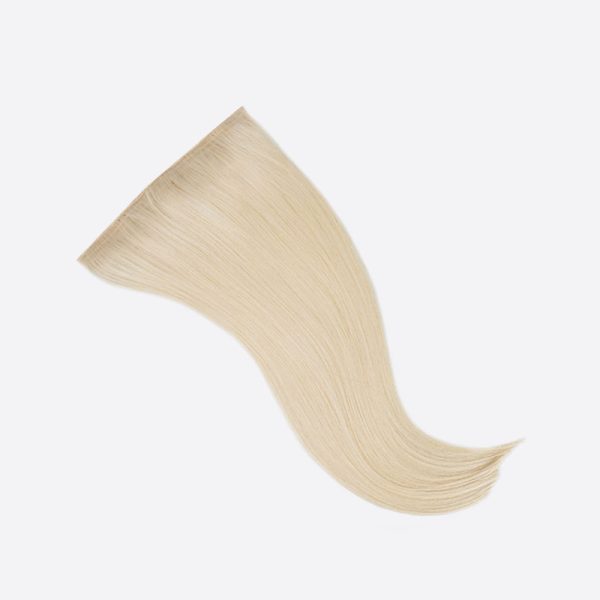
8. Ponytails
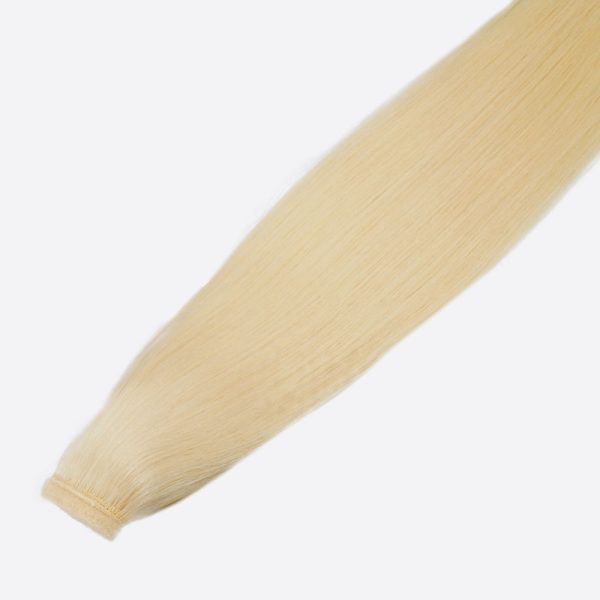
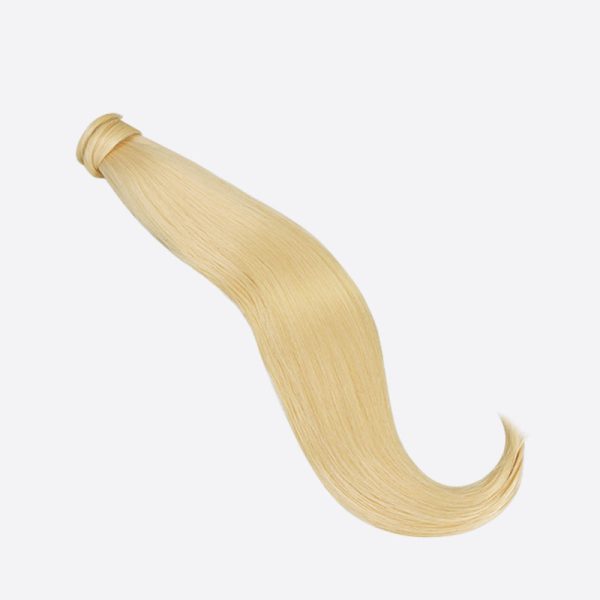
Each type is designed for a specific application method, ranging from semi-permanent salon installations to temporary styling solutions, so you can choose the most suitable option based on your target customers and the services you offer.
Common Mistakes When Choosing a Hair Extension Supplier
When trying to choose a hair extension Supplier, these mistakes you should avoid:
-
focusing only on price instead of overall quality and stability
-
skipping sample testing before placing bulk orders
-
ignoring batch-to-batch consistency across production runs
-
not asking in detail about production processes and quality control systems
These issues may not be obvious at the beginning, but they often show up later as quality inconsistency, customer complaints, or unstable supply.
Conlusion
At Bono Hair, we’ve been working in wholesale hair extension manufacturing for over 20 years, and we run our own factory where we handle the full production process—from raw hair selection all the way to final quality control. If you’d like to test the quality or talk through your ideas, feel free to reach out—we can prepare samples and give you a tailored quotation based on your needs.
Bono Hair also supports private label services. If you’re planning not just to source products but to build your own brand, you might also want to read our guide on how to start a private label hair extension business.
Frequently Asked Questions About Choosing a Hair Extension Manufacturer
What are the hair extension trends for 2026?
Total supply chain transparency. Salons are ditching middlemen for direct factories with vertical integration. Clients demand ethically sourced raw materials. Being able to explain sourcing and production clearly is increasingly important for building trust and long-term business.
How can you identify high-quality remy hair with intact cuticles?
The friction test. Run your fingers up the hair shaft toward the root. You must feel slight resistance. Smooth both ways means it it may have been heavily processed, which can affect how it performs over time. In real use, this often shows up as tangling or reduced lifespan after a few washes.
How long does it typically take to switch manufacturers?
Three to six months. Minimum. You need a full sampling phase, wash testing, and a trial production run. Rushing the process can increase the risk of quality issues, so it’s generally better to move step by step and make sure the supplier meets your expectations before scaling up.