










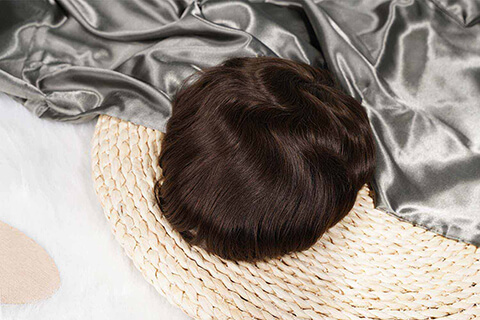
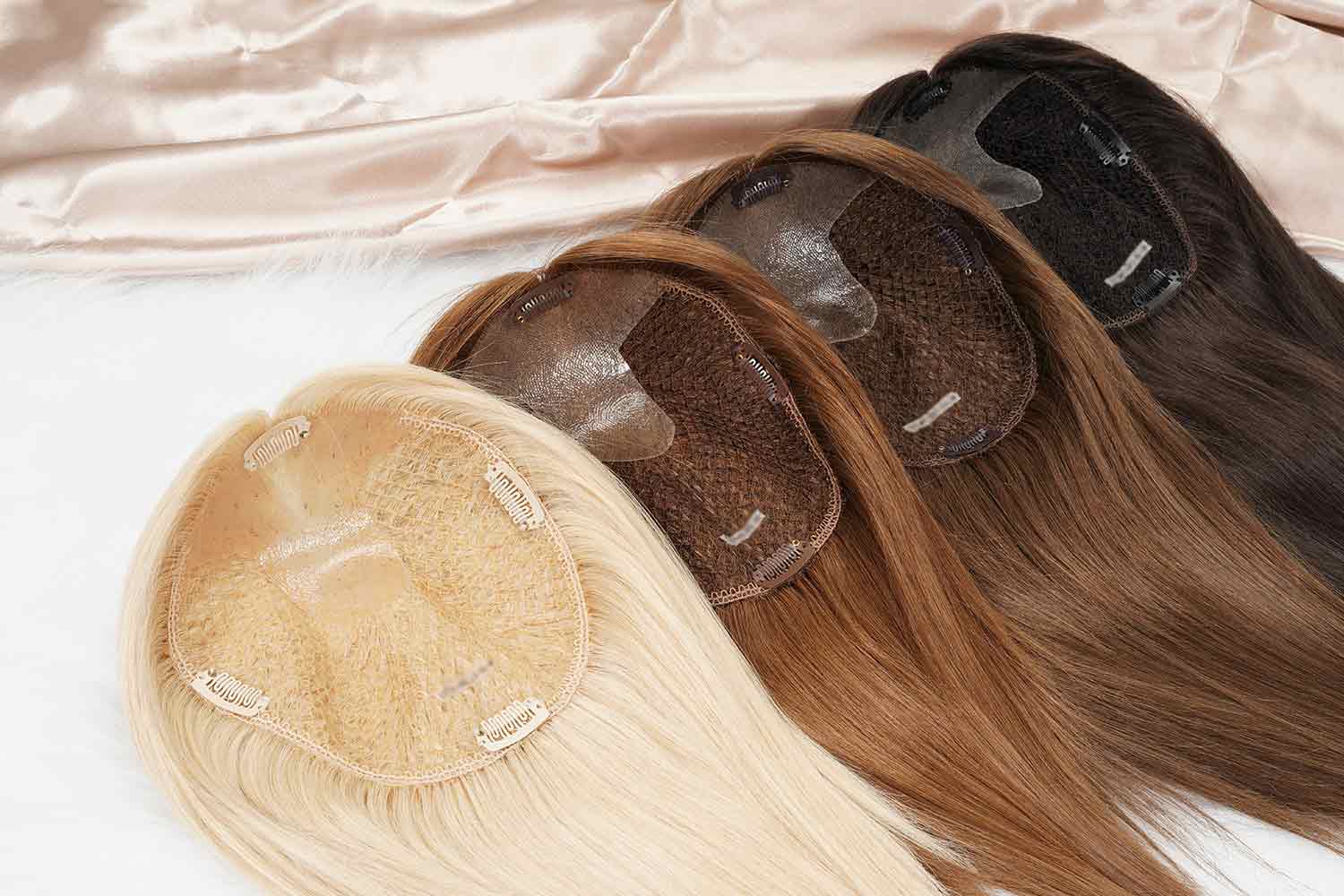


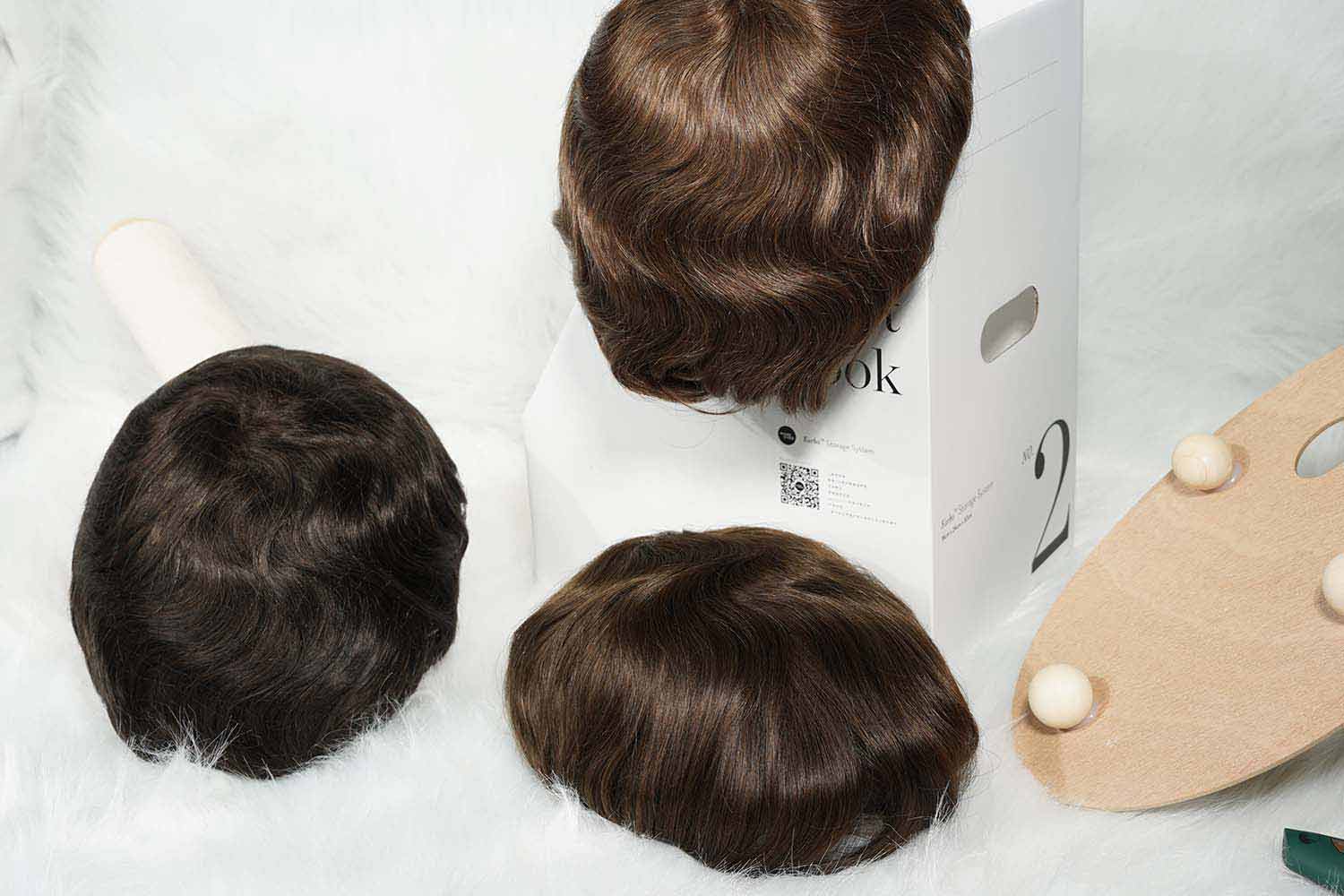
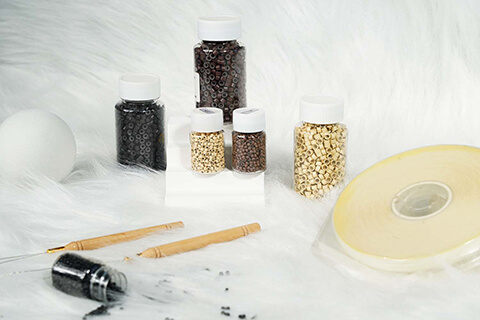

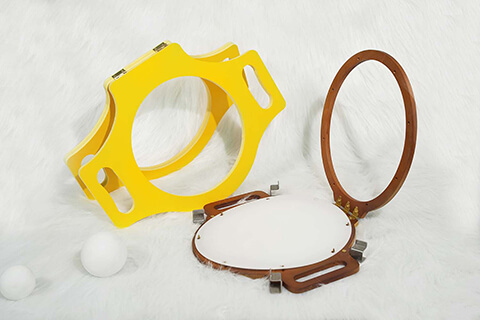
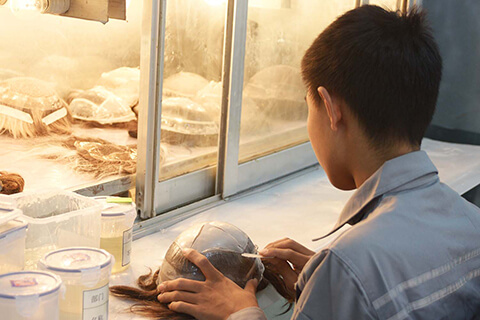
Ever wondered what actually happens inside a hair system factory before a finished unit lands in your salon?
Most salons only see the final result — the hairline, the density, the color, the movement of the hair. But before that system gets packed into a box, it passes through multiple factory rooms, teams of workers, and dozens of small manual steps.
And honestly, this process matters more than many people realize. Manufacturing quality directly affects what happens later, like how natural the system looks and how it performs in daily wear.
Today, let’s step inside a professional hair system factory and see how the process actually works.
Key Takeaways
What Makes a Reliable Hair System Factory?
Not every factory runs the same way.
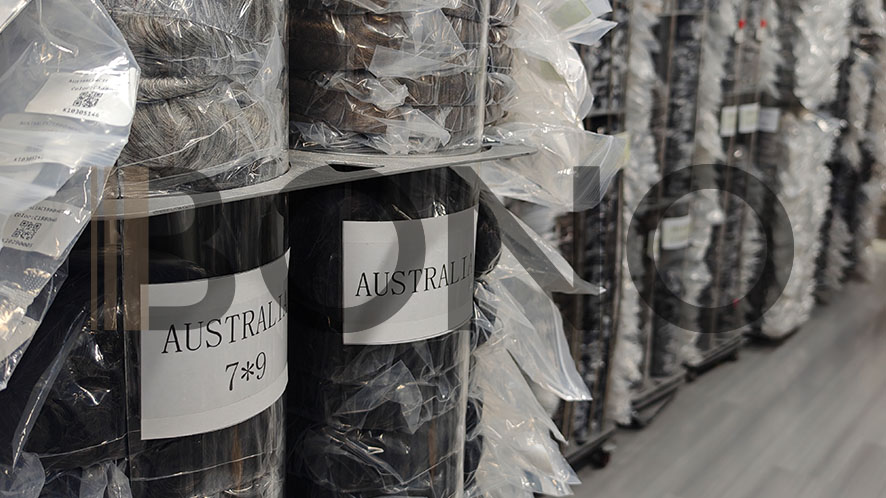
Some focus heavily on low-cost volume production. Others spend years building systems around system quality, customization, and production consistency.
For salons and distributors, that difference shows up very quickly after a few reorders.
Production Consistency
One good sample is easy.
The difficult part is reproducing the exact same unit over and over again. Especially when working with real human hair, where every batch behaves slightly differently during coloring, processing, and curling.
This is why larger factories build standardized hair grading systems and documented production and QC process instead of relying entirely on visual judgment and technicians’ experience.
Hair Quality Control
Strong factories monitor hair quality throughout production. That includes:
-
cuticle condition
-
hair resilience
-
texture consistency
-
moisture balance
Because once poor-quality hair enters production, problems tend to snowball later.
Customization Capability
Real custom work is rarely simple.
A client may request:
-
unusual sizes
-
mixed base materials
-
special density transitions
-
grey placement control
-
special attachment method
-
duplicate systems copied from old units
A factory with mature production systems can handle these situations much more smoothly.
Delivery Stability
Production delays affect salon appointments, client schedules, and inventory planning too.
Reliable factories tend to build more realistic lead times and organized workflows effectively instead of blindly accepting every rush order that comes in.
OEM & Private Label Support
For distributors and growing hair brands, OEM capability becomes increasingly important.
This may include:
-
branded packaging
-
barcode systems
-
custom labels
-
SKU management
-
batch tracking
-
salon-ready packaging
To understand why all this matters, let’s walk through how the production process actually works inside a professional hair system factory.
Step-by-Step: How Hair Systems Are Made
Step 1: Hair Sourcing & Processing
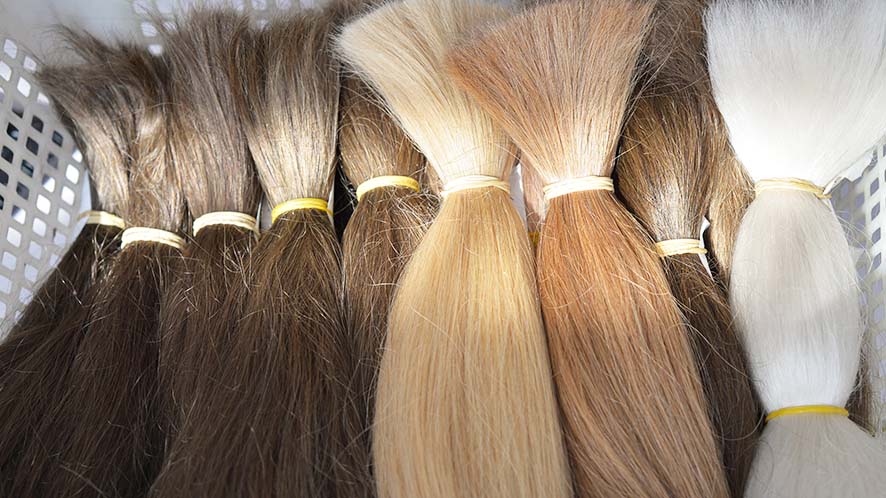
Everything starts with the hair itself.
Raw hair is sourced through verified channels and is categorized and graded accordng to the factory’s established standard. Before the hair can be ventilated into a base, it goes through several preparation stages.
Workers sort the hair by length, texture, color, and cuticle alignment, while also removing short hairs and inconsistent strands by hand. You’ll often see trays filled with short hairs removed during sorting. Workers often spend hours simply pulling out inconsistent strands to keep later blending more stable.
After that, the hair is cleaned, processed, colored, and texturized based on the order requirements.
This stage takes constant adjustment.
Hair from two different batches may absorb dye differently even if the formula stays the same. Humidity, previous chemical exposure, and hair thickness can all change the final result. Workers regularly pull small samples during coloring to compare shades under light before continuing the process.
Step 2: Hair Blending
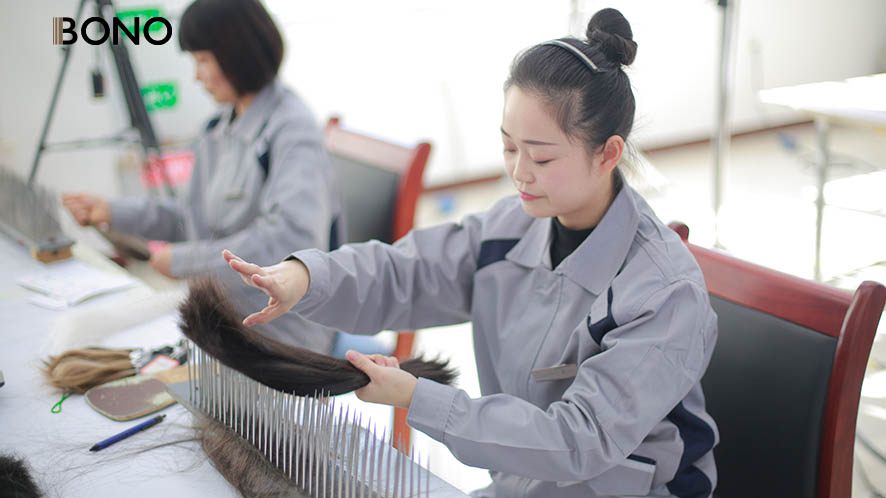
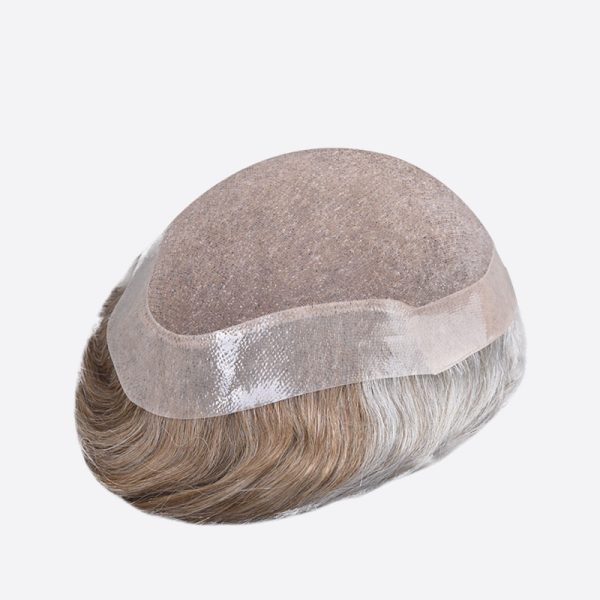
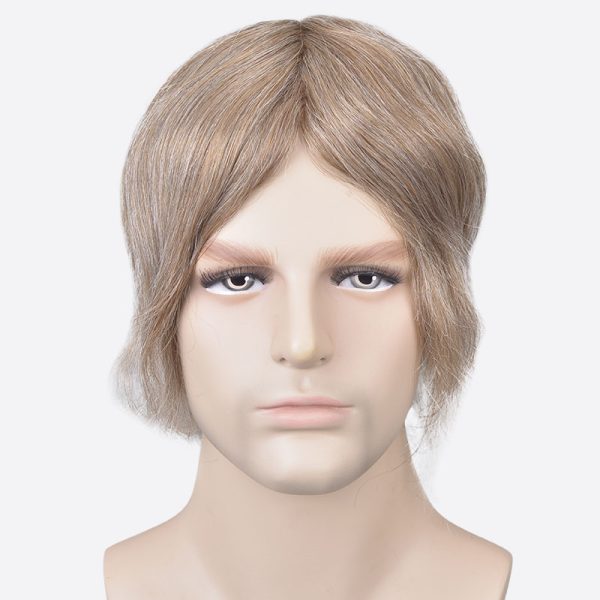
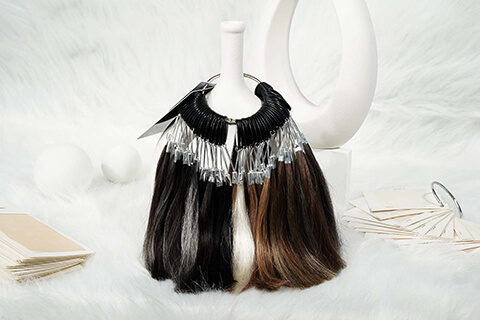
This step is where you get a 5% grey mix. Different shades are blended to hit the desired color.
And hair blenders still need to carefully draw the hair through drawing cards to weed out any remaining short or sub-standard strands. This ensures the ventilating team receives hair that is 100% ready for immediate use.
This step is easy to overlook from the outside, but it plays a huge role in production consistency.
Step 3: Mold Making & Base Construction
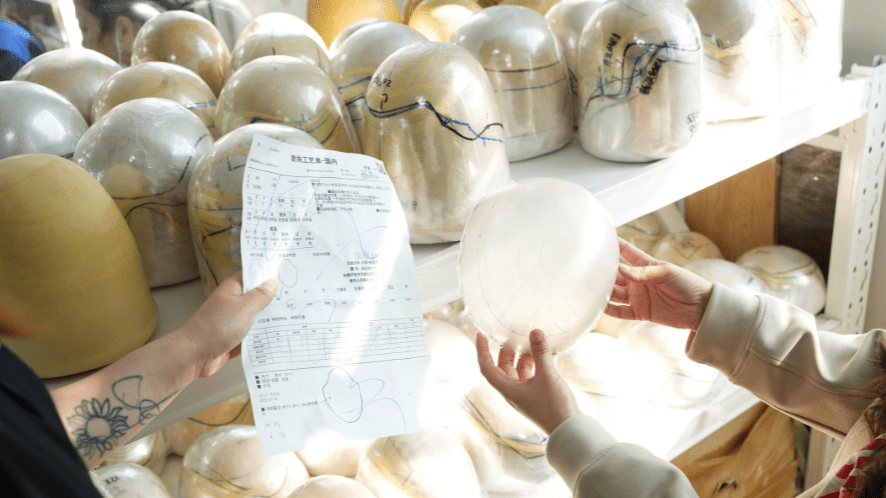
Before ventilation starts, the base itself needs to be prepared.
For stock hair systems, factories usually work from existing molds and standardized templates. For custom orders, the mold may be created directly from a client template.
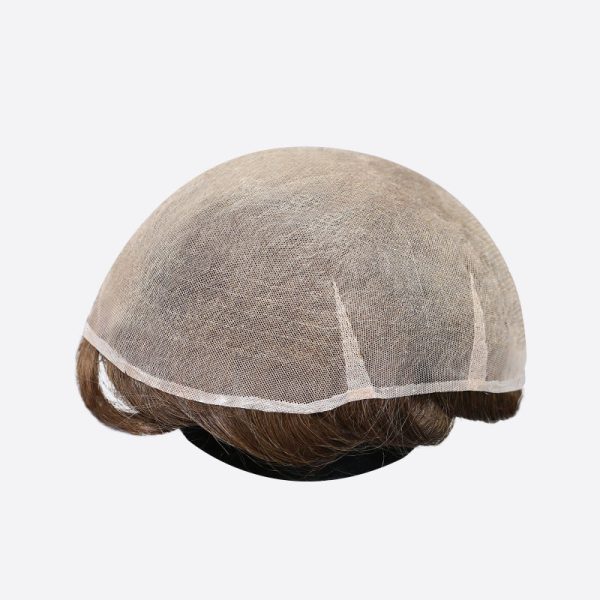
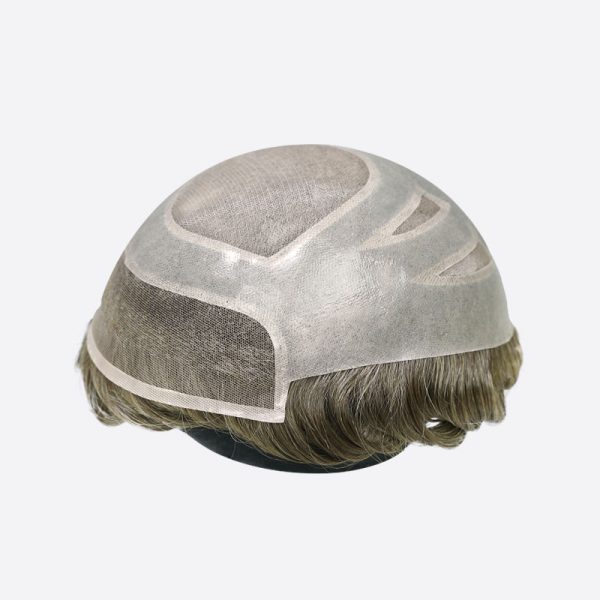
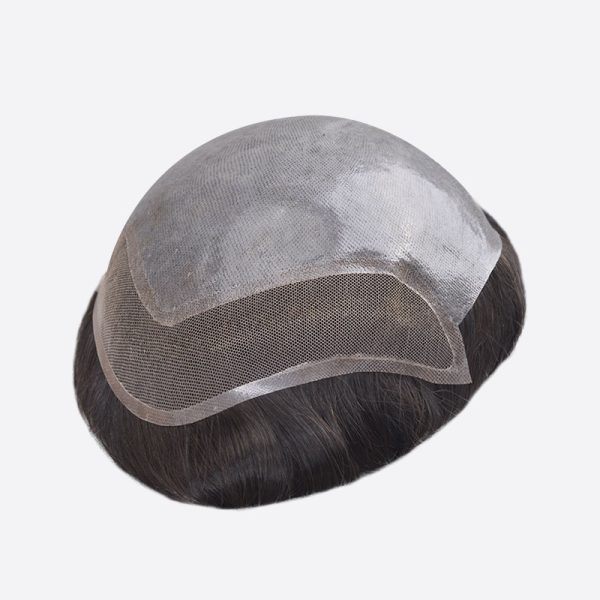
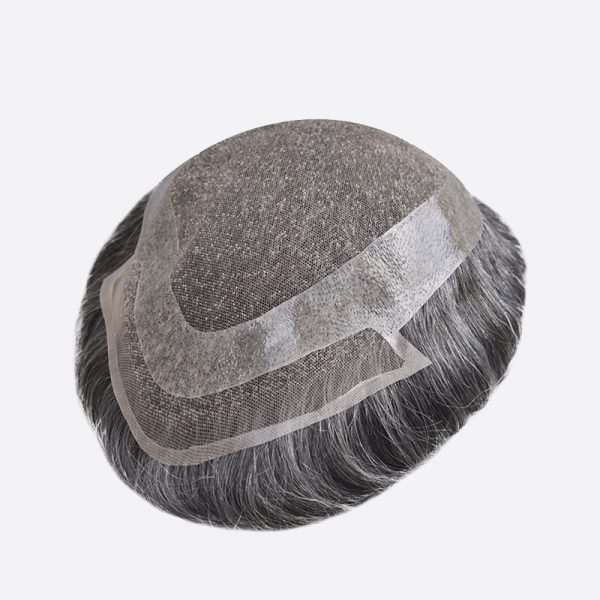
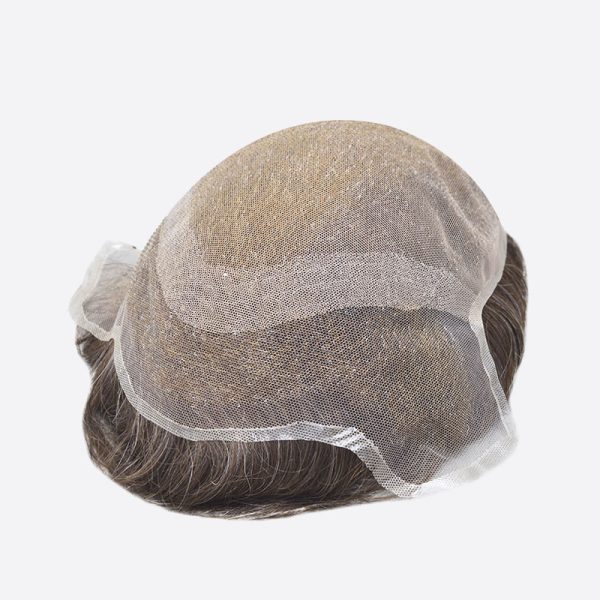
The base materials such as poly, lace, and mono are then shaped, cut, and pieced together directly over the mold to form the hair system base.
Depending on the system type, this may involve:
-
lace cutting, heat-pressing, and hand-stitching
-
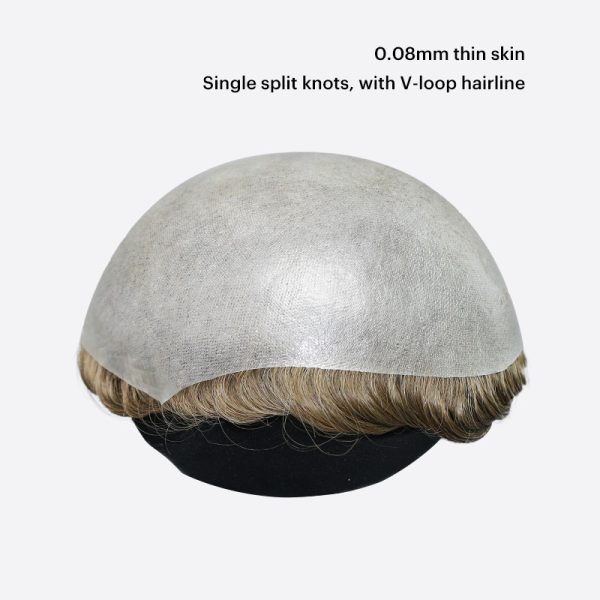
polyurethane coating
-
mono piecing
-
back or perimeter reinforcement
Balancing realism, breathability, durability, and maintenance is a constant pursuit for hair system manufacturers.
Step 4: Ventilation & Knotting
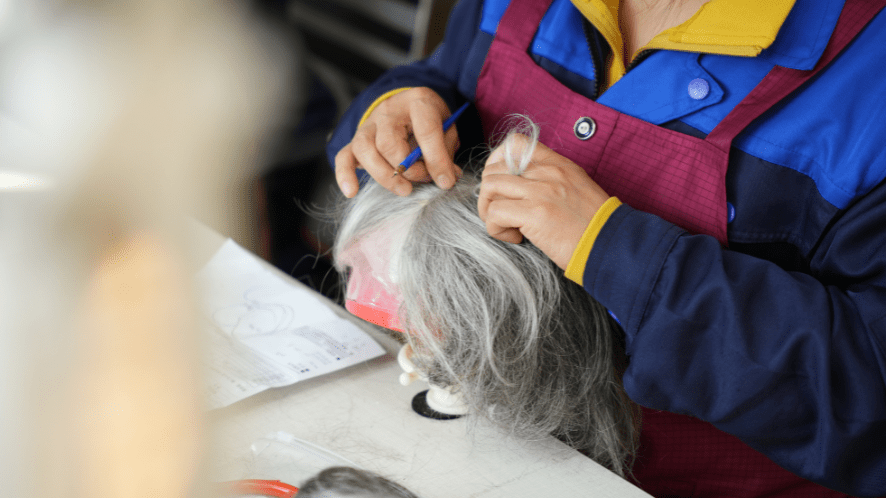
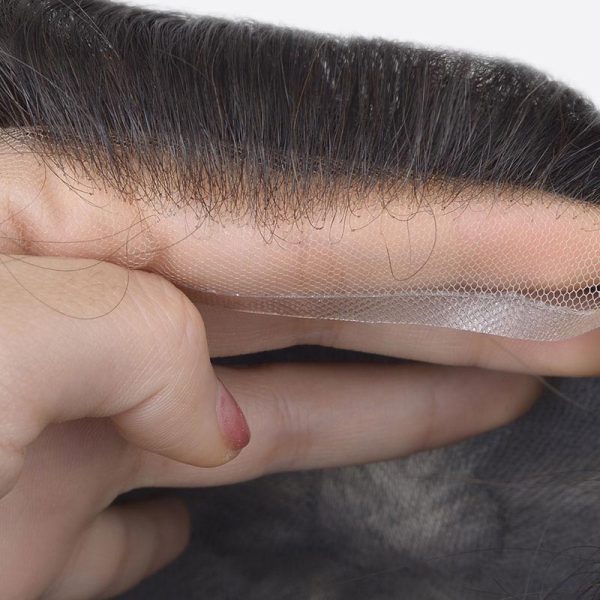
This is where the hair system truly starts coming to life. And even today in 2026, much of this work is still done by hand.
A men’s hair system can easily take around a week to ventilate depending on the density, base type, and customization level.
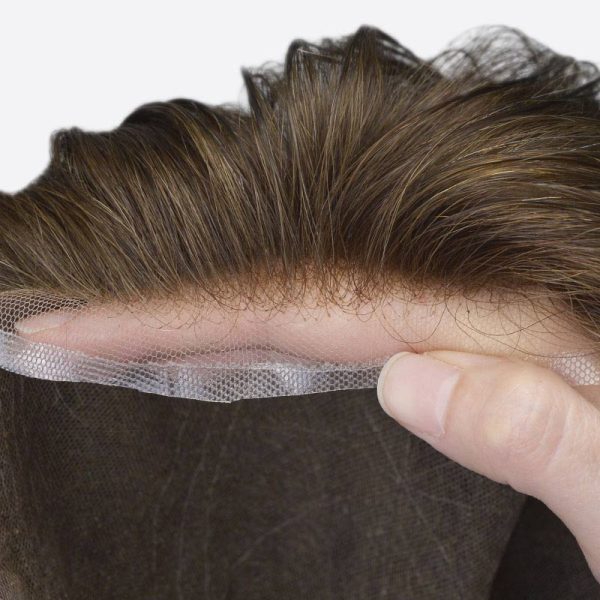
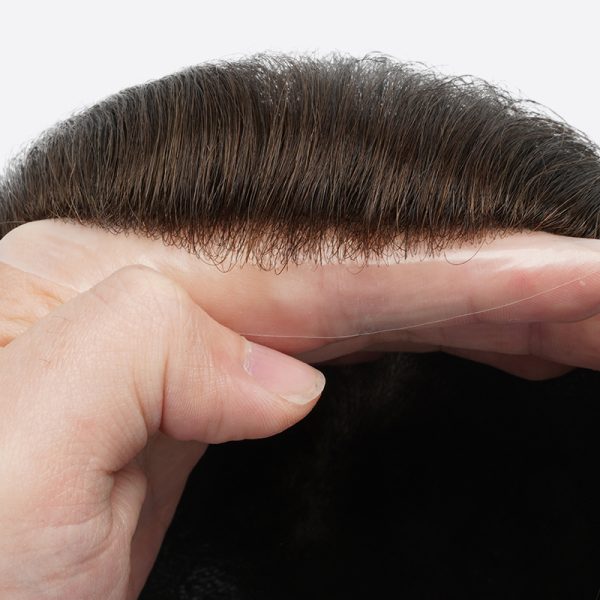
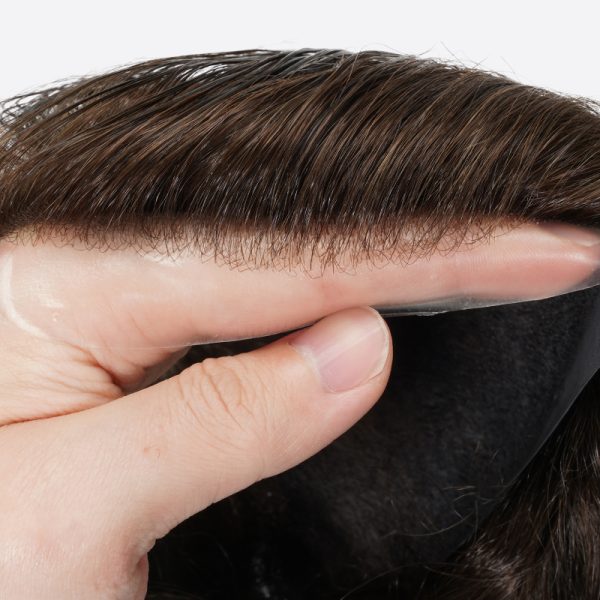
While machines can handle certain injection work now, high-end hair systems still rely heavily on manual craftsmanship. Human ventilators can create a slight irregularity that mimics a real hairline, providing the natural look that machines simply cannot achieve.
Ventilation methods change depending on the base material, but overall, most ventilation methods follow the same trade-off (except for silk top, which can be both invisible and durable):
The more invisible the knot looks, the less durable it tends to be.
If you’d like to explore ventilation methods in detail, we’ve covered them separately in another guide:Quality Hair System Use Quality Ventilation Methods.
Optional Post-Processing: Bleached Knots
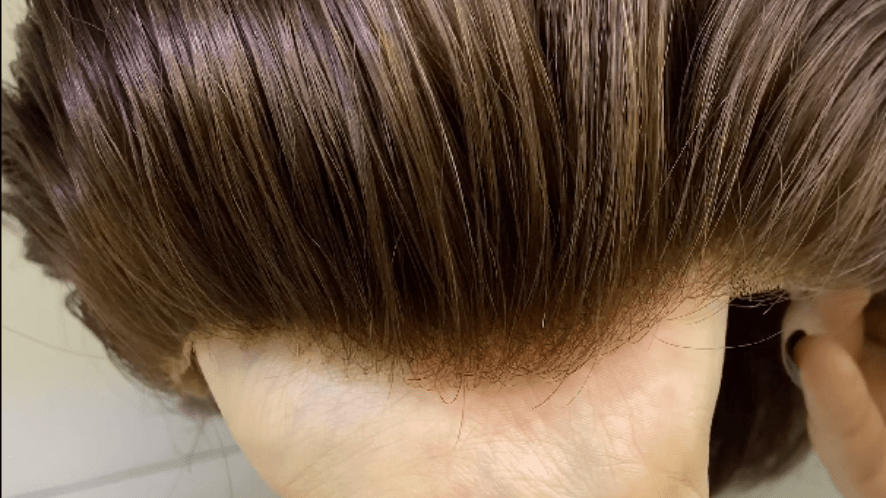
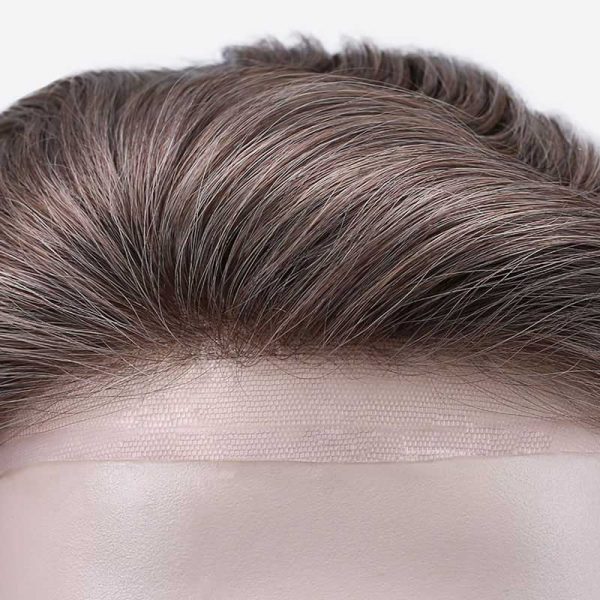
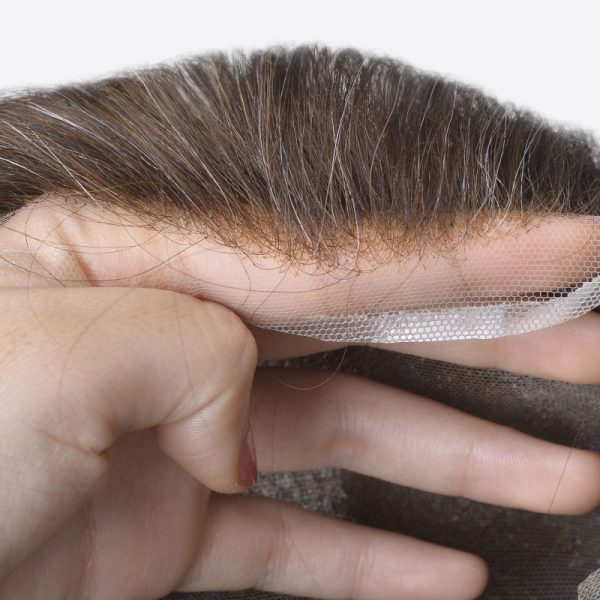
For lace systems, factories may bleach the knots around the front hairline after ventilation.
The goal is to soften the appearance of dark knots under bright lighting and creates a cleaner-looking hairline.
But bleaching has to stay controlled.
Over-bleaching can damage the knots and raise the hair breakage risk over time, so the process needs to be carefully controlled.
Step 5: Knot Sealing
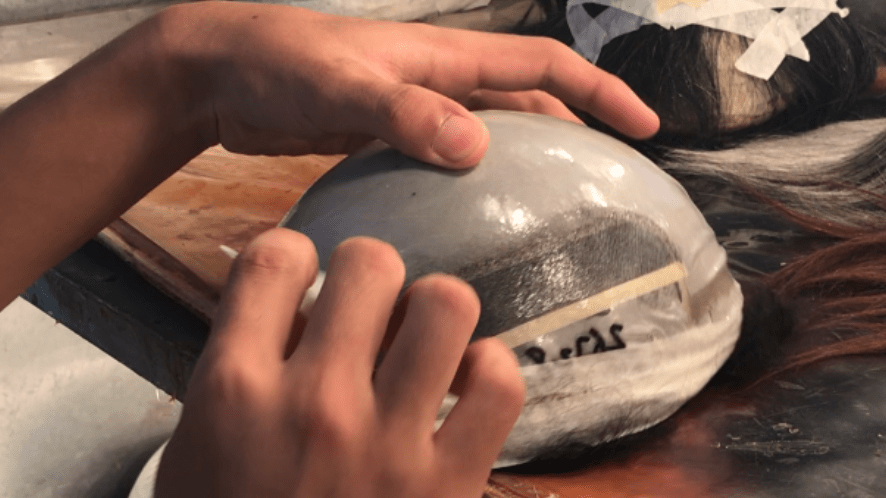
After ventilation, the system moves into knot sealing and reinforcement.
For lace and mono systems, factories apply a thin sealing layer underneath the base to help secure the knots while maintaining breathability.
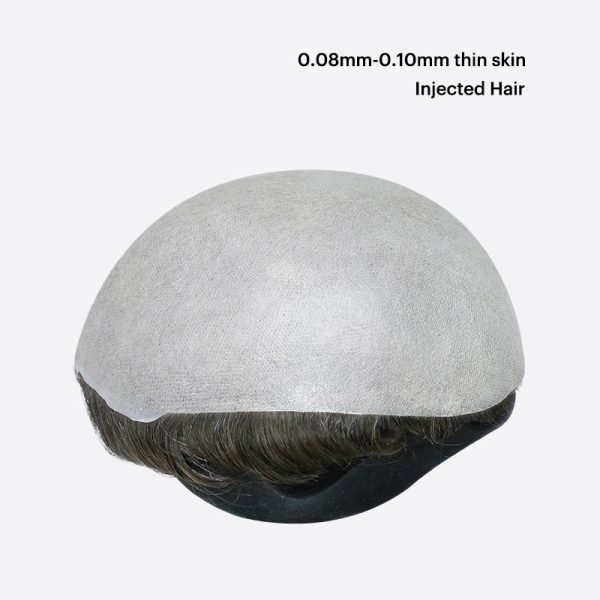
For skin systems, the hair roots or knots are encapsulated within the sealing poly layer, making the hair fuse into the base as one structure.
This stage is very important for preventing early shedding.
A poor sealing unit may look perfectly fine during installation, but suddenly it will start losing density after several washes.
Good sealing doesn’t necessarily make the system look better on day one, it ensures the system remains stable months down the road.
Step 6: Washing, Conditioning & Production Inspection
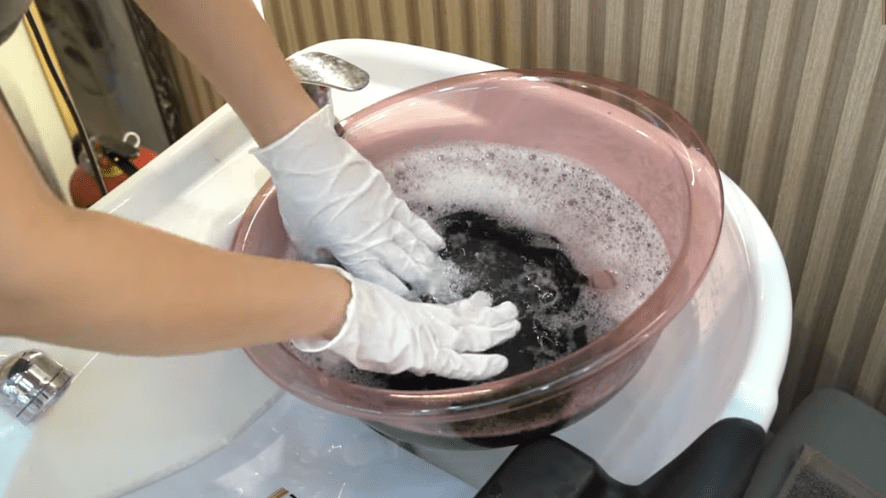
Once the manufacturing work is complete, the system goes through another full wash and inspection cycle.
This stage removes:
-
leftover residue
-
floating hairs
-
processing odors
-
loose debris from production
But more importantly, factories observe how the hair behaves after washing and drying again. Because some problems only show up once the hair gets wet, which can reveal:
-
tangling issues
-
density imbalance
-
curl inconsistency
-
hair dryness
-
hair direction problems
If everything goes well, the sysem will be placed inside temperature-controlled drying rooms so the hair can dry more gradually without unnecessary heat damage.
Step 7: Final QC, Styling & Packaging
Before shipment, every system passes through final inspection and finishing.
Final QC
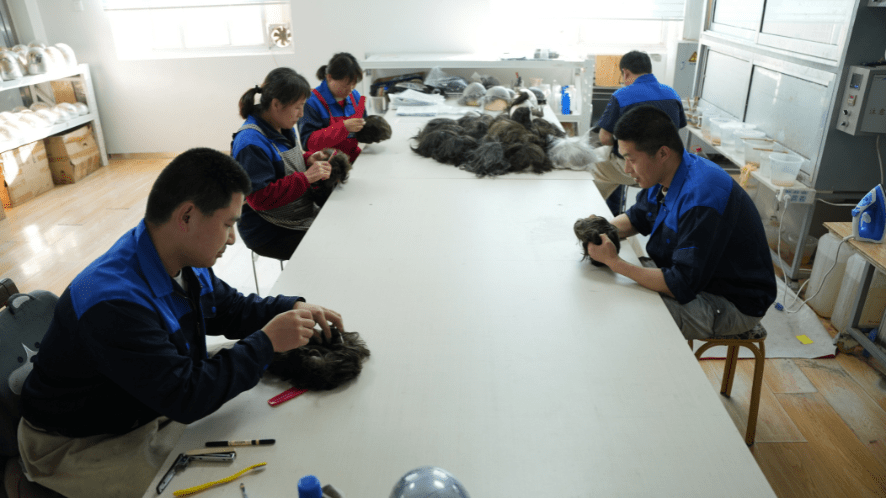
Although quality checks happen throughout production, the final inspection is still one of the most important stages.
QC team inspects 40 standard checkpoints covering:
-
color matching and grey hair ratio
-
density transition
-
curl pattern
-
base construction
-
knot quality
-
hair direction
-
shedding resistance
-
front hairline appearance
For custom systems, inspectors also compare the finished unit against the original specifications to make sure the finish product matches the order requirements and reference samples as closely as possible.
Final Styling & Finishing
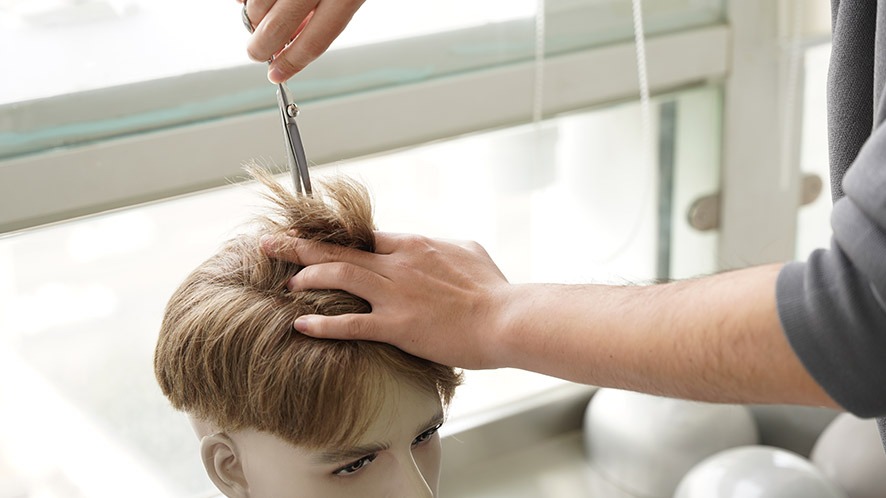
After QC approval, stylists may perform light trimming, hairline cutting, or style shaping depending on the order type. requirements.
This helps prepare the system for immediate salon installation while also giving the final product a cleaner presentation.
Packaging

ackaging is the final step before shipment. Poor packaging can flatten curls, deform thin bases, or create moisture problems during shipping.
For OEM/ODM clients, factories may also add:
-
private labels
-
branded packaging
-
barcode systems
-
SKU labels
All of these details come together for one simple goal: when our clients open the box, the system should feel entirely familiar and perfectly consistent.
Why Manufacturing Quality Matters for Salons and Distributors
The manufacturing process directly affects what happens later inside the salon.
-
A poorly ventilated or sealed system may shed when you brush and style it in the chair.
-
Uneven density and wrong hair direction can make styling more difficult.
-
Inconsistent grey blending can create awkward reorder situations with returning clients.
On the other hand, stable manufacturing makes salons work far more predictable.
-
Cleaner installations.
-
More reliable reorders.
-
Fewer surprises when the box gets opened.
That’s what you want, and so do we.
At Bono Hair, quality and consistency has always been our top priority.
You can’t fake stable density.
You can’t fake durable use.
And you definitely can’t fake long-term reorder consistency.
Because in non-surgical hair replacement industry, there really are no shortcut. In the end, quality and consistency is what keeps clients coming back.