













A client comes back a few days after installation and says:
“The system feels itchy. Is that normal?”
For most salons, this conversation is familiar.
And in many cases, the answer isn’t as straightforward as clients expect.
Itching is not a single problem caused by the hair system itself. It’s often a reaction between the scalp, the environment, and the way the system is maintained or worn.
For salons and hair system professionals, understanding why itching happens is important for troubleshooting client concerns and improving long-term wearer comfort and retention.
Key Takeaways
-
Itching does not automatically means allergic or irritation.
-
Most itching issues can be traced to environmental, material, or scalp-related factors.
-
Thick skin bases tend to trap more heat and moisture, which may increase discomfort for some wearers.
-
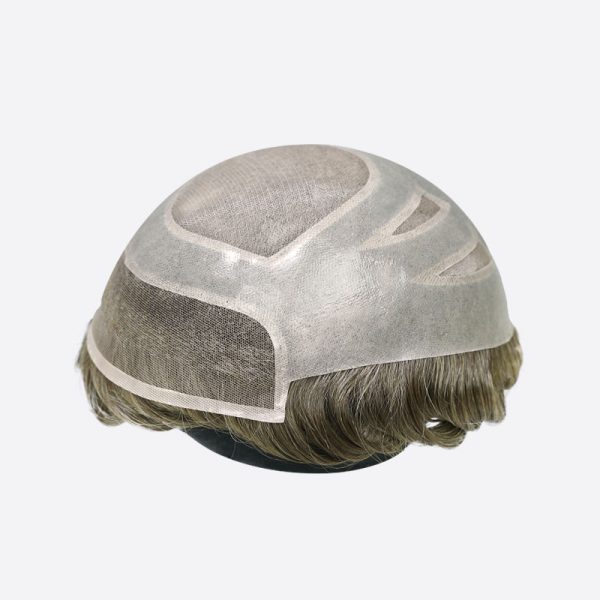
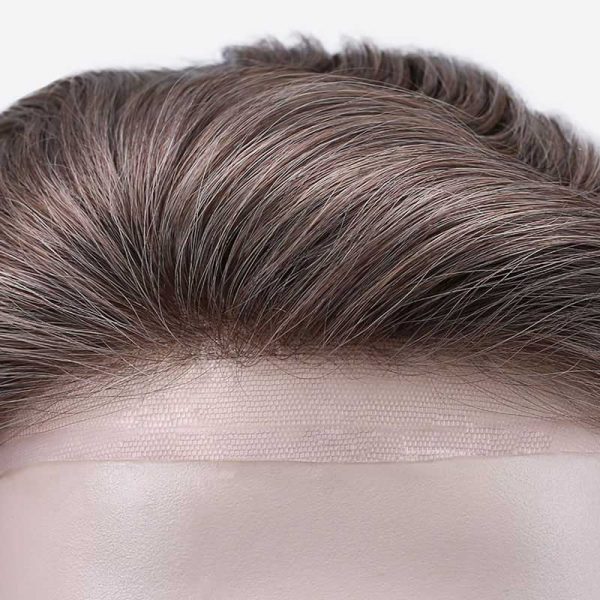
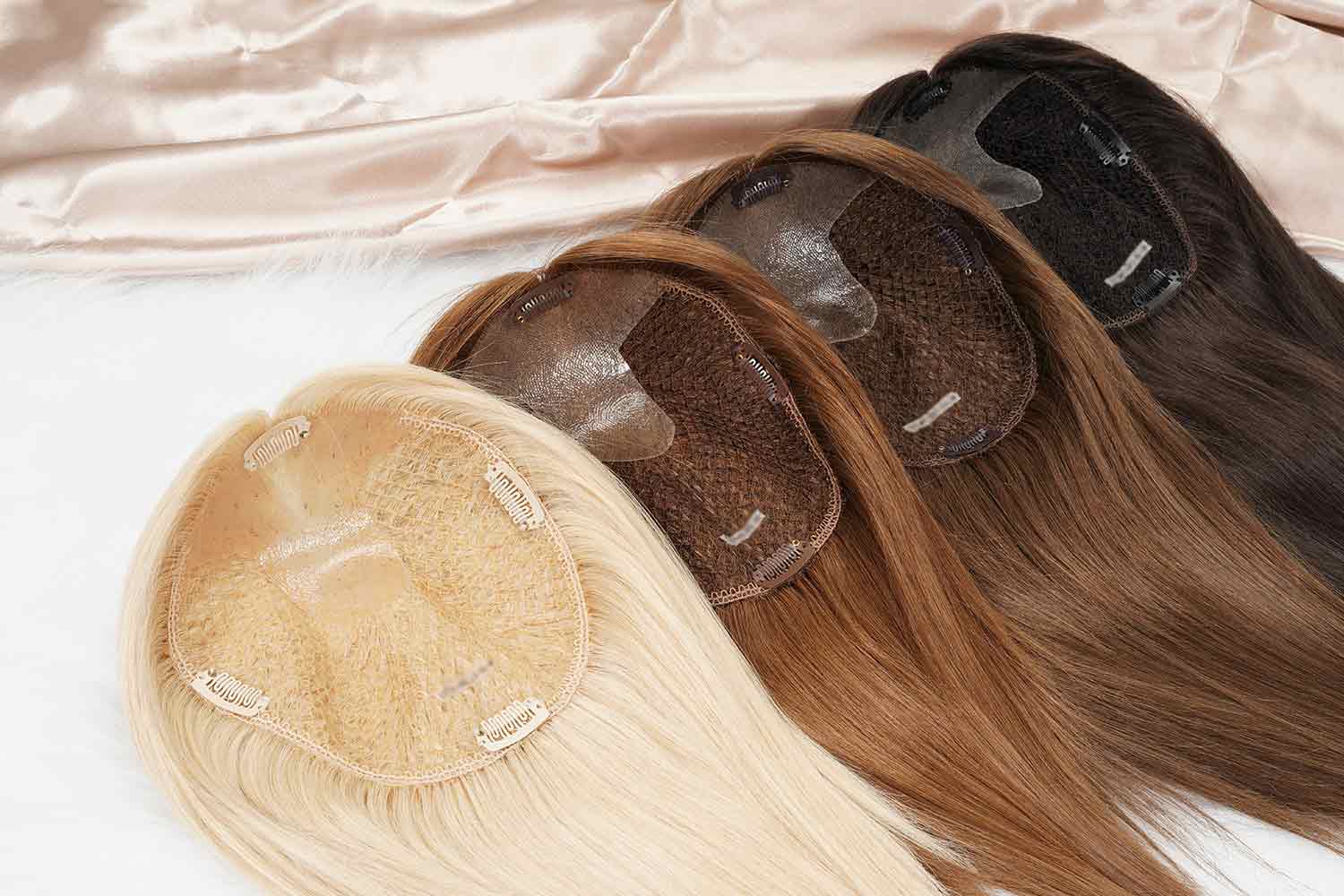
Breathable alternatives such as lace, mono, hybrid systems, or antibacterial skin bases may improve comfort.
-
The growing scalp skinification trend creates opportunities for salons to offer additional education, maintenance, and scalp-care services.
Itch vs Irritation: They Are Not the Same Thing
Clients often use “itching” and “irritation” as if they mean the same thing.
In reality, they’re different and do not always occur together.
Itch is a sensation. Irritation is a physical reaction. Irritation often comes with an itch, but an itch can happen on its own.
In many cases, users experience itchiness without any visible signs of inflammation. The scalp may feel uncomfortable, but there is no redness, swelling, or rash. This kind of itch is commonly linked to factors like:
-
Heat and moisture trapped under the system
-
Natural scalp activity (oil production, micro-movements)
-
The urge to scratch an itch you can’t reach
True irritation, however, typically comes with clear signs, including:
-
Persistent redness
-
Burning or stinging sensations
-
Visible inflammation or rash
-
Worsening discomfort over time
Understanding this distinction is important because it changes how the problem should be approached.
Not all itching requires changing the system—many cases are resolved through better scalp hygiene, improved maintenance routines, or simply allowing time for adaptation.
Is It Normal for a New Hair System to Itch?

Mild itching in the beginning is relatively common, especially during the first 1–2 weeks of wearing a hair system.
This does not necessarily mean something is wrong.
The itchness may comes from:
-
The scalp is adjusting to being covered
-
The skin is reacting to a new adhesive or base contact
-
Heat and moisture retention feel unfamiliar
-
Wearers are more aware of sensations in the early stage
This “adapting phase” usually improves as the scalp becomes accustomed to the hair system.
However, if the itch continues or even gets worse after the adapting phase, with symptoms such as:
-
Redness
-
Burning sensation
-
Rash or inflammation
-
Continuous discomfort and worsen itchness
This may indicate irritation.
For hair professionals, setting realistic expectations during the consultation can reduce unnecessary concerns during the first few weeks of wear.
Why Hair Systems Feel Itchy: The Real Causes
Instead of treating itching as one problem, it is more accurate to break it down into three layers.
Level 1. Environmental Factors (Heat & Sweat)

One of the most common causes of discomfort is heat and sweat buildup under the system.
Hair systems create a partially enclosed environment. In hot or humid climates, during exercise, or with active lifestyles, moisture can accumulate between the scalp and the base.
There will be:
-
Increased warmth
-
Moisture retention
-
Salt buildup from sweat
These conditions can trigger scalp itch over time. They’re the most common causes of scalp itching, even for those who don’t wear hair systems.
Level 2. Material and Maintenance Factors
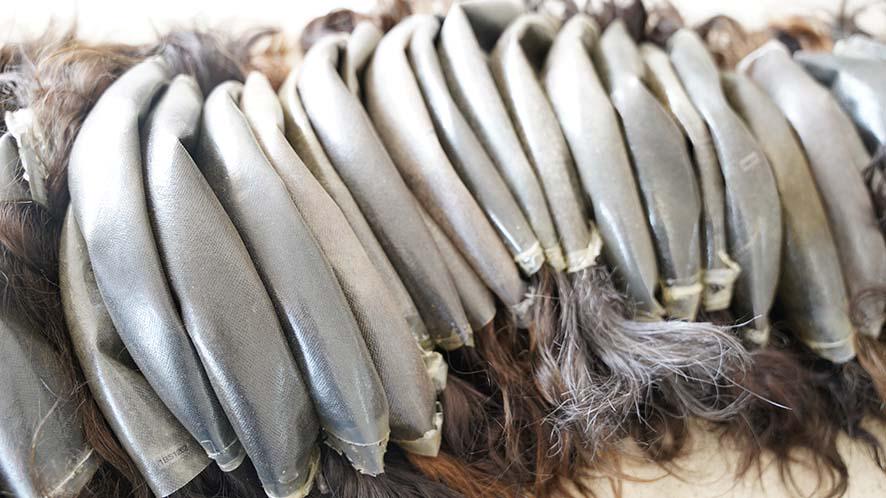
The interaction between the scalp and the hair system base plays a major role in comfort.
-
The base material isn’t breathable enough
-
The scalp is sensitive to adhesives or tapes
-
Shampoos or styling products build up on the scalp
-
Friction from improper fit or tension
This is why correct material selection and proper maintenance routines are critical. Best-sellers aren’t always the best fit. Professionals always choose the right system for each client.
3. Biological Scalp Conditions

Sometimes the issue is not the hair system at all, but the condition of the scalp itself, including:
-
Dandruff or dry scalp
-
Seborrheic dermatitis
-
Naturally sensitive skin
-
Existing inflammation before installation
A covered scalp environment can sometimes make these conditions more noticeable if not properly managed.
Why Itching Often Feels Worse Than It Is
Many users describe itching as more intense than expected. This feeling comes down to two simple reasons.
The “Blocked Itch” Effect
Everyone gets an occasional scalp itch throughout the day.
Usually, a quick scratch makes it go away, but a hair system blocks the wearer from doing so. That “out of reach” feeling lingers in their mind, making the itch feel way worse than it actually is.
Hair Regrowth Sensation
Another frequently overlooked cause is natural hair regrowth under the system.
As short hairs grow beneath adhesive areas, they may create:
-
A tight, slight pulling feeling as stubble meets the glue
-
A prickly, tickling sensation (like tiny feathers on the scalp)
-
Random, coming-and-going itchiness throughout the day
This is often misinterpreted as product irritation, when it is actually a normal biological process.
How to Reduce Itching: A System-Based Approach
The most effective way to manage itching is not to rely on a single fix, but to address it through a system-based approach.
1. Environmental Management

-
If possible, reduce wear stress in hot or humid conditions.
-
Adjust maintenance cycles based on activity level.
-
Manage sweat accumulation proactively.
2. Material Matching
-
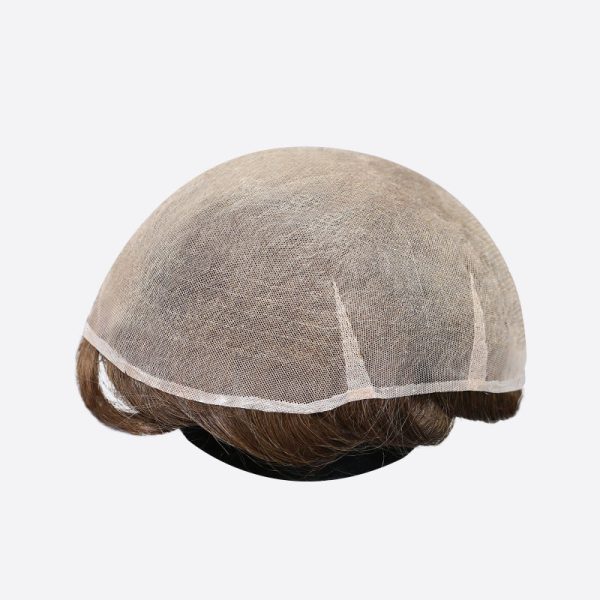
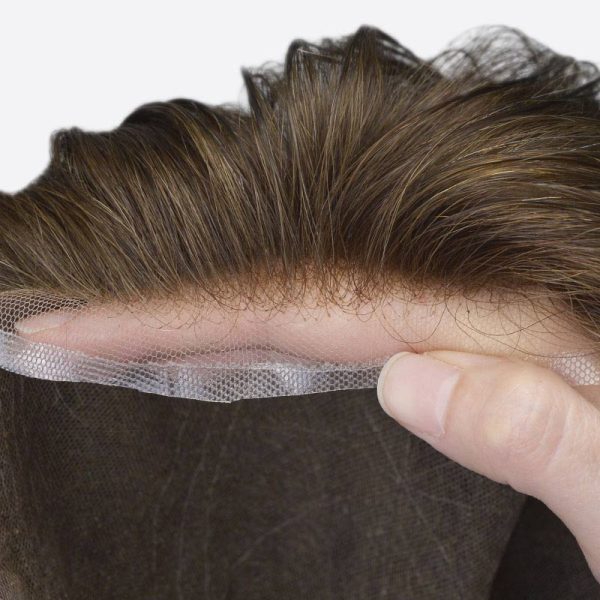
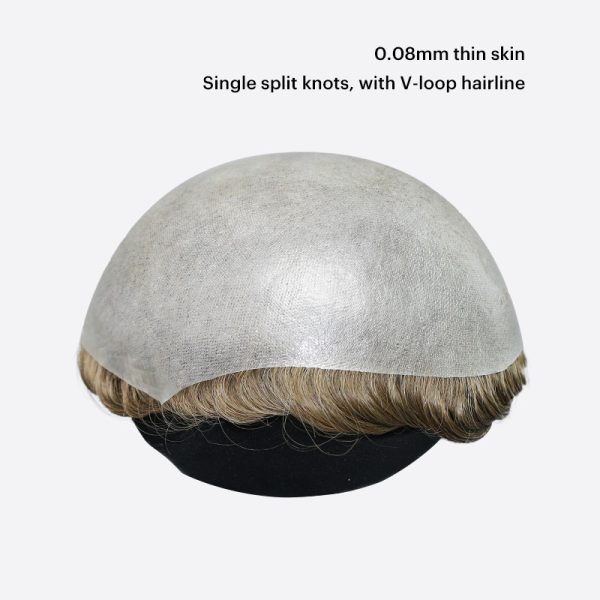
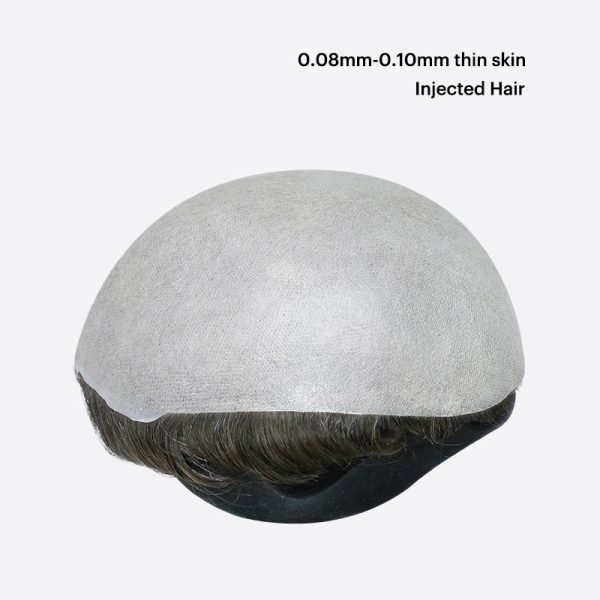
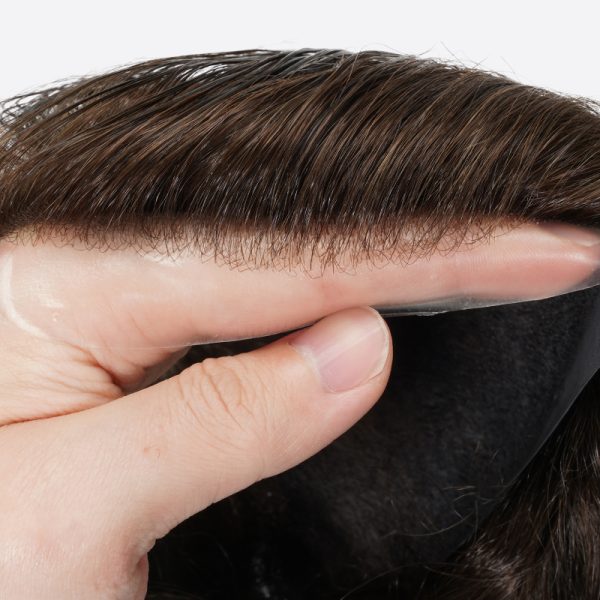
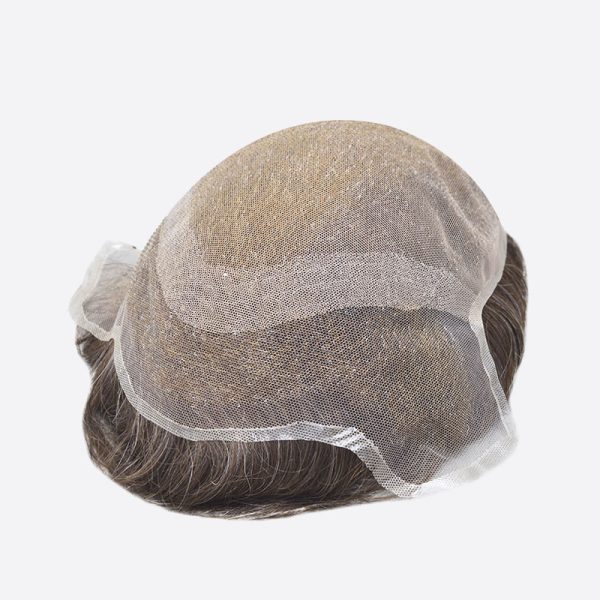
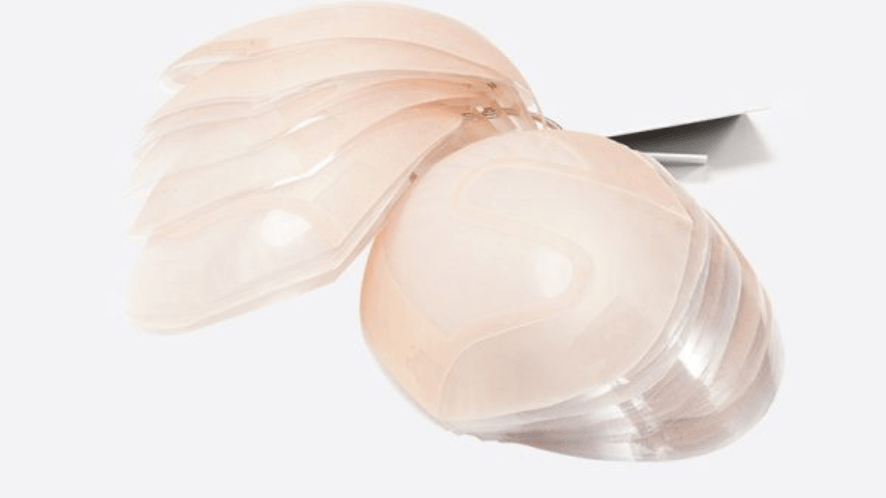
Choose lace, mono, ultra thin skin or antimicrobial skin bases.
-
Use sensitive-skin-friendly adhesives when needed. If the wearer is allergic to adhesives, consider glueless hair systems.
-
Match hair base type to your clients’ lifestyle and climate.
3. Maintenance Hygiene
-
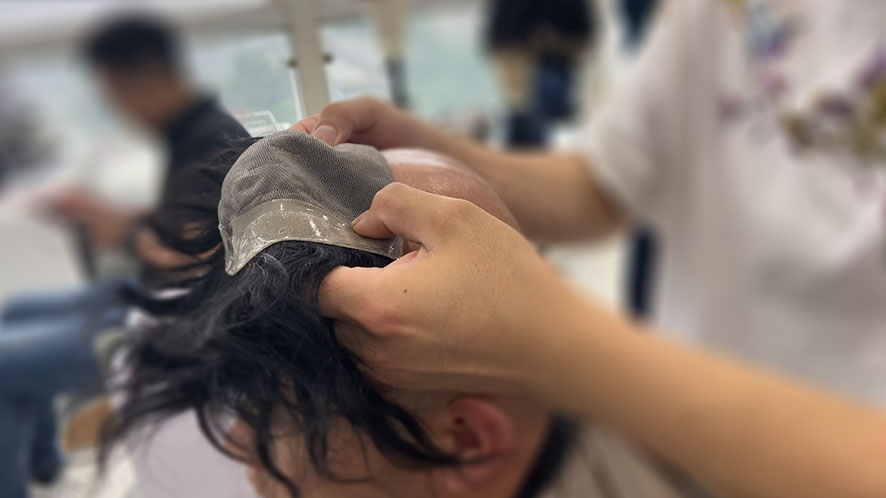
Clean the scalp and hair system base thoroughly during refits.
-
Offer scalp-focused care.
-
Make sure the scalp is completely dry before application (if using alcohol, opt for a low-alcohol formula for sensitive scalps).
-
Apply scalp protector before installation.
-
Choose water-based adhesives for clients with sensitive scalps, and avoid using heavy styling products.
It also helps explain to clients that some itching is normal, provides them with clear causes and solutions, and advises them to consult a doctor if something doesn’t look right.
The Rise of Scalp Skinification
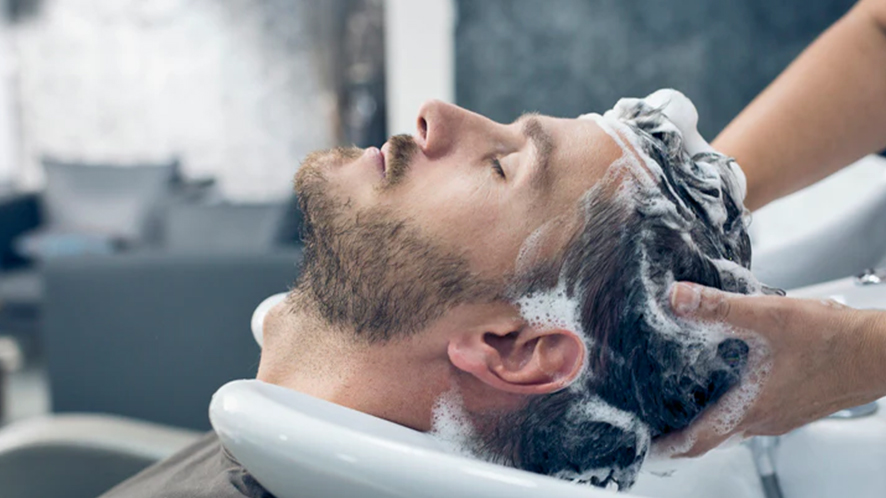
In recent years, the beauty and hair industry has shifted toward a new concept: scalp skinification.
Simply put, this means that the scalp deserves the same level of care as the skin on the face.
The trend started as a pandemic-era awareness boom around 2020, and then rapidly evolved through social media. By now in 2026, it has evolved from a niche skincare concept into a growing focus across the beauty, haircare, and hair replacement industries.
This trend is especially relevant for hair system wearers. A healthy scalp can make wearing a system more comfortable, especially over the long term.
And for salons and hair professionals, this presents an opportunity to expand maintenance services beyond refit alone. Adding Scalp-focused care, such as deep cleansing and soothing treatments, can help clients stay comfortable while supporting long-term scalp health.
Material Innovation: Antibacterial Skin Hair Systems
As awareness of scalp health grows, hair system materials are also evolving.
One emerging direction is the use of antibacterial skin base materials, which aim to reduce bacterial buildup in the micro-environment between the scalp and the system.
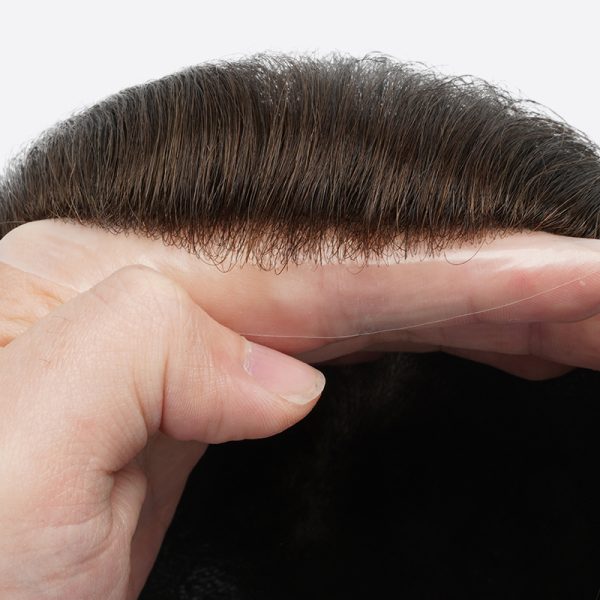
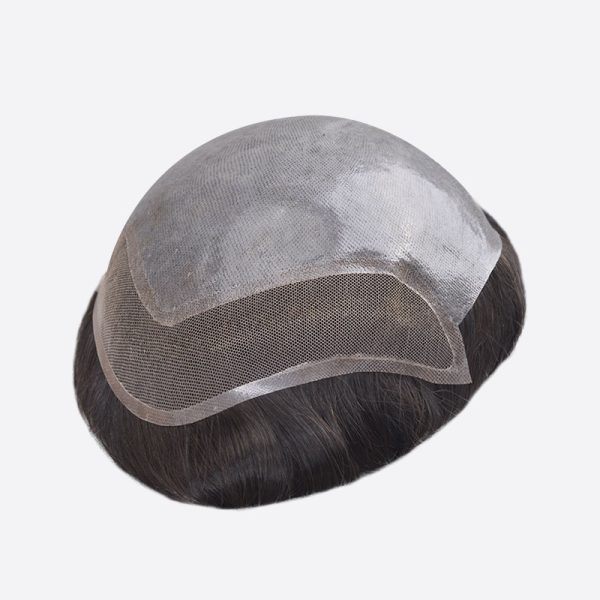
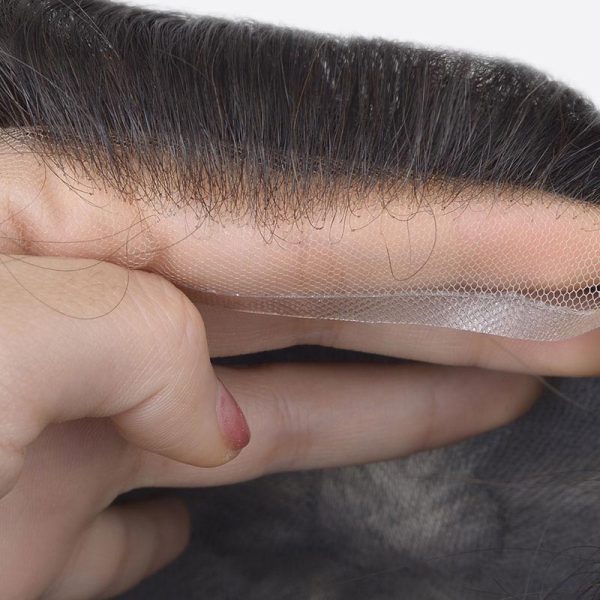
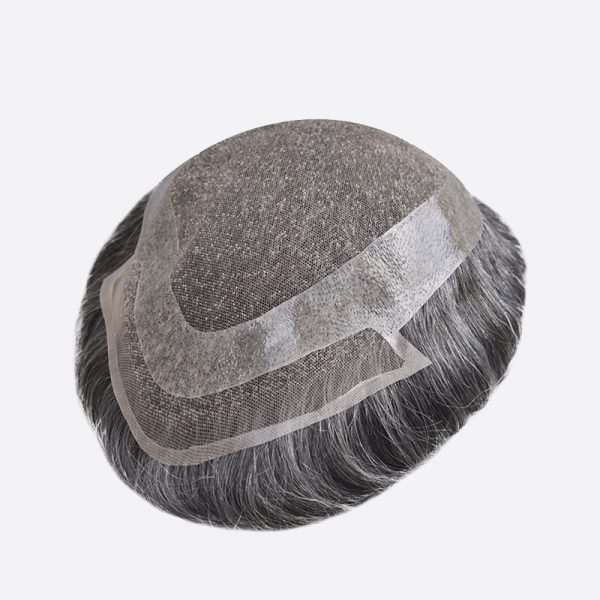
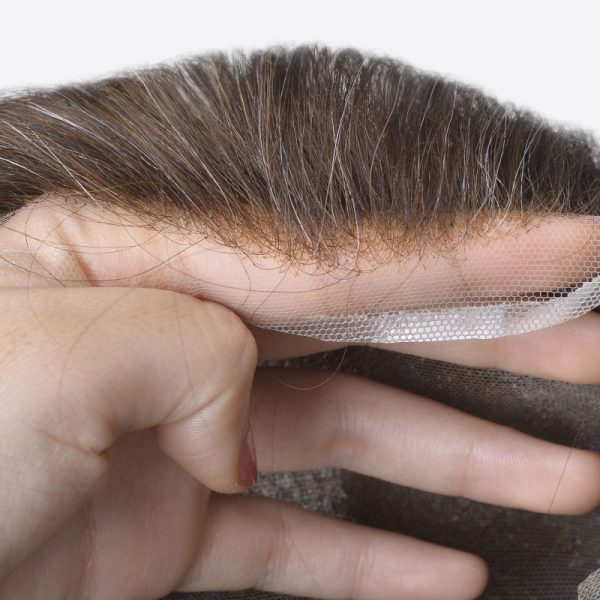
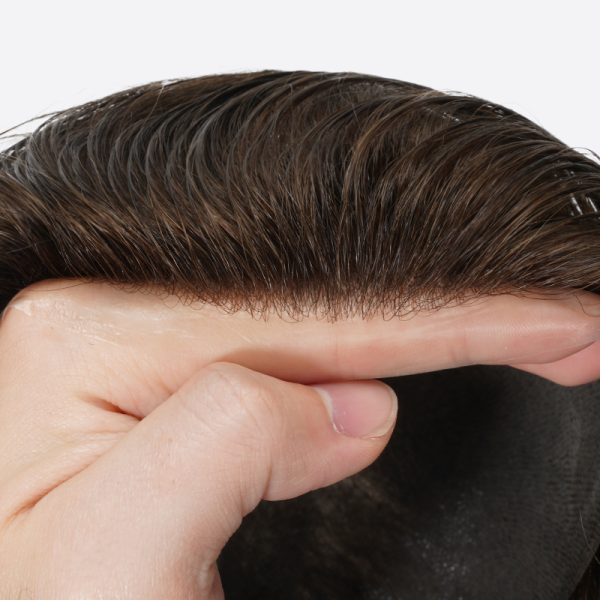
One example is Bono Hair‘s antibacterial skin hair system BH4. It combines antimicrobial protection with a natural-looking hairline.

-
Antimicrobial protection (Certified)
-
0.06mm thin skin base
-
V-Loop hairline
This is not a “treatment” for itching, but part of a broader movement toward improving long-term scalp hygiene and comfort in extended wear conditions.
Final Thoughts
So, do hair systems itch?
They can, but itching is rarely caused by a single factor.
In most cases, it is the result of how the scalp, environment, and system interact over time. You’ll need to narrow down the root cause and treat it accordingly.
When properly understood and managed, hair system wear can be comfortable, stable, and long-term.
Ultimately, wearing comfort is not just about the hair system. The condition of the scalp underneath plays an important role as well.
Frequently Asked Questions
Is mild itching normal after a new installation?
Yes. Many first-time wearers or experienced wearers shifting from high breathable mateial to low breathable bases will experience mild itching during the first 1-2 weeks. That’s because the scalp needs time to adapt to the system, adhesive, and changes in airflow.
Which hair system bases are most comfortable for sensitive scalps?
There is no universal answer. However, lace hair systems provide max breathability and softness, which are often considered when scalp comfort is the top priority. But if your clients prefer skin bases, thin skin bases under 0.08mm or antibacterial materials are also good choices.
Can thick skin bases cause more itching?
They can for some wearers. Thick skin bases generally retain more heat and moisture, which may contribute to discomfort in hot or humid conditions.
How can salons help clients reduce scalp discomfort?
Proper scalp cleaning and care, suitable base material selection, regular maintenance schedules, and offer suggestions for daily wear and care can all contribute to better long-term comfort.