
















Have you ever been in a client consultation, wondering if a lace hair system is really the best choice, or if it is just the most popular one?
It is pretty common for salons to recommend lace hair systems for male clients automatically. After all, lace systems are well-known for their breathability, lightness, and the most natural-looking hairline. Whether you’re browsing hair system forums or watching maintenance or styling videos, lace is usually hyped as the gold standard, especially for men who want a completely undetectable hair system.
But as a manufacturer, we’ll give it to you straight: lace isn‘t for everyone.

Recommending the wrong hair base type can lead to a shorter lifespan, increased maintenance, and eventually, a client who loses trust in your salon.
When choosing hair bases for a client, popularity shouldn’t make the decision for you. You need a solid consultation to figure out when a lace system is the perfect fit, and when you should pivot to a skin or hybrid alternative.
By the end of this guide, you’ll have a clear roadmap for:
-
When to confidently recommend a lace base toupee.
-
Which clients are the best match for lace bases.
-
Why lace hair sysetm is the top pick for men chasing that flawless, natural look.
-
When skin or hybrid units might be a smarter move.
If you’re fitting men for hair systems, this guide will help you make informed recommendations, set realistic expectations, and improve overall client satisfaction and retention.
Key Takeaways for Your Salon
-
Lace hair systems are ideal for clients who prioritize a natural-looking hairline and maximum scalp airflow.
-
Lace bases are best recommended for clients who are willing to follow proper maintenance routines.
-
Think twice before putting heavily sweating or “low-maintenance” clients in full lace.
-
For first-time wearers, conduct a thorough consultation before recommending lace to ensure it aligns with their expectations and maintenance ability.
-
Hybrid hair systems can be a great option for clients who want both durability and a natural front hairline.
-
Bottom line: There is no universally “perfect” base. Your professional assessment of the client’s lifestyle, expectations, and maintenance habits is essential for selecting the right system.
Why Salons (and Clients) Love Lace Hair Systems
Before we talk about when to recommend lace, it is very important to clearly understand why it’s so highly praised in our industry.
-
Ultimate Breathability and Airflow
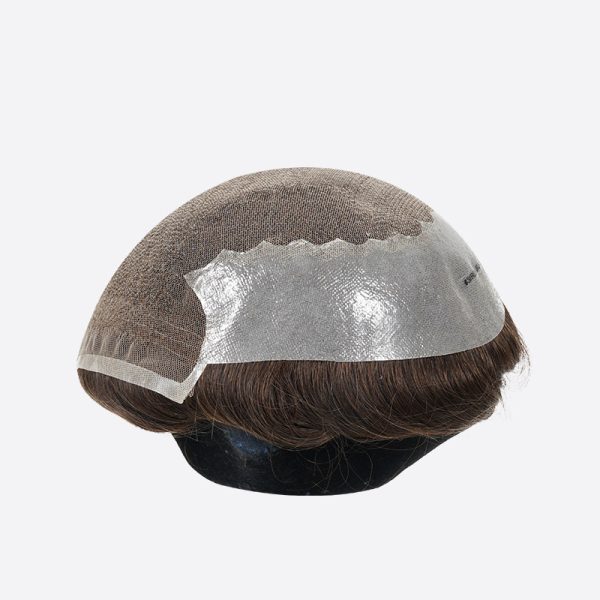
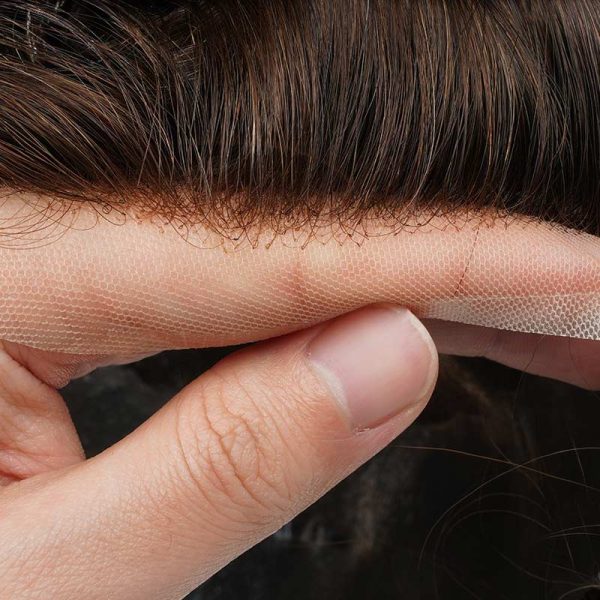
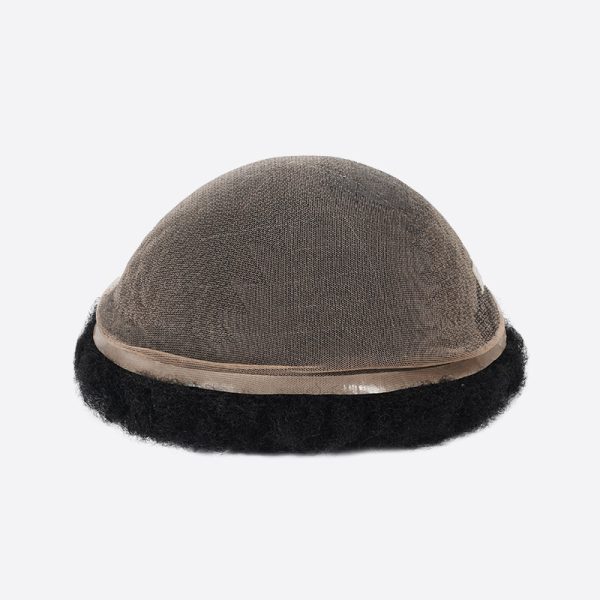
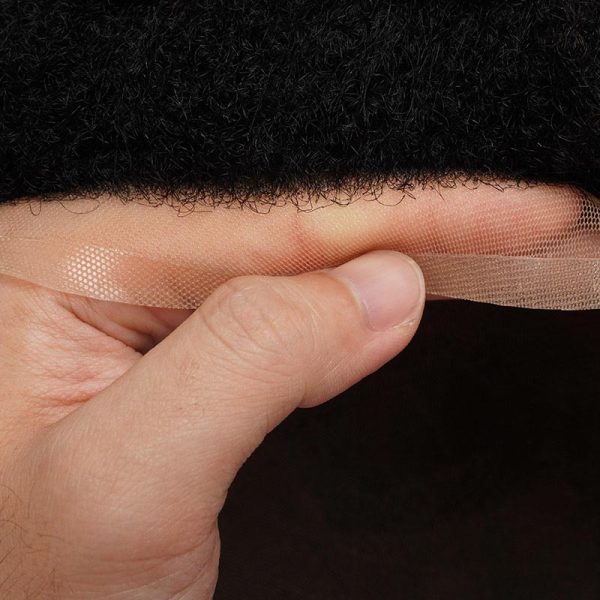
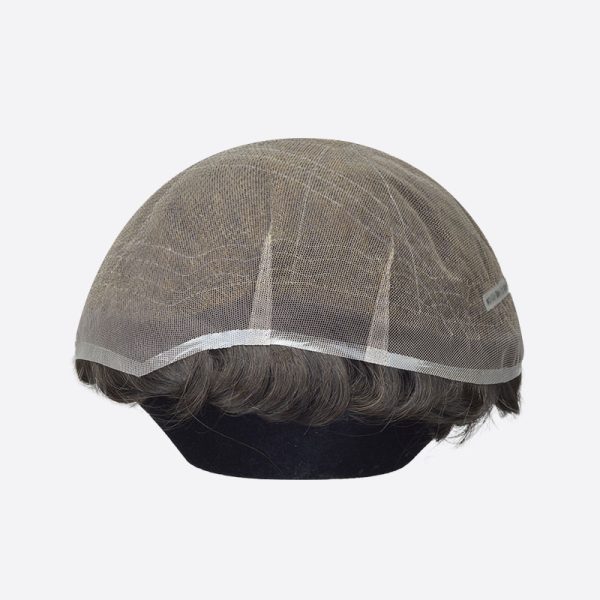
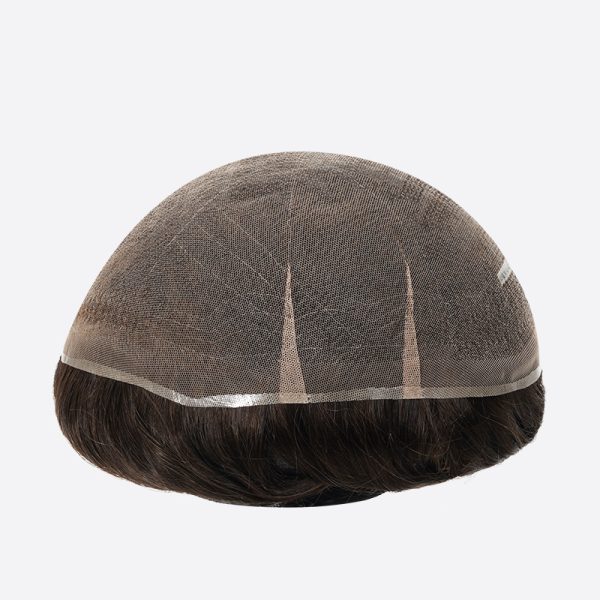
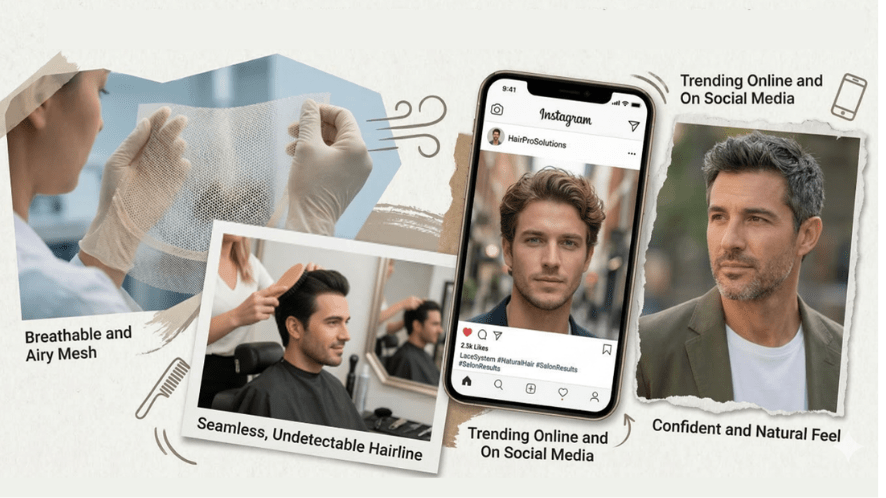
Lace bases are made from a fine, porous mesh (like a honeycomb). This means heat escapes easily and air flows right to the scalp. It’s an absolute game-changer for clients living in hot, humid climates. And it drastically cuts down on sweat buildup compared to a tighter-weave monofilament material or a non-porous poly base.
-
A Barely-There, Lightweight Feel
Compared to heavier base designs such as skin base, lace is incredibly light. When fitted properly, many wearers notice very little sensation on the scalp, making it ideal for first-time wearers.
-
Natural Hairline Appearance
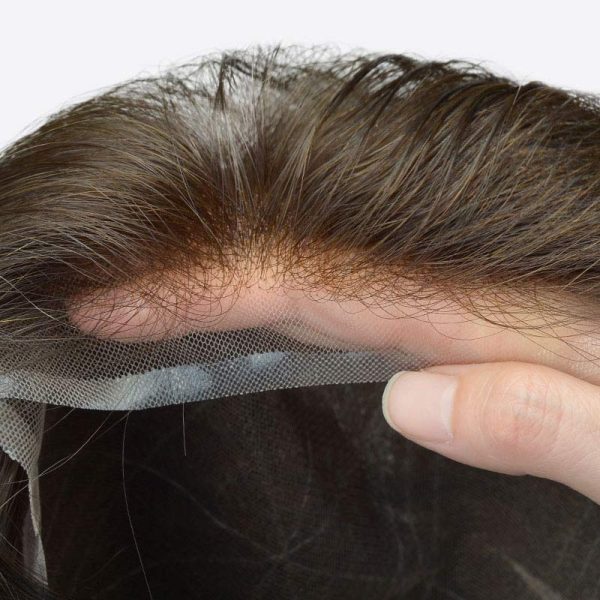
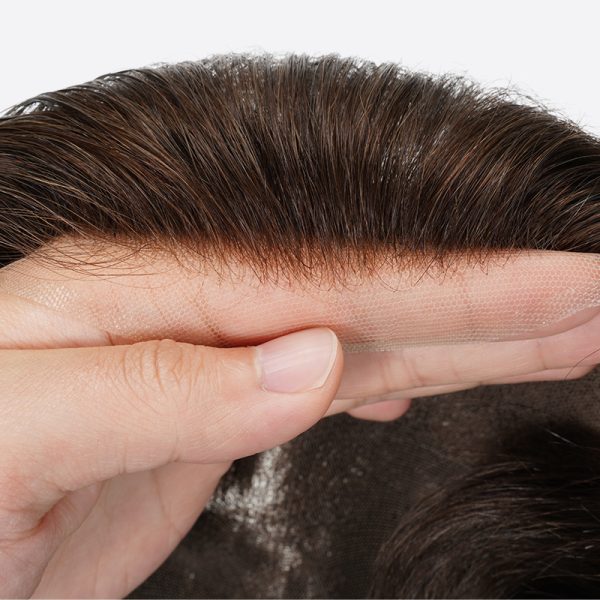
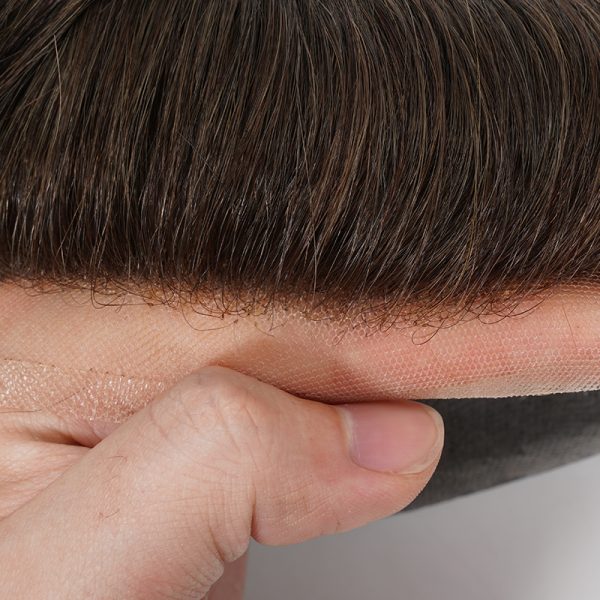
The hairline is usually a client’s biggest worry. Lace, especially Swiss lace, can blend seamlessly into the skin. This allows your clients to style their hair pushed back or straight up, exposing the hairline completely. Even up close, it looks like natural hair growth.
-
Popularity in Modern Salons and Social Media
Lace systems look amazing on camera. Stylists and end-wearers love showcasing them online because the results are stunning. Your clients are likely seeing these videos, which is why they often walk into your salon already asking for lace hair systems.
Knowing why lace is such a hit, let’s look at a few salon scenarios that show when it’s the perfect choice—and when another base might be better.
Is Lace the Right Call? 3 Real Salon Scenarios
Scenario 1 — Clients Who Aren’t Sure What They Need
A lot of people come into the salon and sit in the chair but are not really sure what they want. You may hear them say things, like:
“I just want my hair to look natural.”
Or they might say:
“I do not want people to know that I’m wearing a hair system.”
This is your time to shine as an expert. You need to dig into their daily life.
Evaluate Their Lifestyle First
Don’t just look at their heads; ask about their week:
-
Do you live here? / What is the weather like where you live?
-
Do you work outdoors?
-
Do you go to the gym every day?
-
Do you have an oily scalp?
-
Do you sweat a lot?
Explain the “Sweat Reality” and Ask Their Maintenance Commitment
If your clients have a highly active lifestyle, be upfront with them. Tell them that“Because you sweat a lot, you absolutely need a breathable lace base so your scalp doesn’t suffocate. However, your sweat will break down the adhesive faster, which means more frequent and careful cleaning, so you may need to come back for maintenance more often.”
Matching the Base to Your Client’s Lifestyle and Sweat Level
-
The Office Worker (Low Sweat) For clients indoors with low-impact routines, Full Lace is a go-to choice. Since they aren’t sweating heavily, the adhesive holds up great. They get an invisible hairline and lightweight comfort without the headache of constant maintenance.
-
The Gym-Goer (Heavy Sweaters) Active guys need lace so their scalp doesn’t suffocate. But here’s the reality check: heavy sweat melts adhesive fast. When it seeps into the delicate lace, cleanup becomes a chore and shortens the hair system’s lifespan. Give heavy sweaters two choices:
-
The Comfort Route (Full Lace): Best for clients who prioritize maximum airflow and don’t mind spending extra time and money for maintenance.
-
The Smart Compromise (Lace Center + PU Perimeter): This design has a breathable lace on top to let the heat out, and it combines with a smooth PU edge to reinforce the system and make maintenance easier.
Scenario 2 – First-Time Hair System Wearers
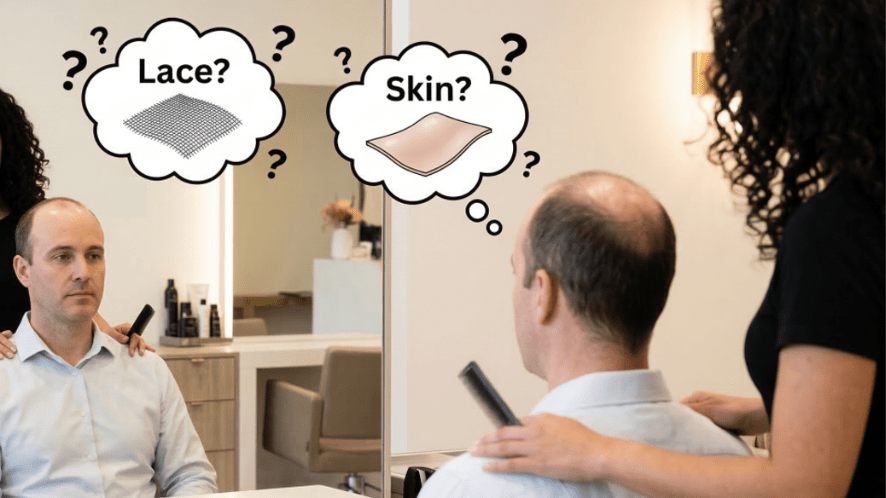
Picking the right base for beginners is very important for a great first impression and long-term retention.
When Lace Is a Good Fit for Beginners
A lace hair system can be a great first-time choice for beginners. It works well if your clients:
-
Understand how long it will really last.
-
Good with light-to-medium hair density.
-
Take a natural, undetectable hairline as their top priority.
-
Are ready to rely on you (the salon professional) to handle the maintenance.
With your guidance and support, first-time wearers can get used to the hair system quickly, enjoying its natural movement and breathable comfort.
When Skin or Mono Might Be a Safer Option
For guys who are nervous about the delicate upkeep of lace, you have two fantastic alternatives that offer a safer, easier gateway: Skin (Poly) and Mono (Monofilament) bases.
If your client wants a simple routine, skin bases are a great choice. They are easy to clean and provide a very secure hold with adhesives. If the client in your chair doesn’t sweat a lot and just wants a low-maintenance hair system, point him toward skin.
If a client needs something durable, introduce them to mono bases. Monofilament is built to last. It is the best option for clients who want a hair system with a longer lifespan or who prefer a thicker, heavier hair density.
Scenario 3 – The “Invisibility at All Costs” Client

Some people come to the salon with one thing on their mind:
“I want it to be completely undetectable.”
Naturally, you think of lace. But usually, most of these clients also want a few other things:
-
Good durability
-
Comfortable hair density
-
Manageable maintenance
This is when you pull out a hybrid hair system.
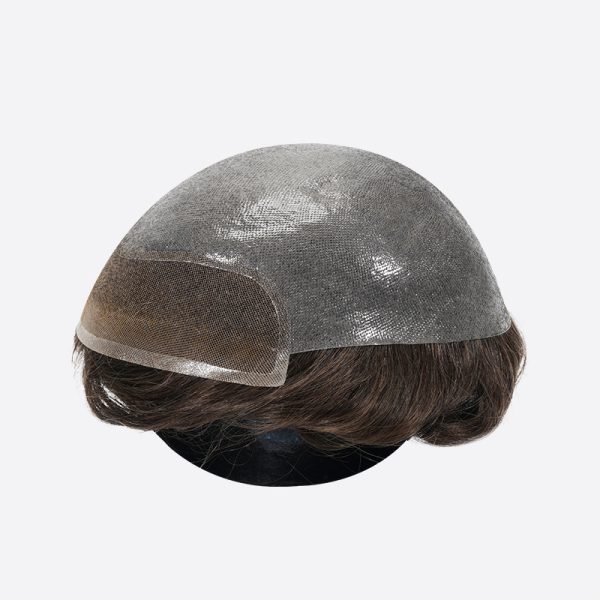
Hybrids are often the ultimate compromise. Look for one that combines that has a lace front for the flawless hairline, combined with poly or NPU at the sides or back to meet your clients’ other needs. If your stock is limited, you and your client might also consider a custom hair system.
The main thing to remember is:
Most clients not only want an invisible hair system but also demand balance. Always check their priorities before recommending a full lace hair system.
Common Pitfalls When Recommending Lace Hair Systems
To keep your clients happy, avoid these common salon mistakes:
-
Suggesting something fancy without talking it over properly.
-
Not thinking about your clients’ daily life, work environment, or local weather.
-
Overpromising how long the lace will last.
-
Skipping simple daily care and light-maintenance tips, even if they will be back for salon maintenance regularly
-
Not showing clients other base alternatives for comparison.
Being clear about what to expect helps prevent disappointment.
Consultation Checklist Before Recommending Lace
Before confirming a lace order, run through this checklist with your client:
-
Daily activity level?
-
Sweat levels?
-
Local climate/weather?
-
Clients’ own requirement for breathability and comfort?
-
Desired hairline exposure (swept back vs. fringe)?
-
Hair density needs?
-
Hair system lifespan expectation?
-
Previous experience with hair systems?
-
Willingness to follow a strict maintenance routine?
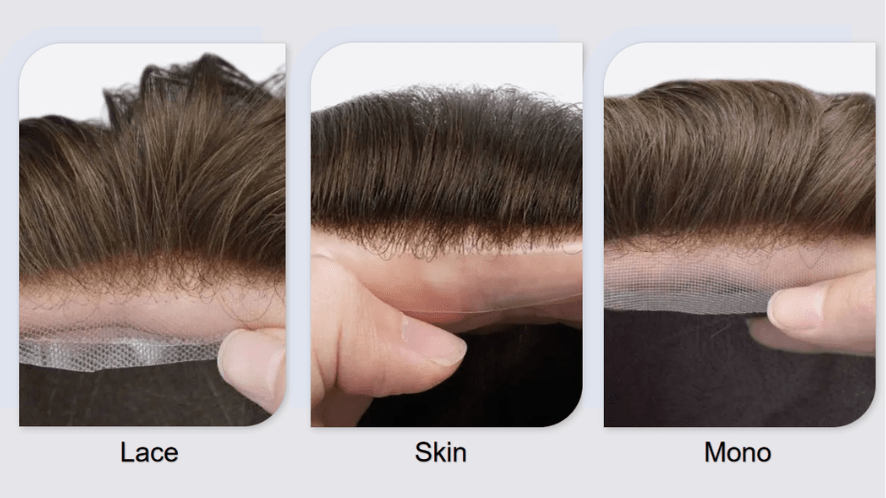
Bottom line: No base type is better than the others all the time.
-
Lace is the choice for a breathable scalp and a natural hairline.
-
Skin is easy to take care of and mimics the scalp well.
-
Mono is durable and supports high hair density.
-
Hybrid and Custom strike a balance and potentially combine the best features to meet several priorities at once.
The right choice really depends on what the client does every day and what they want from their hair system. Your professional assessment of lifestyle, maintenance habits, and expectations should guide the recommendation.
Recommended Lace Options Based on Client Needs
After a thorough consultation, if you decide a lace hair system is the right fit, here are a few options to consider.
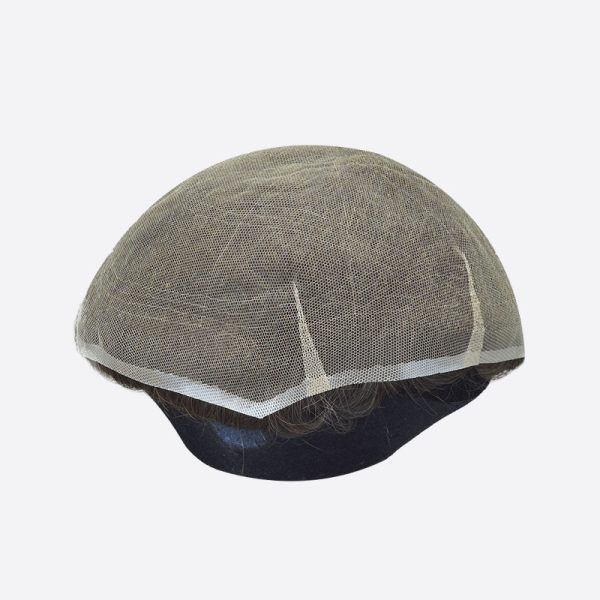
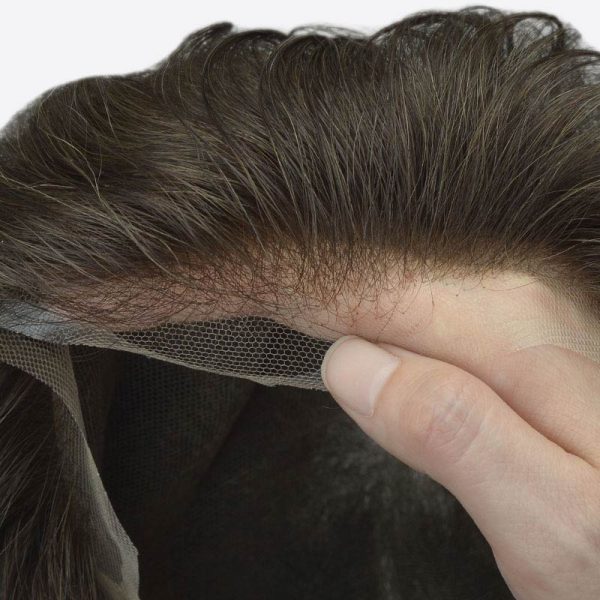
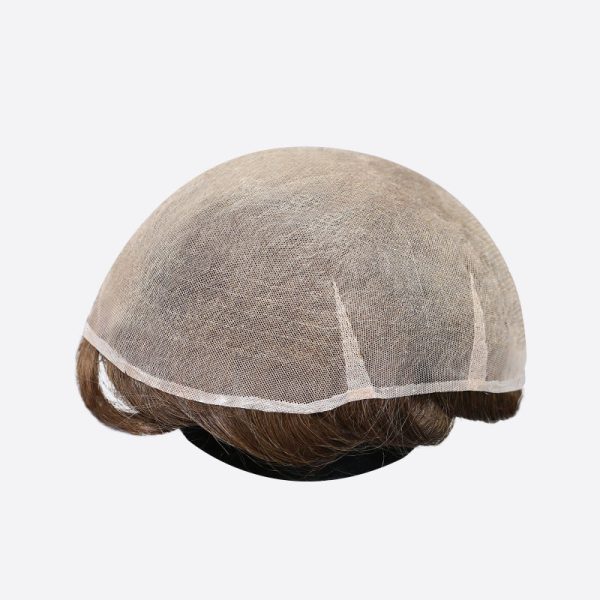
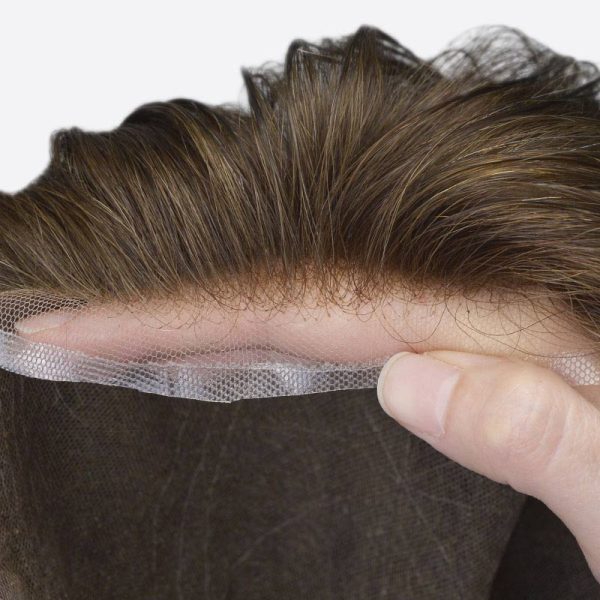
Swiss Lace → Maximum Natural Appearance
-
Ultra-fine mesh
-
Excellent hairline blending
-
Lightweight sensation
-
Trade-off: more delicate, less durable
Swiss lace is better recommended for experienced clients
French Lace → Balanced Performance
-
Slightly thicker mesh
-
Still very breathable and natural
-
Recommended for most clients
French lace is often the safest and most reliable lace choice for most clients.
$30 OFF Every $399
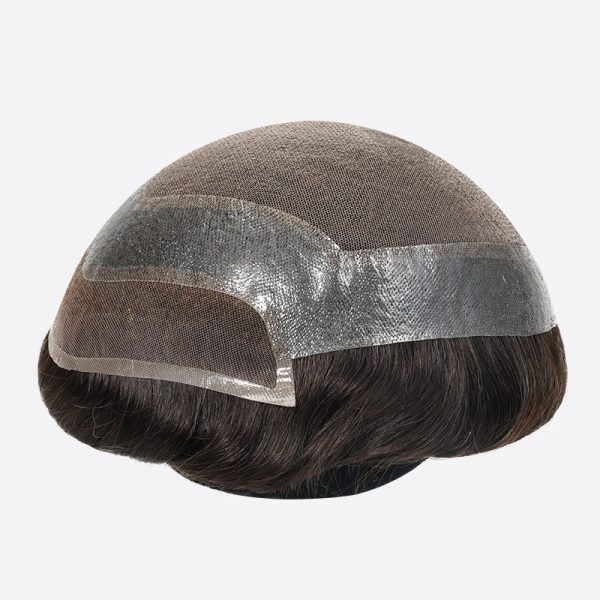
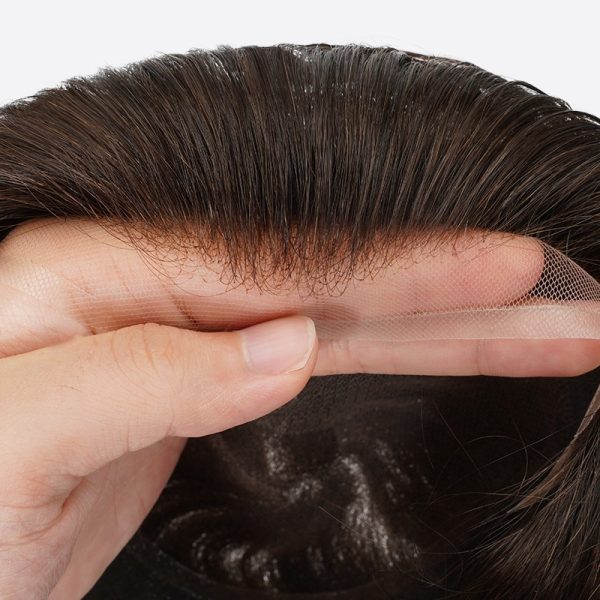
Hybrid Base with Lace Front → Reinforced Structure
-
Lace front with reinforced sides and back
-
More durable
-
Easier to maintain compared to full lace
Hybrid bases are recommended for clients seeking realism with added durability.
Conclusion
So, when should you recommend a lace hair system to your client? Give it the green light when your client prioritizes an undetectable hairline, wants maximum airflow, and is fully on board with the required maintenance. If they are rough on their systems, sweat heavily, or want a quick-and-easy routine, try to recommend a skin or hybrid option. And, of course, the client always has the final say.
The most successful salons don’t just sell what’s trendy—they give the right solution. By factoring in a client’s lifestyle, top needs, styling goals, and maintenance habits, you transition from a stylist to a trusted hair replacement expert.
Ready to offer your clients top-quality, natural-looking lace hair systems they will love?
Visit BONO HAIR Men’s Lace Hair System Collection to explore the best options for your salon. We have plenty of stock on hand, and custom orders are welcome.