













Why Your Clients Need Regular Hair System Maintenance
Step-by-Step Guide to Remove, Clean, Condition, and Dry Hair Systems
Step 1. Remove the Hair System from the Scalp
-
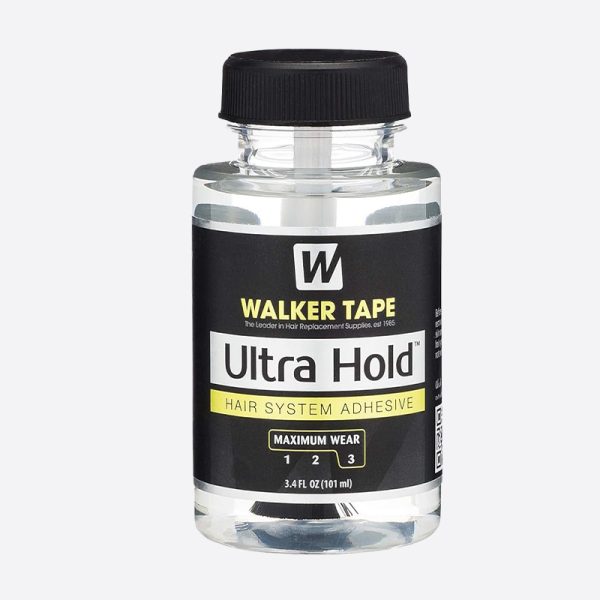
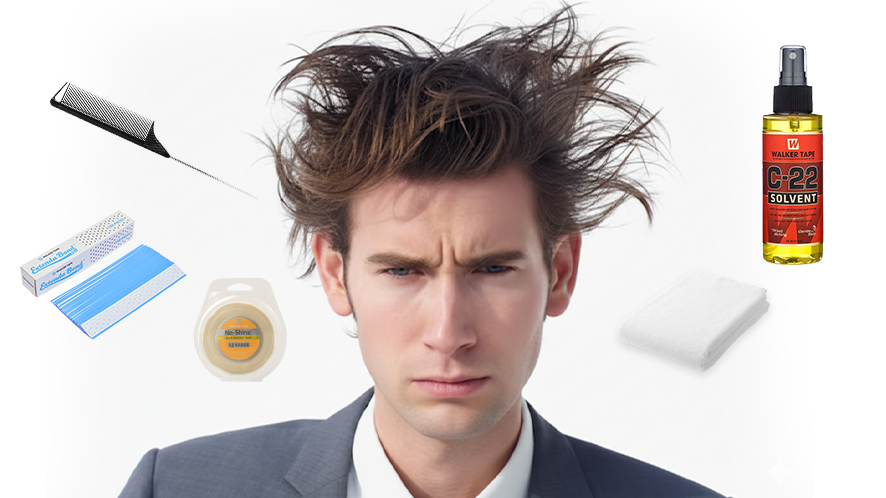
Adhesive remover (better be a citrus based adhesive remover, such as C22)
-
Lace release (especially for lace hair systems)
-
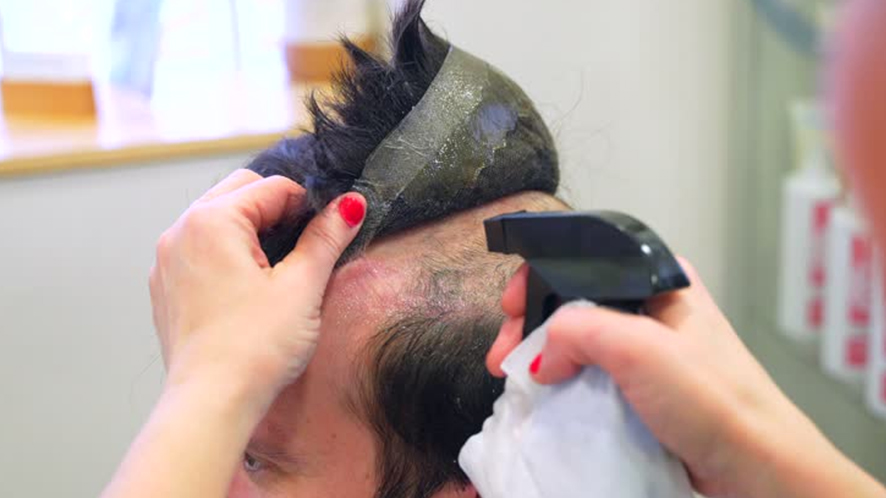
Start by spraying some adhesive remover along the front hairline, and let it sit for 1-3 minutes to soften the adhesive. If you don’t have any remover on hand, coconut oil or olive oil will also do the work, though they won’t be as effective.
-
Gently lift the edge to see if the adhesive has softened. Do not pull it by force. It hurts, and it breaks down the hair base.
-
Apply more remover under the system as needed, and gradually lift it section by section until fully removed.
-
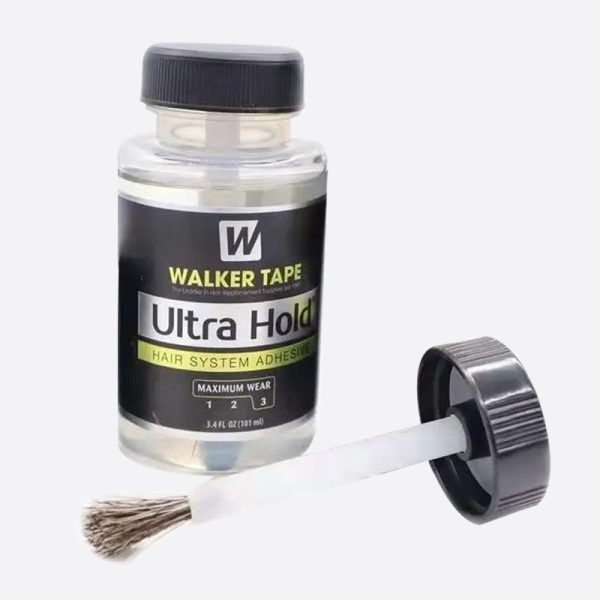
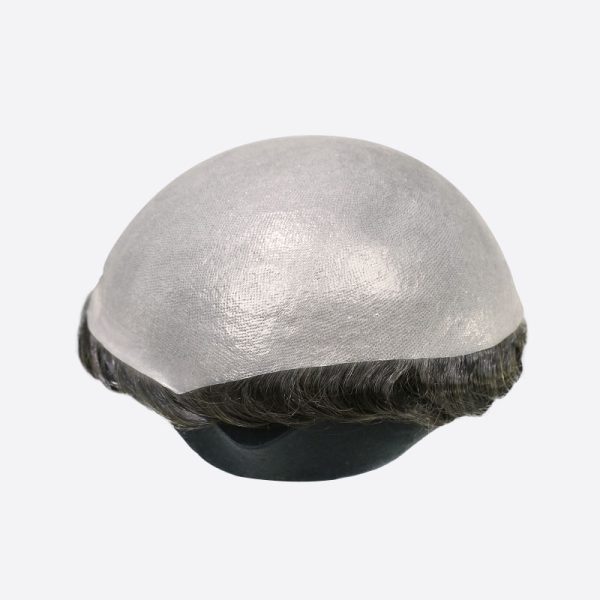
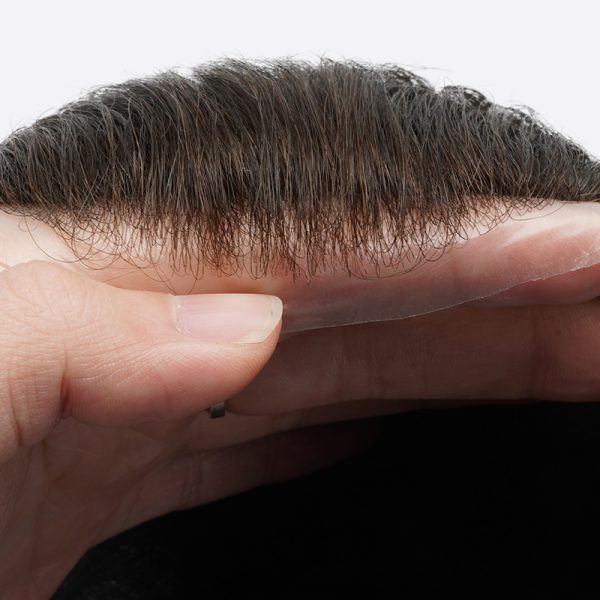
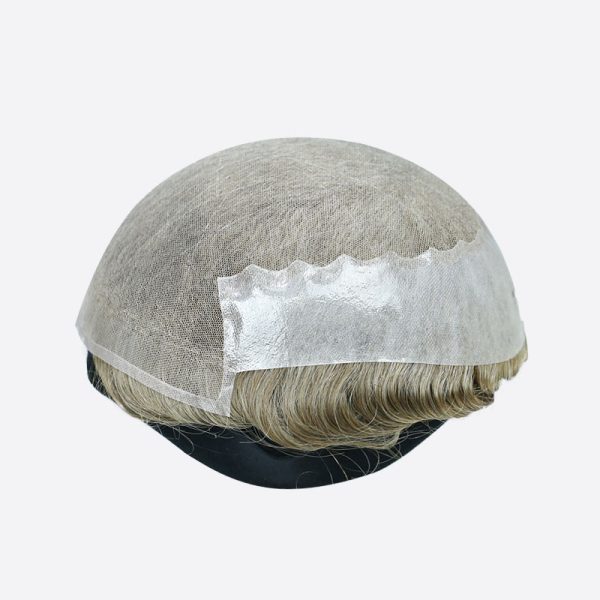
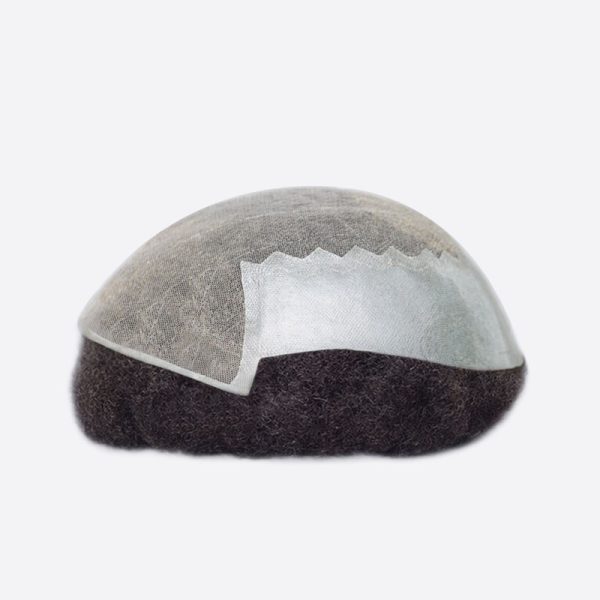
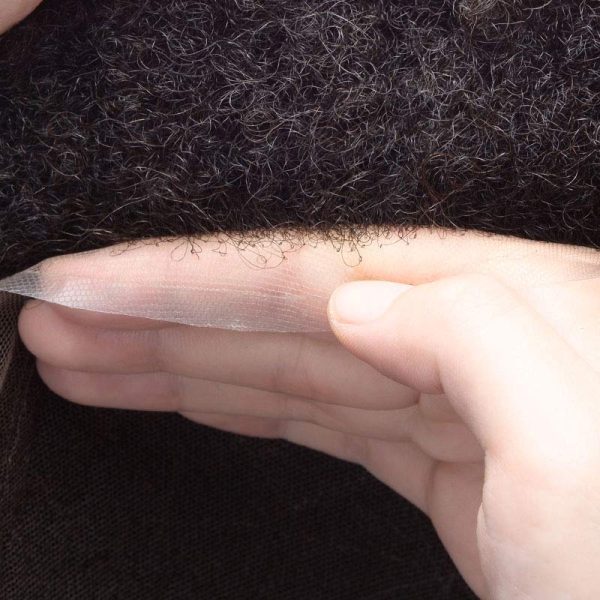
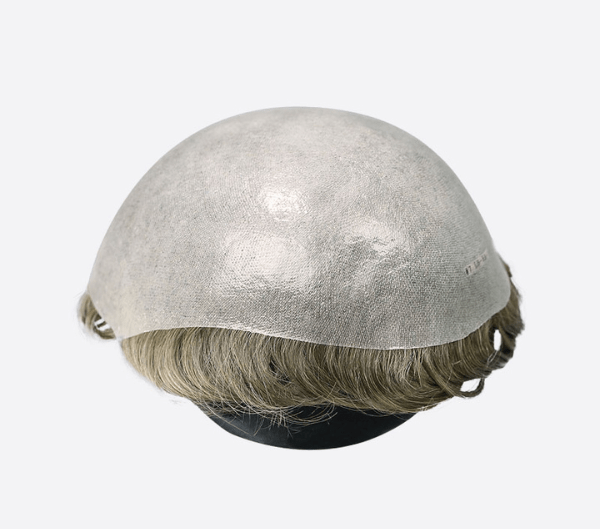
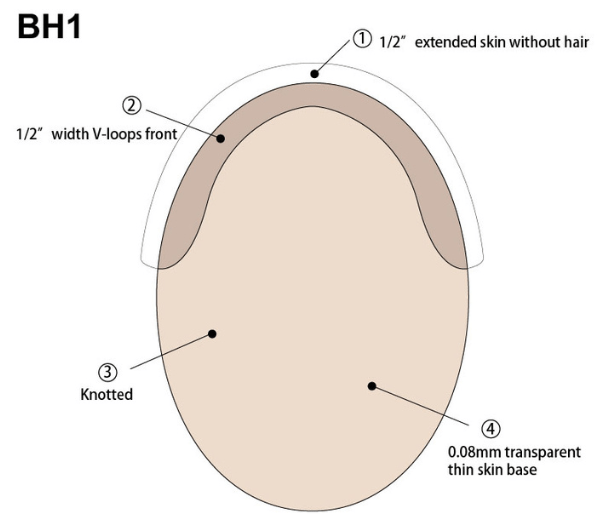
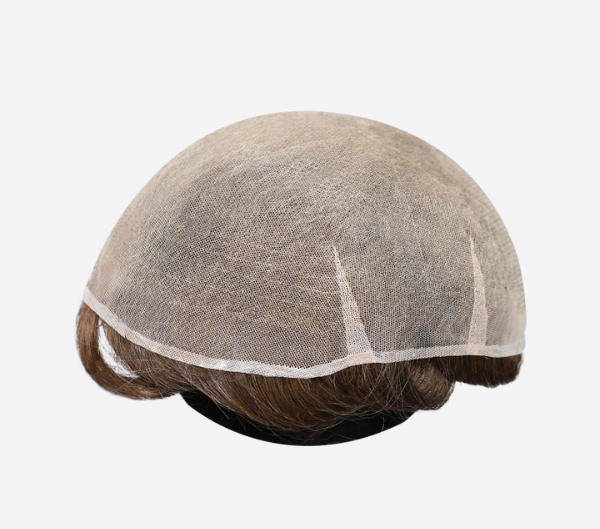
Unlike skin base systems, lace bases are breathable and porous. This means you can either apply the lace release directly with your fingers or a small brush, or spray it just like you would for a skin base. If you don’t have a lace release, a normal adhesive remover works, too.
-
Wait 1-5 minutes to let the release or remover soak into the lace and soften the adhesive.
-
Gently peel the system, working section by section, until it is fully removed.
-
Wear a mask. Some adhesive removers, such as C22, have a strong smell—offer your client a mask and make sure the product doesn’t get near their eyes. Don’t forget to protect yourself, too.
-
Use the remover just enough. If the system feels stuck while lifting, apply more remover as needed and wait a few minutes before trying again. Do not pull or force the system, and avoid overspraying—excess can irritate the scalp or cause a burning sensation for your client.
-
Be careful with the client’s natural hair. Sometimes a few strands may stick to the hair system. Try not to pull your client’s real hair—it can hurt, and most clients really value their own hair.
Step 2. Clean the Hair System
-
Adhesive remover
-
Clarifying shampoo
-
Fine tooth comb or soft toothbrush
-
Apply more adhesive remover (or lace release) on the base and let it soak for 1-5 minutes.
-
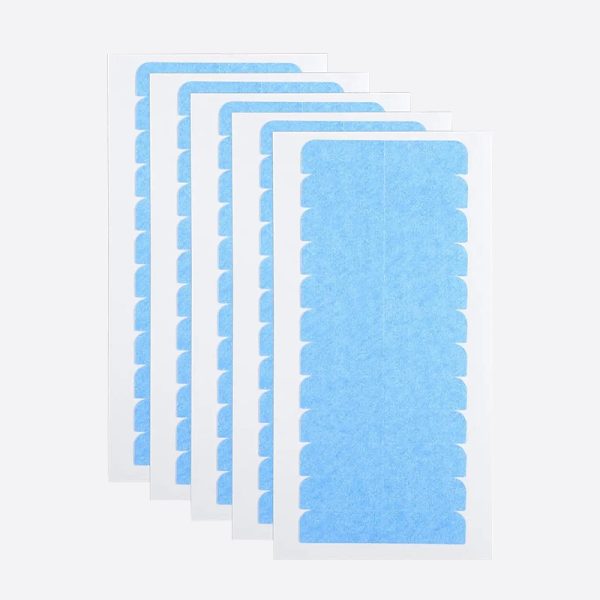
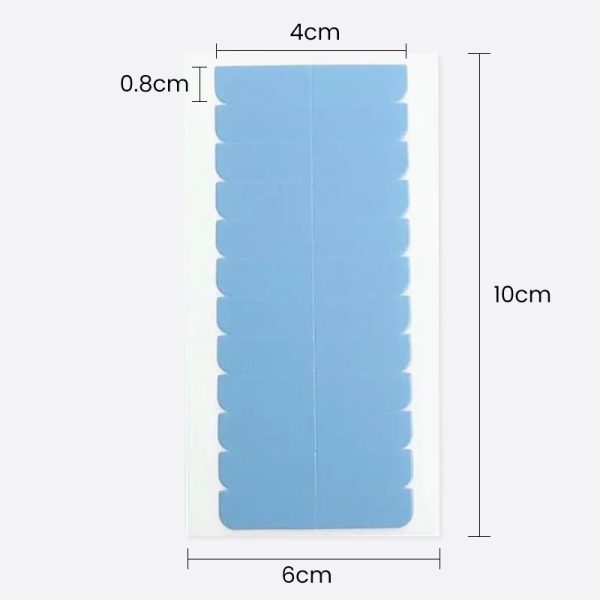
Gently peel off the adhesive tape or use a towel to remove the glue.
-
There might be residue hidden in the hair around the edges. Use a fine tooth comb or a soft toothbrush to gently brush them away.
-
Use clarifying shampoo to wash the whole system (base and hair) in lukewarm or cold water. Gently squeeze, never rub or wring, think of the hair system as delicate silk.
-
Repeat shampooing once more to make sure the system is cleaned nicely if you need.
-
Be gentle. This is so important. Even if you know it already, removing adhesive can sometimes be tricky and frustrating. Always keep this in mind to avoid damaging your client’s hair system.
-
Never use hot water. Hot water can weaken the base and hair bonds, and it also dries out the system. Lukewarm water is gentler, protects the system, and gets adhesive off easier than cold water.
-
Avoid over-shampooing. Washing the system once or twice is usually enough. Excessive washing can strip the hair of natural oils, shortening the system’s lifespan and reducing its shine.
Step 3. Condition and Detangle the Hair
-
Hair conditioner
-
Wide-tooth comb or detangling brush
-
Apply conditioner to the mid-lengths and ends only, avoiding the roots and base, especially with v-loop knots and injected knots. That is because every single strand is hand-tied to the base, conditioner can make them too smooth, loosen them, and cause shedding.
-
Now, this is the best time to detangle hair. With the conditioner in, the hair is at its smoothest. Gently brush from the ends upward, working your way toward the roots, and leave the conditioner on for about 2–5 minutes.
-
After everything is done, rinse the system again.
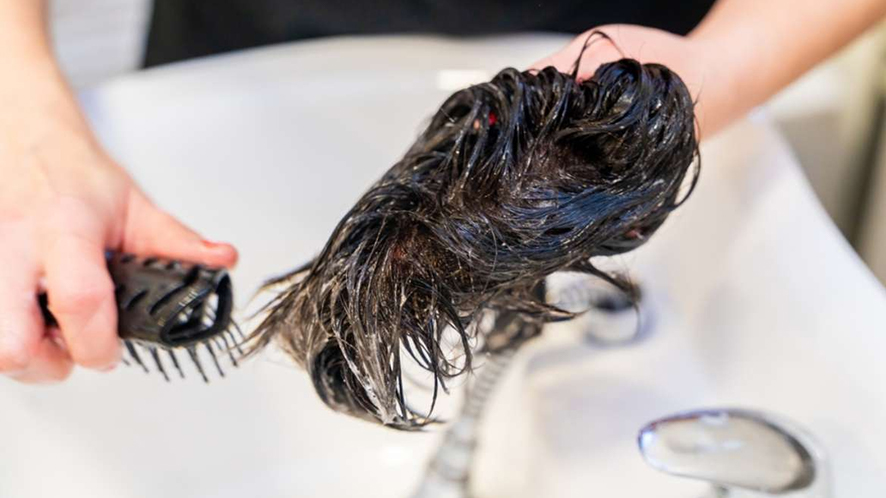
About Hair Mask
Some people prefer using a hair mask instead of a regular conditioner that contains keratin or natural oils like coconut oil, argan oil, because the they give the hair a deep conditioning and make it look even better. This is fine–but only if applied correctly.
Hair masks are richer and more concentrated than conditioners. While this makes them effective for deep conditioning, it also means they can make the hair and knots overly slippery if used incorrectly. Even when applied away from the roots, masks are heavier and more likely to migrate toward the base during rinsing, increasing the risk of loosened knots and shedding.
For this reason, hair masks should be used only for a small amount and occasionally, only on the mid-lengths and ends, with a short processing time (1–3 minutes). Regular conditioners, on the other hand, are lighter, easier to rinse out, and much safer for the system care routine.
Step 4. Dry the Hair System
-
Towels
-
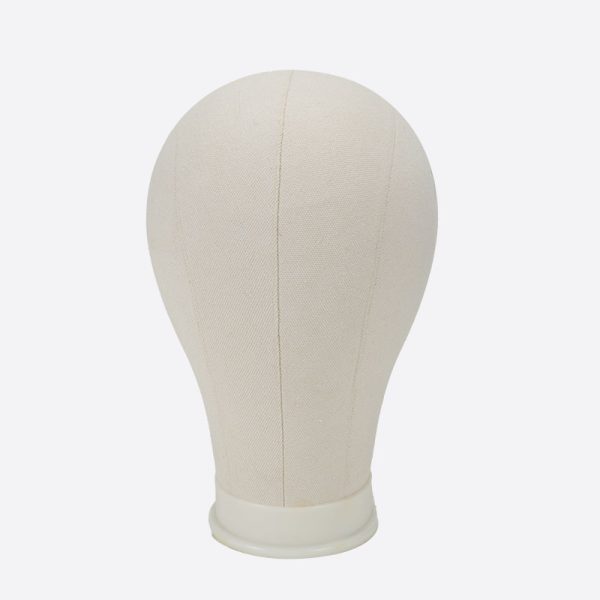
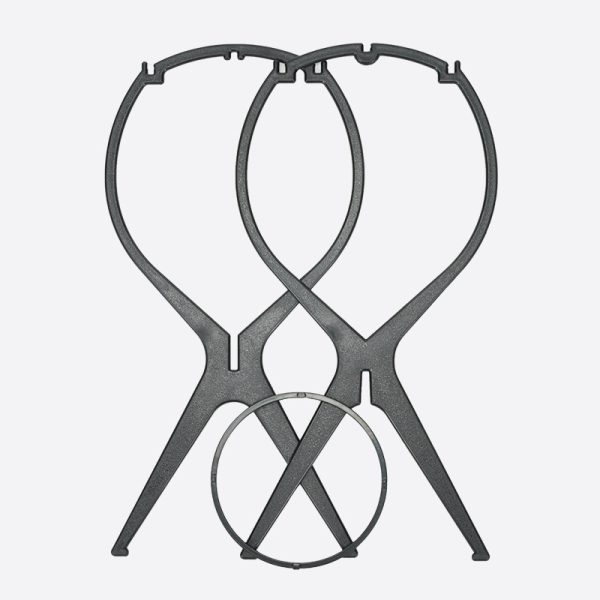
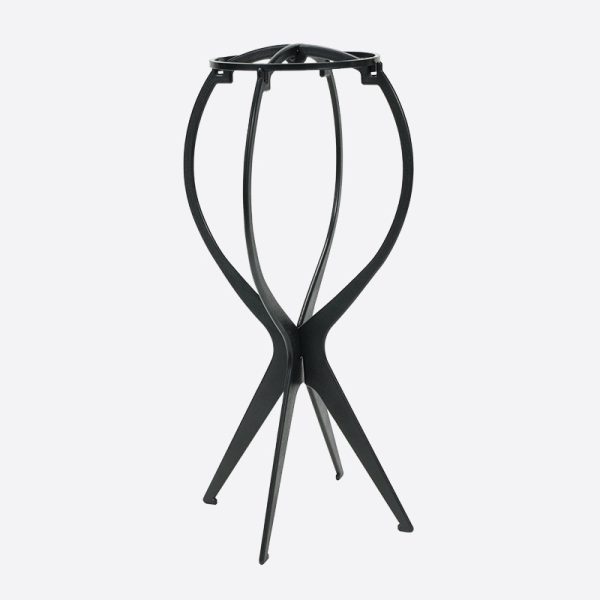
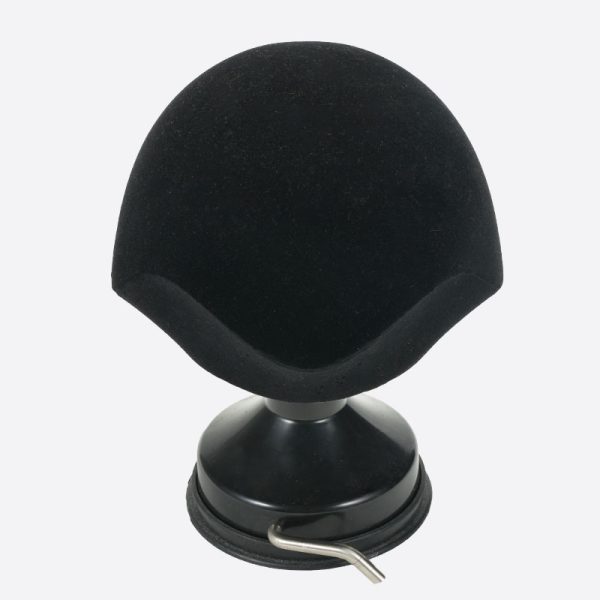
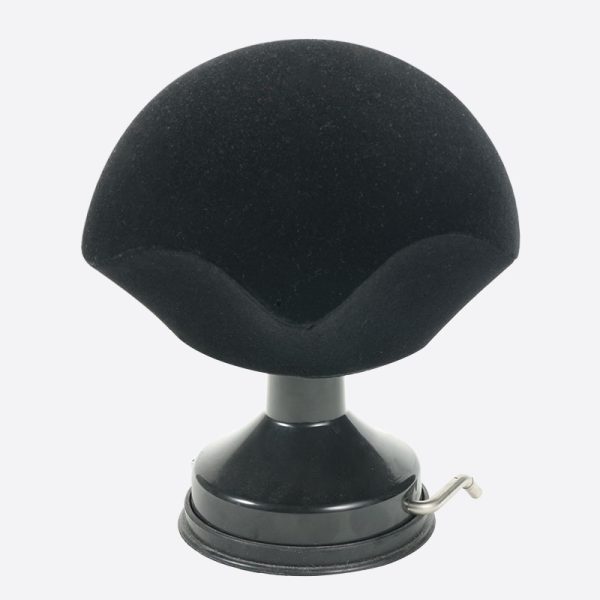
Wig stand
-
Use a towel to cover the system and gently roll it, squeeze or press to remove excess water. Do not wring or twist.
-
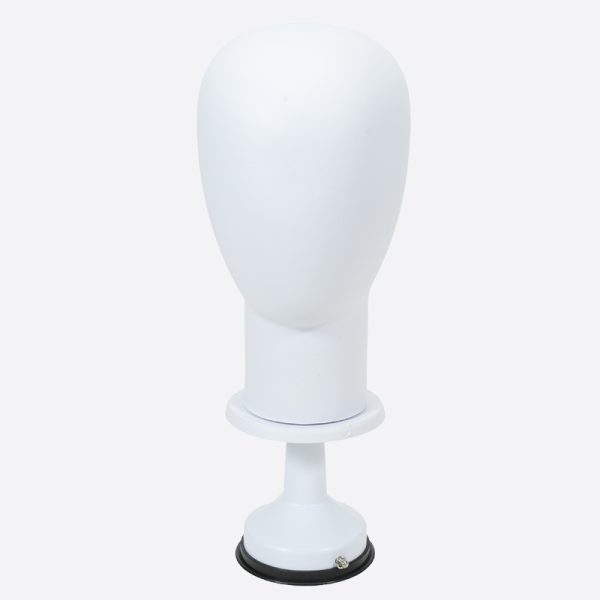
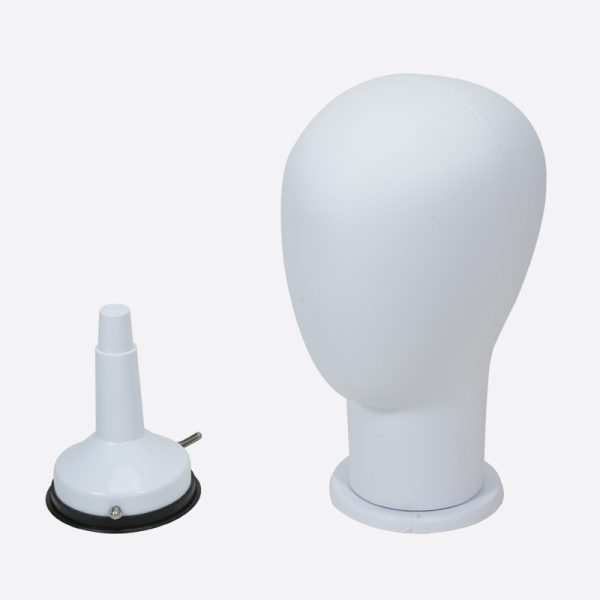
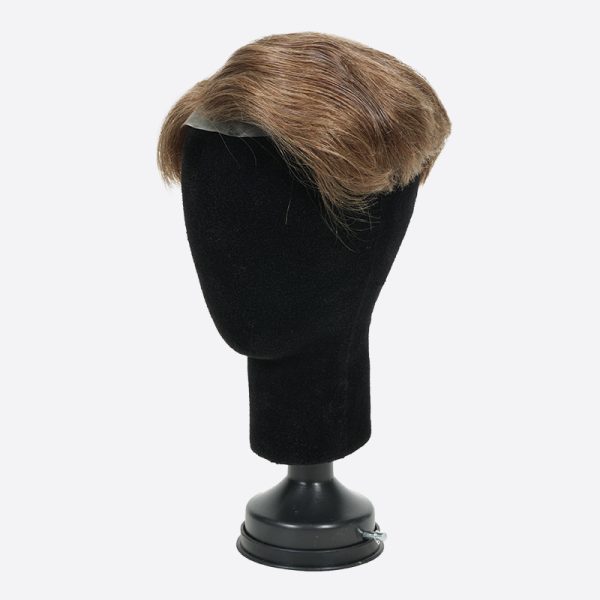
Place the system on a dry towel, or even better, on a wig stand with the base facing up. This is important because the base needs to be completely dry before putting the system back on your client’s head. The hair itself doesn’t need to be fully dry at this stage, since you will style it later.
Differences Between Hair System Cleaning and Natural Hair Care
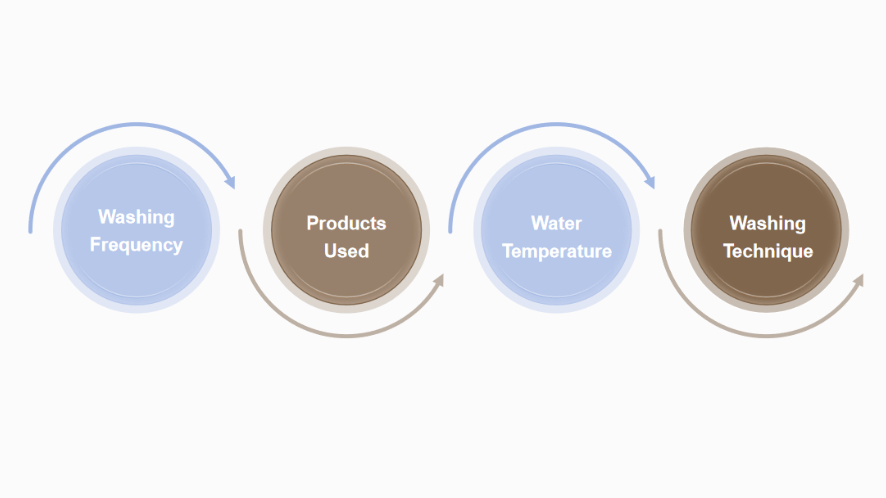
- Washing Frequency: Natural hair requires frequent washing to remove oil and sweat from the scalp. A hair system does not accumulate oil in the same way. In most cases, washing (with shampoo) once every week is sufficient. Washing too often can lead to dryness, color fading, and a shorter service life.
- Products Used: Natural hair can tolerate a wide range of shampoos. Hair systems require gentler care. Mild, sulfate-free shampoo, color safe shampoo and conditioner are recommended to prevent damage, as the hair lacks a natural oil supply to restore moisture after cleansing.
Besides, when using conditioners, no matter if it’s a general or leave-in conditioner, applications should be limited to the mid-lengths and ends. Unlike natural hair, the strands in a hair system are tied, injected, or looped into the base, and products applied near the roots can migrate into the knots or base, making them overly slippery and increasing the risk of loosening and shedding over time.
-
Water Temperature: Natural hair handles a wide range of temperatures well. For hair systems, however, hot water is the enemy. High temperatures can weaken adhesives, fade hair color, and dry out the hair. Lukewarm or cool water helps preserve both the hair and the base.In addition to temperature, water quality can also affect hair systems. Hard water may leave mineral residue on the hair, leading to dryness and dullness over time. Swimming in saltwater or chlorinated water can further dry out the hair and cause discoloration, which is why wearing a swim cap is recommended to help protect the hair system.
-
Washing Technique: Scrubbing the scalp is standard when washing natural hair. Hair systems require minimal friction. Gentle handling is essential, with an emphasis on rinsing and light cleansing rather than rubbing, twisting, or wringing, which can damage the knots or base.