













Among all the specifications of a hair system, the hair base is arguably the most crucial one. It directly affects comfort, natural appearance, durability, and also lays the foundation for later choices such as ventilation technique, hair density, hairstyles, and maintenance method.
As a hair professional, your task is to pick the right hair system for your clients and then handle the installation and maintenance. This is where your expertise shines. You have to make every choice right so that your clients can get the perfect hair system that offers a good wearing experience and helps them feel confident. That’s one of the most effective ways to earn your customer loyalty.
So, what’s the best base for hair systems? To answer that question, we will take a look at different base materials—skin, lace, mono, and hybrid bases.
Skin (Poly/PU) Bases—Mimics Look and Texture of Real Scalp
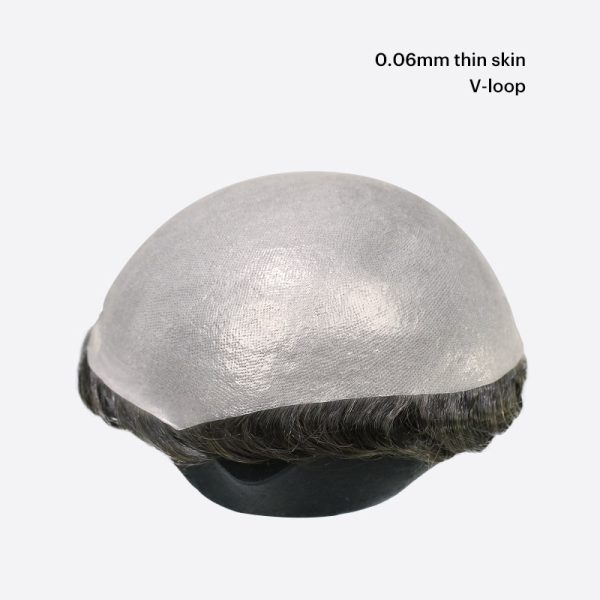
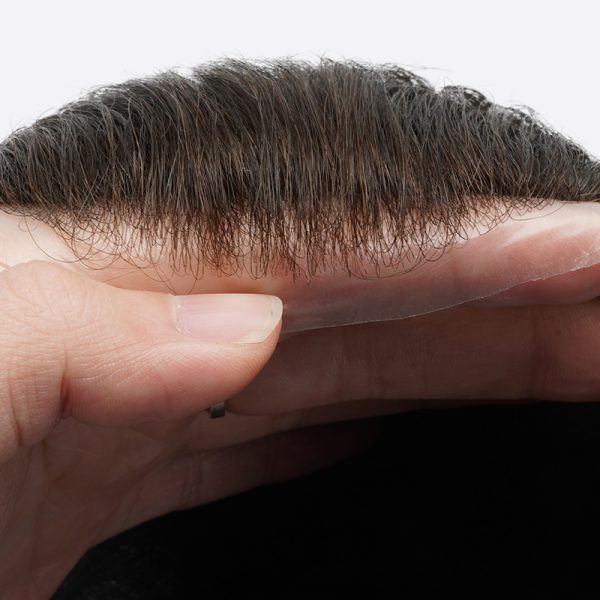
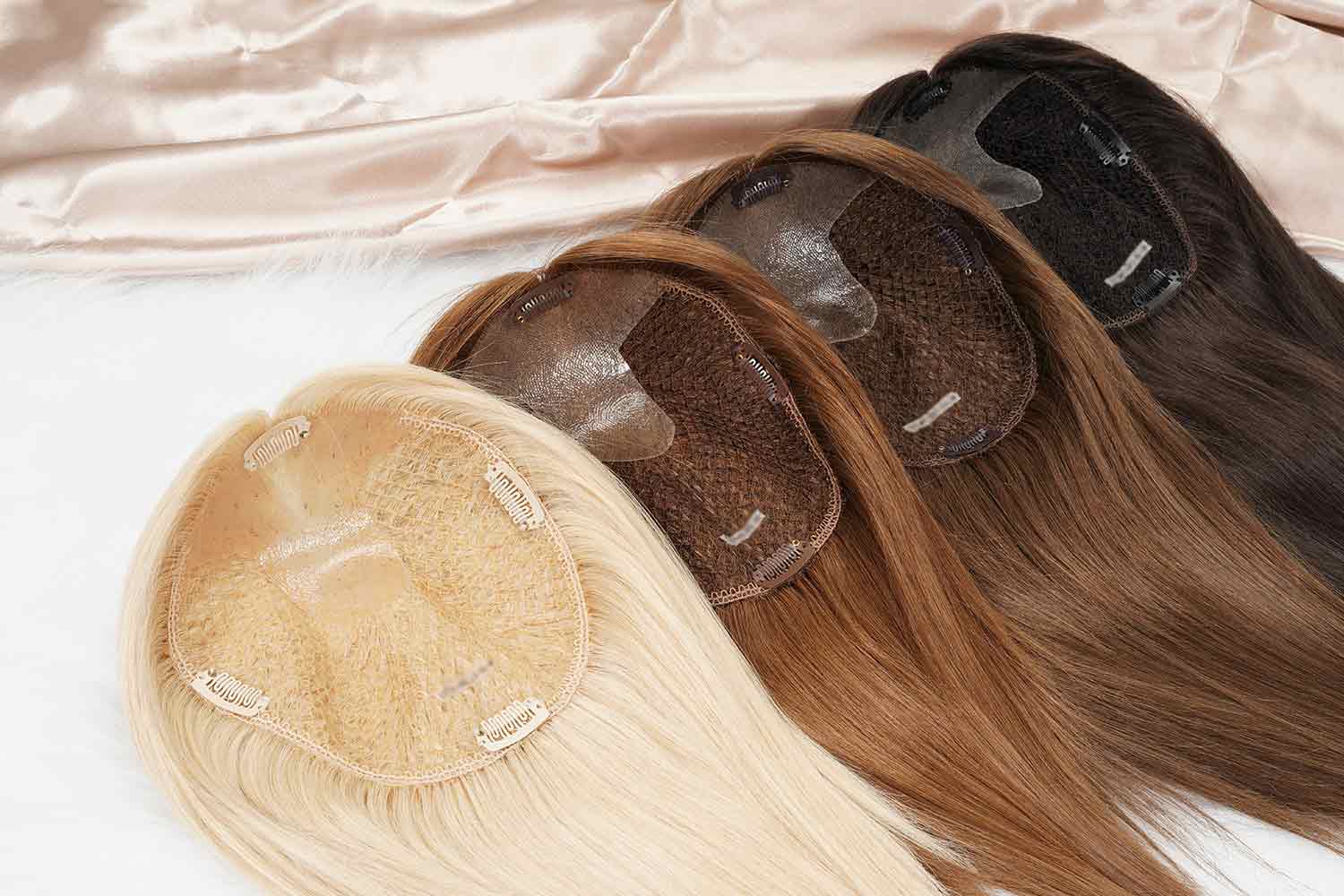
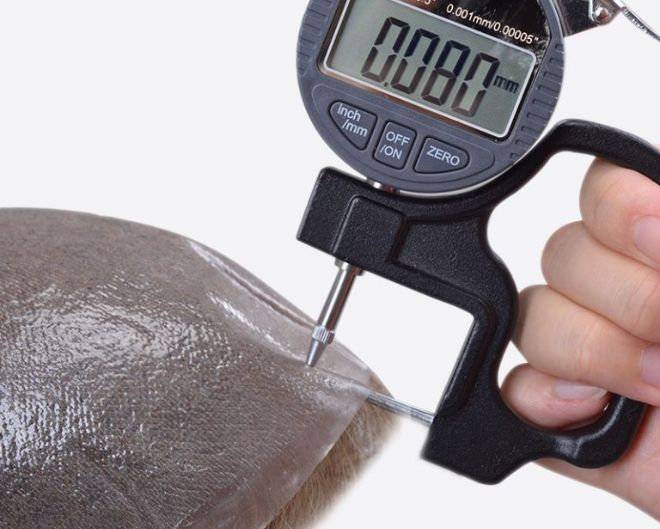
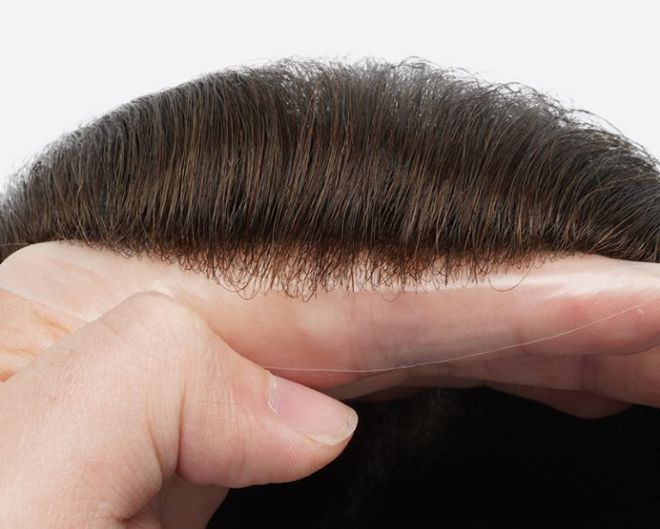
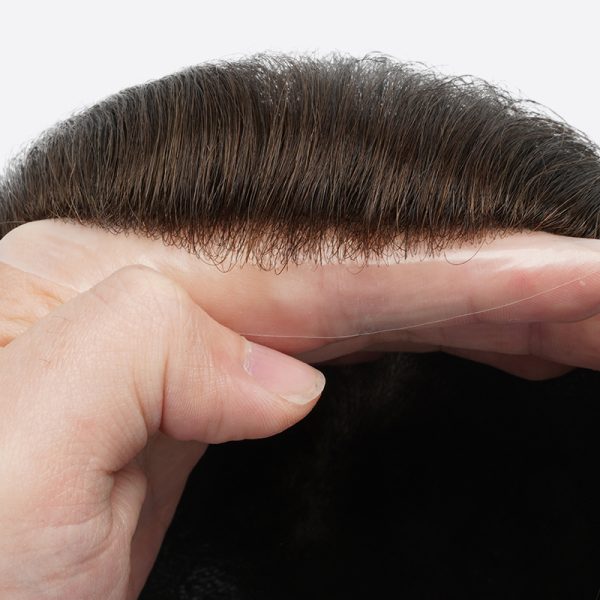
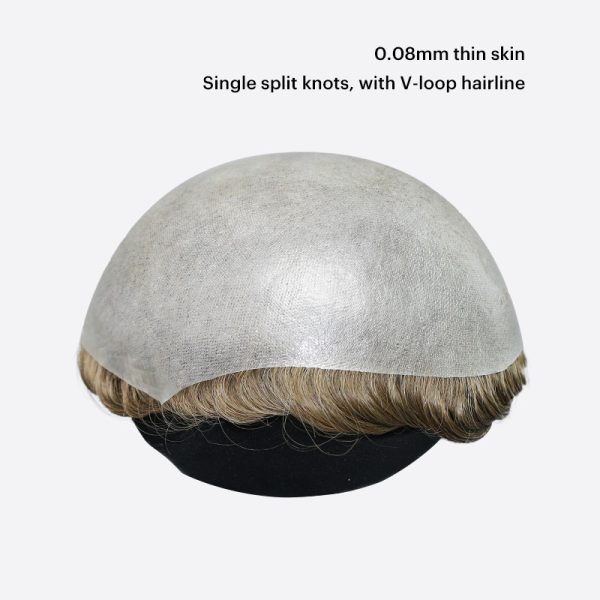
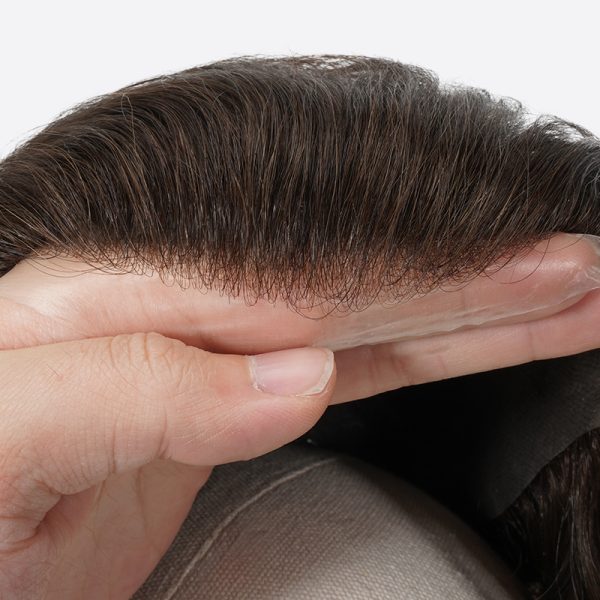
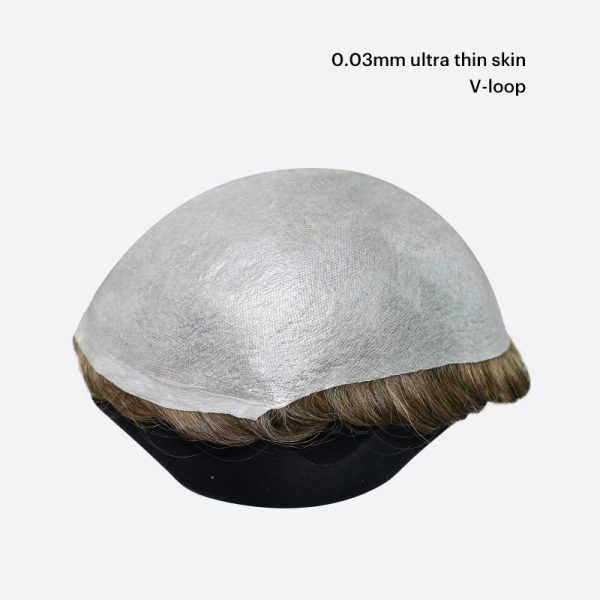
Skin bases have become increasingly popular in recent years, especially among people who want their hairpiece to look as close to a real scalp as possible. These bases are made from polyurethane, which can sit flat on the skin and create the impression that the hair is growing directly out of the scalp, especially when paired with injected or V–loop ventilation.
Skin bases are worn using tapes or liquid adhesives, allowing the unit to bond securely to the scalp with a smooth, seamless finish. Because the material forms a solid layer against the scalp and it is non–porous, airflow is more limited compared to lace or mono bases.
Supported hair density
Hair density on skin bases is closely tied to the thickness of the poly. Thinner skin bases offer a lighter, more undetectable look but can only support lighter hair density. Thicker skin bases allow for higher density, but this usually comes at the cost of breathability and invisibility.
| Skin Type | Supported Hair Density | Average Lifespan |
| 0.03mm Ultra Thin Skin | 80%–100% | 1 month |
| 0.06mm Super Thin Skin | 90%–100% | 2–3 months |
| 0.08mm Thin Skin | 100%–120% | 3–4 months |
| 0.08mm+ Skin | up to 140% | 4 months or longer |
Pros
-
Highly realistic scalp appearance
-
No visible knots with injected or V–loop ventilation
-
Comfortable, flat fit against the scalp, holds well with tape and glue
-
Easier to clean and care for compared to other bases because adhesive doesn’t seep through the base
Cons
-
Limited airflow compared to lace or mono, not ideal for heavy sweating or hot, humid weather
-
Thinner skin bases are more delicate and won’t last as long
Best for (lifestyle)
People with a low–activity or everyday lifestyle who care more about a natural look than airflow, especially those who spend most of their time indoors.
Best seller at Bono Hair
Lace Bases—Go–To Choice for Breathability and Natural Hairline
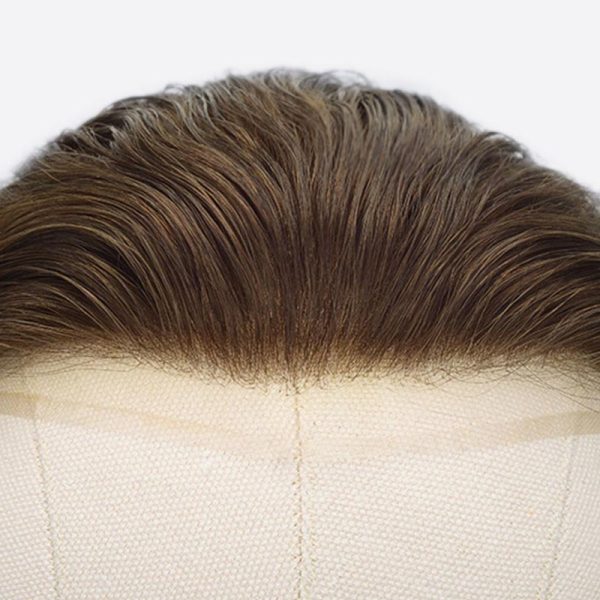
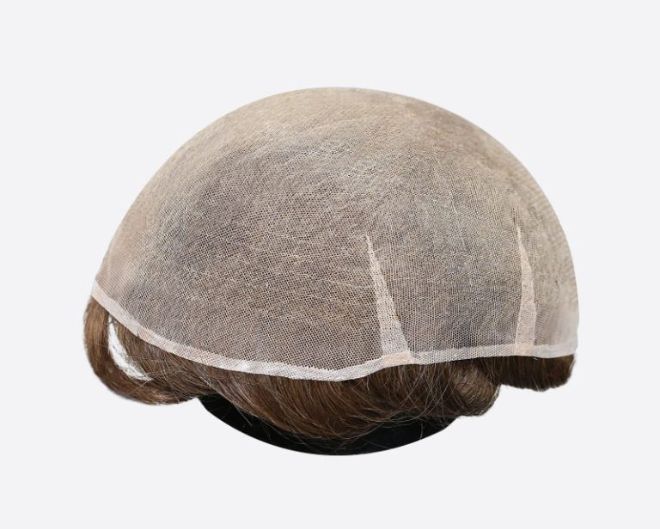
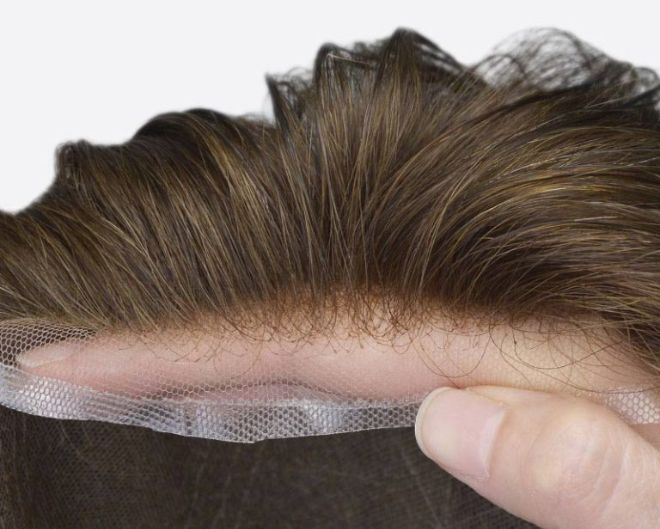
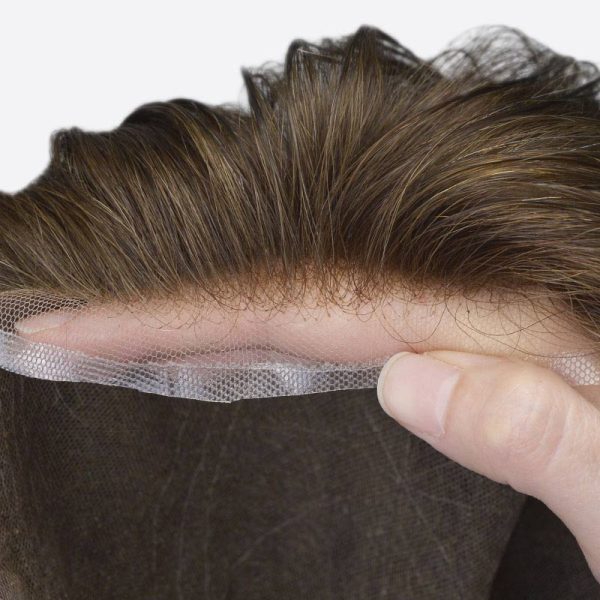
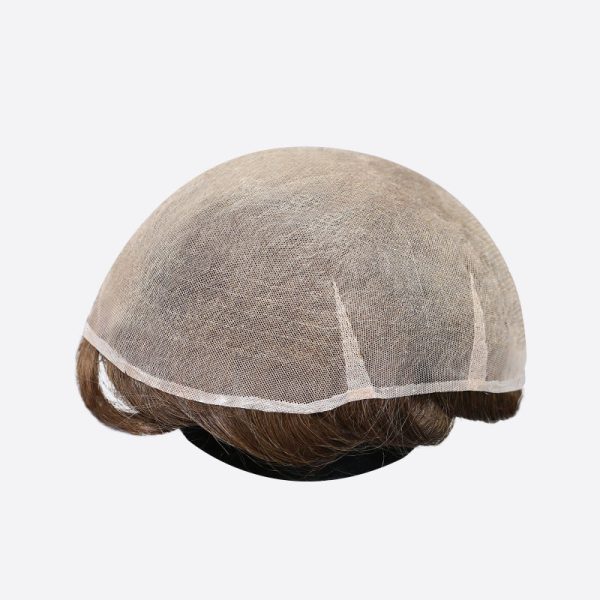
Lace bases are a longstanding favorite among hair system wearers, best known for their breathability and natural hairline. They are made from a fine, net–like lace material typically woven from synthetic fibers such as polyester, which allow air to flow freely through the scalp, keeping the wearer cool and comfortable.
Lace systems can be attached using tape for convenience or liquid adhesive for a more seamless hairline. And because the lace material is lightweight and open in structure, durability is generally lower than skin or monofilament bases, and more careful handling is required during wear and maintenance.
Two common lace types
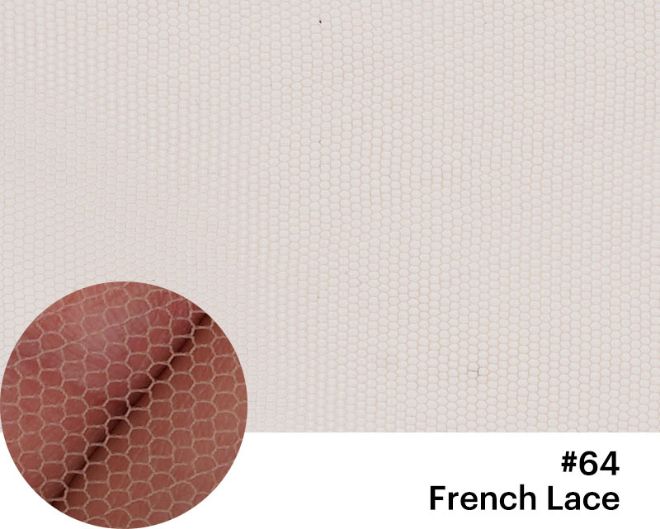
- French lace is the most commonly used lace material in men’s toupees and wigs. It offers a good balance between breathability, durability, and natural appearance. The mesh is slightly thicker, making it easier to clean and better suited for regular wear.
- Swiss lace is finer, softer, and nearly invisible. It is the No.1 choice for ultra–natural hairlines. However, this realism comes at a cost—Swiss lace is more fragile and has a shorter lifespan, lasting around 1–2 months, while French lace typically lasts 2–3 months. It also requires extra care during maintenance.
Supported hair density
Lace bases generally hold Light–Medium Light to Medium (90%–120%) hair density because the mesh is delicate. Lace–based hairpieces are usually chosen for a natural, lightweight look rather than for high hair volume.
Pros
-
Excellent breathability
-
Extremely natural and nearly invisible hairline (especially with bleached knots)
-
Lightweight and soft, comfortable even during long wear
Cons
-
Less durable than skin or mono bases; prone to tearing if handled roughly
-
Requires more time and careful handling during maintenance because adhesive can seep through the mesh
Best for (lifestyle)
Lace hair systems are ideal for people with an active lifestyle, those who sweat easily, or anyone living in warm or hot climates. They are especially suitable for clients who prioritize comfort and an undetectable hairline over long–term durability.
Best seller at Bono Hair
Monofilament (Mono) Bases—Gold Standard for Durability
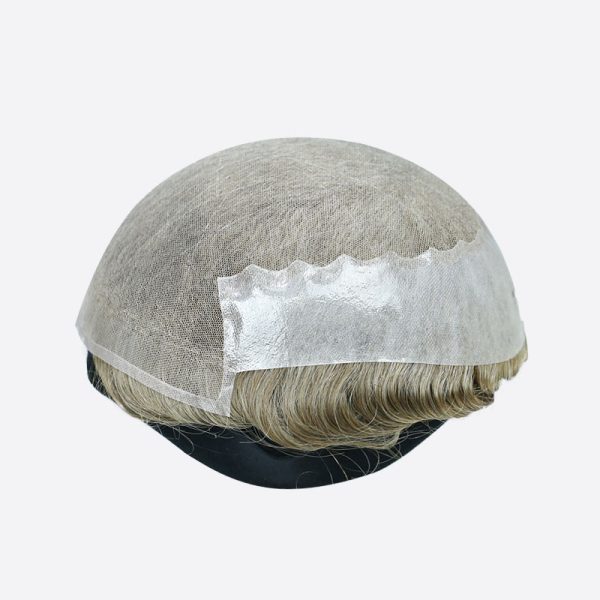
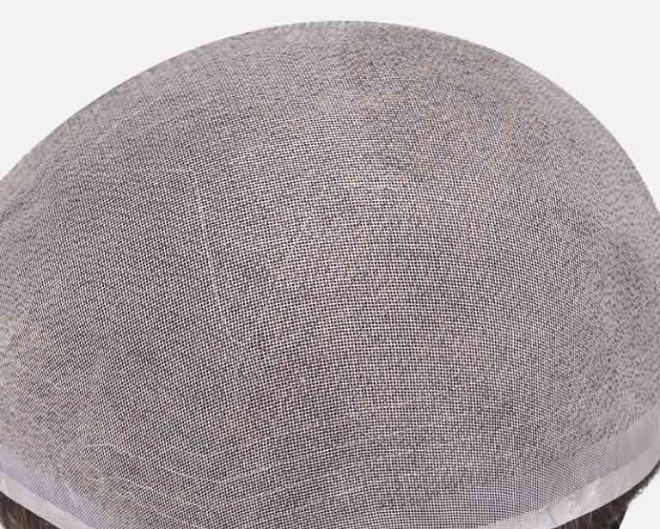
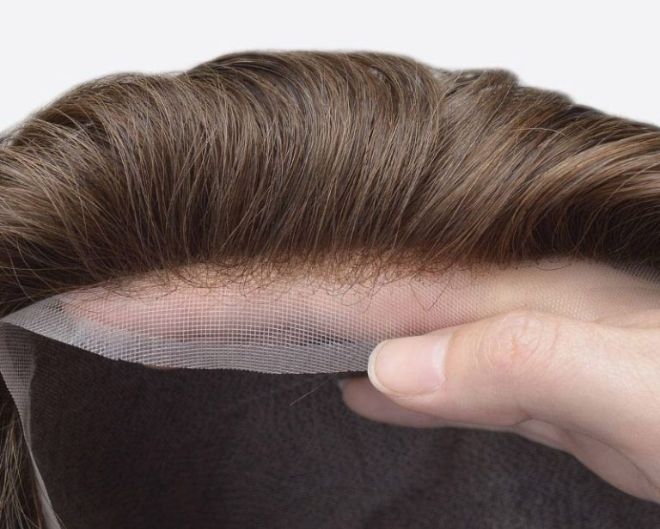
Mono base toupees and wigs are known for their durability, high–density support, and shape retention. The base is made from a tightly woven, square–mesh synthetic fiber. It is exceptionally sturdy, but its rigid nature means it is not as undetectable as skin or lace. That’s why mono bases are often combined with a skin or lace perimeter to combine structural strength with a natural–looking edge.
Mono hair systems are typically attached using tape, offering a stable fit for clients who wear their hairpieces daily or for extended periods. With proper care, a mono hair system can last from 6 months to 12 months.
Manufacturer–level classification of monofilament
-
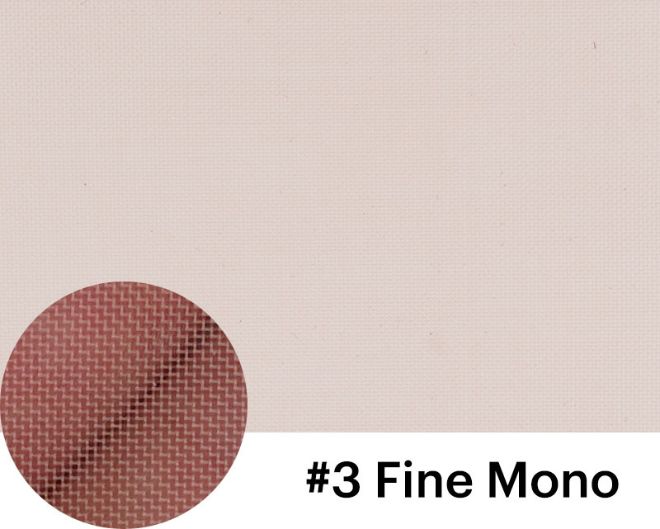
Fine Monofilament: The strongest base material available. It features a reinforced mesh of small, closely–knit holes that provide airflow while supporting heavy hair densities. (Lifespan: 6–12 months; Hair density: up to 160%).
-
Fine Welded Monofilament: This is a softer version. The warp and weft are welded together for strength to resist damage. It offers a more realistic finish than Fine Monofilament but does not take as much hair density as it. (Lifespan: 3–4 months; Hair density: up to 140%).
-
Super Fine Welded Monofilament: The most soft and breathable mono family member. It strikes a balance between the durability of mono and the comfort of lace, making it a popular choice for stock systems. (Lifespan: 3–4 months; Hair density: 100%–120%).
Quick Tip: How to Distinguish Mono from Lace
Mono and lace look similar because they are both meshes, but there is a key difference in the weave pattern:
-
Monofilament uses a square–weave pattern. It is rigid and holds its shape perfectly even with high hair density.
-
Lace uses a hexagonal (honeycomb) pattern. It is softer and more flexible for a natural hairline but can stretch or tear more easily under tension.
Pros
-
Superior durability
-
Excellent shape retention
-
Reliable support for heavy hair density
-
Effective breathability and heat dissipation
Cons
-
Thicker mesh fibers make the base edges more visible
Best for (lifestyle)
Mono hair systems are suitable for clients who prioritize longevity and hair volume. It is ideal for those seeking a stable, cost–effective, semi–permanent solution that stands up to frequent wear.
Best seller at Bono Hair
Hybrid Base – Tailored for Your Client’s Needs
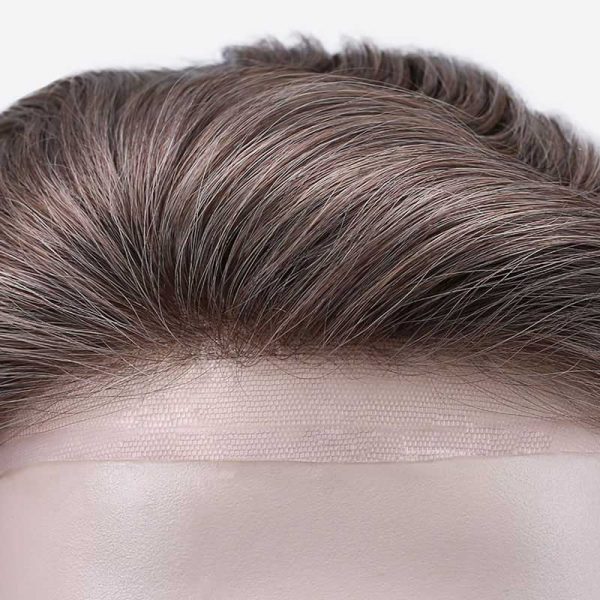
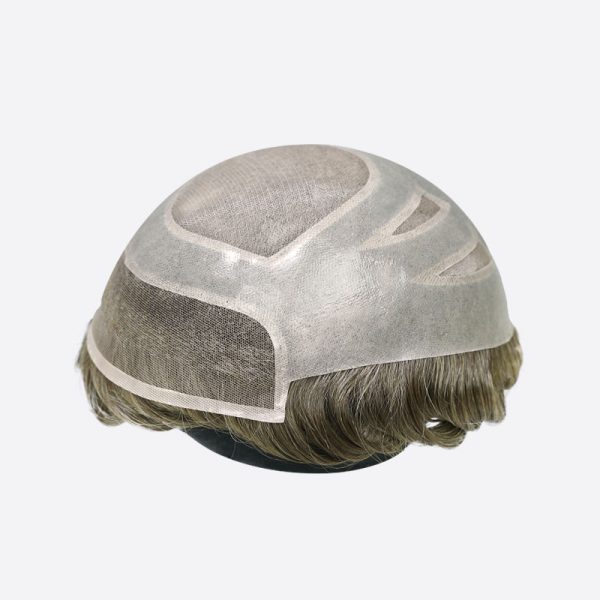
Each of the main base types—Skin, Lace, and Mono—has its strengths and weaknesses, and hybrid bases are designed to maximize the strengths of different materials while minimizing their weaknesses. By combining two or more base materials—such as a breathable Lace front for a natural hairline and a Mono center for durability—you can offer a hair system that perfectly balances comfort and longevity.
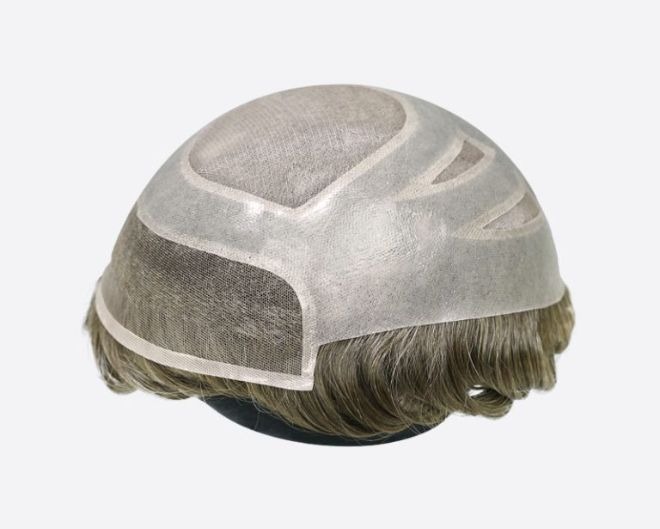
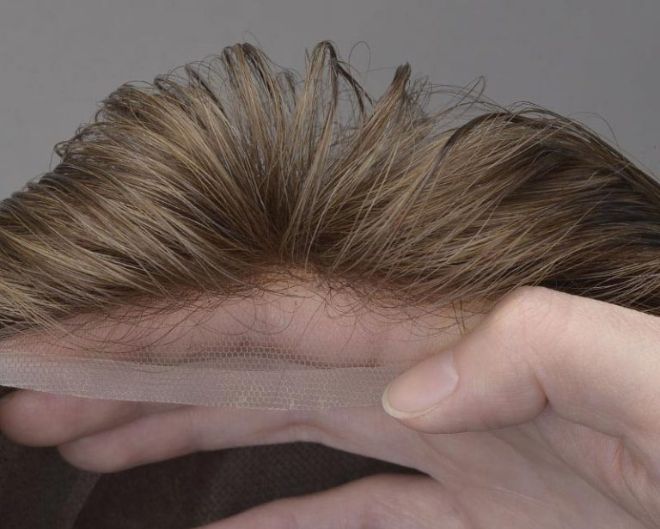
Hair Bases Comparison At a Glance: Skin vs. Lace vs. Mono
| Base Type | Natural Look | Breathability | Durability | Average Lifespan | Max Density |
| Skin (0.08mm) | High | Low | Moderate | 3–4 months | 140% |
| French lace | Highest | Highest | Moderate | 2–3 months | 120% |
| Mono | Moderate | High | Highest | 6 months–12 months | 160% |
Final Thoughts
So, what’s the best base for a hair system? You probably already know the answer before reading this passage—there isn’t a single “best” base. It all comes down to the wearer’s needs and lifestyle. Hope this passage can help you to clarify the technique reasons behind.
When fitting a hair system remember that your expertise is your greatest asset. Clients may know what they want, but they might not understand the technical nuances like you do. Take the time to offer professional advice and explain the options clearly; this is how you build lasting trust and customer loyalty.
With over a decade of experience manufacturing premium hair replacement systems, including toupees, wigs, toppers, and hair extensions, Bono Hair is ready to be your strategic partner. Whether you are scaling an existing brand or starting a new hair business, we are here to support you as both a supplier and a friend.