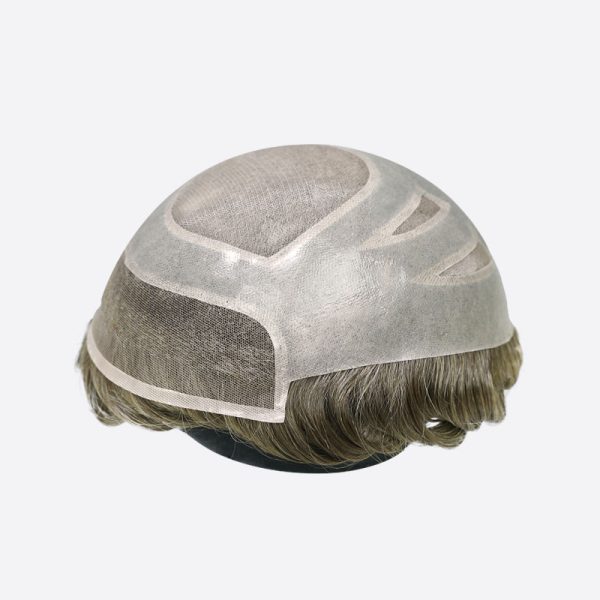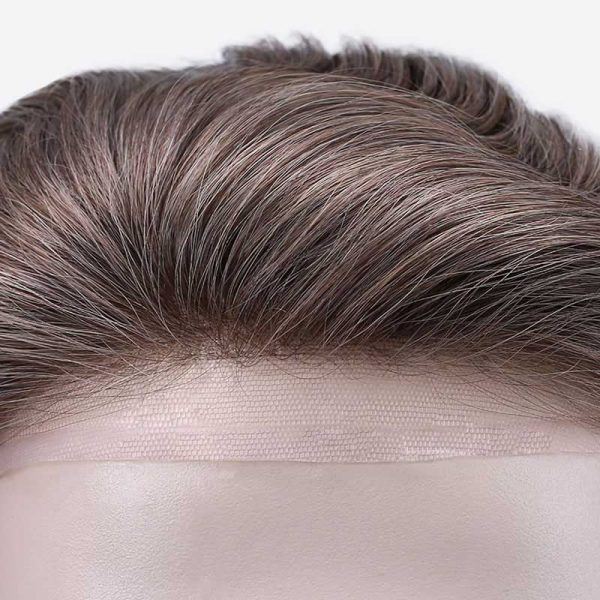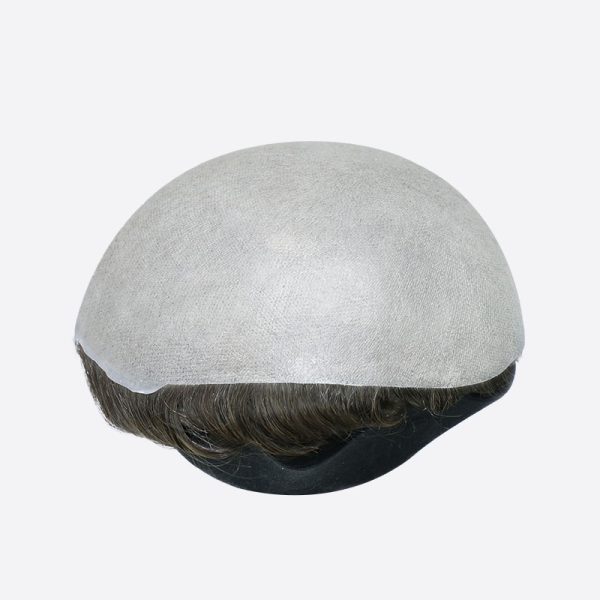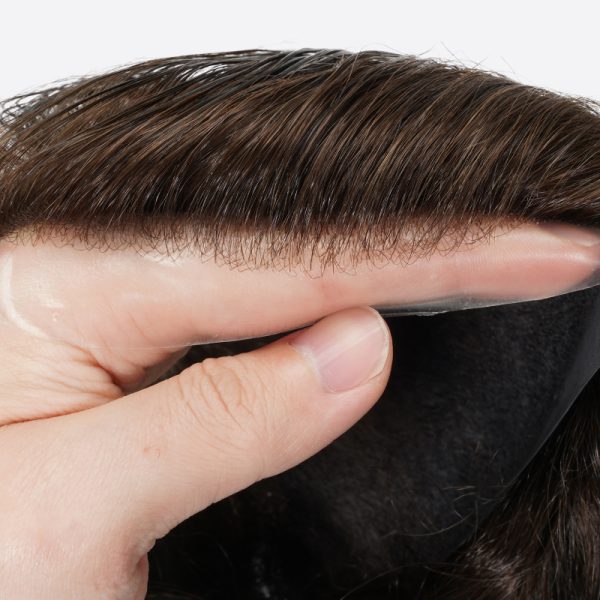














If you search for the best water temperature to wash a wig or hair system, you’ll usually find recommendations to use warm water. Some people, however, prefer cold water, believing it’s gentler on the hair. But do you know why lukewarm water is generally recommended? And what actually happens when you wash a human hair system with hot or cold water?
The water temperature you use can affect how well shampoo removes buildup and how your hair feels after washing. To see the difference, we tested three water temperatures on human hair and compared the results. Here’s what we found and why lukewarm water is the better choice for everyday hair system care.
Quick Answer: What Water Temperature Is Best for Washing a Hair System?
For washing a human hair system, we recommend using lukewarm water around 30–40°C (86–104°F). Water close to body temperature is a comfortable everyday choice.
Here’s how different water temperatures compare:
-
Hot water: Can leave the hair feeling drier and rougher, making it harder to comb.
-
Cold water: Can still clean the hair, but may be less effective at loosening oily residue and styling product buildup.
-
Lukewarm water: Helps loosen buildup while keeping the washing process gentle on the hair.
What Happens When You Wash a Hair System at Different Temperatures?
We wanted to see how different water temperatures affect the feel of human hair, so we conducted a simple comparison test using three temperatures: 80°C, room-temperature water, and 37°C.
We chose 80°C as an extreme high-temperature condition, not a typical washing temperature. While no one should wash a hair system with water this hot, the test allowed us to observe how the hair felt and behaved after exposure to excessive heat.
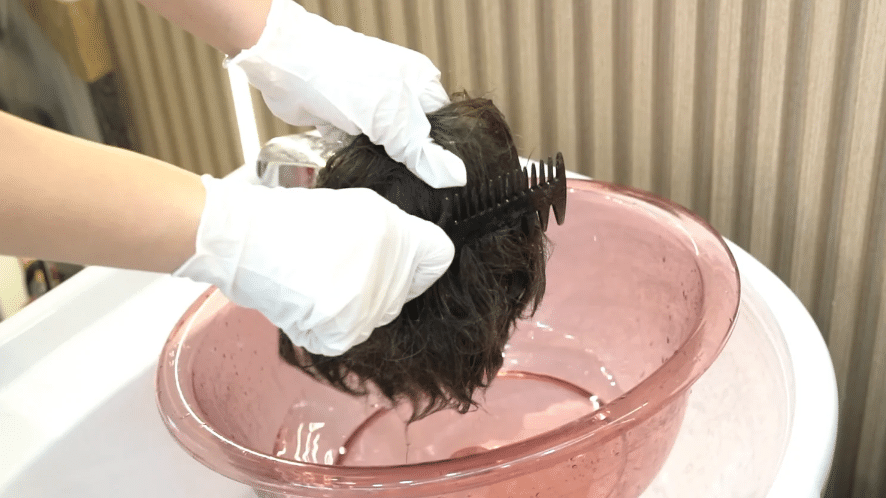
We soaked each sample in the water with three pumps of the same shampoo for two minutes. After soaking, we lightly pressed each sample with a towel and combed it using the same comb and combing method.
This was a simple in-house comparison rather than a controlled laboratory test. Still, the differences in how the hair felt and behaved during combing were noticeable.
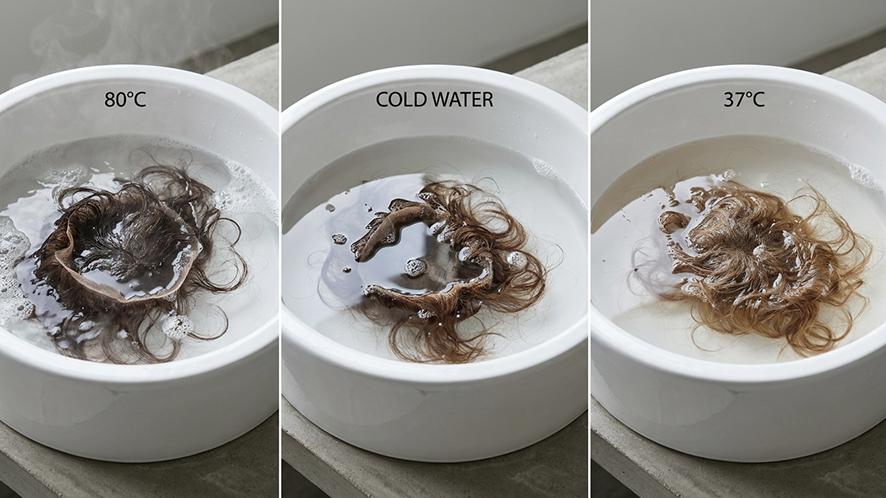
Here’s what we got:
|
Water Temperature |
Hair Feel | Combing | Hair Loss During Combing |
| 80°C | Drier and rougher | More difficult | More noticeable |
| Cold water | Relatively smooth | Easy | No comparable increase observed |
| 37°C | Relatively smooth | Easy | No comparable increase observed |
The results suggest that very hot water is best avoided when washing human hair systems. Both cold water and lukewarm water performed better in our simple combing comparison.
Why Does Hot Water Make Human Hair Feel Dry and Rough?
Human hair has a protective outer surface layer, along with natural lipids that help maintain its smoothness and reduce friction between strands.
Excessive heat exposure can affect the hair’s surface condition and its protective lipid layer. When the surface becomes less smooth, individual strands create more friction against each other. This can leave the hair feeling rougher, drier, and more prone to tangling.
As the hair is washed and exposed to daily wear, some of its protective surface lipids can gradually wear away. Unlike natural hair growing on the scalp, hair in a system doesn’t receive new sebum from the scalp to replenish its surface. So the hair condition on a hair system depends heavily on its quality and the care routine.
Is Cold Water Better for Washing a Hair System?
Not really. Cold water can avoid the potential effects of heat and our test showed that the cold-water sample remained smooth and easy to comb. But washing isn’t just about how the hair feels afterward. It’s also about removing oil, sweat, and styling product residue.
Cold water is less effective at loosening oily buildup than lukewarm water. It may also make shampoo harder to work into the hair and rinse out, depending on the shampoo formulation.
This doesn’t mean cold water cannot clean a hair system. Shampoo does most of the actual cleaning through its surfactants, so cold water can still work. Lukewarm water simply makes it easier to loosen everyday buildup while keeping the washing process gentle.
Why Is Lukewarm Water the Best Choice?
Lukewarm water offers a practical balance between cleaning effectiveness and maintaining hair condition. It helps loosen oil, sweat, and styling product residue, making it easier to wash and rinse the hair.
It also avoids excessive heat. This is particularly important for processed human hair, which may already have a more fragile surface condition due to coloring or other chemical treatments.
For everyday hair system care, we recommend water around 30–40°C (86–104°F). You don’t need a thermometer every time you wash; water that feels comfortably warm, without feeling hot, is generally a good guide.
How to Wash a Hair System With Lukewarm Water
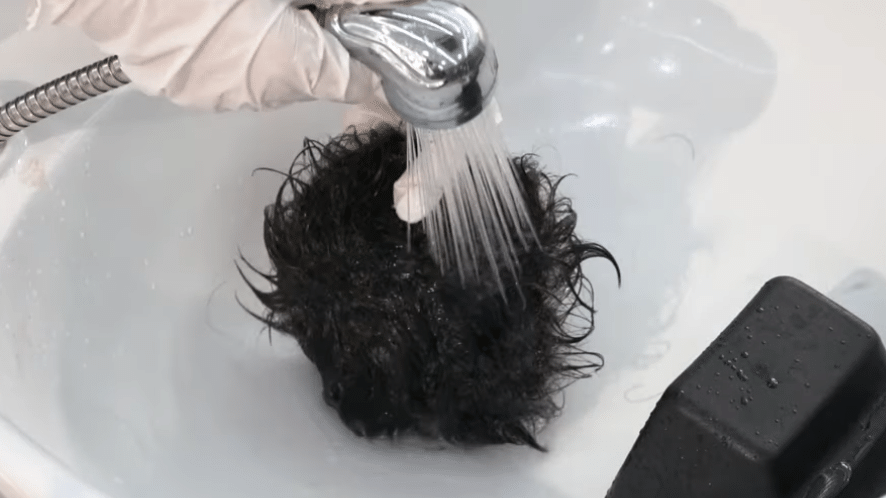
The same general temperature range works well for human hair wigs and toppers. How you handle the hair during washing also matters. A few basic steps can help:
-
Detangle first. Gently comb the hair before washing, starting from the ends and working upward.
-
Wet the hair with lukewarm water. Soak the system or let the water flow in the direction of the hair to avoid unnecessary tangling.
-
Wash gently. Apply a suitable shampoo and work it through the hair without rubbing or scrubbing aggressively.
-
Rinse thoroughly. Make sure no shampoo residue remains.
-
Apply conditioner. Focus on the mid-lengths and ends rather than the base.
-
Dry carefully. Gently press out excess water with a towel. Avoid rubbing or twisting the hair, or using a high-temperature setting on a blow dryer.
For a more detailed walkthrough, see our guide to Professional Hair System Maintenance Guide.
Final Thoughts
Water temperature is a small part of hair system care, but it can make a difference to how the hair feels and behaves after washing.
For regular cleaning, use lukewarm water around 30–40°C (86–104°F) and avoid very hot water, and remember that careful washing and conditioning are just as important as the water temperature itself.
Frequently Asked Questions
-
Can I wash my hair system in the shower?
Yes, you can wash your hair system in the shower. Just make sure the water is lukewarm rather than hot, and avoid standing directly under strong water pressure. Let the water flow gently downward in the direction of the hair to help prevent tangling. Avoid long, hot showers, as prolonged exposure to high temperatures can leave human hair feeling dry.
-
Does hot water damage the hair system base or loosen knots?
Yes. Beyond drying out the hair, excessive heat can weaken the protective knot sealer on lace and monofilament bases and make hair strands more brittle—both of which increase shedding during washing and combing. For ultra-thin skin (poly) bases, frequent exposure to very hot water can also speed up material aging and cause the delicate base to lose its snug contour over time.
-
Should I rinse conditioner out with cold water instead of lukewarm water?
You don’t need to switch to cold water when rinsing out conditioner. Lukewarm water works well for the entire washing process. If preferred, you can finish with a brief cool-water rinse, but it isn’t necessary for keeping your hair system in good condition.
-
What if I accidentally washed my human hair system in hot water?
Don’t panic. One wash with hot water doesn’t mean your hair system is permanently damaged. If the hair feels dry or rough afterward, apply a hair conditioner according to the product instructions. Rinse thoroughly with lukewarm water and allow the hair to air-dry.
-
Does the lukewarm water rule apply to synthetic hair systems?
Not necessarily. Synthetic hair systems require different care depending on the type of fiber used. Most standard synthetic fibers should be washed with cool water, while some heat-friendly synthetic fibers can tolerate warmer temperatures. Always follow the manufacturer’s care instructions to avoid damaging the fibers or altering their style.