













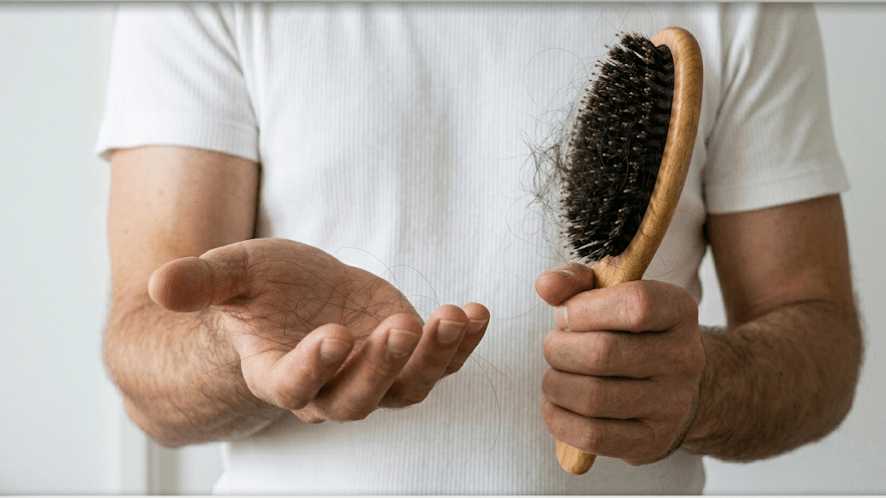
Have your clients ever asked, “Why does my hair system shed so much?” Or “Why does toupee hair fall out?”
It’s one of the most common concerns salon owners and hair replacement professionals hear.
The good news?
Hair shedding does not automatically mean the system is defective.
A small amount of hair loss is normal, especially during the first few washes because there might be some loose floating hairs from production. But when shedding continues, creates noticeable thinning, or leads to bald spots, there is usually a specific cause.
As an experienced hair system manufacturer and B2B supplier, we see this issue from two sides:
-
How the system is worn and maintained
-
How the system was manufactured
In this guide, we’ll explain why men’s hair systems shed, how to determine the real cause, and what you can do to prevent or stop shedding.
Key Takeaways
-
Some initial shedding is normal.
-
First determine whether you are seeing true shedding or hair breakage.
-
Most excessive hair loss is caused by maintenance habits.
-
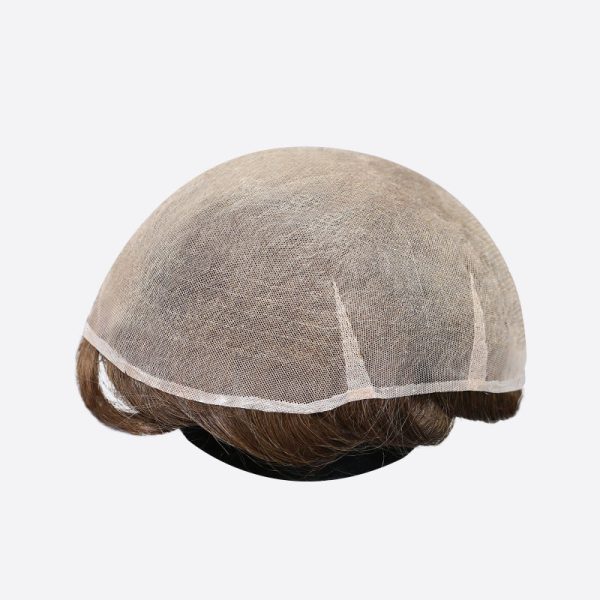
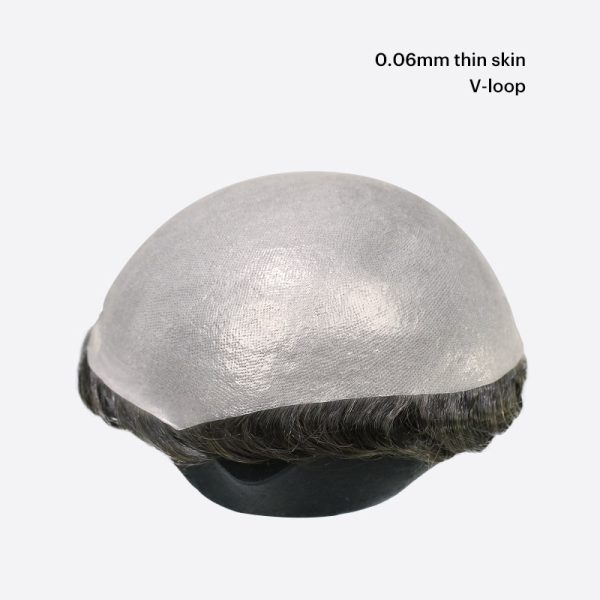
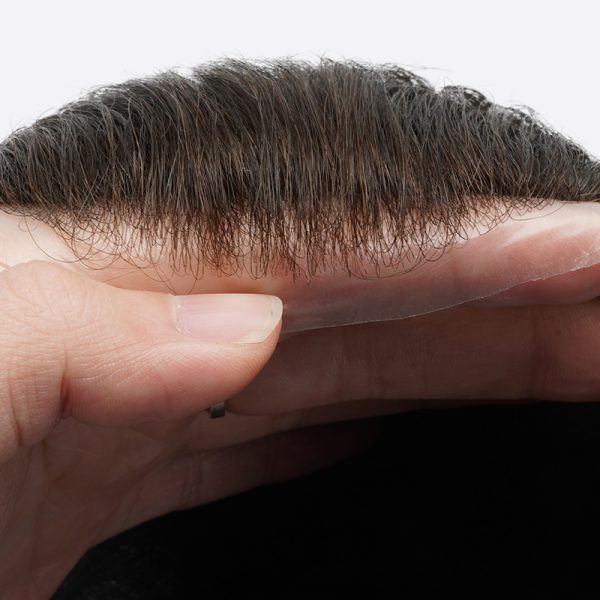
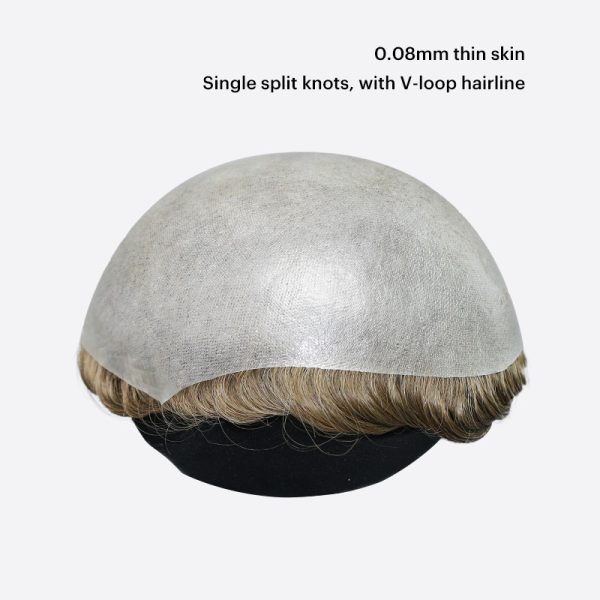
Thin skin V-loop systems naturally shed faster than knotted lace or mono systems.
-
Manufacturing issues such as weak knot sealing or over-bleaching can also cause shedding or breakage.
-
Proper care and maintenance is the key to prolong the lifespan of hair systems.
Shedding vs. Breakage: Identify the Problem First
Before troubleshooting, you need to determine whether the issue is shedding or breakage.
This distinction is critical.
Because the root cause—and the solution—are completely different.
What Is Shedding?
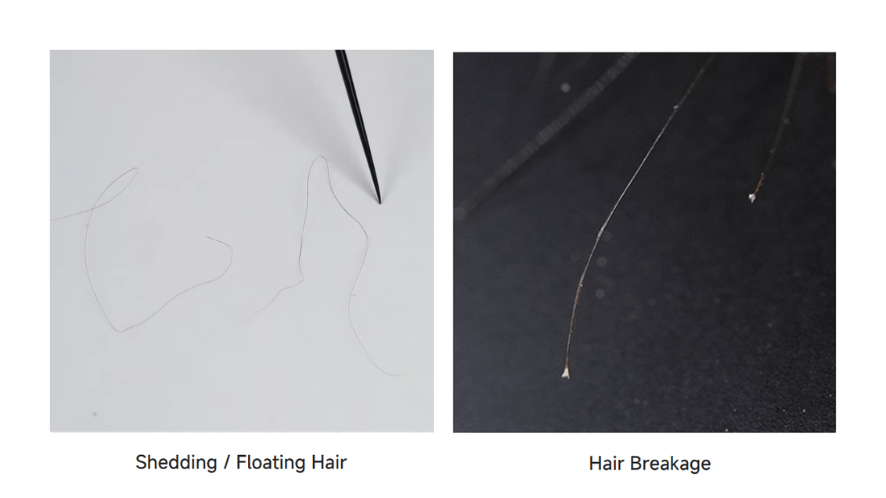
Shedding means the entire hair strand comes out from the base.
This usually happens because:
-
Hair pulls out because of inappropriate handling
-
Skin base holes expand from repeated stress, leading to v-looped hair slips out or injected hair detaches
-
Knot Sealer Breakdown or failed factory sealing
Signs of shedding:
-
Full length hair strands with a center crimp or bend (for knotted or v-looped systems)
-
Single-length strands with a tiny L-shaped root (injected skin hair system ONLY)
-
Hair loss concentrated in specific areas
What Is Breakage?
Breakage occurs when the hair shaft snaps above the base.
The knot remains intact, but the hair becomes shorter and shorter until the area appears thin.
Signs of breakage:
-
Short hairs
-
White dots at the broken ends
-
Gradual thinning without visible knots coming out
What Is Floating Hair?
Floating hairs are loose hairs left from manufacturing that were not secured into the base.
They are:
-
Normal & temporary
-
Non-progressive
It may appear during the first few washes. This is not a quality concern and won’t go on for long.
Improper Handling and Maintenance
When excessive shedding occurs, the first step is to evaluate daily use and maintenance.
Why?
Because these factors are easier to identify and correct.
In our experience, most shedding complaints are caused by wear habits rather than manufacturing defects.
1. Rough Handling
Rough handling is one of the major causes of hair system shedding and breakage. While most people know they should be gentle, in real use, it’s easy to apply more force than intended.
In fact, rough handling shows up across almost every stage of hair system wear and care. That’s why you’ll often see it as a hidden factor behind many other shedding issues we’re going to discuss—it runs through the entire lifecycle of use.
How to Prevent It
Simple but hard to keep: be gentle.
Always treat the hair system gently in every situation. This includes but is not limited to: washing, detangling, brushing, towel-drying, styling, and daily adjustments.
2. Styling Product Buildup
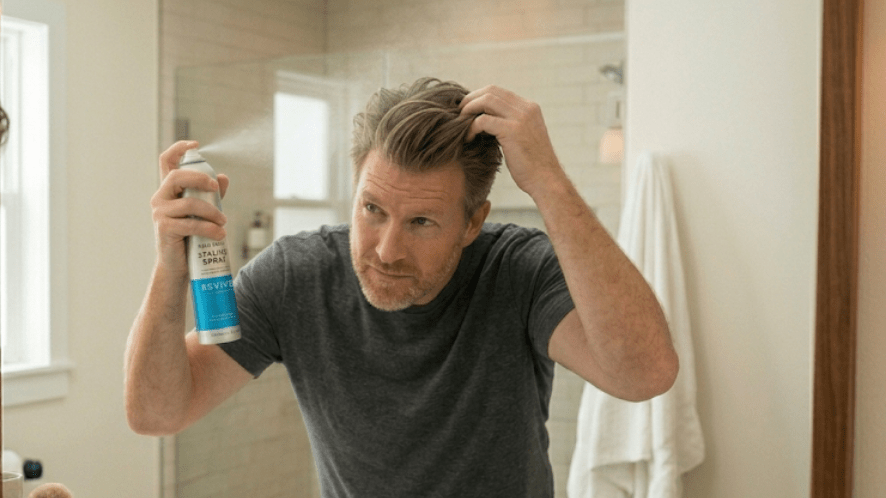
Heavy styling products such as waxes, gels, and sprays can accumulate around the hair roots.
Over time, this buildup:
-
Attracts dirt and oil, causing tangling near the hair roots.
-
Require more aggressive washing and brushing
-
Increases friction and tension around the knots
Products with high levels of drying alcohol can also making the hair brittle.
How to Prevent It
-
Use lightweight products that rinse out easily.
-
Avoid products with high levels of drying alcohol.
-
Wash the system regularly and gently to remove buildup.
Professional Tip: Don’t reject a product right away just because you see “alcohol” on the label, not all alcohols are bad. Drying alcohols can dry and damage the hair, but fatty alcohols help retain hydration and keep the hair soft.
3. Over Brushing
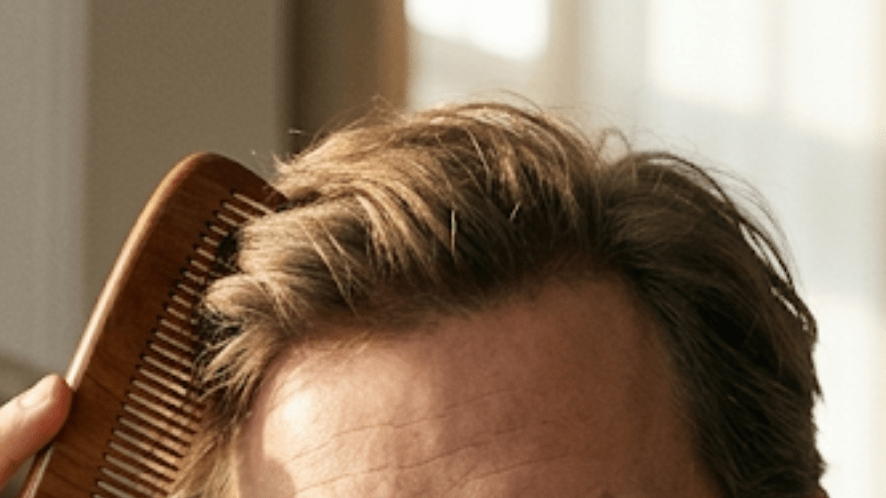
Frequent brushing puts constant tension on the hair roots.
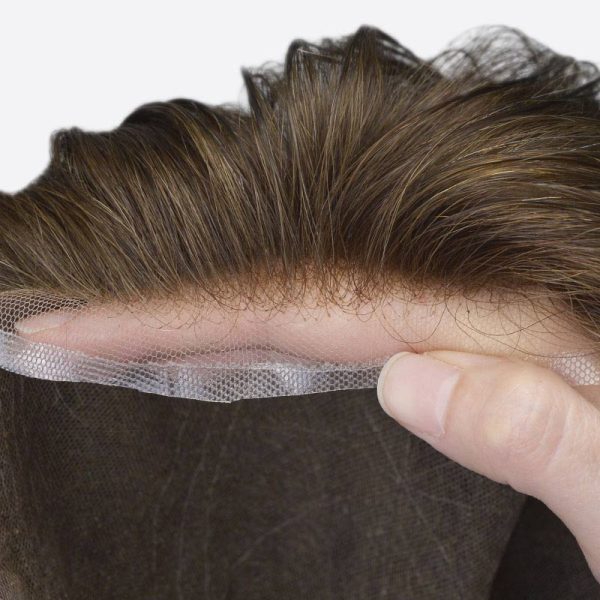
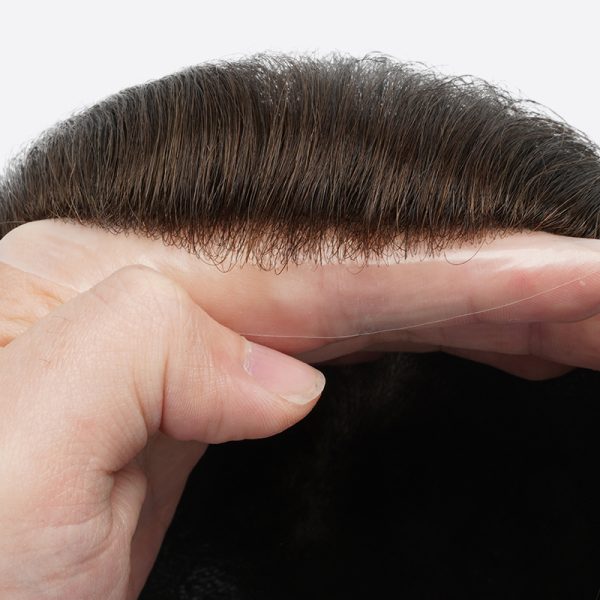
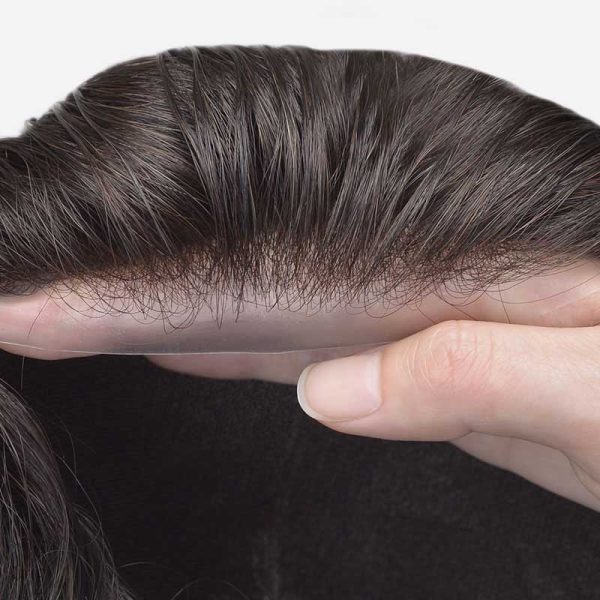
This is especially damaging around the front hairline. To create a natural look, the front hairline is usually ventilated with single hair at a time, making the area more prone to shedding.
How to Prevent It
-
Use a wide-tooth comb or loop brush.
-
Start from the ends and work upward, and gently press down near the base when brushing to reduce tension.
-
Brush only when necessary, like once or twice a day.
4. Scratching an Itchy Scalp
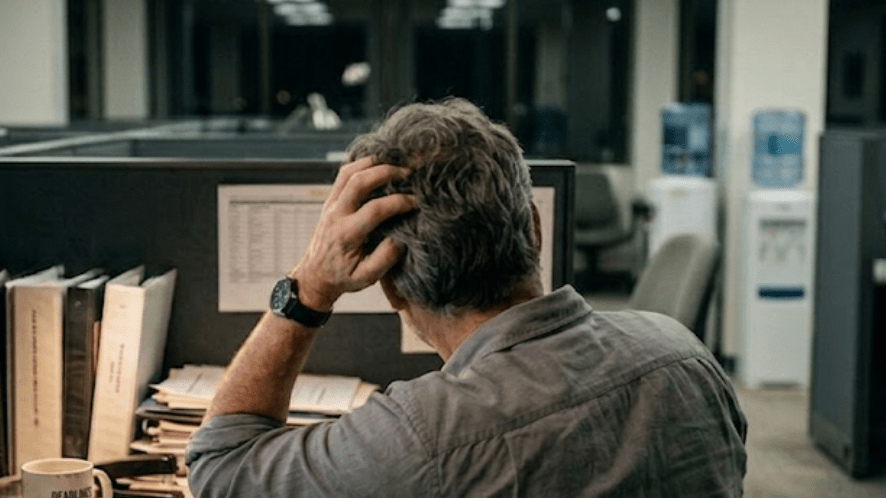
Aggressive scratching is one of the fastest ways to cause breakage and shedding.
Scratching puts direct stress on the knots or V-loops, which can cause the hair to break or pull out of the base.
How to Prevent It
-
Tap the itchy area instead of scratching.
-
Clean the scalp thoroughly during maintenance.
-
Use anti-itch scalp products if needed.
-
Consider breathable bases or antimicrobial skin bases for sensitive clients.
5. Sweat

Sweat contains salt and natural oils that can dry the hair and lead to buildup around the base. This increases knot stress during cleaning and maintenance.
Clients with active lifestyles often experience faster wear.
How to Prevent It
-
Rinse after workouts.
-
Use leave-in conditioner to restore moisture. (But avoid applying it too close to the base)
6. Poor Cleaning and Maintenance Habits
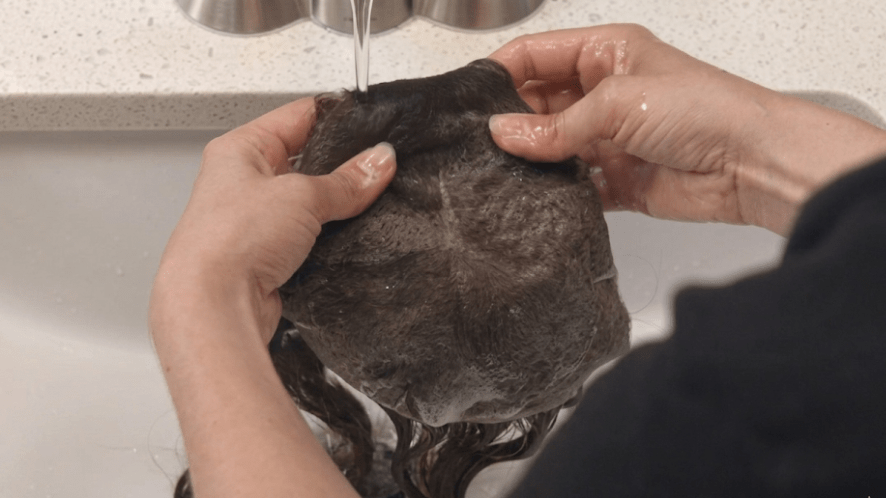
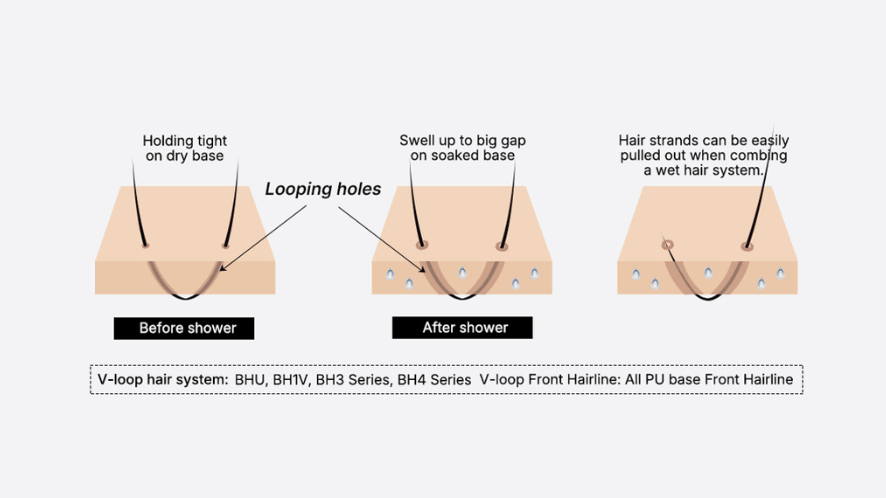
Insufficient cleaning allows sebum, oils, adhesive residue, and styling products to accumulate. But poor maintenance is not only about insufficient cleaning. In many cases, shedding is caused by how the system is handled during washing and care.
-
Washing too aggressively (rubbing hair)
-
Combing hair while wet without pre-detangling
-
Towel rubbing
-
Conditioner/mask applied near roots/base, or rinsing conditioner/mask into base area
How to Prevent It
-
Follow a consistent cleaning schedule.
-
Wash gently. Avoid rubbing or scrubbing the hair.
-
Detangle before washing and always start from the ends. Avoid combing wet hair.
-
Pat dry with a towel instead of rubbing the hair and base.
-
Keep conditioner or hair mask away from the base area.
7. Hot Water
Hot water can:
-
Dry out the hair.
-
Soften adhesives.
-
Affect the stability of lace or skin bases when used repeatedly at high temperatures.
How to Prevent It
Use lukewarm water when washing and rinsing hair systems.
8. Heat
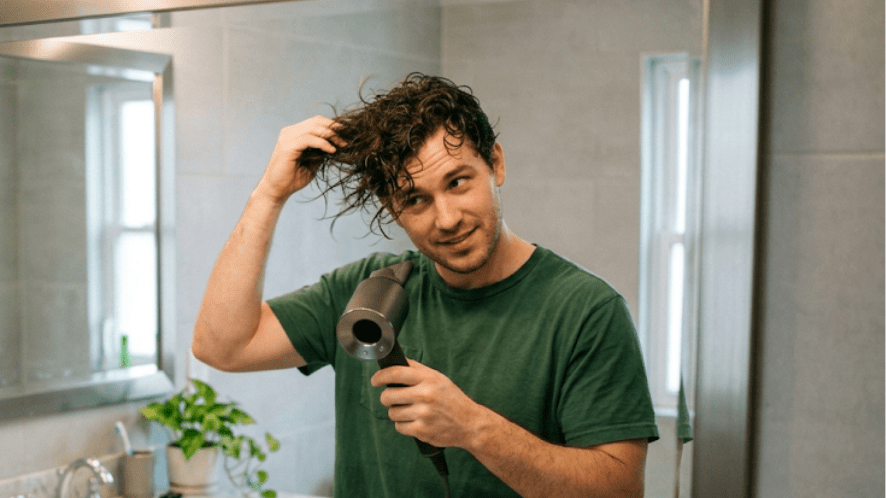
Excessive heat from blow dryers and styling tools dries the hair shaft and weakens processed hair.
The result:
-
Brittleness
-
Split ends
-
Breakage
How to Prevent It
-
Use low to medium heat.
-
Apply heat protectant to reduce damage.
-
Air dry whenever possible.
10. Friction from Sleeping
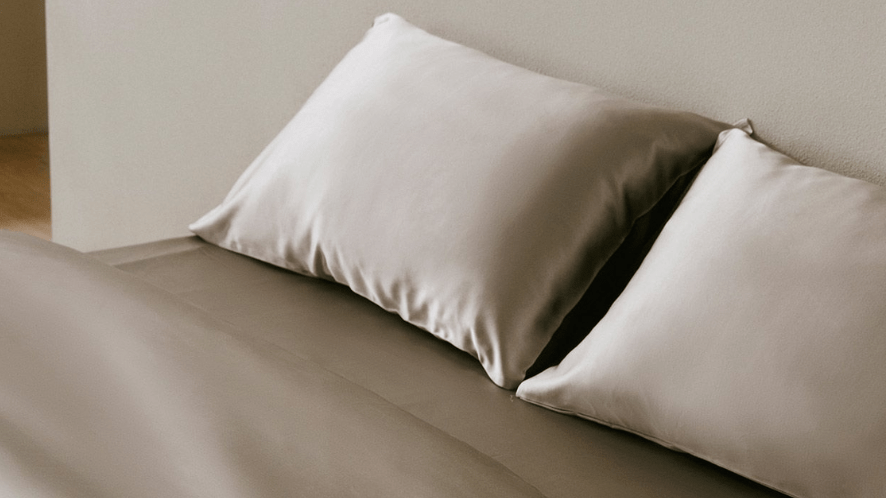
Hair rubbing against a cotton pillowcase every night causes constant friction and leads to tangling.
Longer hair systems are particularly vulnerable.
How to Prevent It
-
Use a silk or satin pillowcase to reduce friction.
-
Wear a silk bonnet to keep the hair in place overnight.
11. Overstretching the Base During Removal
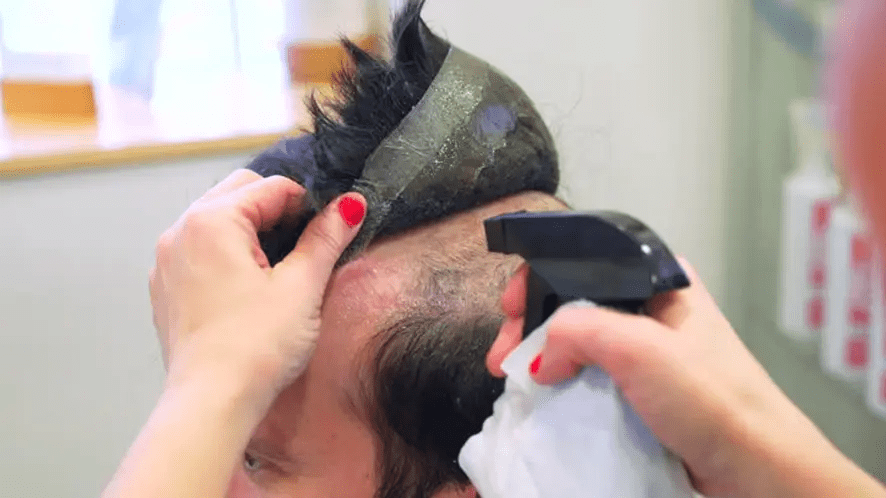
Pulling the system off too aggressively can stretch lace holes or thin skin.
Once holes enlarge, hair retention decreases.
How to Prevent It
-
Use a proper adhesive remover to loosen the bond first
-
Release the system gradually instead of pulling it off at once.
-
Never force or tear the base during removal.
Professional Tip: Don’t overuse adhesive remover or leave it sitting too long. It can sometimes weaken the knot sealer and lead to easier shedding over time.
If you’re unsure about the process, check our detailed removal guide for step-by-step instructions: Professional Hair System Maintenance Guide.
Manufacturing Problems
If wear-related causes have been ruled out, the issue may stem from production quality.
This is where supplier selection matters.
A well-made men’s hair system should balance realism, durability, and consistency.
1. Poor Ventilation Tension
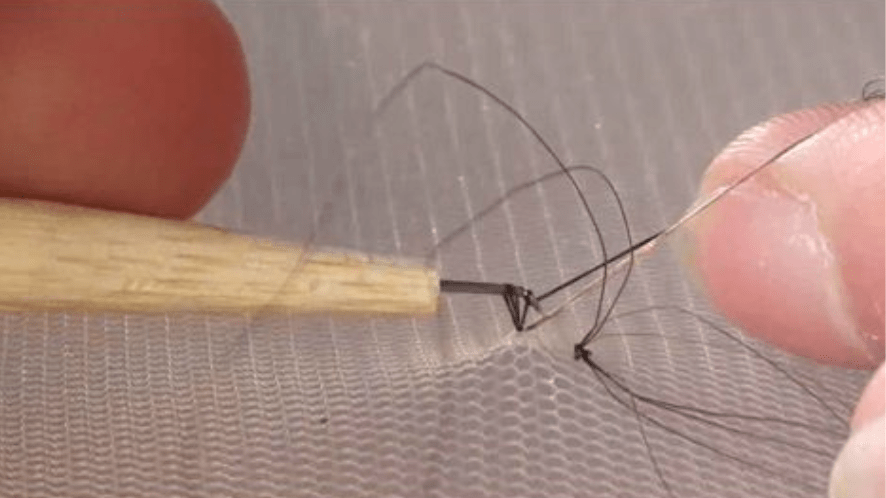
If knots are tied too loosely during production, shedding may occur shortly after installation.
This is a potential problem but it rarely happens in experienced hair system factories.
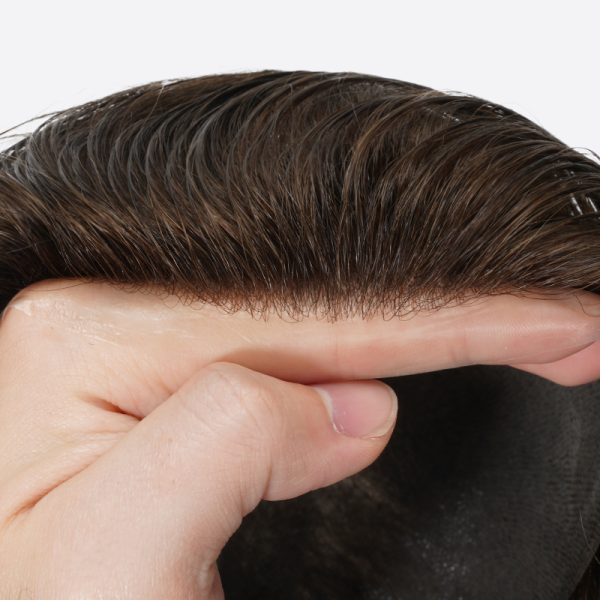
Different ventilation methods offer different durability levels. The more invisible the root is, the more delicate the construction tends to be. It’s always a trade-off between realism and durability.
In terms of durability (from highest to lowest), the typical hierarchy is:
-
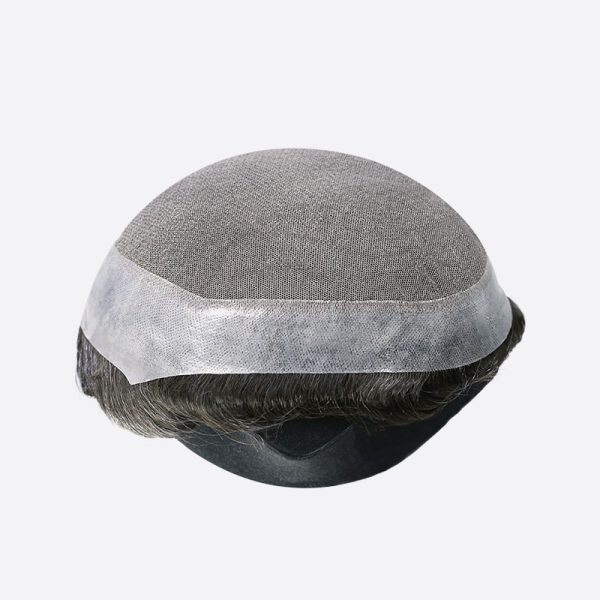
Double knots > Single knots > V-loop / Injected hair
If you’re not familiar with ventilation techniques (knoting methods), feel free to explore our detailed guide: 7 Types of Hair Ventilation Knots Used in Hair Systems.
2. Poor Knot Sealing Results
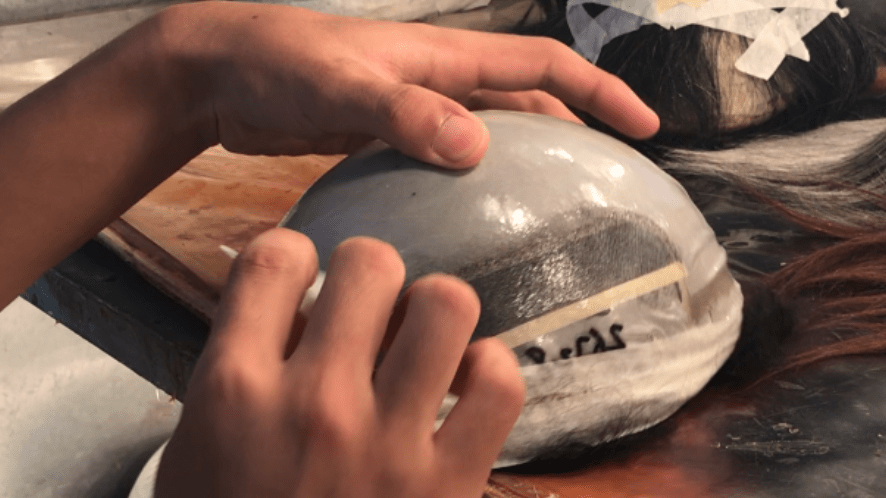
After the ventilation process, a professional sealing layer (or PU coating) is applied to secure the hair roots and knots.
In our manufacturing process, we apply a specialized liquid polyurethane coating to the base of every hair system.
-
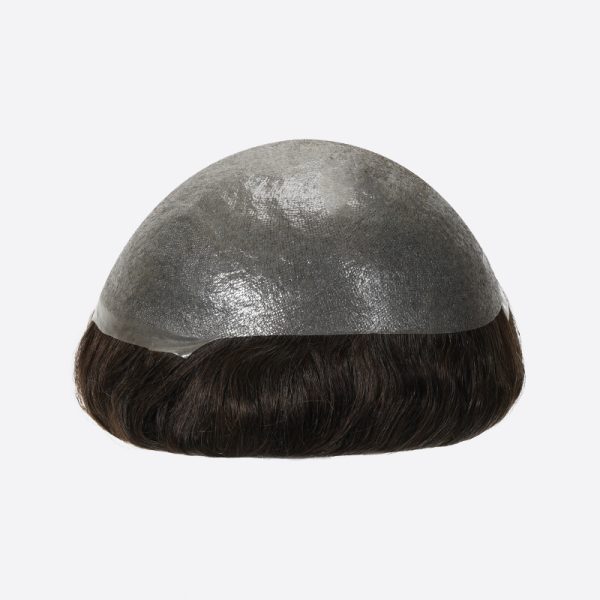
For Skin bases, this coating acts as the structural foundation that anchors the hair roots or knots. It integrates with the skin base itself.
-
For Lace and Mono bases, a precise, thin layer is applied to lock the knots without clogging the mesh pores to keep it breathable.
If this sealing layer is uneven or too thin, knots can loosen prematurely, leading to excessive hair system shedding.
How to Identify Shedding Caused by Poor Sealing:
-
Hair Shedding Check — You will see the entire hair falling out rather than snapped shafts.
-
The Timing — Heavy shedding within the first 1-4 weeks, especially during the first few washes.
-
The Pattern — Localized or patchy shedding in specific areas, unlike the general thinning caused by daily wear.
-
The Tug Test — If hair slides out effortlessly with a gentle pull, the sealing layer lacks proper grip.
3. Over-Bleached Knots
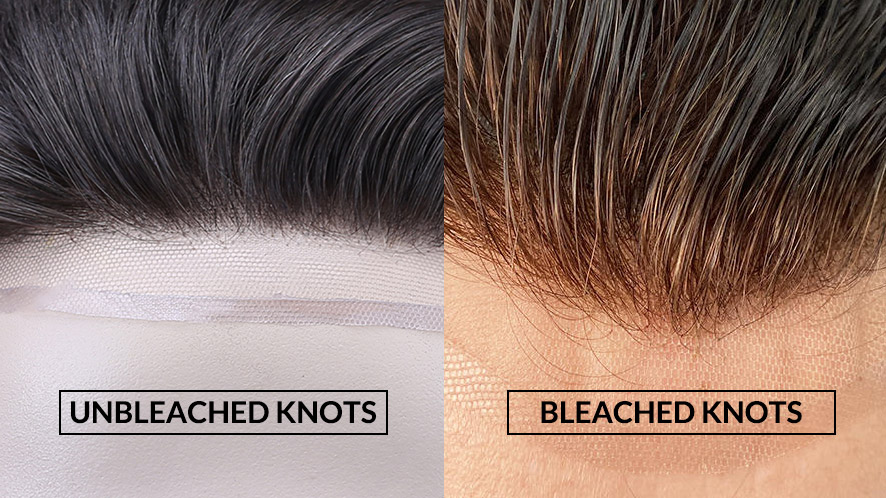
Bleaching knots makes the hairline look more natural, but it is a delicate chemical process. Over-processing weakens the hair exactly where it is anchored. The root becomes fragile and breaks easily.
If you’re not familiar with bleached knots, feel free to explore oyr detailed explaination: Bleached knots vs unbleached knots: everything you need to know.
How to Identify Shedding Caused by Over-Bleaching:
-
Hair Breakage Check — You’ll see white dots at the broken ends and no center crimp or bend, or L-shaped root.
-
The Location — This problem is almost exclusively found in the front hairline for men’s hair system where bleaching is most common.
4. Low-Quality Hair
Hair that has been over-processed or poorly sourced is more likely to dry out and tangle.
Brushing and detangling it naturally requires more effort and force, which may lead to the hair being pulled out from the root or snapping off.
Solution for Manufacturing Problems
When hair system shedding (or breakage) is identified as manufacturing defects, the solution usually comes down to three things:
-
Feedback the issue to your supplier and request after-sales support.
-
Verify the supplier’s manufacturing standards and clarify your technical requirements for future orders.
-
Monitor whether the same issue happens repeatedly.
If a supplier repeatedly delivers units with loose knots, uneven sealing, over-bleached knots, or low-quality hair despite feedback, it is a sign of inconsistent manufacturering standards and may be time to seek a more reliable partner.
Quick Checklist: How to Prevent Hair Systems from Shedding
Here is a simple maintenance checklist you can share with your clients.
Daily Care
-
Avoid over-brushing and excessive running fingers through the hair.
-
Always detangle gently from ends to roots.
-
Use lightweight styling products.
-
Use a silk/satin pillowcase or wear a sleep cap.
-
Rinse immediately after swimming in chlorine or saltwater.
Washing
-
Detangle before washing.
-
Wash with lukewarm water.
-
Use sulfate-free products.
-
Condition mid-length to ends only.
-
Pat dry, never rub.
Styling
-
Use low heat.
-
Apply heat protectant if available.
-
Minimize aggressive restyling.
Hair System Manufacturer Speaking: Preventing Shedding Starts in Production
The right factory partner doesn’t just produce hair systems—they help you reduce quality issues, protect your reputation, and deliver a better experience to every client.
If you’ve ruled out maintenance and wear-related causes, recurring shedding often points to how the system was made in the first place.
That’s why choosing the right hair system manufacturing partner matters.
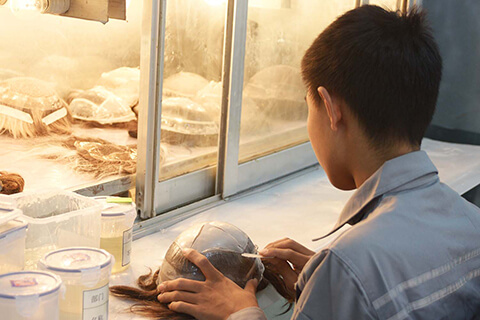
At Bono Hair, we focus on reducing shedding from the production stage through careful hair selection, controlled knot bleaching, consistent knot sealing, and strict quality inspection at every step. We also help our clients choose the most suitable construction based on wear environment, styling habits, and durability expectations, because the best-performing hair system is one that is designed for how it will actually be worn.
If you’re looking for a reliable hair system manufacturing partner for stable, salon-grade hair systems, welcome to get in touch with Bono Hair and discuss your needs.