

















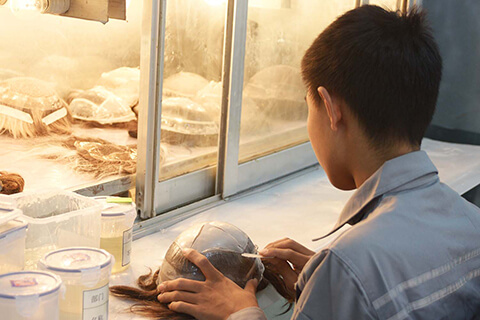
As a manufacturer specializing exclusively in human hair replacements, we understand that proper care is key to keeping your wig looking beautiful and lasting longer. This guide outlines our recommended washing standards for human hair wigs. Since we don’t produce synthetic products, these steps are designed specifically for 100% human hair wigs.
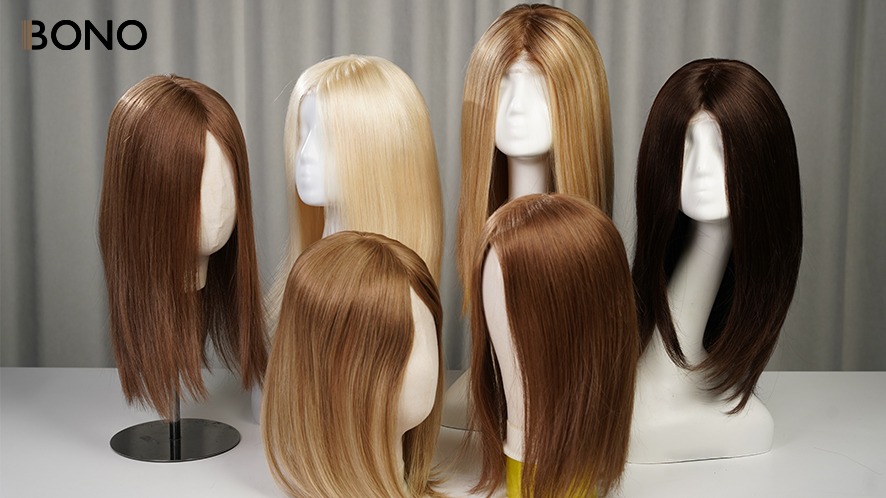
Key Takeaways for Washing a Human Hair Wig
-
Pre-Wash Prep: Always detangle your wig before washing. Use a wide-tooth comb and start from the ends to minimize tangling and breakage.
-
Temperature Control: Wash wigs in cool to lukewarm water only. Hot water can damage the wig cap and reduce elasticity, making the cap feel tighter or less comfortable after drying.
-
Strategic Conditioning: Apply conditioner only to the mid-lengths and ends—never to the roots or cap. Conditioners can loosen hair knots and increase the risk of shedding.
-
The ‘No-Rub’ Rule: Handle your wig gently at every step. Gentle washing and drying practices are essential for maintaining the wig’s shape, comfort, and longevity.
Step-by-Step Guide to Washing a Human Hair Wig
Prep Before Washing
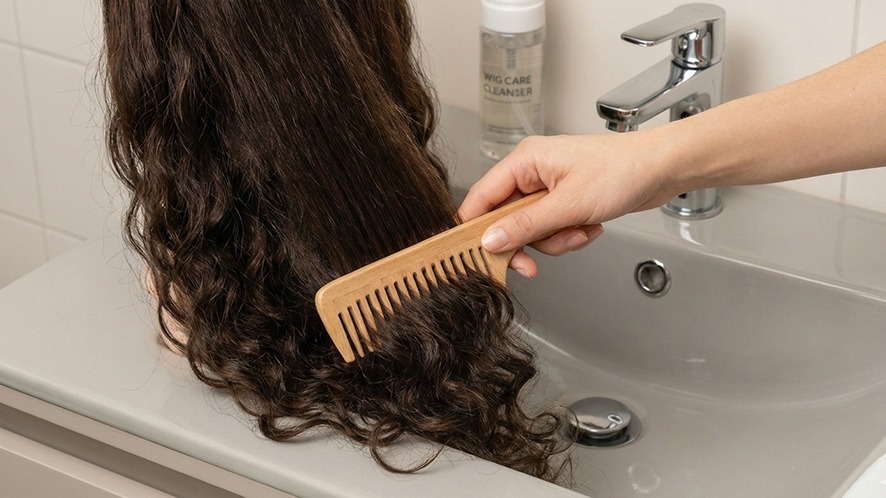
Detangle First
Grab a wide-tooth comb or a wig brush before you even think about water and hair products. Always start at the ends and work your way up. This step matters a lot. If you skip it, the tangles can get worse when the wig gets wet. You want the hair to be smooth and easy to work with.
Professional Tip: Always hold the wig at the base while brushing. When detangling near the parting, you can place your thumb on either side to keep it in place, which keeps both the hair and parting stay exactly where they should be.
Pick the Right Products
People often ask if they can wash a human hair wig with regular shampoo. Better not, unless your regular shampoo is gentle, sulfate-free, and pH-balanced, just like a wig-specific shampoo.
-
Sulfates can strip the hair of moisture, leaving it dry and fragile.
-
Products with an imbalanced pH can make hair dry, frizzy, and prone to tangling. Over time, it also weakens the hair and dulls the shine.
Even though your wigs are made from real human hair, they don’t get the natural oils and nutrients from the scalp, making them more fragile than natural hair. That’s why you need wig-specific products.
Professional Tip: Don’t reject a product right away just because you see “alcohol” on the label, not all alcohols are bad. Drying alcohols can damage human hair wigs by stripping moisture, so you do need to steer away from products high in these. Fatty alcohols, on the other hand, help retain hydration and keep the hair soft, so they are actually good for the hair.
Prep Mistakes to Avoid
-
Skipping detangling. The tangles get worse after the wig is wet. And you can’t brush a wet wig because that leads to shedding.
-
Holding the wig incorrectly when brushing. Brushing without supporting the base or the parting can pull out hair and damage the wig’s shape.
Shampooing and Washing the Wig

1. Use Lukewarm Water
Fill a clean sink or basin with lukewarm water, which makes the cuticles open for a deep clean. If lukewarm water isn’t available, cool water is acceptable—but never use hot water.
Professional Tip: From a manufacturing standpoint, human hair systems (including wigs) sould never exposed to hot water. They are typically washed three or more times during production, using only lukewarm or cool water to preserve cuticle integrity and hair softness.
2. The Washing Process
-
Add Shampoo: Mix a small amount of wig shampoo (about the size of a teaspoon) into the water until it is fully dissolved.
-
Soak: Place the wig into the water and let it soak for a few minutes if time allows. If you’re short on time, you can skip the soaking step.
-
Gentle Cleansing: Slowly move the wig through the water. You can gently pat or squeeze the hair to help the suds penetrate, but never rub or scrub it like you would do to your own hair in a shower.
-
Repeat: If the wig is still dirty, feel free to go for a second round of shampooing.
3. Special Care: Lace Front Wig
While the cap usually gets clean during the shampooing process, especially those with breathable mesh like lace, as the water flows through easily. However, if the wig has been attached using strong tape or glue, adhesive residue can be tricky to remove.
Lace front wigs are very popular today as it offers the most natural hairline. But it is delicate and needs extra care. If the adhesive on the lace (or other part) does not come off easily, do not force it. Apply a small amount of adhesive remover (such as C22) to the area and let it sit for 1–3 minutes. The adhesive will soften and can then be removed gently without damaging the cap.
4. Rinsing the Wig After Washing
Rinse the wig thoroughly with lukewarm water using one of these two methods:
-
A. Replace the soapy water with fresh, clean water. Gently move the wig through the water until all the shampoo is gone.
-
B. Hold the wig with your thumb supporting the parting area and rinse it under a gentle running flow until the water runs clear.
Crucial Rule: Whichever method you choose, never twist or wring the wig. Always handle it with a gentle touch to maintain the shape and protect the hair.
Washing Mistakes to Avoid
Even if you know how to wash a wig, small mistakes can sneak in. Here are the most common washing mistakes you should avoid:
-
Using hot water. Weakens the cuticle and damages the hair’s texture.
-
Rubbing or scrubbing the hair. Causes tangling and unnecessary damage.
-
Twisting or wringing the wig. Stresses both the hair and the base.
-
Using too much shampoo. Leads to buildup and dryness.
Professional Tip: Every wig is a little different. Always read the care instructions that come with your wig.
Conditioning and Silkiness Recovery
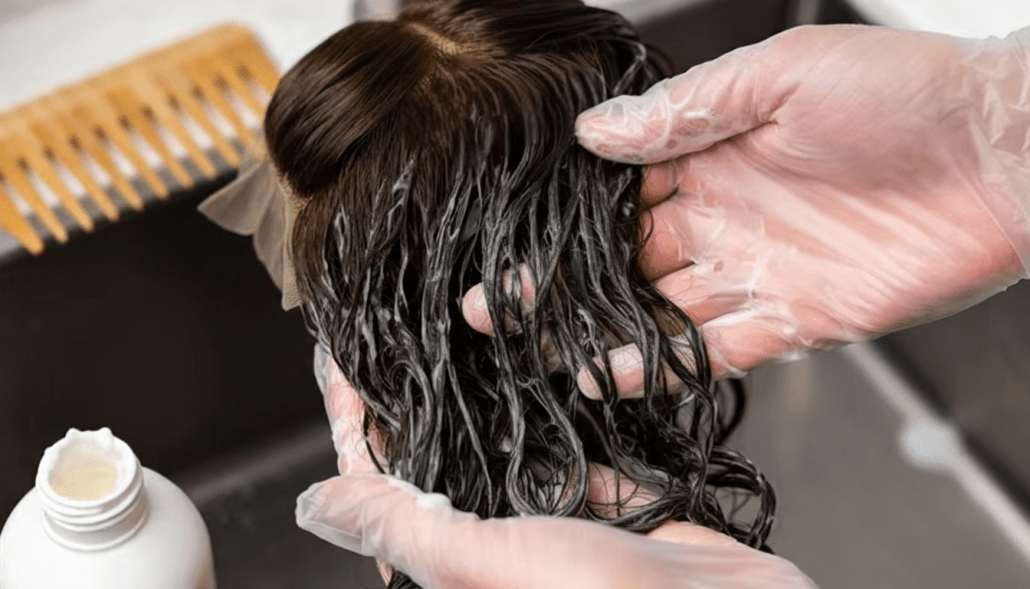
Apply to Ends, Not Roots
-
Start with a small amount of product.
-
Use your fingers gently smooth it through the mid-lengths and ends.
-
Let it sit for a few minutes.
-
Rinse under a gentle stream of cool water. Cooler water helps close the cuticles to lock in moisture.
Crucial Rule: Always hold the wig by the cap so the water flows from the roots down to the ends. It prevents the conditioner washing “upward” into the cap or knots.
Hair Conditioner vs. Hair Mask: Which is Better for Human Hair Wigs?
Hair masks are no longer just an occasional treat; they are quickly replacing traditional conditioners in daily routines. While a conditioner provides a “quick fix” for tangles, a hair mask offers a deep treatment that actually improves the hair’s health over time.
Is a hair mask good for a human hair wig? Yes. In fact, a mask is often the better choice for three specific reasons:
-
Missing Natural Oils: Unlike your own hair, a wig has no scalp to provide natural sebum. Without this constant hydration, the hair becomes brittle and dry much faster.
-
Deep Repair: Masks contain concentrated proteins and lipids. These tiny molecules don’t just sit on top of the hair; they sink into the core to strengthen it from the inside out.
-
Lasting Silkiness: Regular masking maintains the hair’s elasticity, keeping it soft and “swingy” instead of stiff and straw-like.
Professional Tip: Conditioner and hair mask both works, no matter which one you choose, avoid applying it to the wig cap or the knots. The lubricating ingredients can cause the hand-tied knots to loosen and cause shedding. Focus the product from the mid-lengths to the ends only.
For shorter human hair wigs, especially those under 8–10 inches, use the hair mask with caution, or don’t use it, because it’s hard to apply the product without touching the knots.
Conditioner vs. Hair Mask (Quick Comparison)
|
Feature |
Conditioner |
Hair Mask |
|---|---|---|
|
Primary Function |
Surface Smoothing. Stays on the surface. |
Deep Repair. Penetrates the cortex to replenish lost nutrients and moisture. |
|
Dwell Time |
1–2 minutes. |
5–15 minutes. |
|
Use Advice |
After every light wash. |
Use every deep clean. |
Conditioning Mistakes to Avoid
-
Touching the roots. Never apply conditioner or hair masks to the wig cap or knots. The lubricants will loosen the hand-tied hair, causing permanent shedding.
-
Rinsing the wrong way. Don’t rinse from the ends upward. Always let water flow from the roots down to keep the products away from the base.
-
Friction & wringing. Never rub the hair or twist it to dry. This causes tangles and breakage. Gently squeeze the moisture out instead.
Drying the Wig

Pat, Don’t Wring
Once you’ve finished rinsing, remove excess water gently. Use a soft, clean towel to pat the hair dry.
Lay the wig flat on a towel and press down softly to soak up the moisture.
Air Drying Is Best
Air drying is the gold standard for maintaining a wig’s longevity. Place it on a wig stand or a dry towel in a well-ventilated area, keeping it out of direct sunlight.
Professional Tip: If you must use a hair dryer, set it to low heat (≤40°C / 104°F) only. Keep the dryer at least 12 inches away and move it constantly to avoid overheating any single area.
Drying Mistakes to Avoid
Many people make simple mistakes when drying their wigs. These mistakes can shorten the life of your wig and ruin its look.
-
Wringing or Twisting. This causes severe tangling and permanently deforms the cap.
-
Direct Sunlight. UV rays fade the color and make the hair brittle.
-
High Heat. This “cooks” the moisture out, leading to frizz and split ends.
Aftercare Steps for Human Hair Wigs

Leave-in Care & Hair Oil
Since wigs cannot produce natural oils, they need an external “shield” to keep hydrated and stay soft, even if you have used a hair mask in the conditioning step.
-
A. Leave-in conditioner. Use while the hair is still a little bit damp. It makes detangling much easier and keeps the hair light and bouncy.
-
B. Hair Oil. Such as ike Argan Oil or a Silk Serum. Best for dry or frizzy ends. Rub a tiny drop (pea-sized) between your palms and smooth it onto the ends for a healthy shine.
Wait to Brush Until Dry
You might want to style your wig right after washing, but patience pays off. Always wait until your wig is completely dry before you brush or comb it.
Brushing a wet wig can stretch or break the fibers. If you really need to shape it at this point, gently arrange the hair with your hands and let it dry naturally.
Store Your Wig Properly
When not in use, place your wig on a ventilated wig stand or a mannequin head, which maintains the cap’s shape and prevents tangling.
For long-term storage, store your clean, dry wig in a silk or satin bag. This minimizes friction and prevents the air from stripping away moisture.
By now, your wig should feel clean and refreshed. To make sure you get the best results, let’s quickly go over a few dos and don’ts.
|
Step |
Do |
Don’t |
|---|---|---|
|
Pre-Wash Prep |
Detangle before washing, starting from the ends up. Hold the wig at the base/parting while brushing. |
Skip detangling. Brush without supporting the base or parting. |
|
Shampooing & Washing |
Use lukewarm or cool water. Choose gentle, sulfate-free, pH-balanced wig shampoo. Gently pat or squeeze the hair. |
Use hot water. Overload shampoo. Rub, scrub, twist, or wring the wig. |
|
Conditioning |
Apply conditioner/hair mask to mid-lengths and ends only. Rinse with cool water from roots to ends. |
Apply to roots or knots. Rinse from ends upward. |
|
Drying |
Gently blot excess water with a towel. |
Twist, wring, or rub the wig. Or use high heat to blow-dry. |
|
Aftercare |
Use leave-in conditioner on mid-lengths and ends only. Or hair oil on ends only. |
Let leave-in conditioner/oils touch roots or knots. |
Stick to these steps, and your wig will stay soft, shiny, and beautiful for a long time.
FAQs
How often do you wash a human hair wig?
For daily wear, washing a human hair wig about every 2 weeks or 7–10 wears is recommended. If you sweat a lot, style it frequently, or wear it in dusty environments, wash it more often.
From a wig care perspective, you should wash it as little as possible to keep it in the best condition, but there’s no strict rule—if it feels like it needs cleaning, go ahead. Just make sure you follow the proper steps and avoid common mistakes.
Can I wash my human hair wig with regular shampoo?
It’s better not to use regular shampoo on a human hair wig. Regular shampoos can be too harsh, and since wig hair doesn’t get any natural oils from a scalp, it’s more delicate than your own hair. Use a mild, sulfate-free, pH-balanced wig shampoo instead, which will keep your wig soft, smooth, and, most importantly, help it stay in great condition for longer.
Should I wash my wig in hot or cold water?
You should wash your wig with lukewarm or cool water—never hot water. Use lukewarm water when washing your wig. It gently opens the hair cuticles for a deeper clean. Use cool water for the final rinse after conditioning. It helps close the cuticles and lock in moisture.
Hot water: Avoid it completely. Hot water can damage the hair cuticles, making strands rough and frizzy, and it can also weaken the wig cap, causing it to lose elasticity and fit less comfortably. Even in our manufacturing, we never expose wigs to hot water.
Discover Bono Hair’s Premium Human Hiar Wig Collection
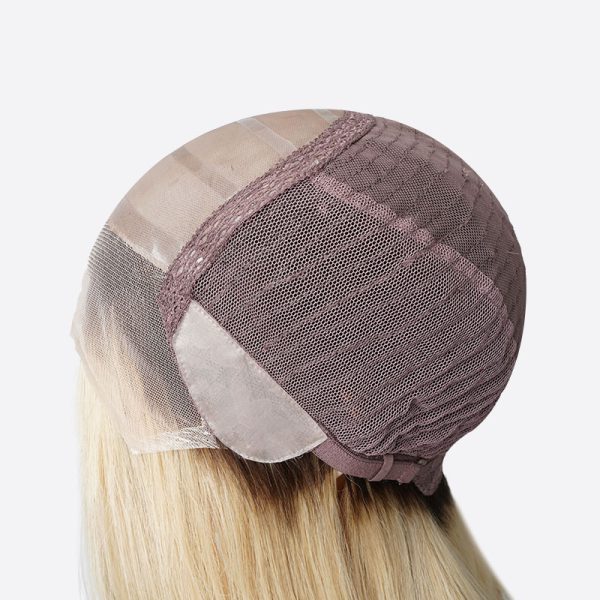
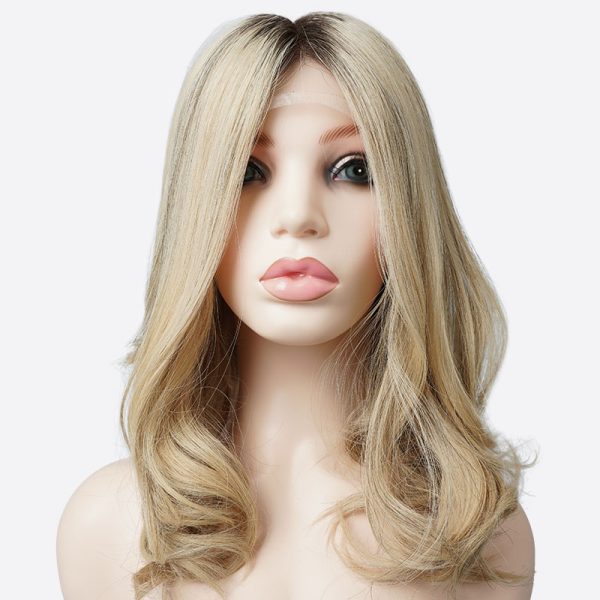
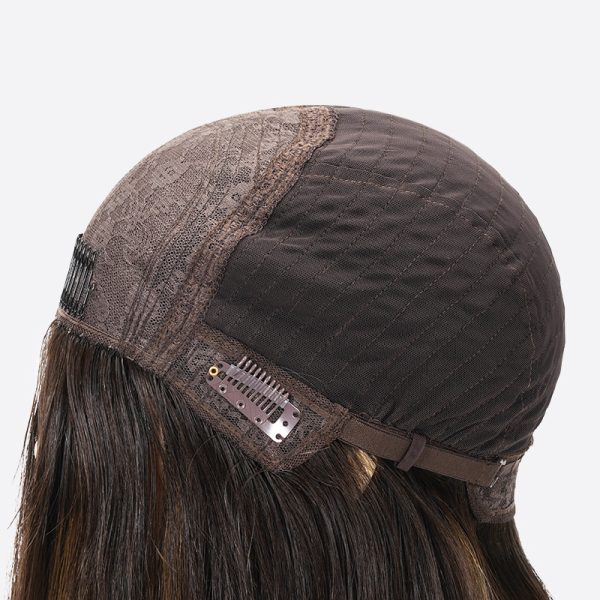
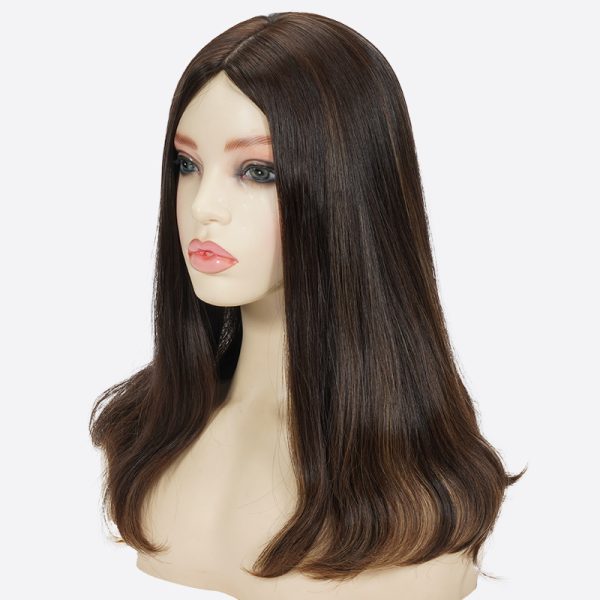
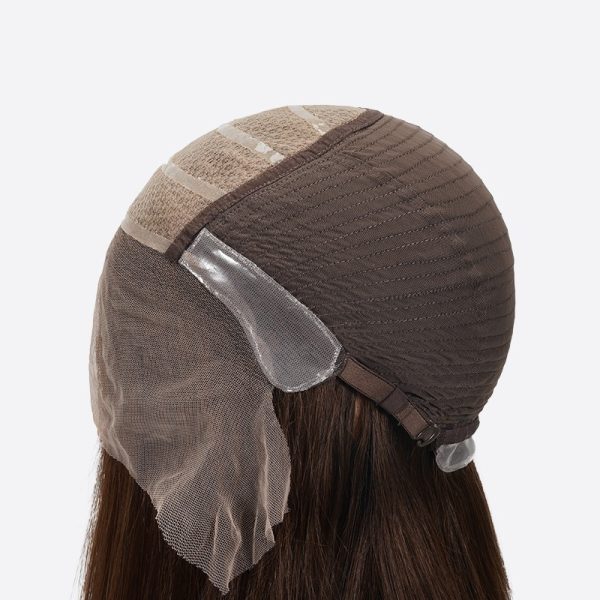
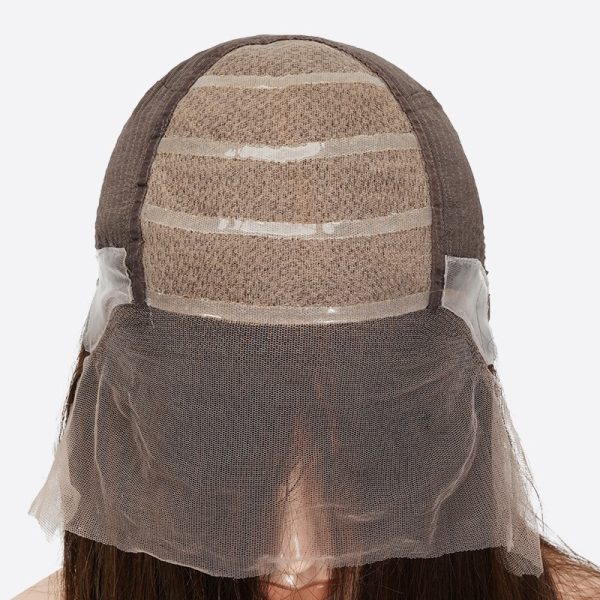
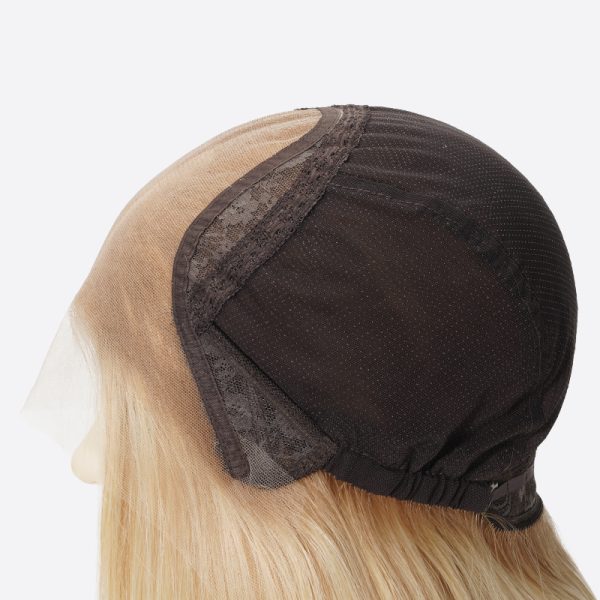
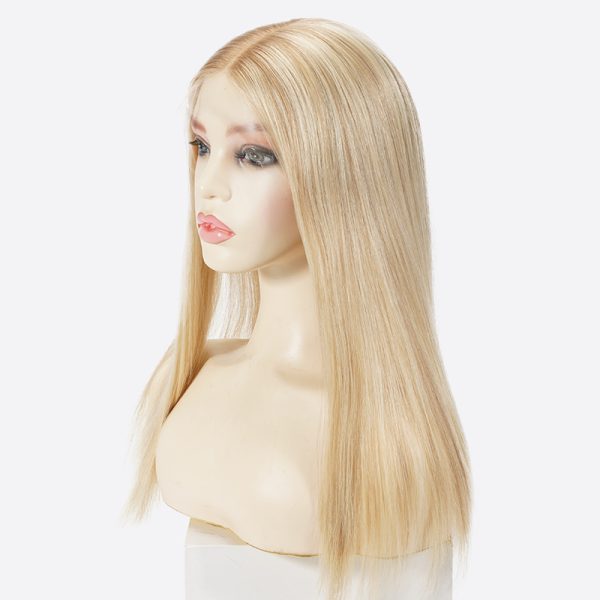
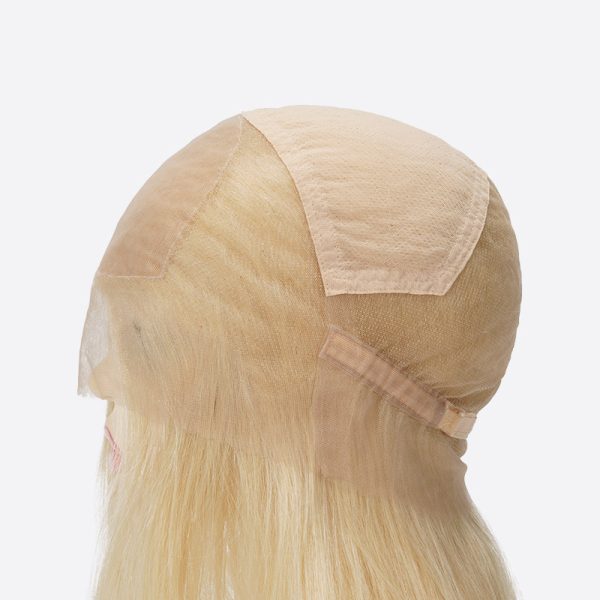
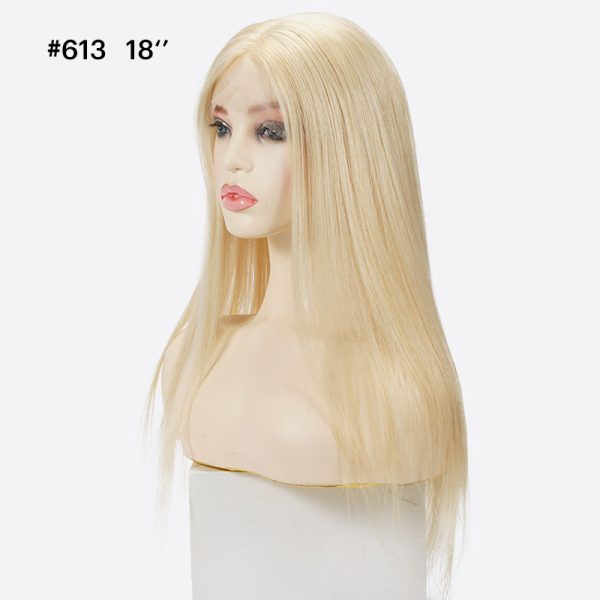
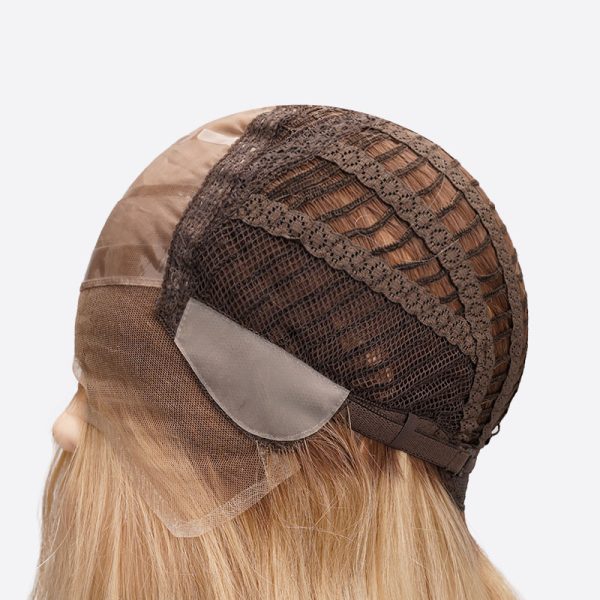
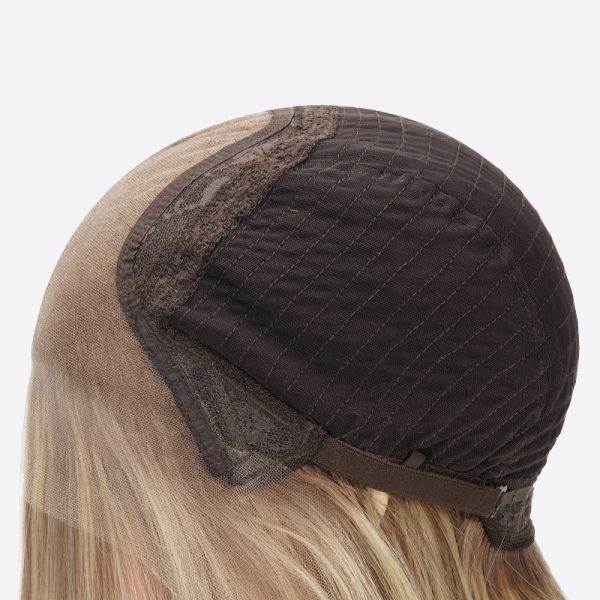
With over 10 years of experience in making premium human hair wigs, Bono Hair works exclusively with wholesale partners. Our full lace and lace front wigs are 100% human hair and fully customizable to meet your business needs. Get in touch to see how we can support your salon or distribution business.



This guide is very easy to follow and explains wig care in a simple, practical way. It gives useful tips that can help keep a human hair wig looking soft, clean, and natural for a long time. A great resource for anyone who wants to maintain their wig properly.
Thanks for your kind words! We’re happy the guide was helpful. We’ll keep sharing more practical tips and resources.