

















Your Concern May Not Be Necessary: Mature Hairline≠Receding Hairline
Normal Hair Shedding: Every Strand Has Its Own Life Cycle

-
The anagen phase (growth phase, approx. 90% of your hair): During this phase, hair grows vigorously, making it the longest stage of the entire cycle.
-
The catagen phase: Hair begins its “retirement”, ceasing growth;
-
The telogen phase: Old hair sheds and the follicle rests and awaits the emergence of a new strand.

A Higher Hairline Doesn’t Always Mean Hairline Receding: It Might Be a Mature Hairline
| Feature | Mature Hairline | Receding Hairline |
| Amount of Movement | Slight shift upward (usually 0.5 to1 cm, 2 cm at most) | Noticeable and progressive recession |
| Hair Density | Density remains the same | Density decreases around the hairline and often the crown |
| Overall Shape | Smooth, even, still looks full | Deep “M” shape forming at the temples |
| Temple Area | Mild, natural recession | Pronounced, sharp recession |
| Edge Hair Quality | Baby hairs and fine strands still visible | Fewer baby hairs or none at all |
| Progression | Stabilizes after maturing | Continues to move back over time |
Different Types of Hairlines for Men and Women
Hairline Types by Height
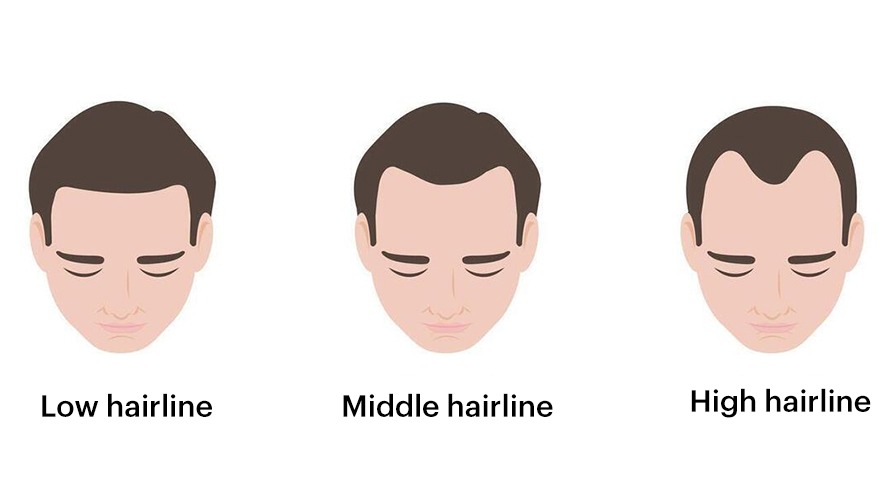
1. Low Hairline–You’re Safe
This one is usually found in younger men and women. It sits lower on the forehead, giving a youthful, full-forehead appearance. If you have a hairline like this, then congratulations, you generally don’t need to worry about recession.
2. Middle Hairline–It’s Normal
This is the most common hairline type for both genders. It sits roughly at a balanced proportion above the eyebrows. A middle hairline usually doesn’t indicate recession, but noticeable thinning at the temples or a gradual backward shift is something to watch.
3. High Hairline–Need to Pay Attention
This is more common in men with receding hair patterns, but it can also naturally occur in women, too. If your hairline was lower before and now appears higher, or the forehead seems to expand over the years, it could be a sign of early recession.
Hairline Types by Shape

1. Straight Hairline–Generally Stable
A straight hairline runs evenly across the forehead. Both men and women can have it. Usually it’s stable and doesn’t signal any hairline loss.

2. Rounded Hairline–No Worries
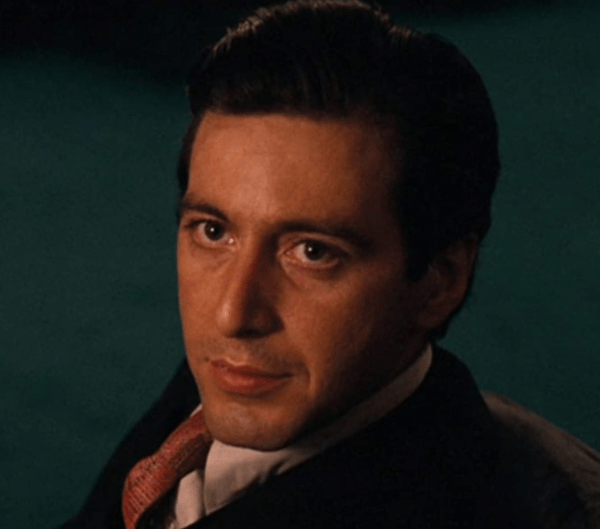
This hairline forms a gentle curve along the forehead. More common in women, though some men have it too. Generally not a cause for concern unless the curve at the temples starts thinning.


3. Bell-shaped Hairline–Watch the Temples
The hairline widens slightly in the middle, curving at the temples like a bell with no uneven look. This one is mostly natural, but if the temple areas start pulling back, it can slowly turn into a receding pattern.

4. U-shaped Hairline–Keep an Eye on Depth
Forms a soft “U” across the forehead. Seen in both genders, more often in women than in men. Normally stable, but a deepening curve over time can hint at early recession.
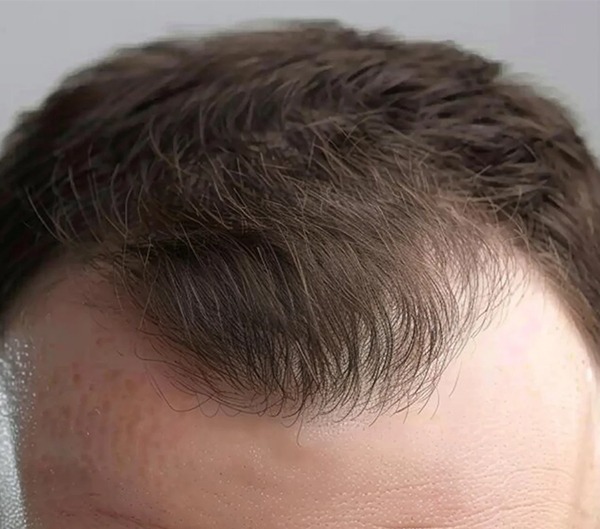

5. M-shaped Hairline–Classic Receding Pattern
Classic receding pattern, especially in men. The temples move back while the center remains. Women rarely have this naturally; if it appears, it usually indicates early hairline loss.
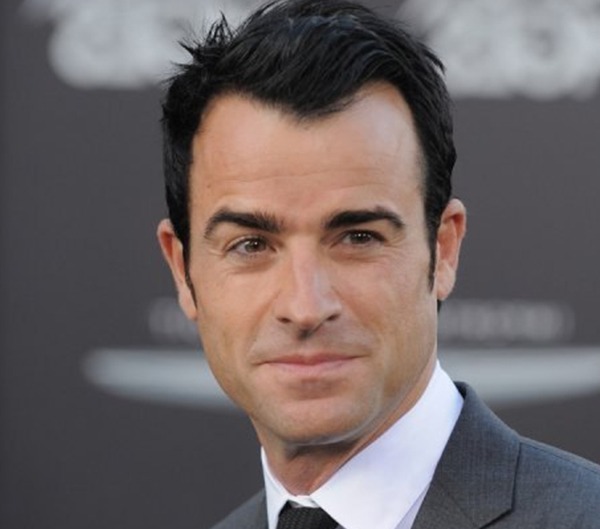
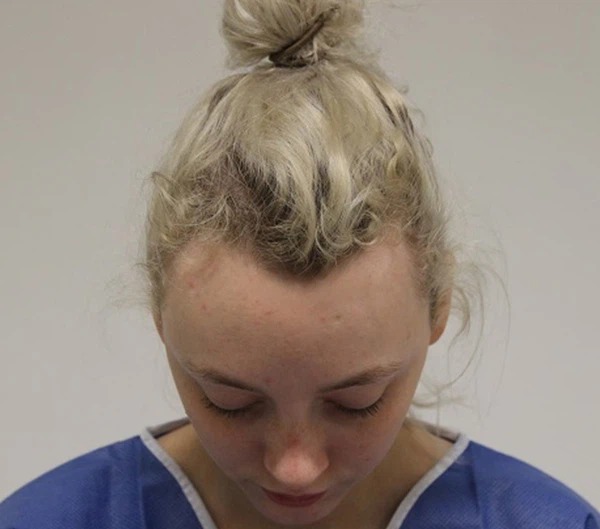
6. V-shaped Hairline–Typically Balanced
A subtle point at the center of the forehead. It often appear in men and less in women. It is typically stable, not usually a concern.

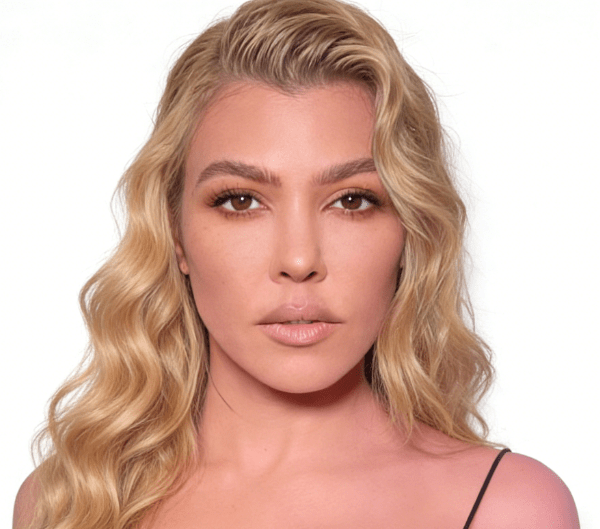
7. Triangular Hairline–Also Watch the Temples
Narrow at the temples and wider in the center. Natural for some, but if the temples continue receding, the triangle becomes sharper—often an early sign of hairline loss.
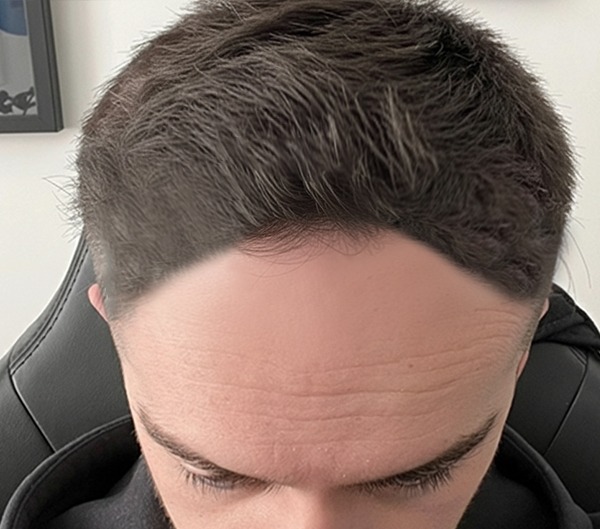

8. Widow’s Peak Hairline–Stable Unless Surrounding Hair Thins
Forms a point at the center of the forehead, usually be viewed as a beautiful hairline. Common in men and women and usually stable. Recession is only a concern if the surrounding hair thins noticeably.
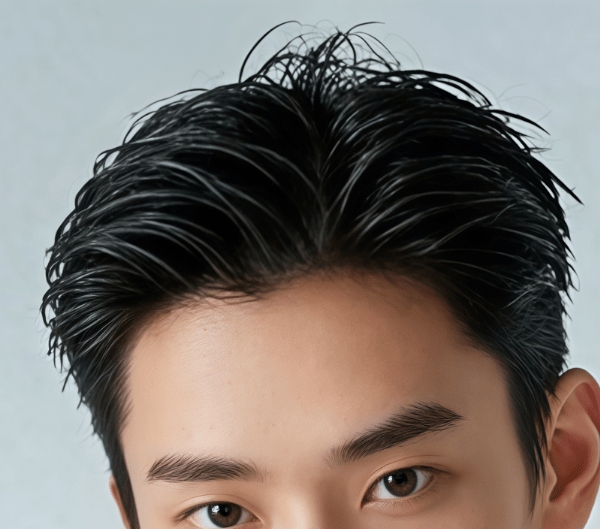

9. Cowlick Hairline–Normal Growth Feature
A small swirl or growth pattern at the front. Normal in both genders. Rarely recedes by itself, but changes in density around the cowlick can signal early thinning.
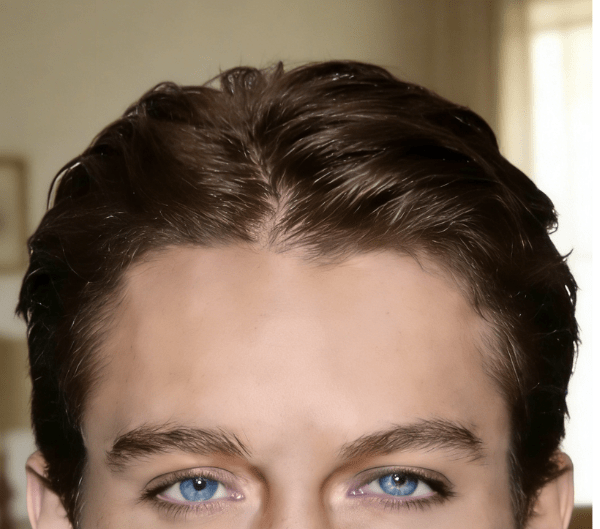

10. Uneven Hairline–Asymmetry to Track Over Time
Slight asymmetry is common in men and women. Large differences in height between sides, or one side pulling back noticeably, could indicate recession.
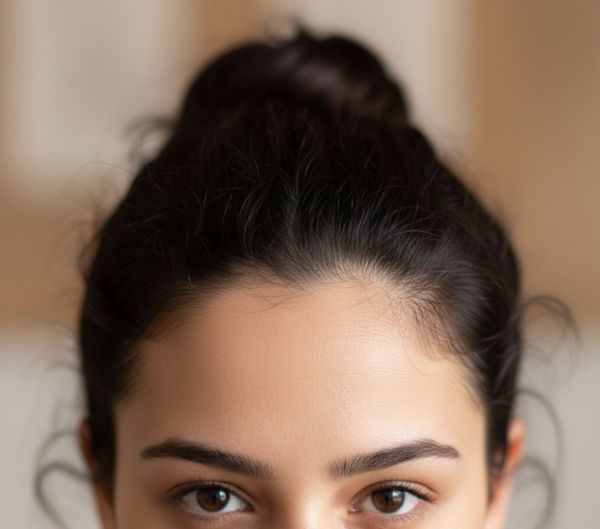
How to Tell If Your Hairline Is Receding
-
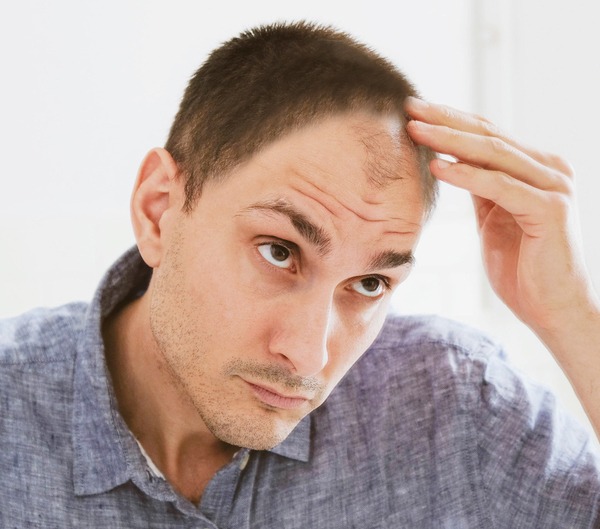
Photos are your best diaries. Dig out front face shots from 2 or 5 years ago and put them side by side with recent ones. Do not rely on gut feelings. Focus on the depth of the temples and the hair density at the center of your hairline. Any signs of recession or thinning will show themselves clearly.
-
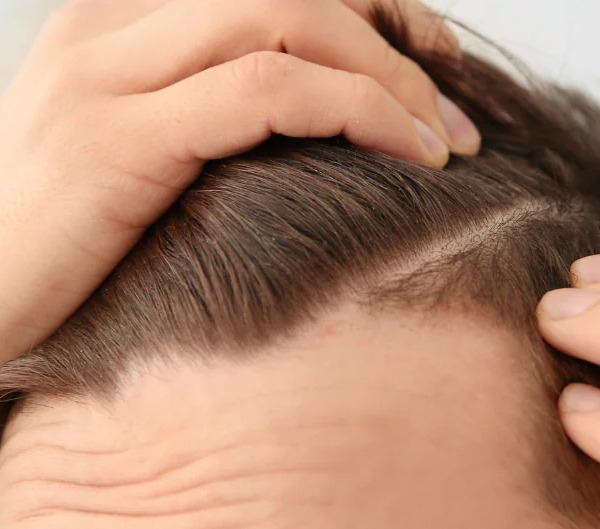
Feel your temples. Run your fingers gently over the front corners. Are the hairs finer, softer, lighter than the crown? Those fragile and baby-down-like strands are the silent cry of shrinking follicles.
-
Watch the frontline shedding. After washing or combing, pick up the shed hairs and check them out. More short, fine, light-colored hairs from the forehead? That’s the frontline slowly crumbling.
-
Check your family tree. Look at your father, uncles, and grandfather. How did their hairlines change after middle age? Genetics can be a blueprint for your risk. This is not fate, it is a warning.
Choices You Have If You Are Losing Hair at the Front
-
Try to Regrow Your Hair Topical treatments, minoxidil, or prescription medications can help regrow or strengthen existing hair. Works best in the early stages of recession. This can be tough, because results may take months, and not everyone responds equally.
-
Get a Strategic Haircut or Hairstyle A smart haircut can make thinning less noticeable. Layered styles or bangs can cover a high forehead. It is low-risk, inexpensive, and effective for mild recession.
-
Apply Hairline Powder or Hair Fibers These products stick to your existing hair, making it look thicker instantly. It’s a kind of makeup. Quick, easy, and non-invasive. Great for minor thinning. But be careful—using too much on your scalp can clog follicles over time, which might actually lead to more hair loss.
-
Try Hairline Dye or Scalp Micropigmentation Scalp micropigmentation, i.e., a hairline tattoo tiny dots on the scalp to mimic hair density. Looks natural and lasts for years. Ideal for people with stable hair loss who want a low-maintenance, long-lasting effect. But keep in mind that it’s semi-permanent and doesn’t regrow hair, and it doesn’t guarantee everything will go perfectly. You might not be 100% satisfied with the final result. It also doesn’t regrow hair; it only creates the illusion of fullness.
-
Get a Hairline Transplant A hair transplant moves hair from donor areas to your receding hairline. It gives permanent results in the treated spots, and of course, it’s expensive and requires some recovery time. Bear in mind that it won’t stop future hair loss and that the follicles taken from donor areas won’t grow back. It works best for moderate to advanced hair loss, but it’s not a miracle cure. Think of it as a high-risk, high-reward investment—you might land your dream hairline, or you could end up losing more healthy hair.
-
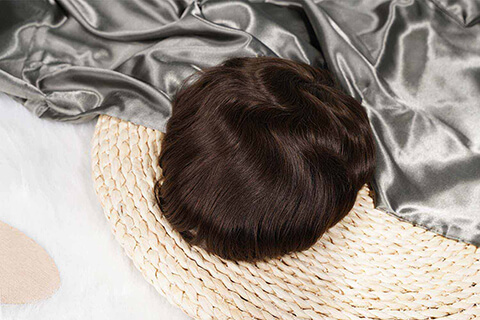
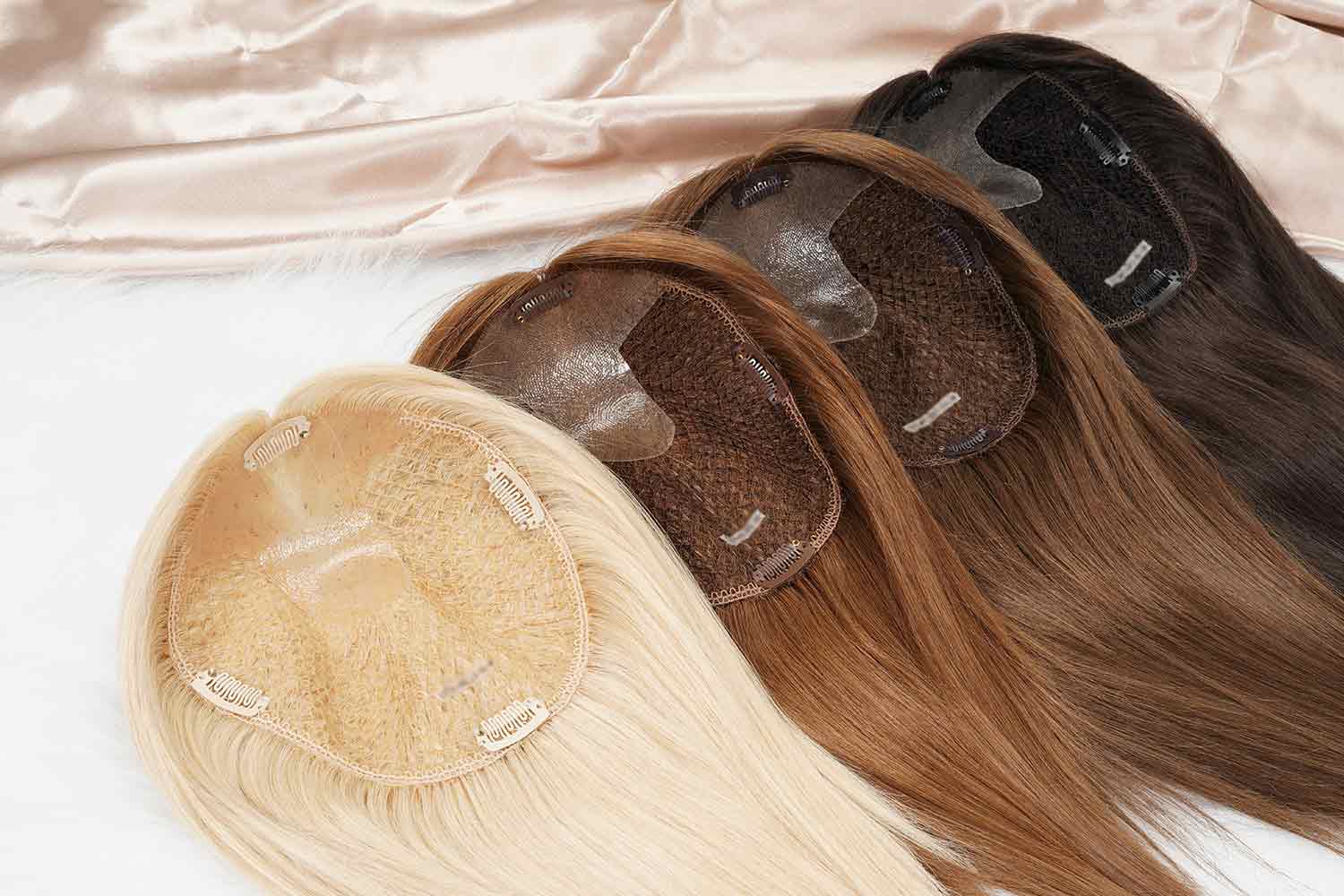
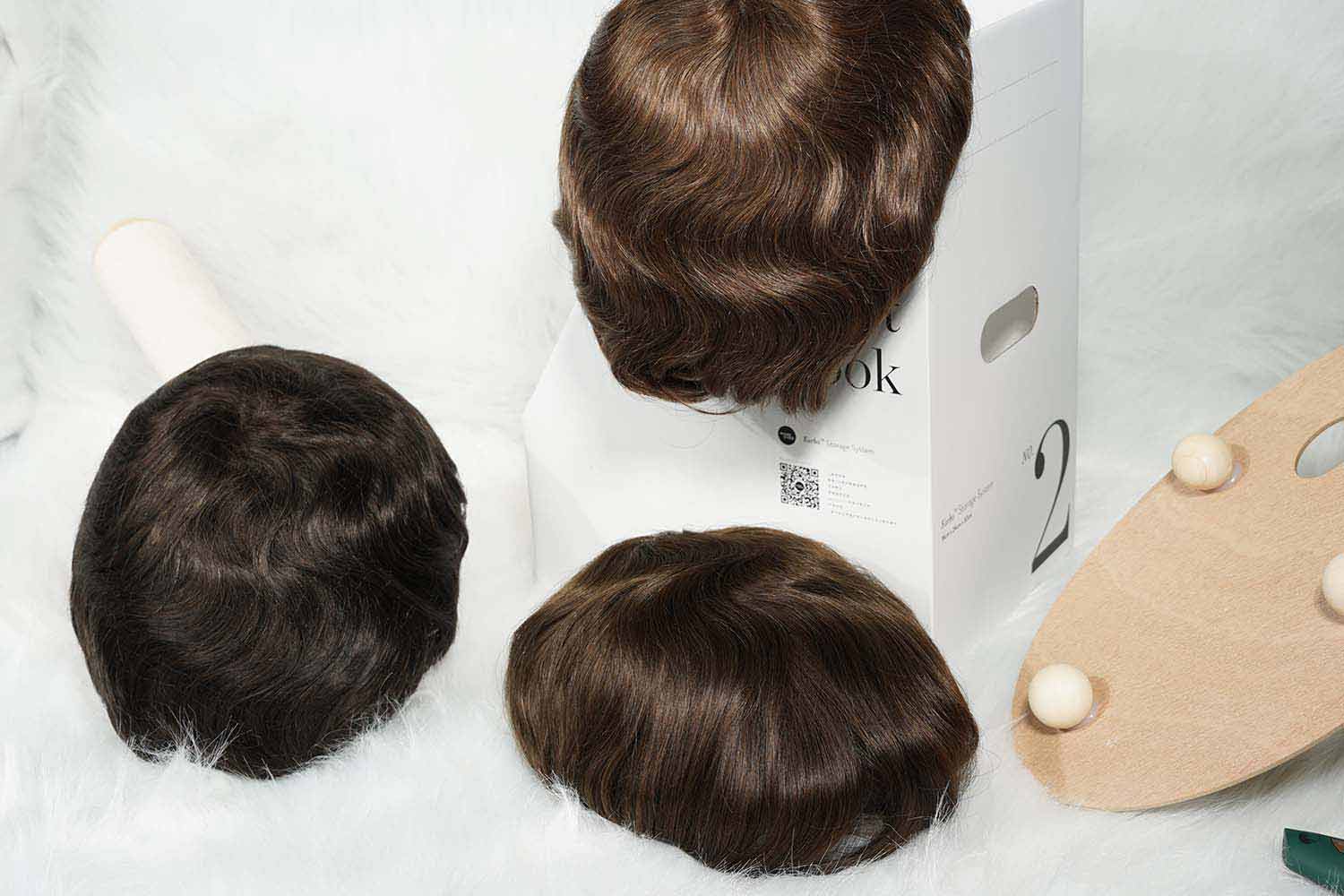
Wear a Hair System (Frontal/Topper)If the options above are not right for you, you can always go for a hair system. It instantly covers the receding area without damaging your existing hair or scalp. You can choose from ready-made stock pieces or go fully custom to match your natural hair color, density, and hairline type. The result looks realistic from every angle. It works for all stages of hair loss, particularly when other methods are too slow or don’t give the coverage you need. Some maintenance is required, but it provides the fastest and most noticeable improvement.
Get the Most Natural Hairline Products from BONO HAIR (Gents and Ladies)
-
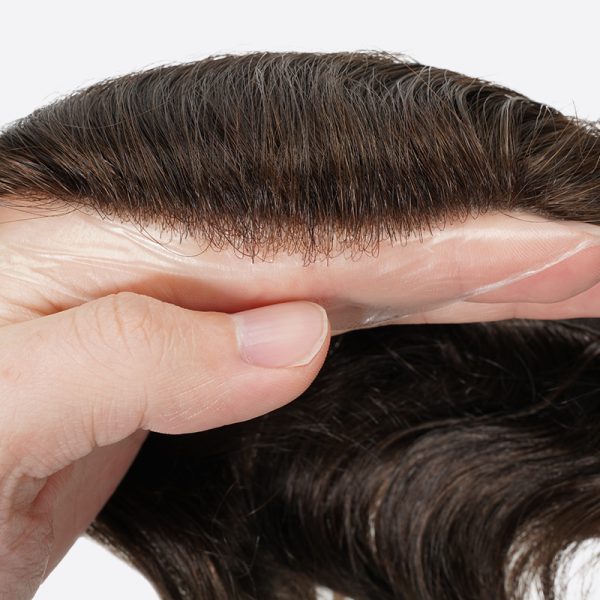
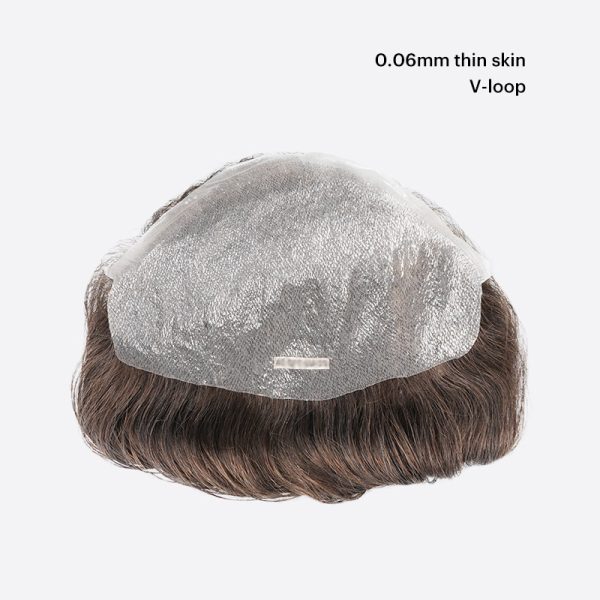
The super-thin base blends into your scalp to create a natural look.
-
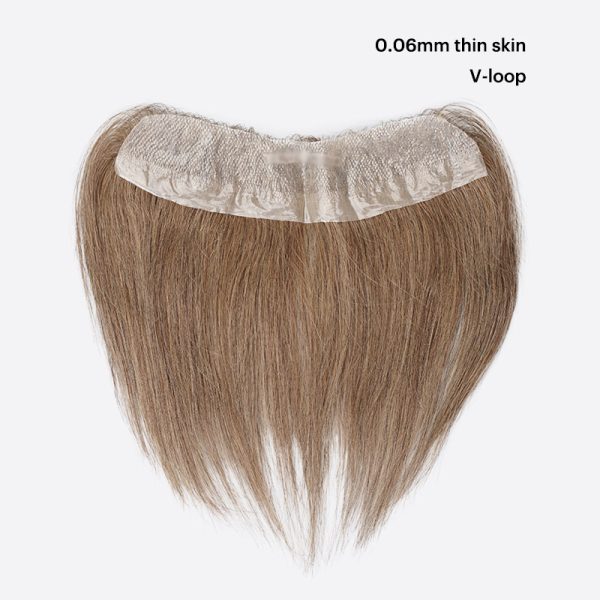
The V-loop ventilation keeps the hairline clean and knot-free from every angle.
-
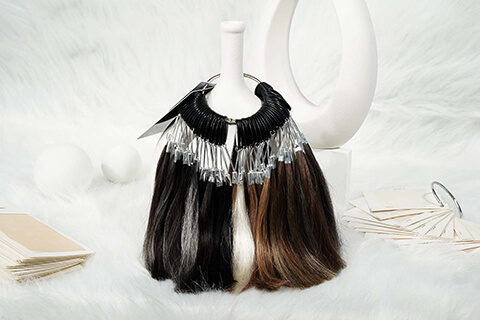
Multiple sizes and colors make it easy to match your natural hair with almost no adjustments needed.
Best Sellers
BH4 FRONTAL Hair System Supplies Male Toupee Prices
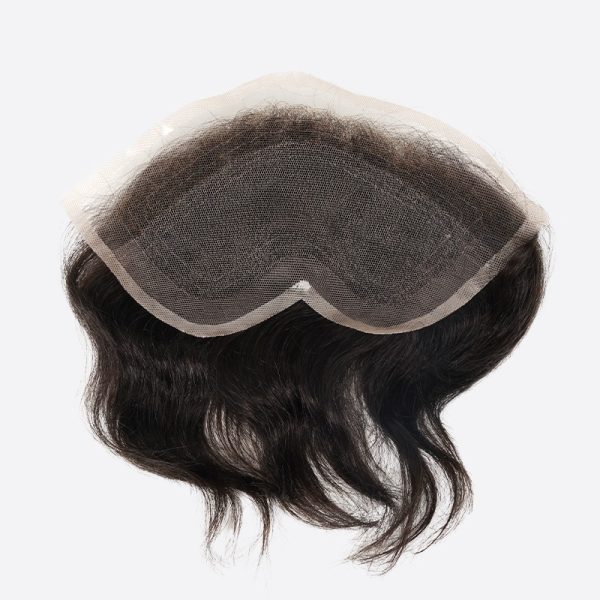
Custom Hair Systems
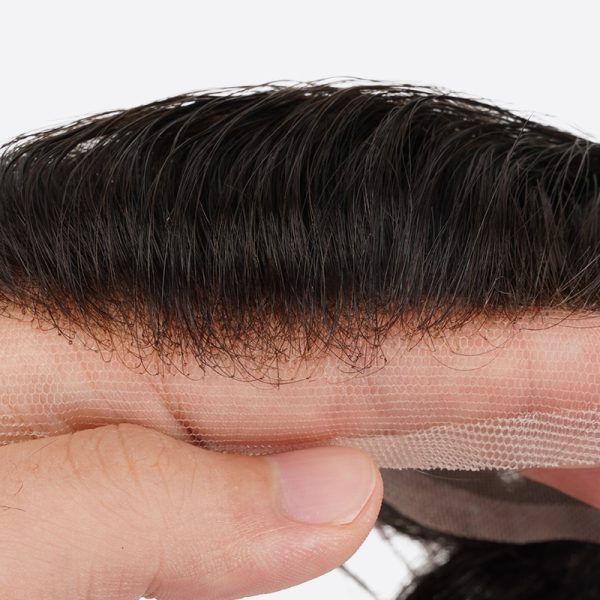
BFN390910 Lace Frontal Partial Hair Piece For Men’s Receding Hairline
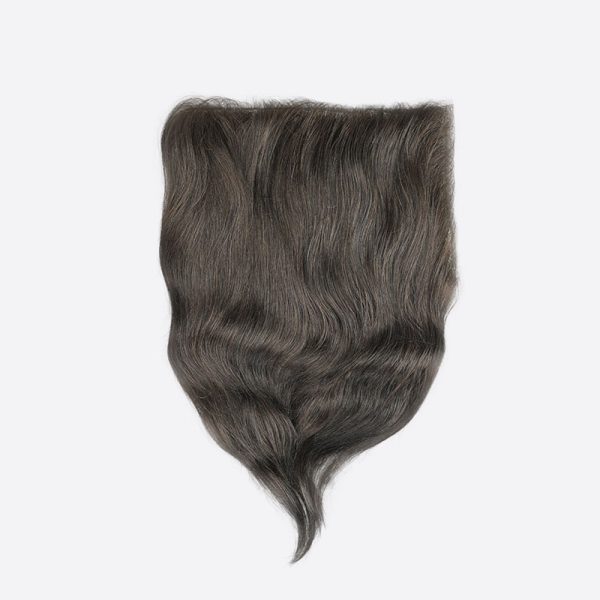
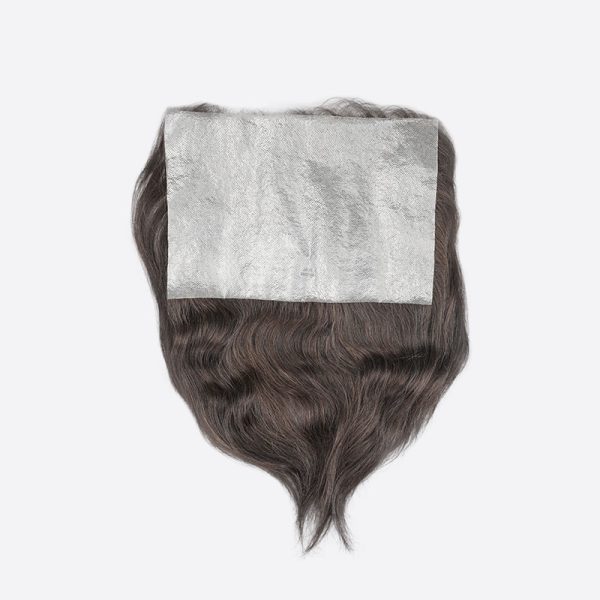
Custom Hair Systems
BFN142500 Polyurethane Hair Systems Are Custom Hair Replacement From Bono Hair
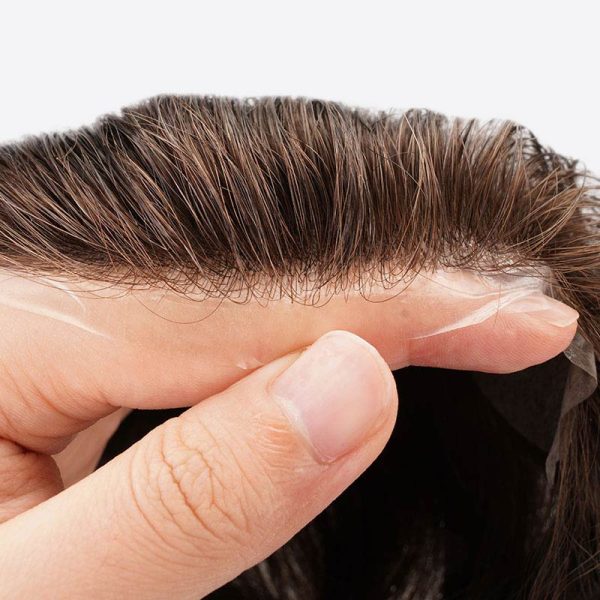
MEN'S HAIR SYSTEMS
BH4-FOREHEAD Receding Hairline Patch Is Forehead Toupee From Bono Hair
-
The HD lace blends so naturally into your skin that there is no visible edge, even up close.
-
100% virgin human hair moves and shines just like your own hair.
-
A range of colors and lengths to suit your style.
-
Lightweight and comfortable for daily wear, it offers just the right amount of coverage for early thinning or a naturally weak hairline.
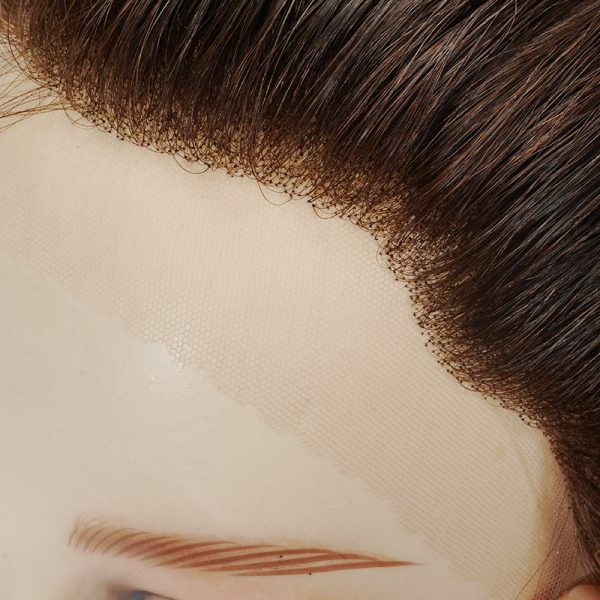
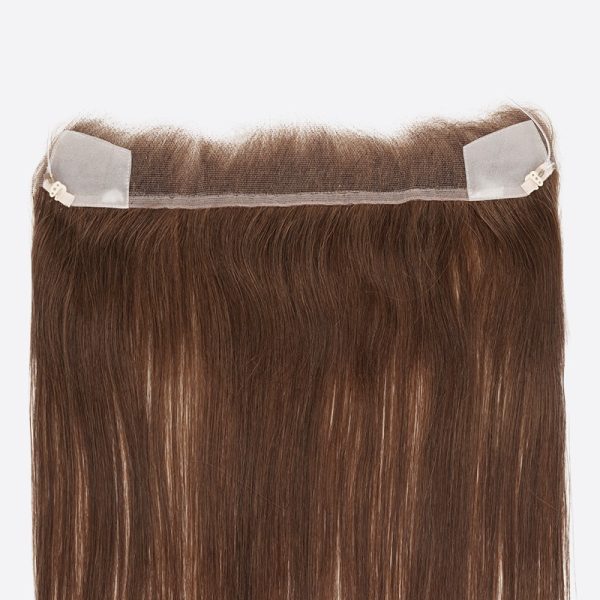
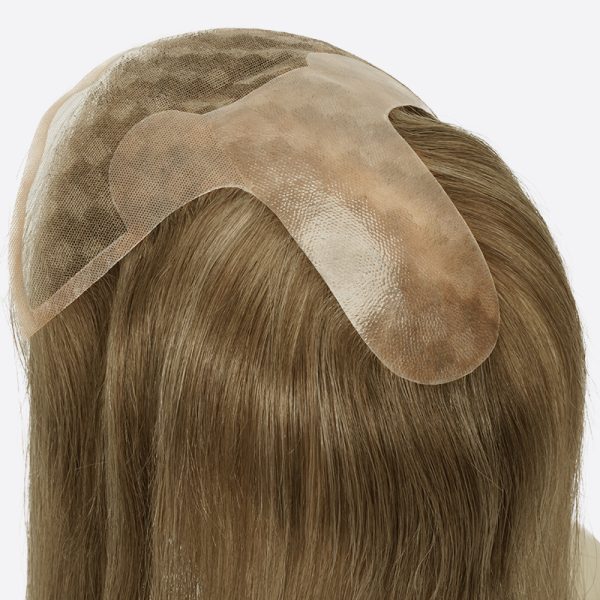
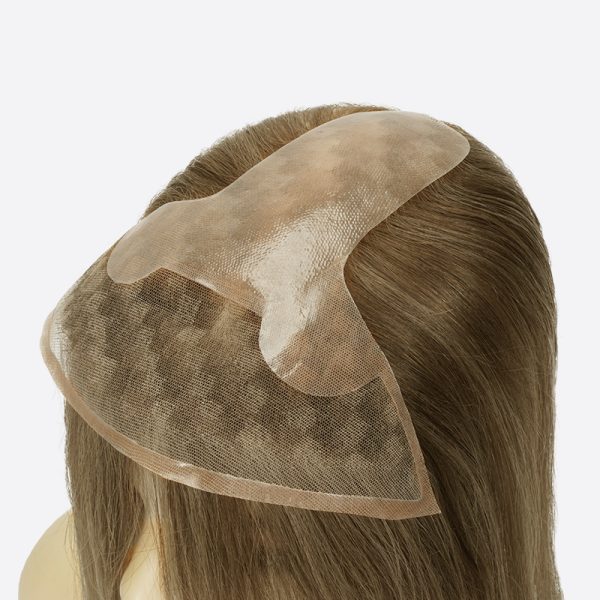
If these hairline frontals and toppers don’t match your hairline, try our fully customisable product, made to order to match your hairline, hair color and hair density exactly. Instant confidence, tailored just for you.


