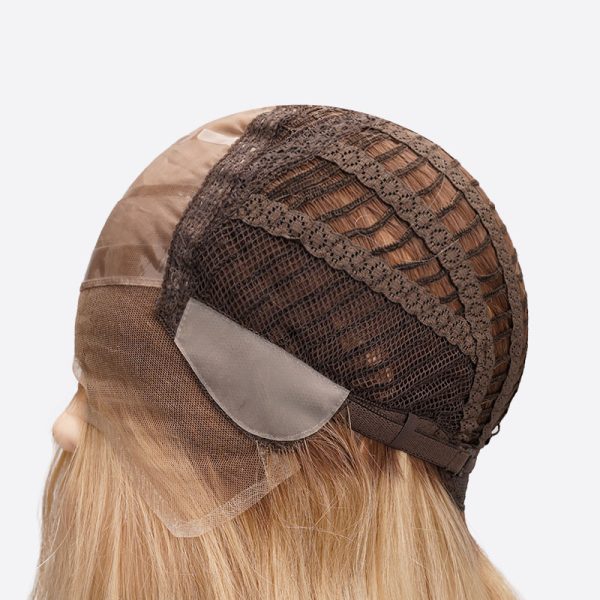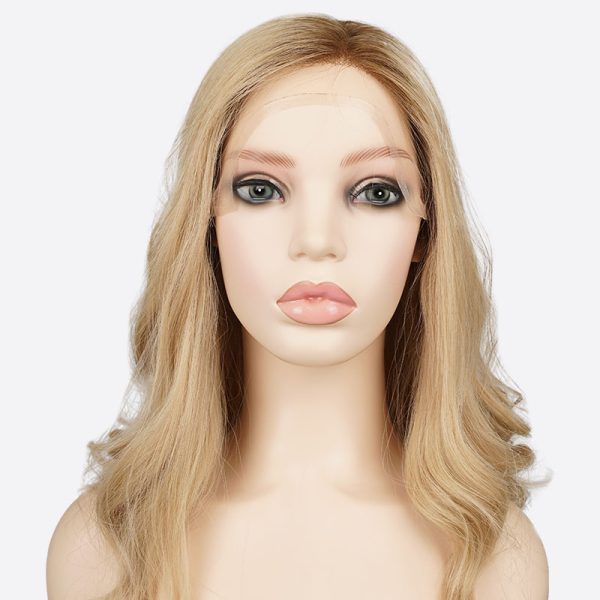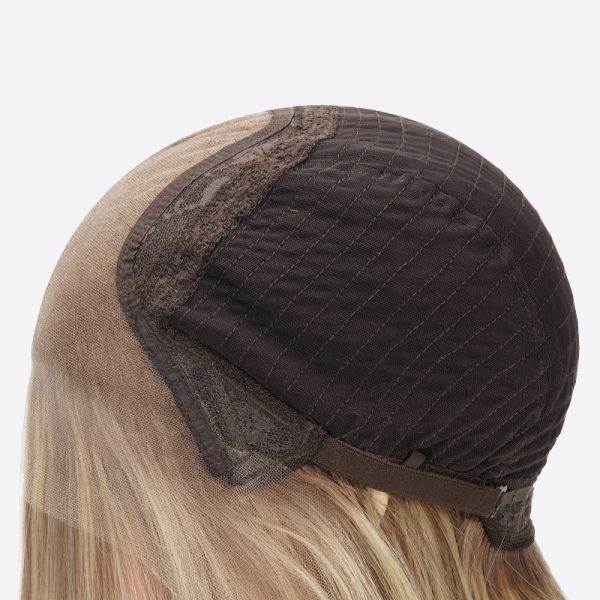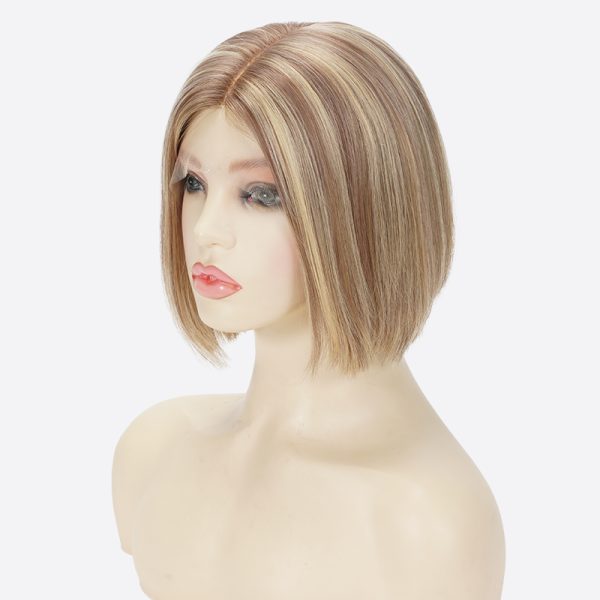















In the hair industry, “Remy hair” is one of the most frequently used product labels, especially for hair toppers, wigs, and extenisons. And it is also one of the most inconsistently defined.
When talking to different suppliers, you may find the same term used for very different products and hair materials. For salons, distributors, and hair professionals, this creates a practical problem: the label alone does not guarantee consistent quality.
From a manufacturing perspective, Remy hair is not a marketing term. It is a classification of hair based on processing standard. And whether that standard is truly maintained depends heavily on hair sourcing control, sorting discipline, and factory-level handling.
This article breaks down what Remy hair actually means in real production terms, how it differs from Virgin and Non-Remy hair, and how B2B buyers can evaluate it more reliably when sourcing from suppliers.
Key Takeaways
-
Remy hair refers to human hair with cuticles kept intact and aligned in one direction.
-
Remy hair can be chemically processed for color and texture.
-
Virgin hair is also cuticle-aligned, but is kept strictly free from chemical treatments.
-
Non-Remy hair means human hair with mixed cuticle directions, which is often chemically processed to remove all the cuticles.
-
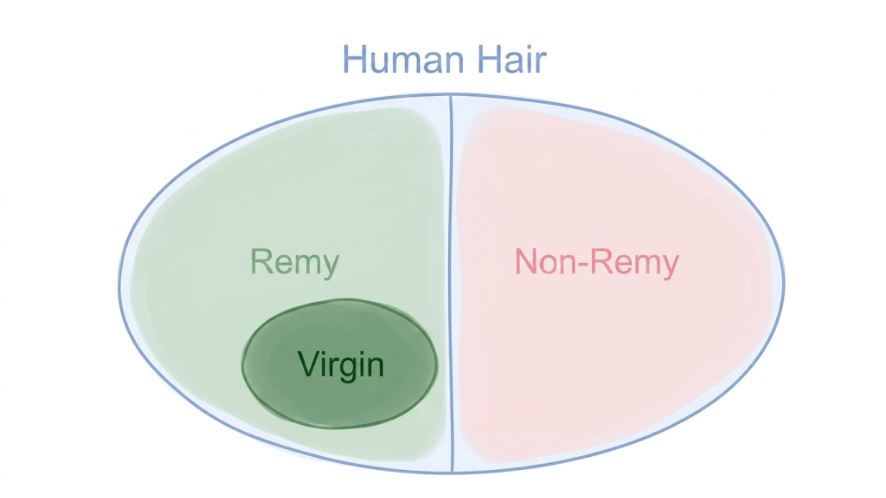
Remy hair, Virgin hair, and non-Remy hair are the three categories of human hair.
-
Virgin hair is inherently Remy hair, but Remy hair does not equal Virgin hair.
-
For B2B buyers, supplier consistency matters more than the label itself.
What Is Remy Hair?
Remy hair refers to human hair that is collected and processed with the cuticles kept intact and aligned in the same direction from root to tip. Before entering a factory, the hair might be dyed or permed on the donor’s head. And it will receive gentle chemical processes later in production for desired hair color and texture.
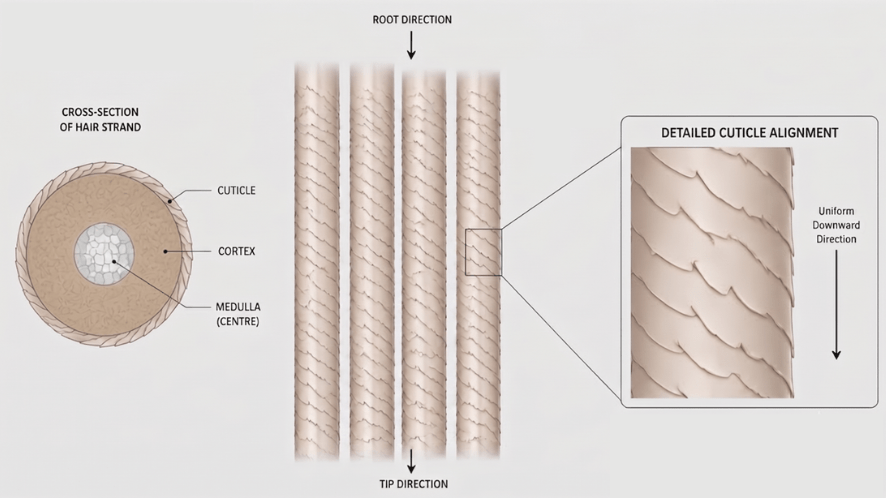
Because of this structure, Remy hair is generally smoother, less prone to tangling, and more natural in appearance and movement when used in wigs, toppers, or hair extensions. It also offers relatively better durability and can support normal styling such as curling, straightening, and coloring.
What Is Non-Remy Hair (Often Called Human Hair)?
Non-Remy hair, often called Human hair, has mixed cuticle directions. This is the core difference between Remy and Non-Remy hair.
In most production processes, Non-Remy hair usually goes through an acid bath (acid treatment) before further processing. This step helps reduce the outer cuticle scale and smooth the hair surface, making mixed-direction hair easier to handle and more uniform in appearance.
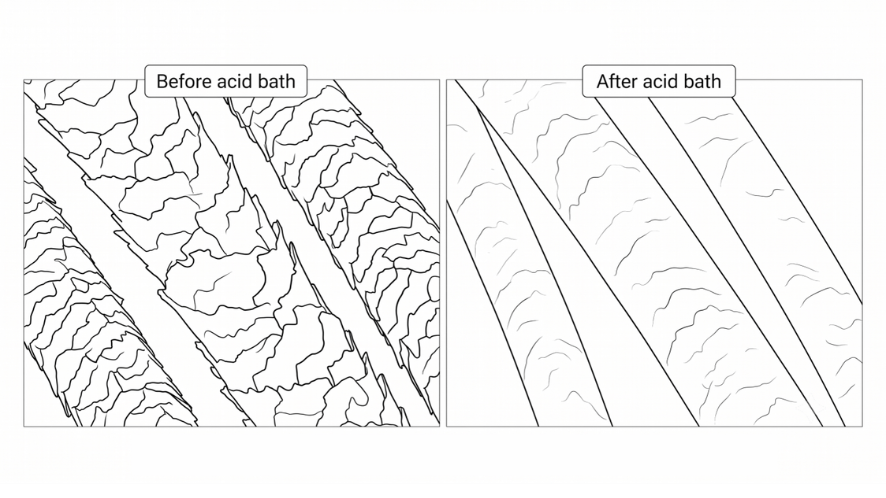
Because of this process, Non-Remy hair can feel surprisingly smooth and natural at the beginning.
However, after several washes, the protective coating gradually wears off, and the underlying structure starts to show. The hair becomes drier, more prone to tangling, and noticeably less stable compared to Remy hair.
In practical terms:
-
It feels good at first use
-
But degrades faster after repeated washing cycles
-
Has a shorter overall lifespan
-
Not recommended for frequent coloring or heat styling, as it accelerates damage
For salons, this difference is not always obvious on day one. It becomes visible after repeated client use cycles.
Here comes the question then, Since Remy hair and Non-Remy hair are both human hair, why suppliers call Remy hair as Remy hair, but Non-Remy hair as Human hair?
That’s because marketing matters.
“Remy” is used as a premium hair quality indicator, while “Human hair” is often used as a more commercial-friendly naming for Non-Remy hair. It is technically still human hair, but the term sounds more neutral and is easier to position in sales.
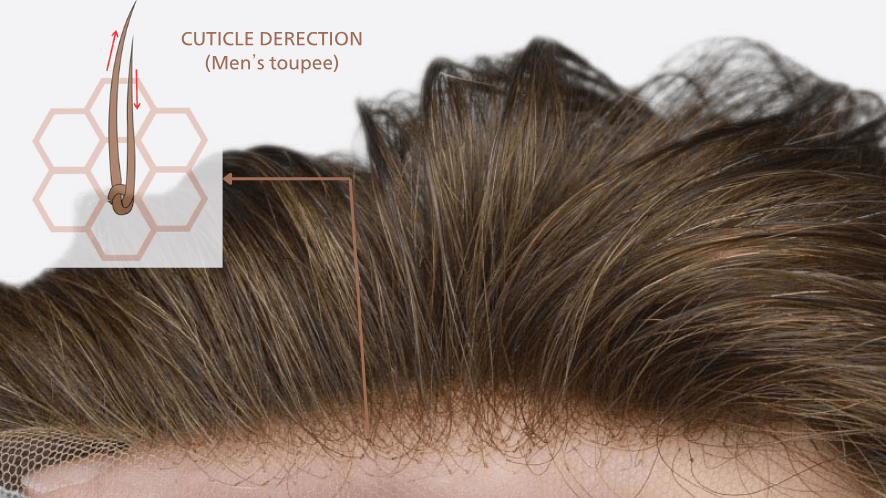
From the Manufacturer’s Desk:It is very common to use Non-Remy hair (Human hair) in men’s hair systems, because most knotting methods fold each hair strand in half to secure it to the base. If you used Remy hair, this folding would point the cuticles in opposite directions, causing them to rub together and tangle like velcro. To avoid these tangling issues, men’s hair systems usually use Non-Remy hair.
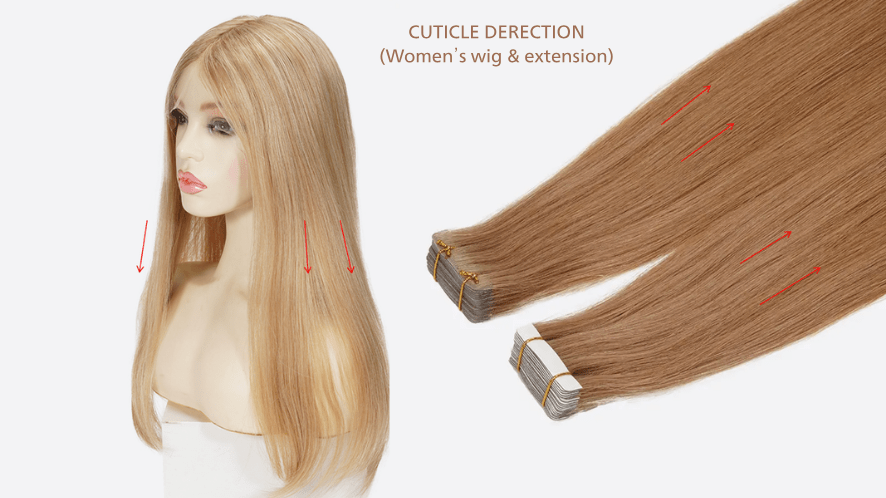
However, the situation is different for women’s hair products, such as toppers, wigs, and hair extensions. Because these products don’t fold hair, they can keep all the cuticles intact and facing the exact same direction from root to tip. This aligned cuticle layer gives the hair better quality, a longer lifespan, and a smooth, fluid movement that looks and feels exactly like naturally growing hair, making it a favorite for wearers.
A quick tip for new hair pros: Always figure out your client’s specific needs before order from the supplier. The right hair processing method depends on the specific product they are getting.
Remy Hair vs Human Hair (Non-Remy Hair)
| Remy Hair | Non-Remy Hair (Human Hair) | |
| Cuticle Status | Intact and aligned in the same direction | Cuticle removed |
| Chemical Treatment | Gentle acid rinse to clean & smooth cuticles; factory dyeing/bleaching allowed | Acid bath to remove cuticles; factory dyeing/bleaching allowed |
| Coloring Freedom | Ideal for darker tones; not recommended for bleaching | Darker tones only |
| Tangle Behavior | Low tangling; remains smooth with good maintenance | Prone to tangling; friction increases after several washes |
| Longevity | High durability (lasts 6 to 12 months with proper care) | Shorter lifespan (usually under 6 months) |
| Maintenance | Easy to manage | Higher maintenance requirement |
| Price Positioning | Mid to high | Lower entry cost |
What Is Virgin hair?
Virgin hair is the highest and most premium grade of hair in the hair extension and wig/topper industry. To put it simply, it is 100% pure, natural hair with zero chemical treatment.
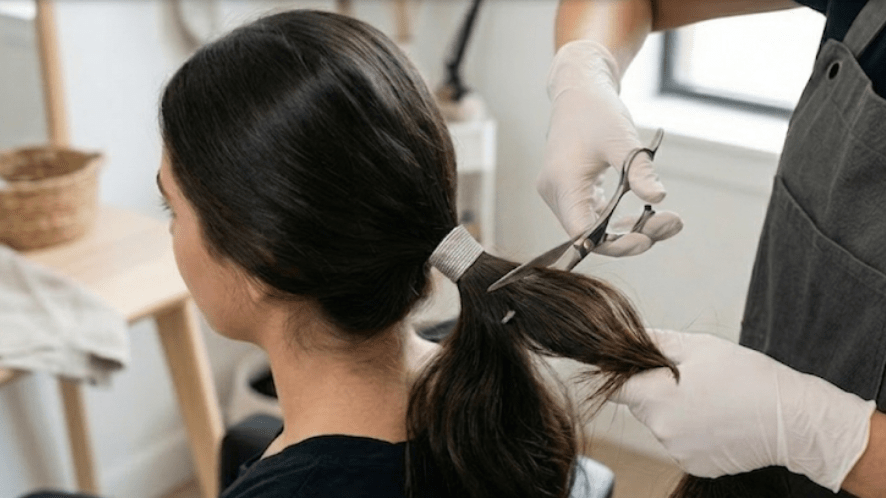
So, remy hair focuses on cuticle alignment and directional consistency, virgin hair focuses on chemical processing history.
To be classified as true “Virgin Hair,” it must meet three strict rules:
-
100% Chemically UnprocessedBefore and after it is collected, this hair has never been dyed, bleached, permed, relaxed, or acid-washed. It remains in its raw, original, and healthy physiological state.
-
100% Cuticle AlignedBecause it is usually cut directly from a tied ponytail, all the protective cuticles are perfectly intact and facing the exact same direction from root to tip. Because of this, Virgin hair is naturally always Remy hair.
-
Single DonorTop-tier Virgin hair usually comes from just one person. This means the entire bundle has the exact same thickness, texture, elasticity, and natural color, which guarantees a highly consistent look, and yes, it costs more.
Remy Hair vs Virgin Hair
| Remy Hair | Virgin Hair | |
| Cuticle Status | Intact and aligned in the same direction | Intact and aligned in the same direction |
| Chemical Treatment | Gentle acid rinse to clean & smooth cuticles; factory dyeing/bleaching allowed | Zero acid wash, bleaching, or color processing |
| Coloring Freedom | Ideal for darker tones; not recommended for bleaching | Ideal for darker tones; not recommended for bleaching |
| Tangle Behavior | Low tangling; remains smooth with good maintenance | Minimal tangling; remains smooth with good maintenance |
| Longevity | High durability (lasts 6 to 12 months with proper care) | Maximum durability (can easily last 1 to 2+ years). |
| Maintenance | Easy to manage | Easy to manage |
| Price Positioning | Mid to high | Luxury tier (The most expensive hair on the market) |
What Is Virgin Remy Hair?
Lots of supplier use terms like “Virgin Remy hair” or “100% Human Virgin Remy hair” in their product description, but actually, there is no such category from the manufacturing perspective.
As we mentioned above, there are only three categories of hair in the industry: Remy hair, Non-Remy hair (often called Human hair), and Virgin hair. But not everyone understands the differences very well, so some supliers use “Virgin Remy” as a marketing term to suggest that the hair is both chemically unprocessed and cuticle-aligned.
So, “Virgin Remy hair” is actually Virgin hair, not a higher grade hair category.
Next time you see “Virgin Remy hair” or “Remy Virgin hair”, just remember it is essentially Virgin hair.
Is Remy Hair Good Quality?
Technically yes. But “quality” can be very subjective.
“Quality” in hair is not a fixed standard. It’s more about fit. Hair from different origins, such as European hair and Indian hair, behaves differently in texture, strength, and processing stability, so there’s no universal “best”—only what works for different client needs.
At the same time, “Remy” is not defined by a single global rule in the industry. Each supplier has its own sourcing and sorting standards, which is why products labeled as “Remy” can still perform quite differently in real production and daily wear.
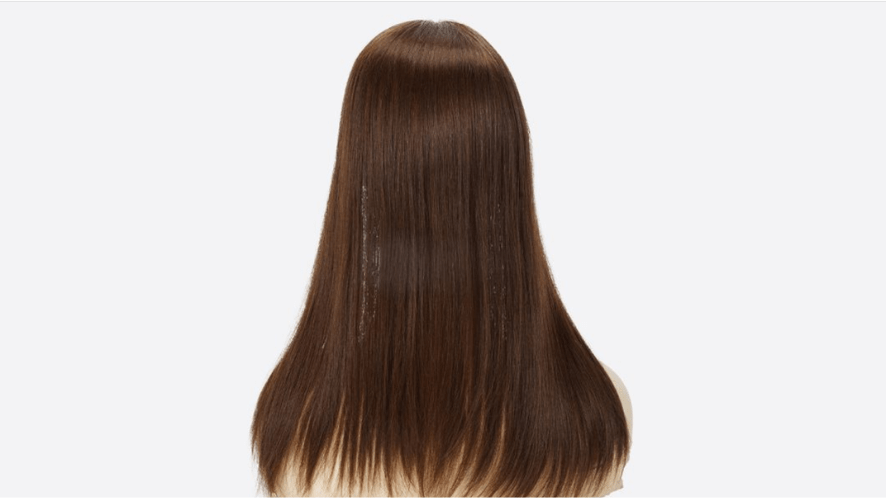
For professional salons and distributors, Remy hair is generally seen as a stable mid-to-high grade option. It usually means:
-
More predictable client experience
-
Fewer complaints related to tangling
-
Easier maintenance in daily salon workflows
-
More stable product positioning for resale
So when it comes to wigs, toppers, and hair extensions, Remy hair is usually a safe and reliable choice. But it’s important not to rely too heavily on the label.
The term is a standard of cuticle alignment, not a guarantee of overall quality. Real performance still depends on sourcing and processing.
-
Sourcing Consistency: High-quality results require strictly sourced raw hair, free from mixing or damage.
-
Processing Integrity: It must be professionally processed to preserve cuticle alignment without damaging the hair’s internal structure.
In short, the “Remy” is more of a category label and marketing identity. It tells you how the hair is arranged, but not how it will actually perform over time. For B2B buyers, supplier capability matters a lot more than the label itself.
How to Evaluate Remy Hair Suppliers
For professional buyers, the key question is not simply whether hair is labeled Remy.
The real evaluation should focus on supplier capability. Find out:
-
Is production process transparent?
Reliable suppliers can clearly explain how they maintain cuticle intact and aligned during processing.
-
Is sorting control consistent?
Hair quality starts with the sorting phase. If the hair isn’t perfectly aligned and cleaned by hand before processing, no amount of later treatment can fix it.
-
Can the supplier maintain batch consistency?
Consistency across multiple orders is often the most important indicator of real manufacturing capability. Check the hair and product quality for each order and record client feedback — by recording how the hair holds up after weeks of wear, you can verify if the actual quality matches the supplier’s promises. This is also an effective way to detect quality shifts early.
Common Misunderstandings in the Market
In real sourcing practice, several misunderstandings frequently appear:
-
Assuming all human hair is Remy hair
-
Treating Virgin hair as automatically higher quality
-
Believing origin labels determine performance
-
Relying only on product description without testing consistency
For procurement teams, these assumptions often lead to mismatched expectations between supplier and end-user performance.
Final Thoughts
Just as important is knowing how to evaluate a supplier, and how to check product quality once the hair systems arrive — then continue tracking how they perform during real use in salons or by end clients.
In practice, the gap between “what is claimed” and “what actually performs” usually shows up later, not on the spec sheet.
That’s also why working with a stable manufacturer matters.
Bono Hair is a professional hair replacement and extension manufacturer with over 20 years of production experience. Over the years, we’ve maintained a structured system covering raw hair sourcing, controlled processing, and strict multi-stage quality inspection to ensure consistency across production batches.
If you’re looking for a long-term hair pieces and extensions manufacturing partner or want to understand our product standards in more detail, feel free to get in touch.
More Questions About Remy Hair Answered
Is Remy Hair Human Hair?
Yes. Remy hair is human hair. It refers to a processing standard where the cuticles are kept intact and aligned in the same direction from root to tip.
To understand the relationship between human hair, Remy hair, Non-Remy hair, and Virgin hair, you can see how they relate in the diagram below:
Where Does Remy Hair Come From?
Remy hair comes from collected human donor hair, usually gathered in bundles.
What defines it is not the origin, but whether the hair is kept aligned from root to tip and properly handled during early processing. This includes gentle acid treatments which — if not well controlled — can damage the hair structure and affect overall quality.
How Long Does Remy Hair Last?
There is no fixed lifespan for Remy hair, since durability depends on the product as a whole rather than the hair alone. For reference, Remy human hair wigs from Bono Hair typically last around 6–12+ months with proper care.
In real use, product durability is determined by raw materials, manufacturing process, daily usage and maintenance routines.
So the lifespan is not defined by the “Remy” label itself, but by how the product is built, used, and maintained throughout its lifecycle.