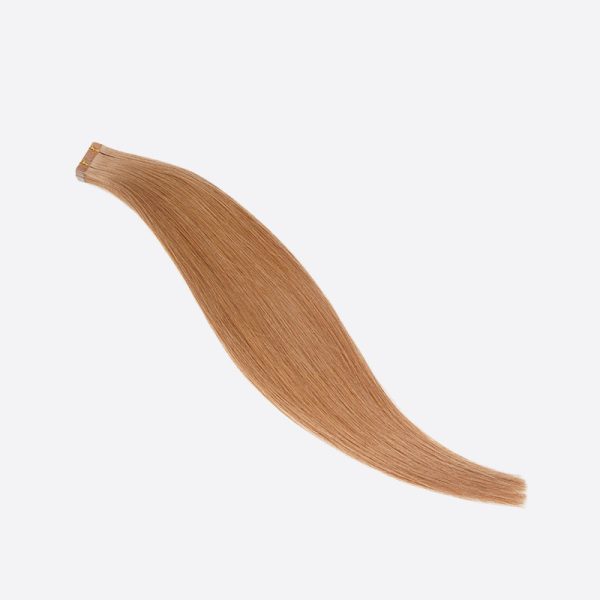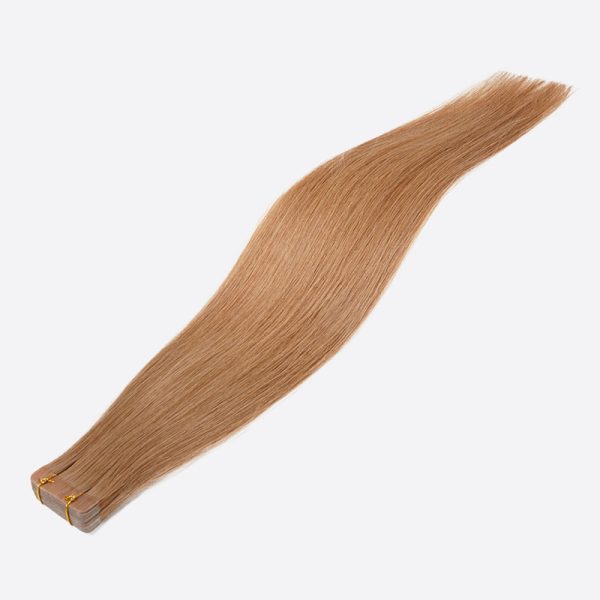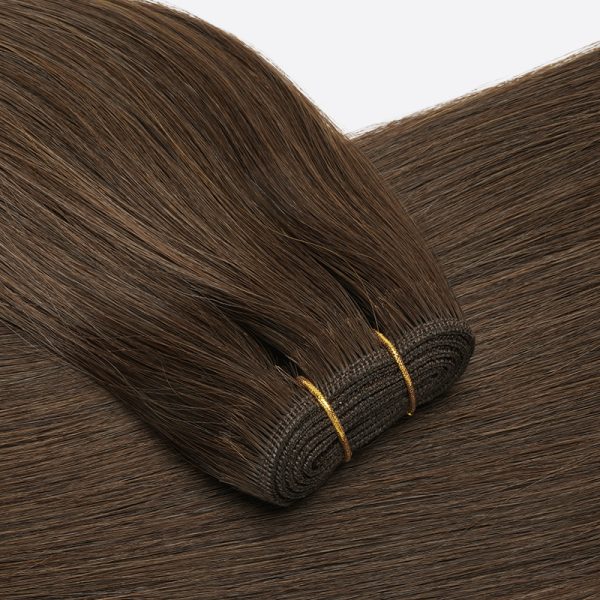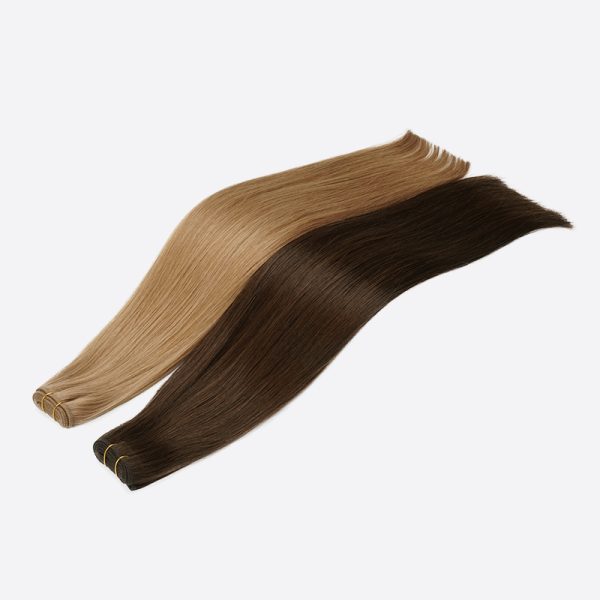











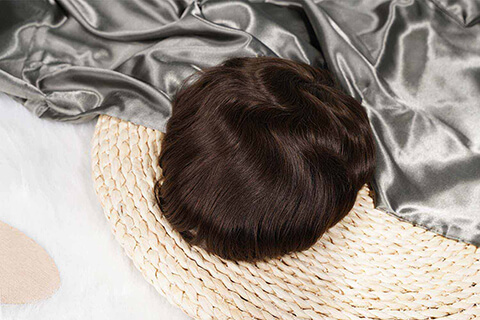
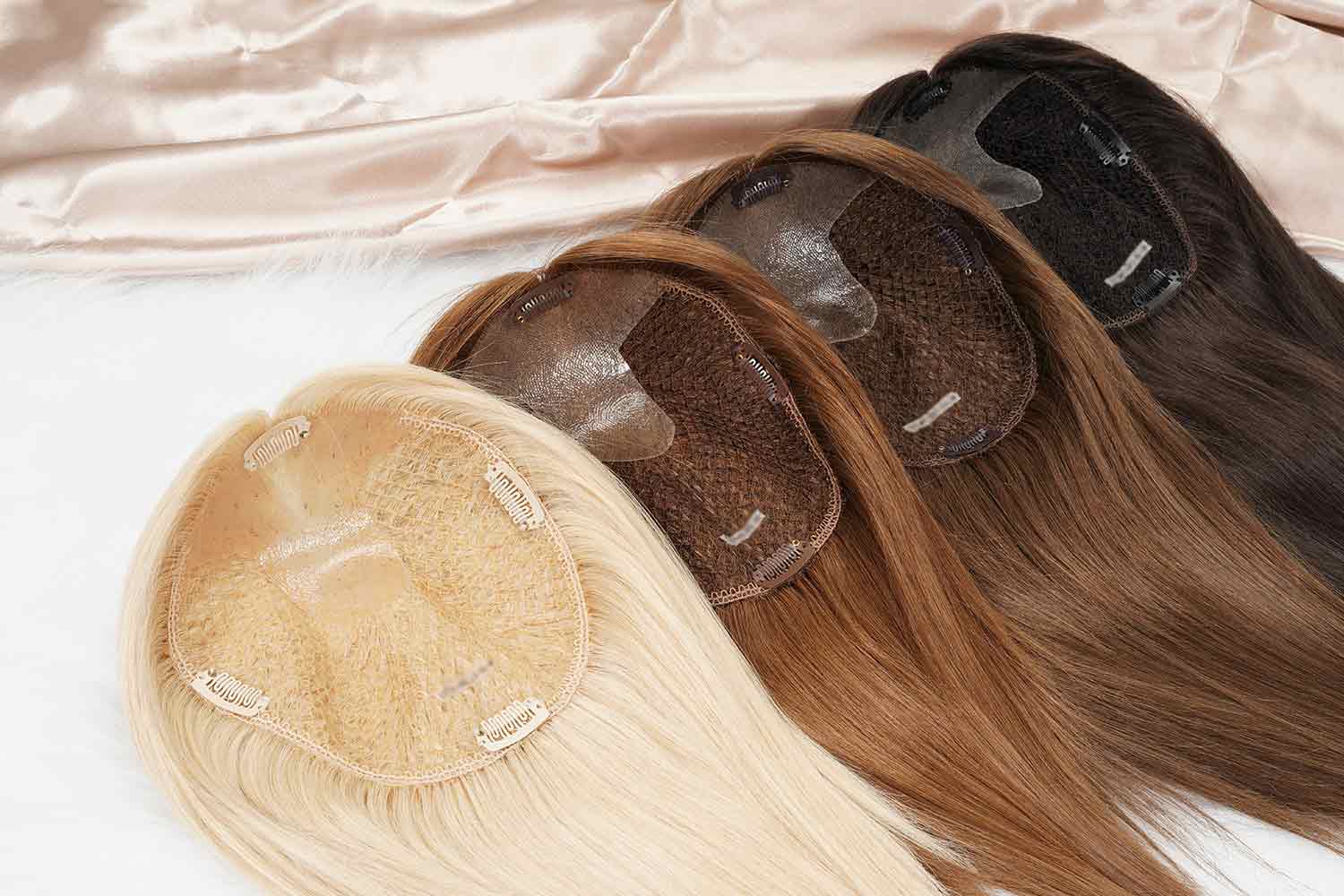


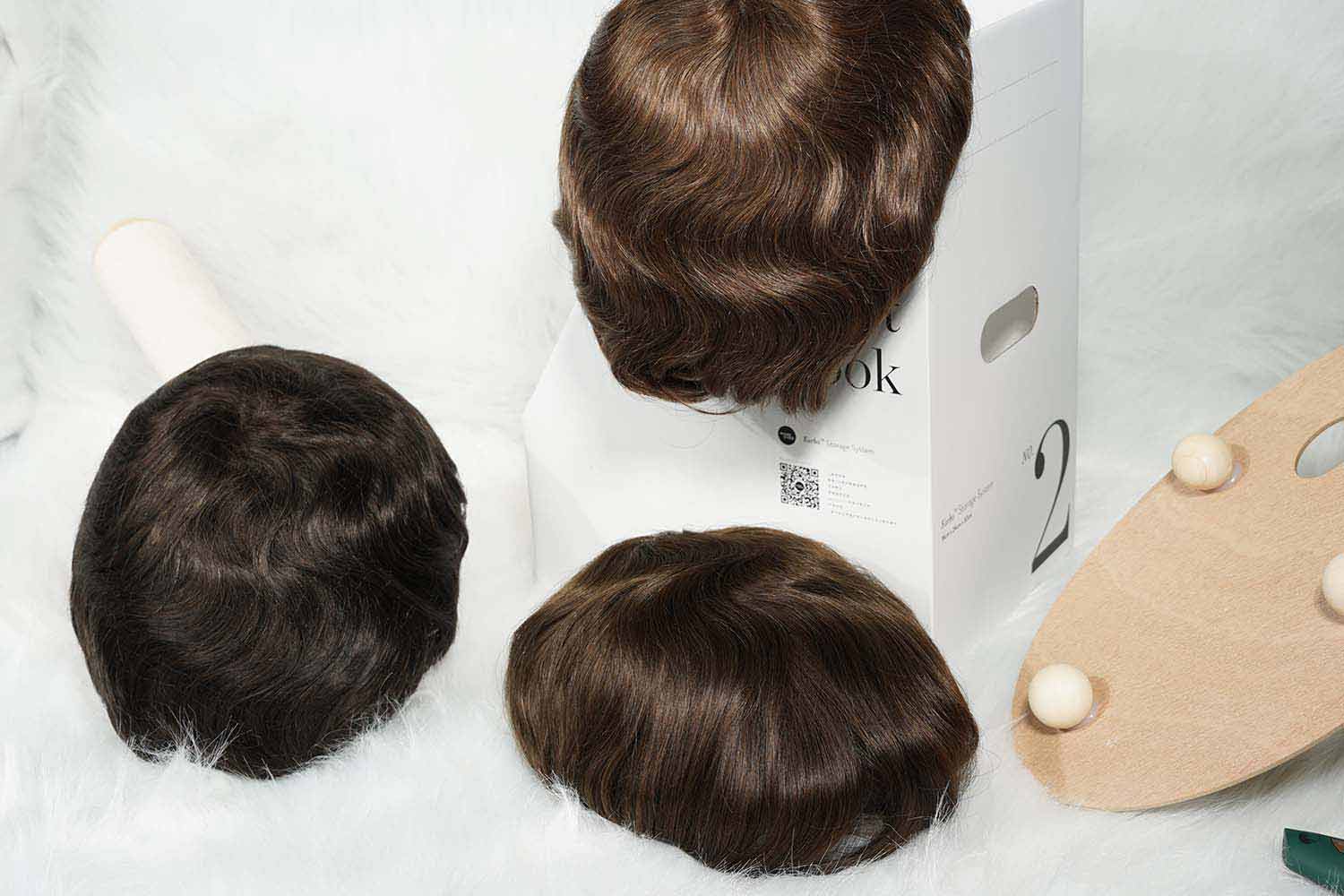
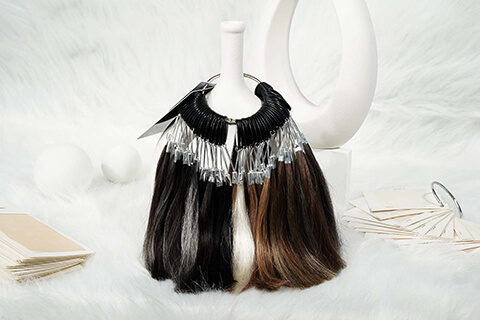
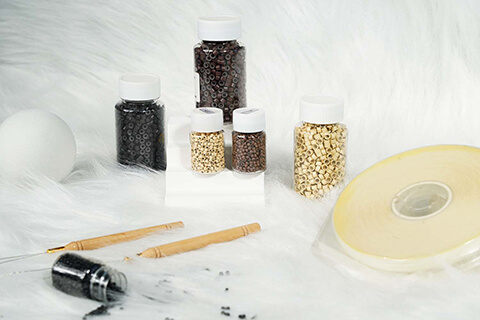

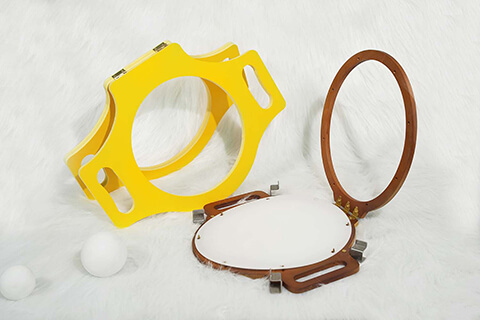
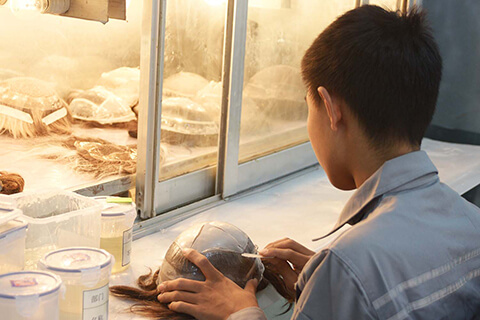
Everyone wants their hair extensions to be smooth, shiny, and last longer, but very few know what is behind a perfect hair extension. Behind every strand there is a detailed production workflow, from raw hair sorting to dyeing, styling, and multiple quality checks. Understanding this process helps you tell the difference between average extensions and truly reliable ones. Let’s dive in together and see where human hair extensions come from and how hair extensions are made—and what you should check before ordering bundles.
Below is a clean, real-world look at how human hair extensions are made inside our factory.
First Things First: Where Do Human Hair Extensions Come From?
Sourcing hair is the very first step to making hair extensions or any other hair systems. Factories use either human hair or synthetic hair to make these products, and here we only talk about human hair. Basically, raw human hair mainly comes from three sources:
-
Virgin hair: This kind of human hair is cut directly from a single donor in a full bundle, with all cuticles aligned in the same direction. It’s the most premium type of hair, consistent in quality, and ideal for high-end remy or virgin hair extensions.
-
Temple hair: This kind of hair is collected from religious or cultural donations, such as temple hair in India. It usually comes in natural colors and is carefully sorted before processing.
-
Salon hair: Salon hair is gathered from hair salons, usually cut during regular haircuts. This hair can be chemically treated and less consistent, so it’s often used in more affordable products.
Now with raw hair in hand, the real manufacturing journey begins.
How Hair Extensions Are Made: A Step-by-Step Process
Step 1. Preparing Raw Hair
Laying the foundation for consistent hair color and uniform length.
Sorting: Every batch starts with sorting. Workers first sort hair by color, separating natural shades, dark tones, and light tones. Hair with an opaque or look more yellow or red look will be classified as dark, while cooler and more transparent ones are categorized as light.
Combing out short hairs: After sorting, workers comb the bundles to remove short hair on one end and smooth the long strands on the other. Different orders require different lengths, so each batch must be arranged carefully.
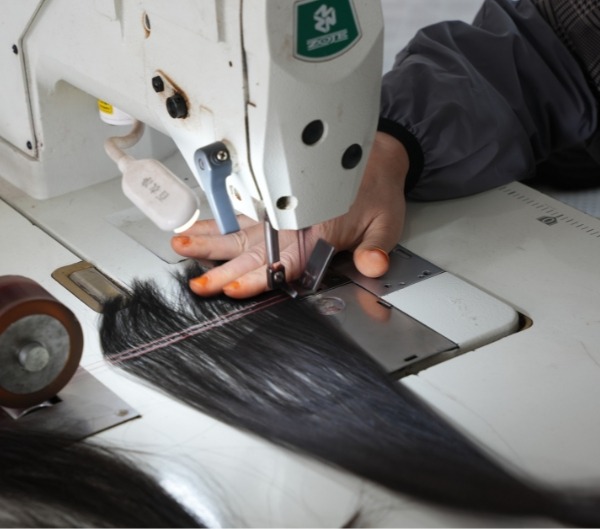
Tying the bundles: Once the hair is neatly aligned, it is tied with the appropriate type of thread. Hair prepared for dark dye is tied thicker, while hair ready to be bleached for light color is tied thinner. This is because thinner wefts allow bleach or dye to penetrate evenly, ensuring a consistent, bright color while protecting the hair at the same time. For each bundle, the cuticles must be aligned in the same direction.
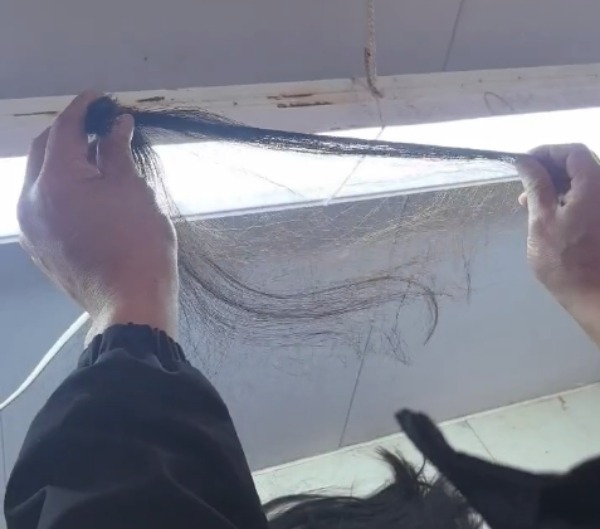
Step 2. Acid Bath
Preparing the hair for even coloring and a clean, smooth base.
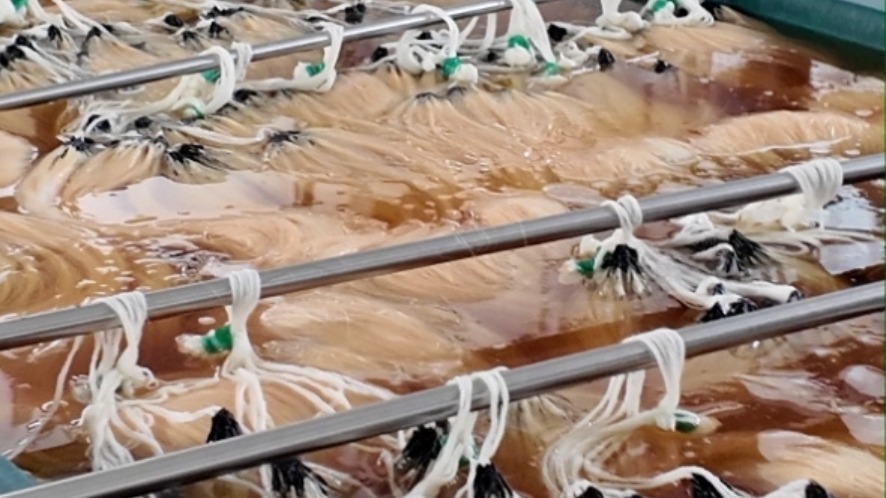
Before any dyeing happens, the hair first goes through a deep cleansing process. Acid is used to remove dirt and impurities from the hair surface and lift the natural base color. It usually takes 5-6 days for this step (a bit longer in winter than in summer), during which warm water (60–70°C) is used to help the treatment penetrate gradually. Protective agents and mild detergents are added throughout the process to keep the hair healthy and prevent damage.
Once the desired base color is achieved, the hair is ready for dyeing according to the customer’s order.
Step 3. Coloring
Penetrating color evenly to reach the precise shade and tone you expect.
Based on the order’s color code, the factory will calculate the ratio of water to hair dye and choose the right water temperature. During coloring, workers will take out samples several times to compare with the order color. If a client needs a cool tone or a warm tone, the formula is adjusted at this stage.
Coloring is the most meticulous step in the whole hair extension production process. It directly affects color consistency, hair health, and whether the final result fits the exact needs of the customer’s order.
Important tip for salon owners: Our professional acid bath and coloring process takes about 10 days or more, allowing the chemicals to gradually penetrate and minimize damage. In contrast, using strong dye chemicals for coloring can shorten the lifespan of all hair extensions. Therefore, to keep the hair extension shiny and long-lasting, always opt for gentle dye creams and methods.
Step 4. Washing and Drying
Cleansing the hair and locking it in color for long-term use.
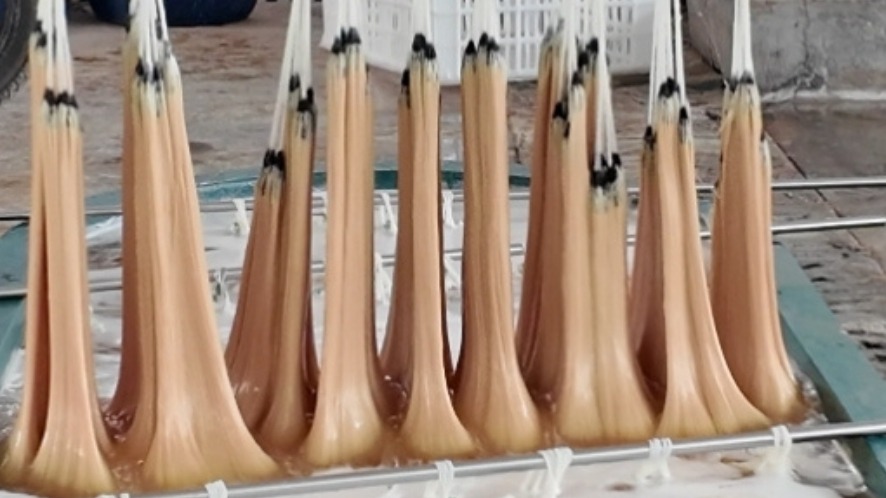
Washing: After dyeing, the hair will be washed according to the order’s requirements. Some orders require oil treatment or repair formulas, while others keep the strands more natural.
Drying: This step is handled with extra care. Technicians will adjust both the drying time and temperature according to different colors. For light colors, the temperature must be kept below 40°C to avoid color shift or damage to the hair. The technician also repeats color checks after drying to make sure it matches the required color.
Again, this step requires a lot of care. If not done properly, it may result in yellowing or drizzle and dry hair extensions. So when blow drying hair extensions, make sure to keep the heat low.
Step 5. Untying the Bundles
Yes, this is a step. Here we get every strand ready for stretching.
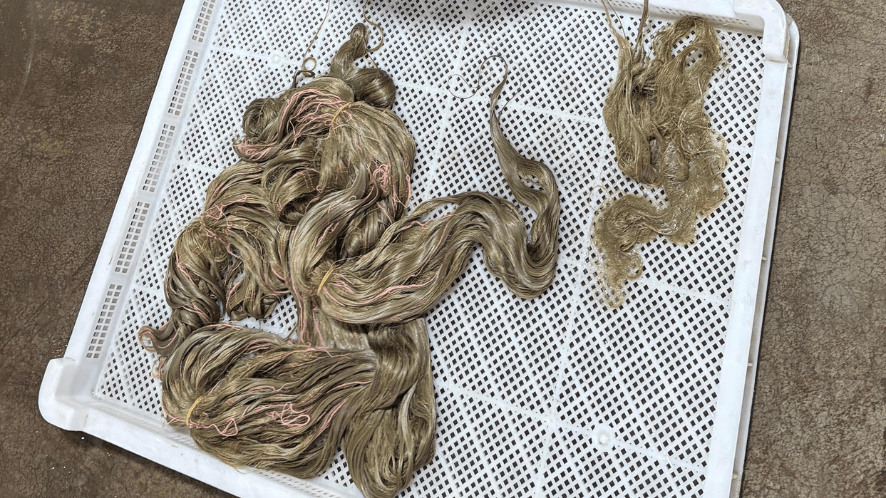
Once the hair is fully dry, the tied bundles are opened. This step sounds simple, but it requires attention: the root and tip must remain in the correct direction. Any mistake can cause tangling or reversed cuticles later.
Step 6. Hair Stretching and Portioning
Perfect stretching and portioning lay the foundation for perfect styling.
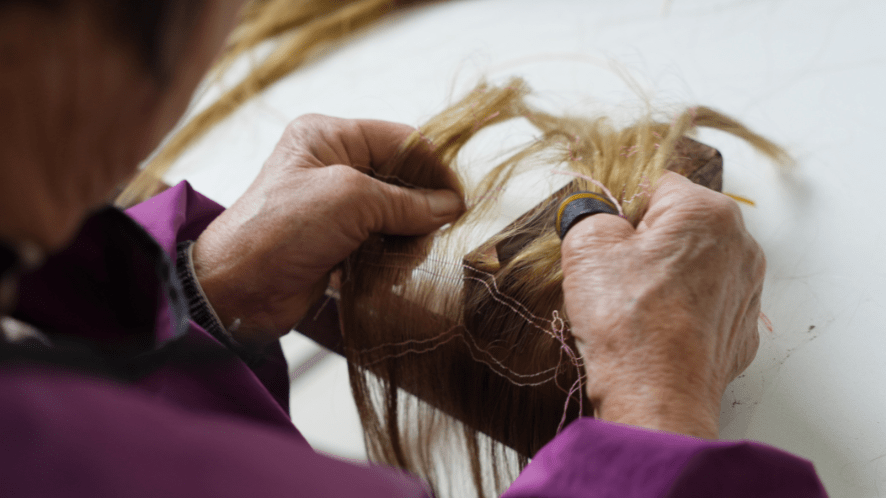
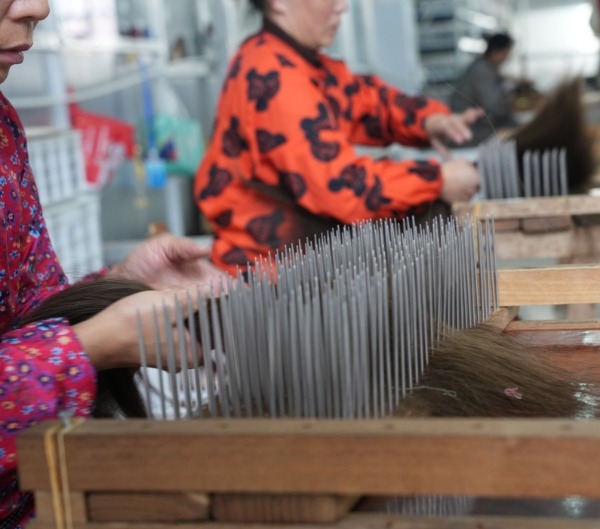
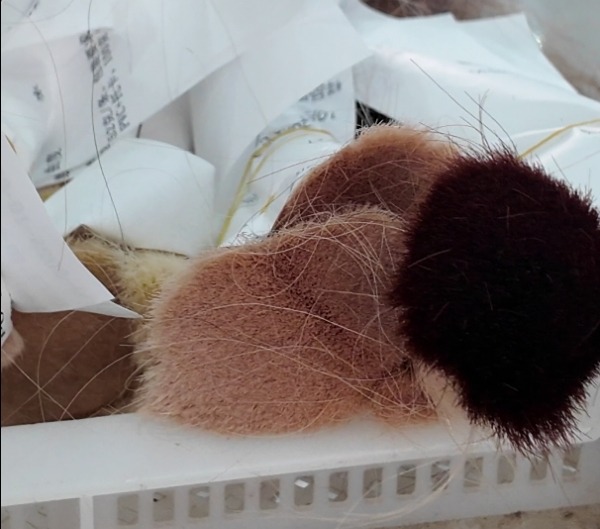
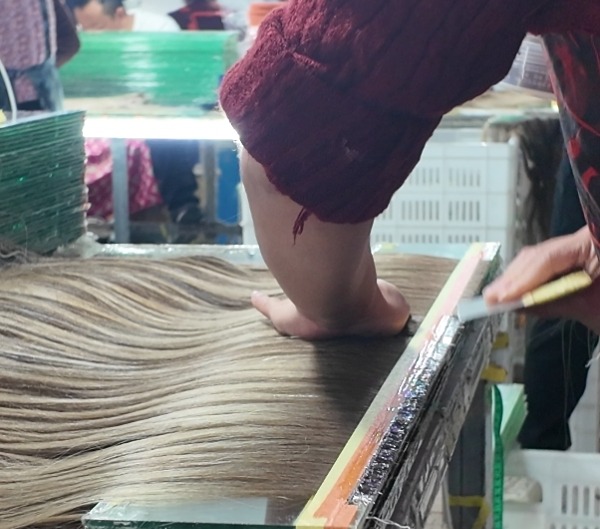
Hair Stretching: This step determines how silky, smooth, and consistent the final extensions will look. Workers draw the hair by hand to remove shorter strands and make the bundle even from top to bottom.
Portioning: After stretching, the hair will be divided into smaller portions according to different types of products, ready for the next stage of manufacturing.
Step 7. Styling
This is where the extension gets its beautiful waves.
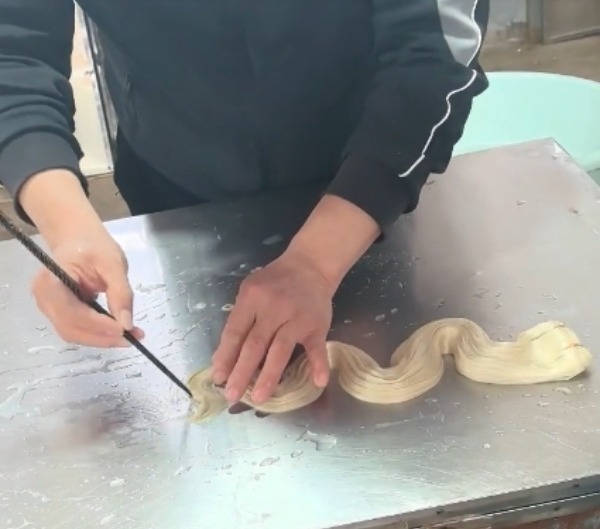
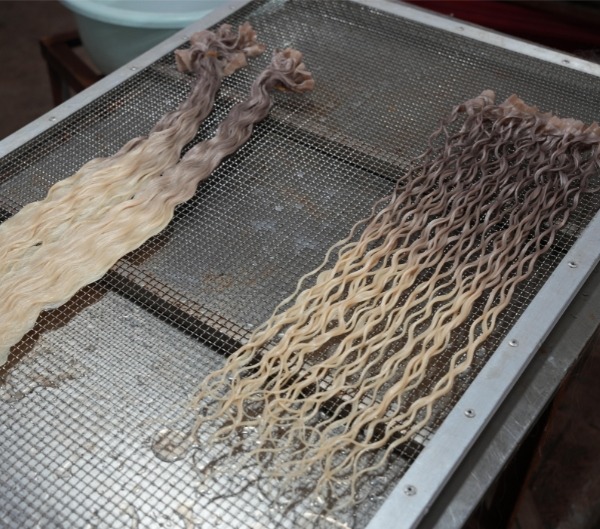
Technicians will arrange the hair manually to achieve the exact curls or waves. Now please pay attention: some of the waves and curls are temporarily styled, like most body waves, just to make the final product look more natural, so they may loosen after the extensions are unpacked or used for a while. If you want permanent curls, make sure to check the product description carefully or ask your sales representative to confirm whether the waves are permanent.
Deep colors are styled before being made into products, but light colors are styled after the product is made, because the lighter the color is, the longer the hair has been bleached, which means it’s more fragile. So light color hair actually needs more protection.
Step 8. Making the Final Extension Type
Here we create a variety of high-quality hair extension types for all needs.
This step is the core of the entire manufacturing process as well as the one that requires the most skill. Experienced technicians will make the hair into different types of hair extension products, including:
-
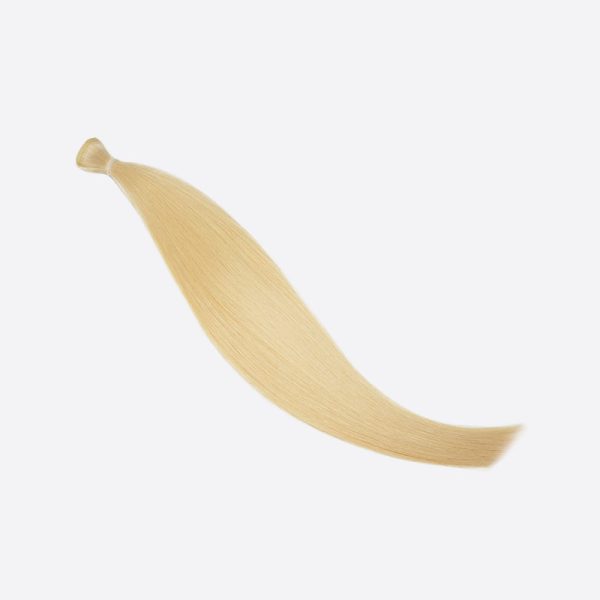
I-tip hair extension
-
Nano ring hair extension
-
Flat tip hair extension
-
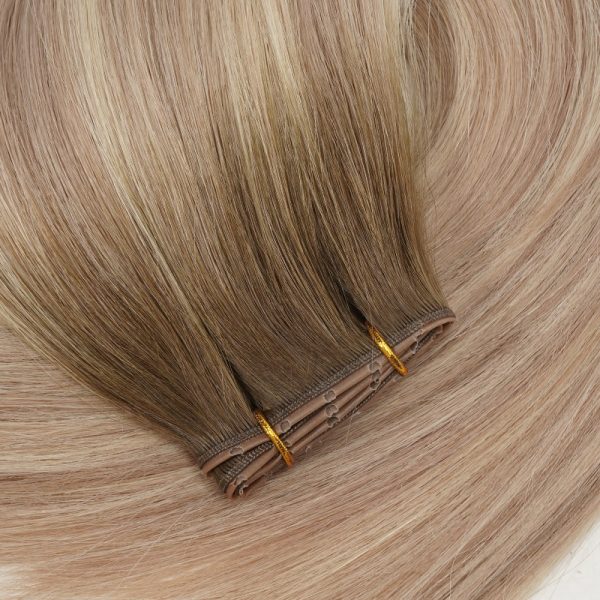
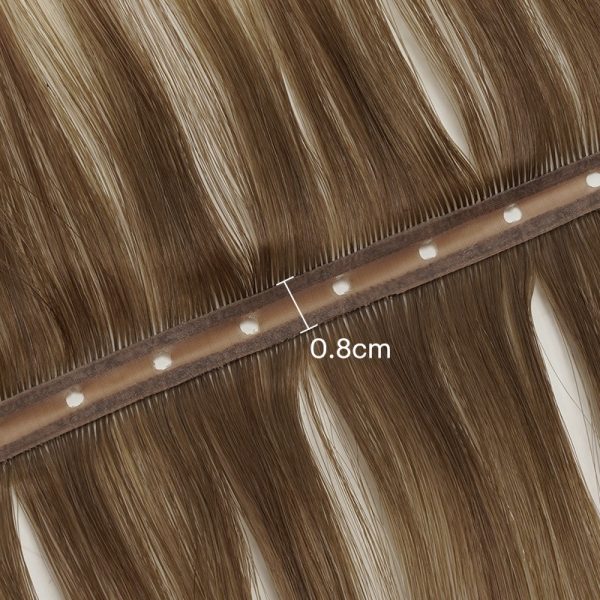
Genius weft hair extension
-
Clip in hair extension
-
… …
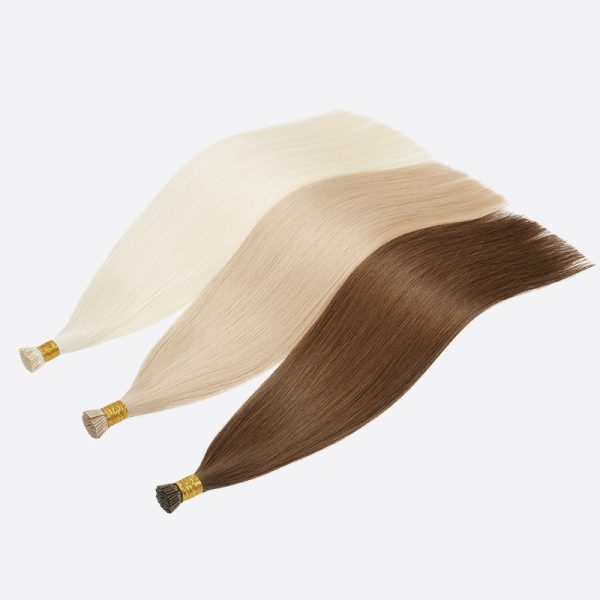
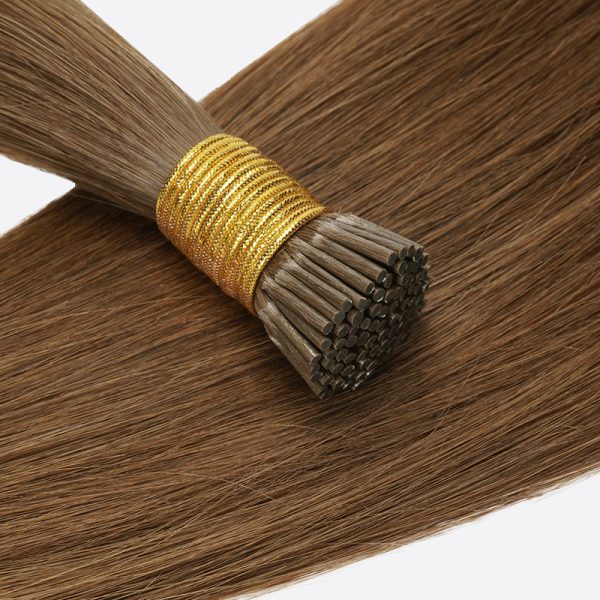
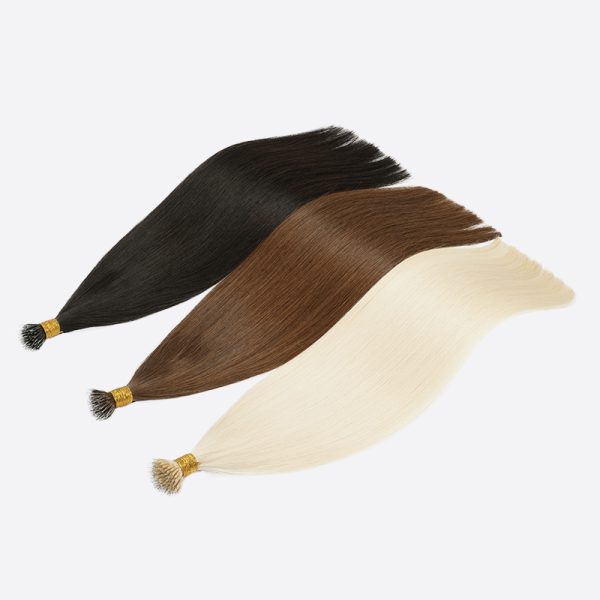
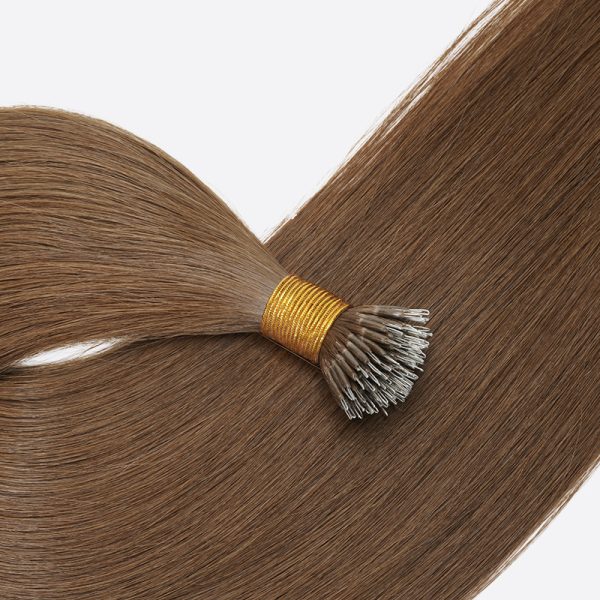
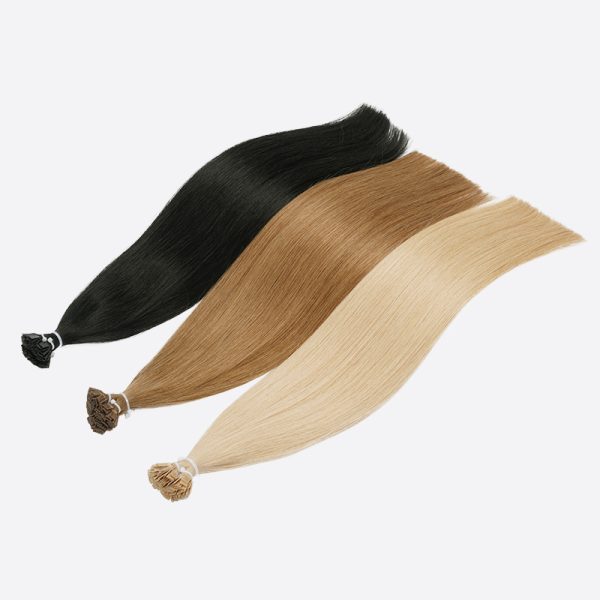
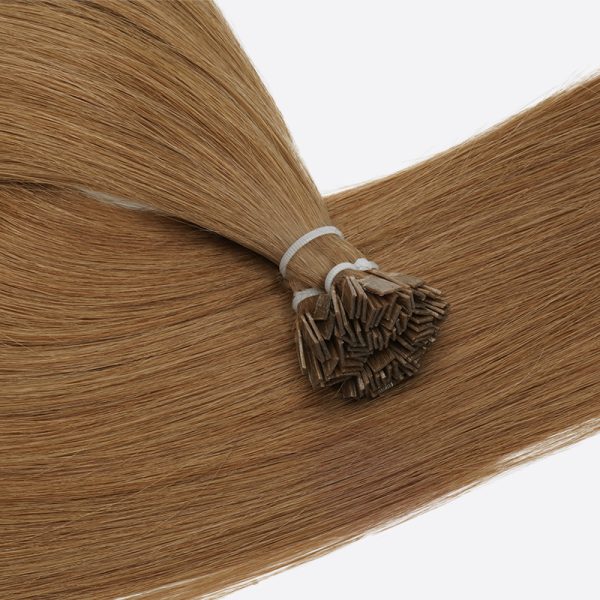
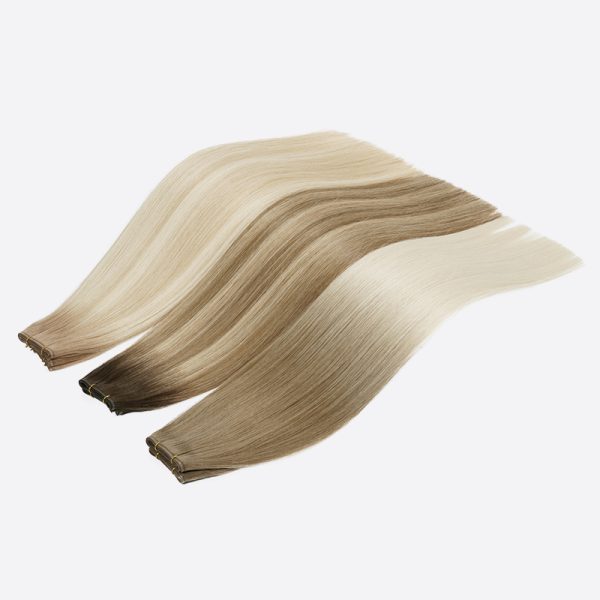
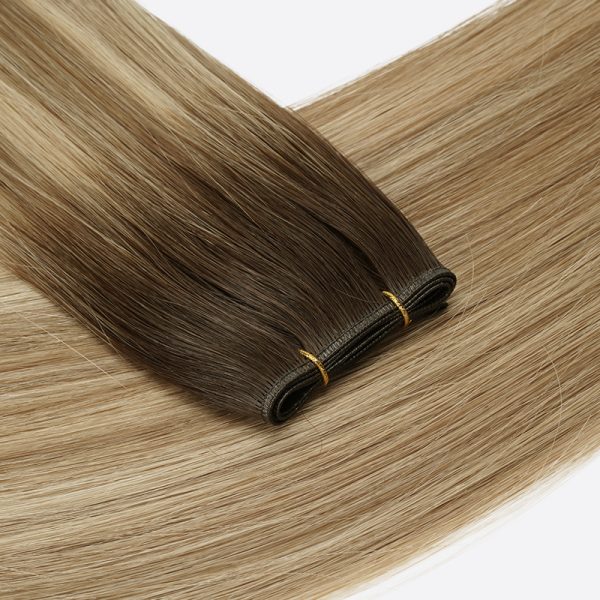
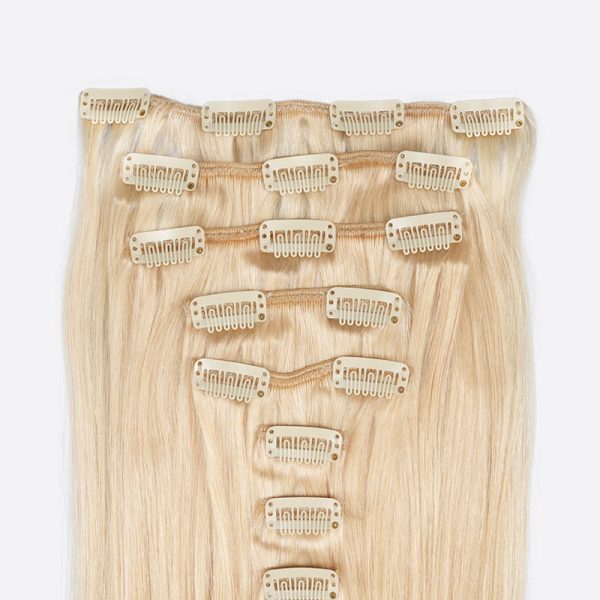
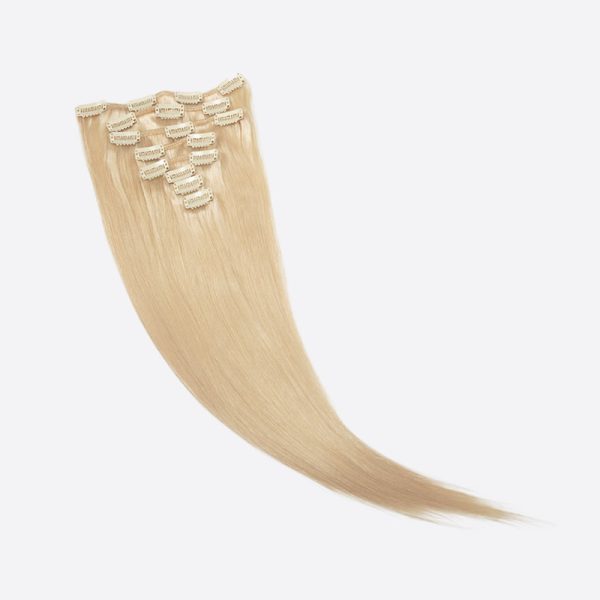
This process requires the most experienced technicians. For example, making a Genius Weft hair extension involves a complex process to keep the glue precisely in a small area. If you’ve ever bought extensions with excess glue, they are not good quality products.
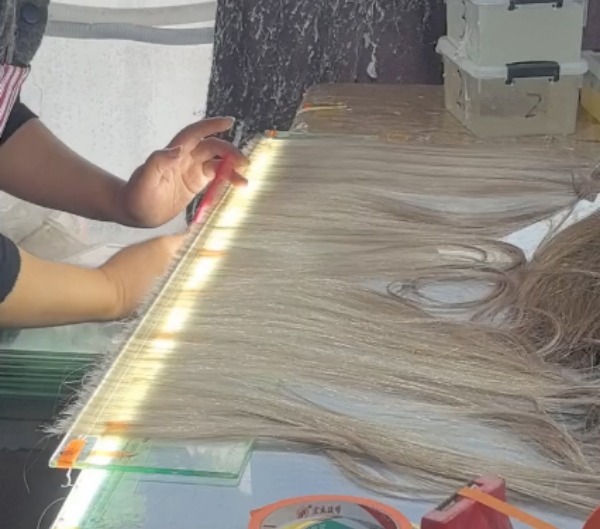
Every type requires its own techniques, machines, and tools, and quality depends heavily on the craftsmanship of this step.
Step 9. Wrapping the Top
Good wrapping can minimize shedding and keep the extension strong for lasting use.
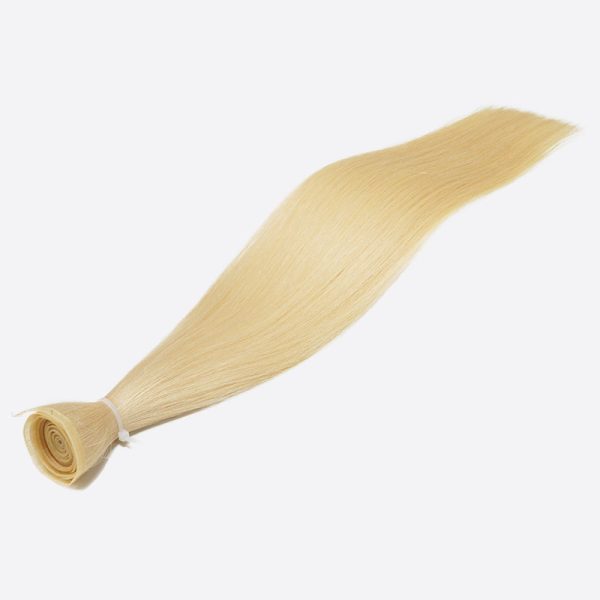
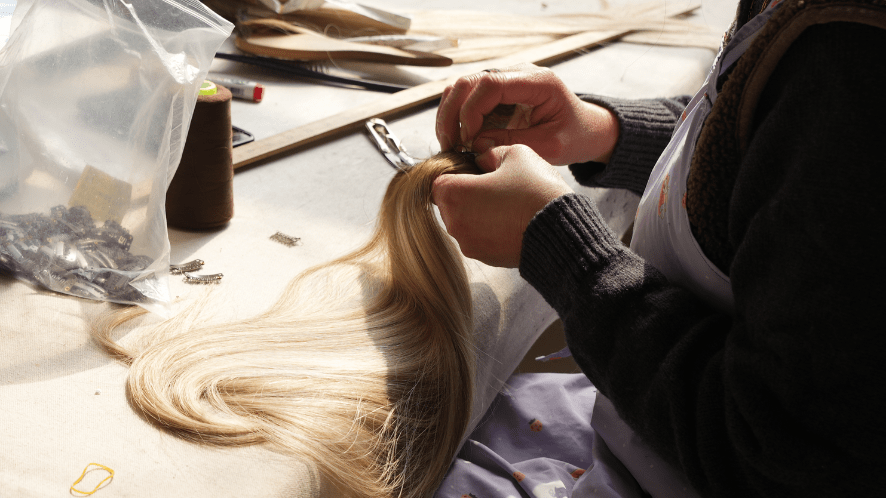
After the products are formed, the top of each hair bundle is carefully wrapped and secured. This ensures that the bundles stay neat, the strands don’t scatter, and everything is ready for the next stage.
Step 10. Final Care and Hydration Treatment
Restoring moisture to keep the hair soft and silky.
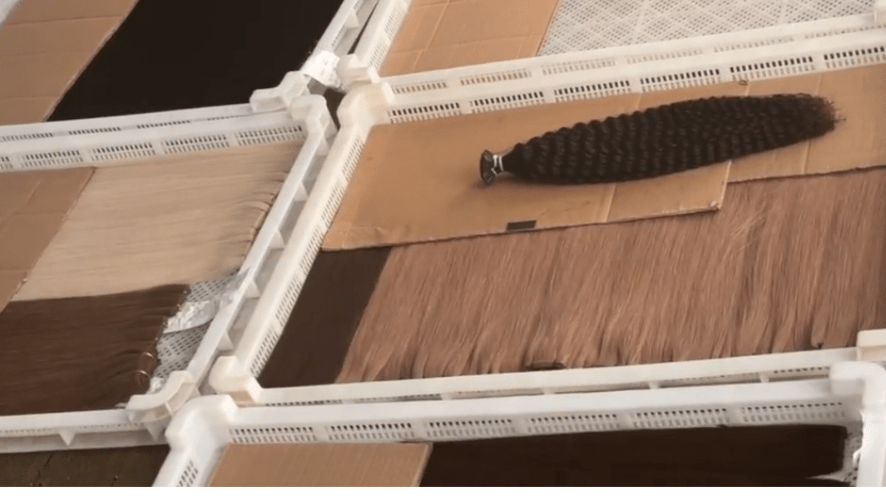
In this step, the hair gets its final round of care. The products are nourished, moisturized, and trimmed to make sure each bundle is soft, shiny, and perfectly ready for packaging. This step also needs drying. Just like the first one, the drying temperature will be strictly controlled to avoid yellowing or frizz.
If the final hair extensions feel too dry—something most factories won’t tell you—they can be placed in a humidity-controlled room to add some moisture.
Step 11. Packaging
Protecting the hair and preserving its style so you receive the perfect products.
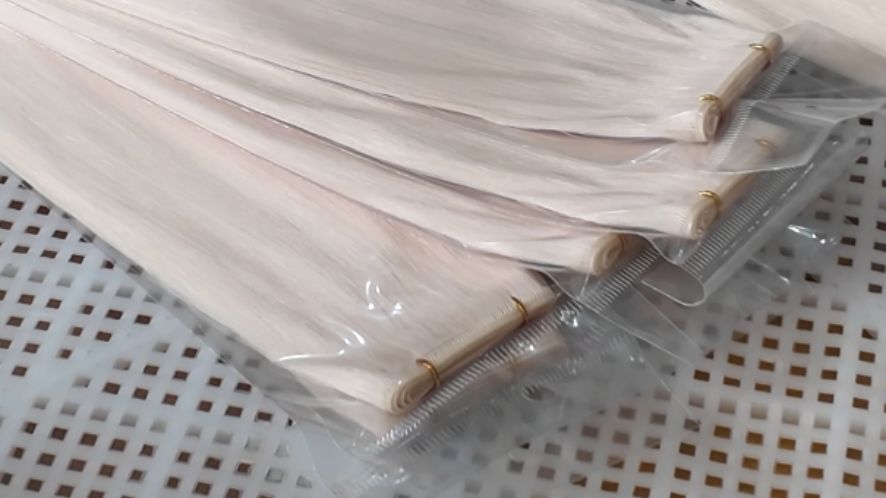
Packaging is the final step before the products leave the factory. Each bundle will be checked one more time to make sure it’s clean, neat, and shaped the way it should be. Then the hair is placed into protective bags or boxes to keep it safe during shipping.
Good packaging doesn’t just make the products look nice—it also helps the hair keep its moisture, prevent tangles, and stay in good condition when customers open it.
Tips Before You Order or Use Human Hair Extensions
-
-
Check Color Stability: The hair extension color should look clean, even, and consistent across batches.
-
No Re-Coloring: Avoid dyeing the hair again to prevent damage or uneven tones. If you have to, use gentle products.
-
No High Heat: Avoid high temperatures when styling hair extensions, especially on light colors.
-
Proper Care: Condition the hair regularly, especially after styling, to keep it soft and last longer.
-
Glue Work: For extensions with glues, such as I-tip, Flat Tip, Nano Ring, and Genius Weft, check for clean, precise glue work with no overflow. Tell your sales rep in advance if this matters to you.
-
Curl Type Confirmation: Confirm whether hair curls/waves are permanent or merely temporary styling, especially for body waves.
-
Process Transparency: Make sure you’re working directly with a reliable factory so you can avoid unnecessary middlemen and keep quality consistent.
-
Here at BONOHAIR
A good hair extension manufacturer offers reasonable prices, direct customer service, and most importantly, you can see the real manufacturing process, so you know the hair extensions you bought are of good quality.
As one of the leading hair extension manufacturers and wholesalers in China, Bono Hair never compromises on quality. Every strand we deliver comes from a strictly-controlled, well-managed process. If you are looking for the best products for human hair extensions for your customers, this is it. Try once, and you won’t regret it.